Adaptive Reuse of Old Buildings: A Trend in Real Estate Development
31 January 2026
If you’ve ever walked past an old, abandoned warehouse turned into a trendy loft apartment or a historic church transformed into a bustling co-working space, you’ve seen adaptive reuse in action. It’s one of the smartest, most sustainable trends in real estate development today. But why is it gaining so much traction? Let’s dive into the world of repurposing old buildings and see why developers, investors, and communities are jumping on board. 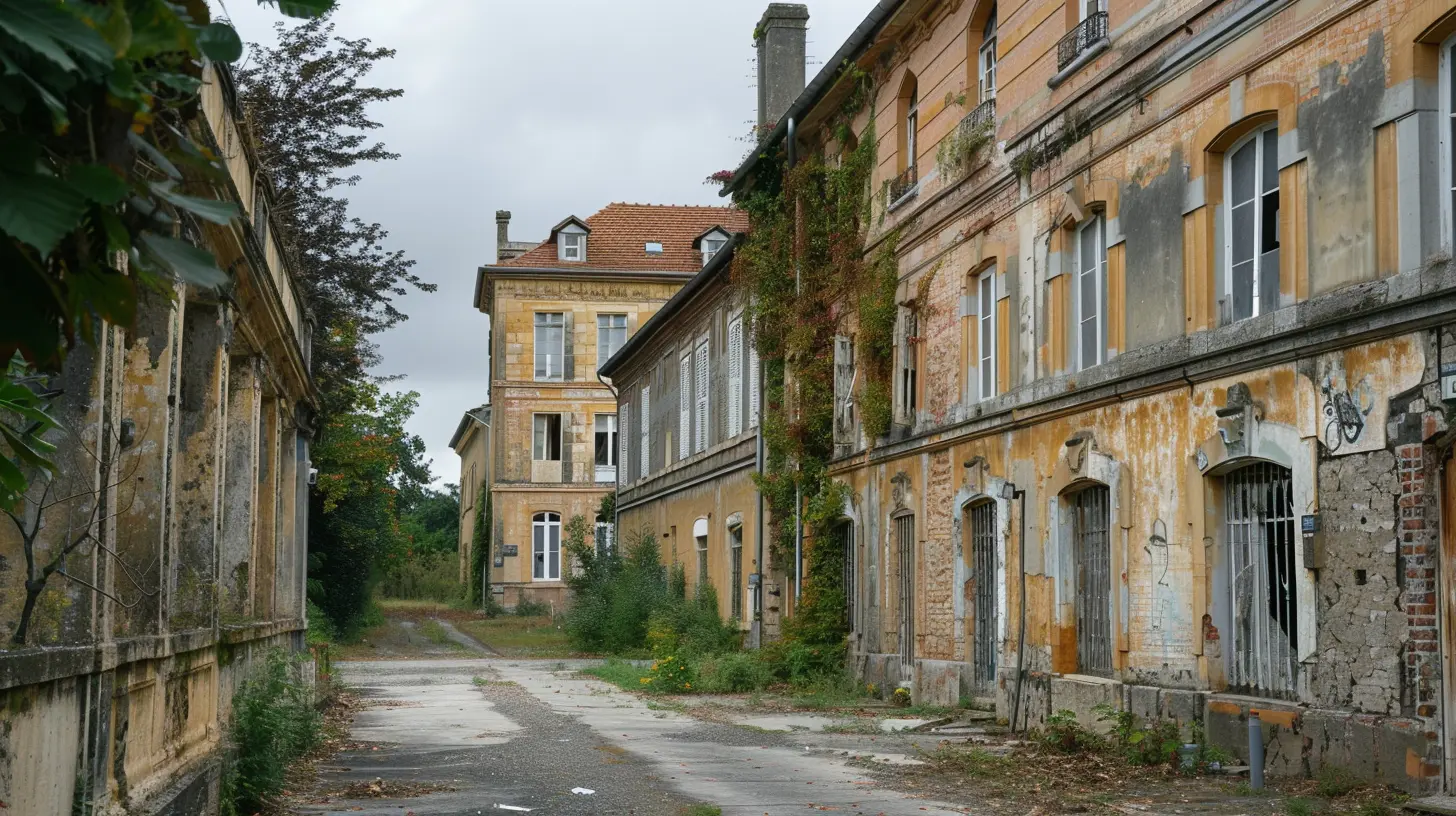
What is Adaptive Reuse?
At its core, adaptive reuse is all about breathing new life into old buildings. Instead of tearing down historic structures and starting from scratch, developers repurpose existing buildings for a modern use. Think of it as giving an old classic car a new engine instead of sending it to the junkyard.The cool part? This approach not only preserves history but also makes financial and environmental sense. With urban spaces becoming more crowded and construction costs skyrocketing, adaptive reuse is a win-win solution. 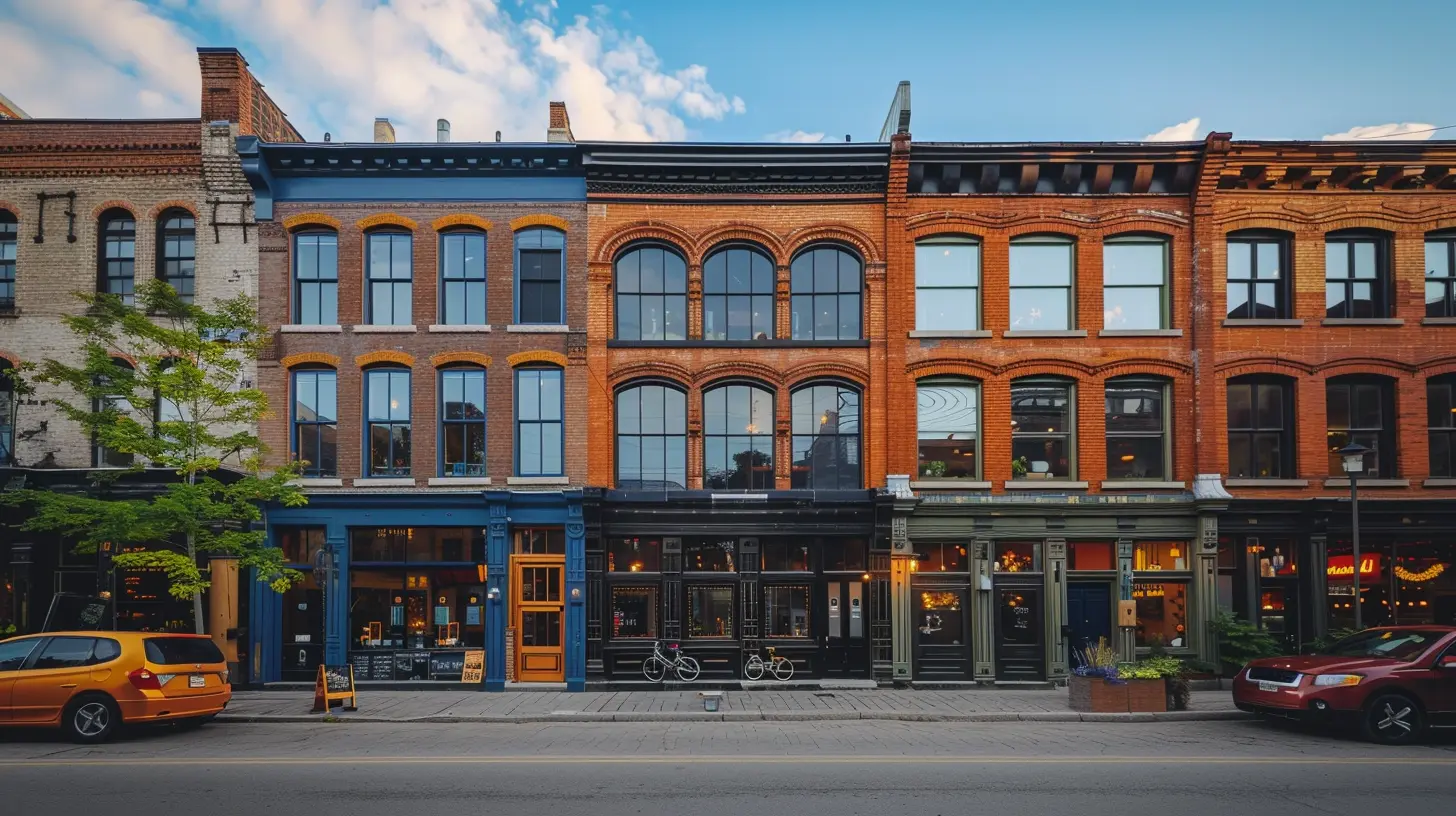
Why is Adaptive Reuse So Popular?
Several key factors are driving the rise of adaptive reuse in real estate:1. Sustainability and Environmental Benefits
Tearing down buildings generates a massive amount of waste. In fact, construction and demolition debris account for around 600 million tons of waste in the U.S. each year. Instead of adding to the landfill crisis, adaptive reuse significantly cuts down on waste and reduces the carbon footprint of construction.Plus, older buildings were often built with durable, long-lasting materials—why waste them? Repurposing these structures means less demand for new materials, which helps conserve natural resources.
2. Cost Savings for Developers
Demolishing a building and starting from the ground up is expensive. Between permits, labor, and materials, costs can add up quickly. Adaptive reuse often reduces construction costs, as developers can work with existing frameworks instead of building entirely new structures.Moreover, many cities offer tax incentives and grants to encourage property owners to preserve historic buildings. It’s a financial win that makes adaptive reuse an attractive option.
3. Preserving History and Character
Modern buildings often lack the charm and craftsmanship found in older structures. Think about the exposed brick walls, arched windows, and detailed woodwork that you just can’t find in new constructions. Adaptive reuse allows cities to maintain their character while making old spaces functional again.Imagine turning a 19th-century firehouse into a boutique hotel or a former post office into a trendy food hall. These transformations create unique spaces that carry a sense of history, making them more appealing than cookie-cutter modern buildings.
4. Meeting the Demand for Unique Spaces
People today crave unique experiences. Whether it’s dining in a repurposed train station or living in an old schoolhouse-turned-loft, adaptive reuse offers something fresh and exciting.For businesses, having a quirky, repurposed space can also be a branding goldmine. A coffee shop in a former bank vault? That’s Instagram gold! 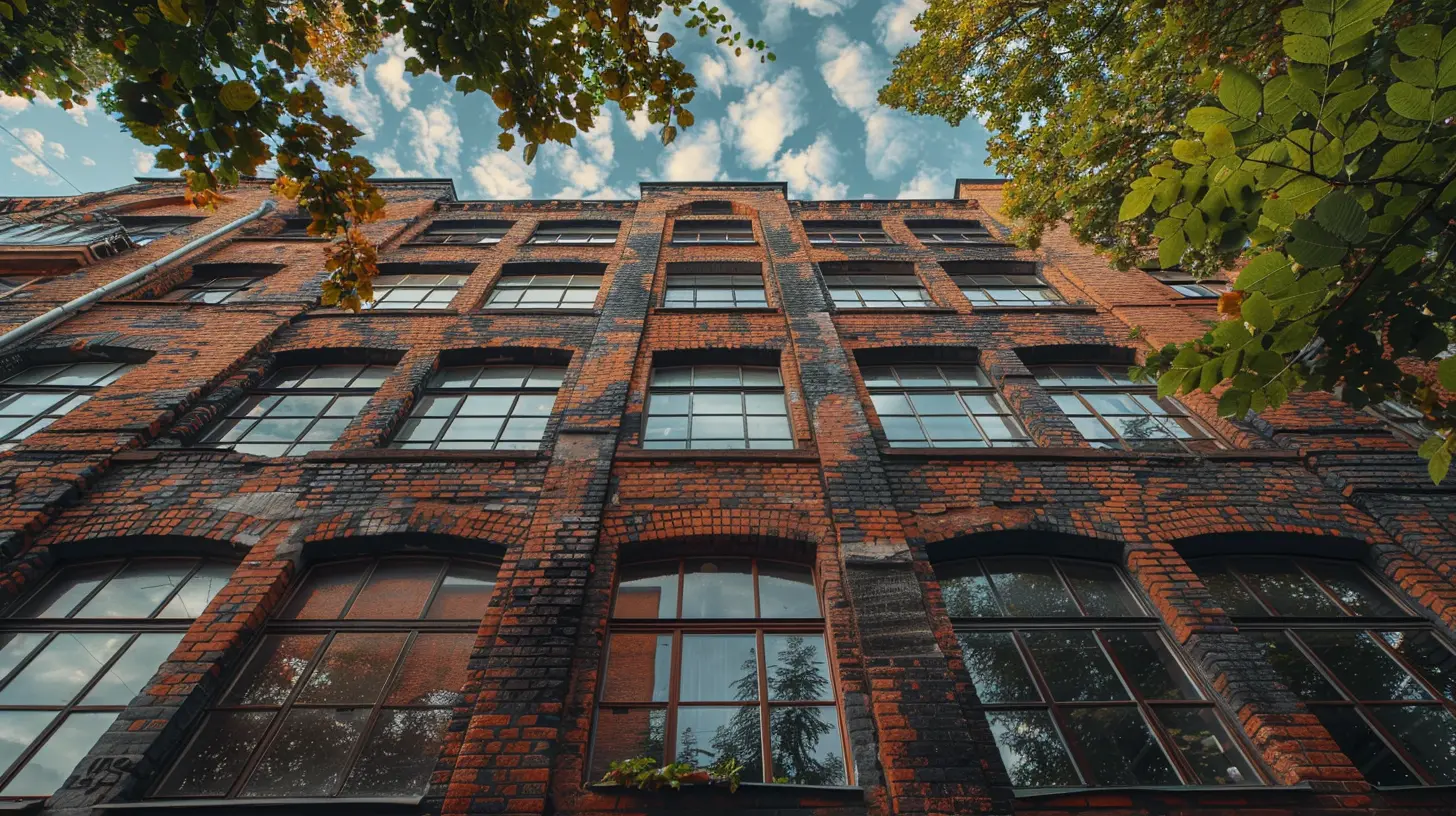
Examples of Successful Adaptive Reuse Projects
Let’s take a look at some impressive real estate projects that have embraced adaptive reuse:1. The High Line – New York City
What was once an abandoned railway track is now one of NYC’s most lush and beloved urban green spaces. The High Line is a prime example of how a forgotten piece of infrastructure can be transformed into something breathtaking.2. Tate Modern – London
A former power station turned world-renowned art museum? That’s exactly what happened with the Tate Modern in London. Instead of demolishing the old Bankside Power Station, developers transformed it into an iconic cultural space.3. The Brewery Lofts – Los Angeles
What used to be a Pabst Blue Ribbon brewery is now home to one of LA’s largest artist communities. The Brewery Lofts provide creative spaces while maintaining the industrial charm of the original brewery.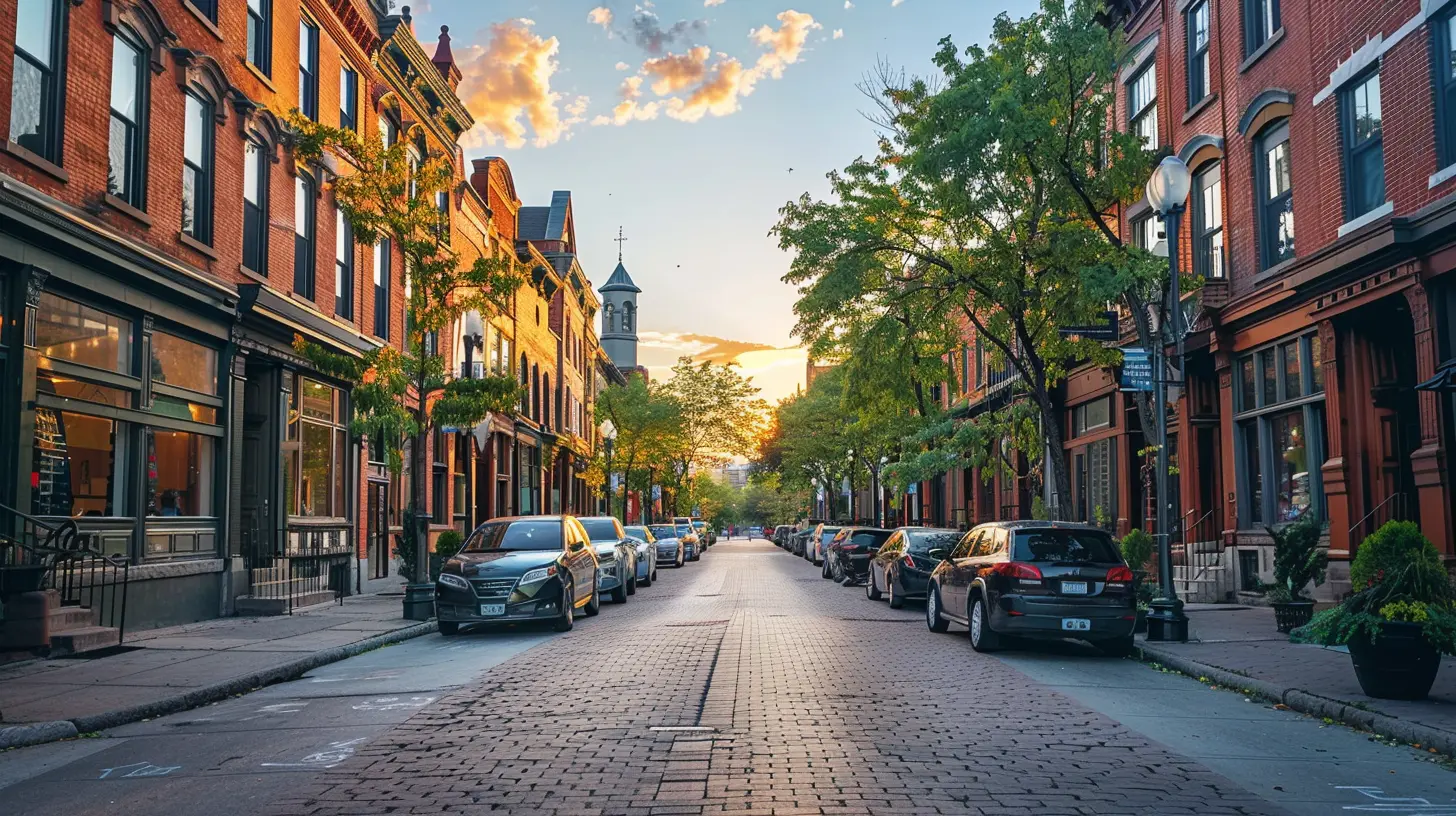
Challenges of Adaptive Reuse
Of course, nothing is perfect. While adaptive reuse has many advantages, it also comes with its own set of challenges.1. Zoning and Building Codes
Many older buildings weren't designed with modern safety standards in mind. Developers often have to jump through hoops to meet local zoning regulations and building codes.2. Unexpected Costs
Although adaptive reuse can save money, unforeseen issues (like asbestos, lead paint, or outdated plumbing) can drive up costs. A thorough inspection is a must before beginning any project.3. Design Constraints
Some buildings have architectural elements that make renovations tricky. Adapting an old church with massive stained-glass windows into a commercial office requires creative problem-solving.Future of Adaptive Reuse in Real Estate
With cities growing and space becoming a premium, adaptive reuse isn’t going anywhere. In fact, it’s likely to become even more popular as investors and city planners recognize its economic and environmental benefits.Smart developers are already looking at vacant malls, abandoned factories, and underused office buildings as prime opportunities for transformation. As younger generations continue to prioritize sustainability and unique spaces, adaptive reuse will remain a dominant trend in the real estate industry.
The Bottom Line
Adaptive reuse is more than just a real estate trend—it’s a movement towards smarter, more sustainable urban development. Whether you’re a developer looking for your next big project or a city dweller who loves the charm of repurposed spaces, this approach benefits everyone.By breathing new life into old structures, we not only preserve history but also create buildings that are more functional, cost-efficient, and environmentally friendly. And who doesn’t love the idea of an old warehouse becoming a vibrant loft or a forgotten train station turning into a buzzing marketplace? Adaptive reuse is real estate’s way of saying, "Out with the new, in with the old!
all images in this post were generated using AI tools
Category:
Real Estate DevelopmentAuthor:

Mateo Hines
Discussion
rate this article
2 comments
Sheena Brooks
Great insights on adaptive reuse! It's inspiring to see how old buildings can gain new life while preserving their history. Sustainability in real estate is essential.
February 15, 2026 at 3:34 AM
Mateo Hines
Thank you! I'm glad you found it inspiring. Preserving history while promoting sustainability is indeed crucial in real estate development.
Renata Frye
Turning a dusty old factory into trendy lofts? Now that's what I call recycling! Who knew history could look so good while sipping coffee in a chic new café? Bring it on!
February 4, 2026 at 4:34 AM
Mateo Hines
Absolutely! Adaptive reuse beautifully blends history with modern living, creating vibrant spaces that celebrate the past while meeting contemporary needs. It's a win-win for communities!