Are Smart Homes the Answer to Sustainable Living?
3 May 2026
When you think of smart homes, what's the first thing that pops into your head? Maybe it's a voice assistant turning on the lights or a thermostat adjusting itself automatically. Cool, right? But what if I told you smart homes could be more than just convenient—they might actually help save the planet?
Yep, we're talking sustainable living. We're diving deep into the nuts and bolts of smart homes and whether they truly offer a greener, more energy-efficient lifestyle or if it's all just clever marketing. Ready to figure it out? Let’s go!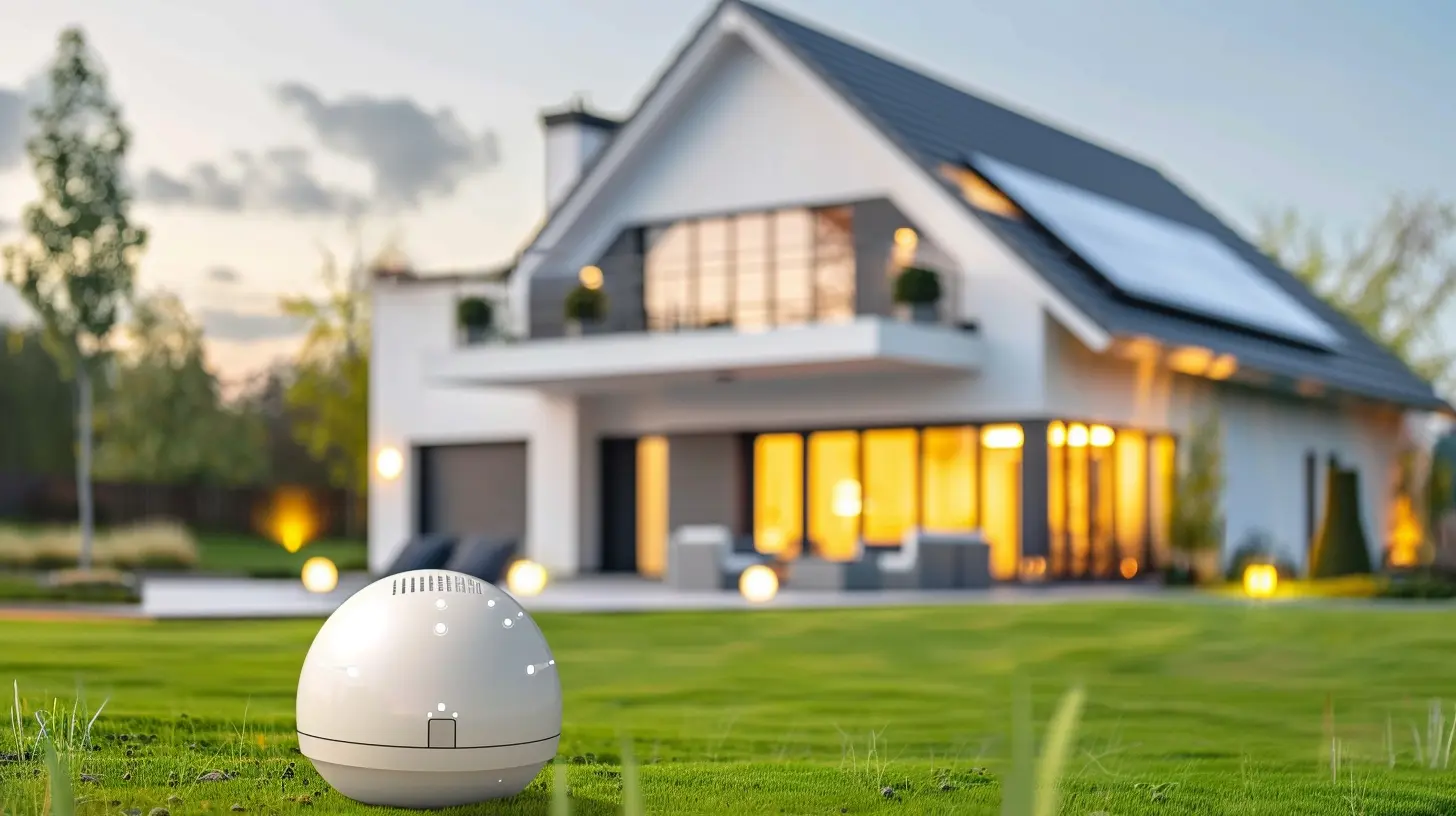
What Exactly Is a Smart Home?
Before we connect the dots between smart living and sustainable living, let’s quickly break down what makes a home “smart.”A smart home uses internet-connected devices to control and automate things like lighting, heating, security, appliances, and more. Think thermostats that learn your schedule, fridges that remind you when you're low on milk, or blinds that open based on the amount of sunlight. The kicker? You control all of this from your phone—or even with your voice.
So yeah, smart homes are like the Swiss Army knives of modern living.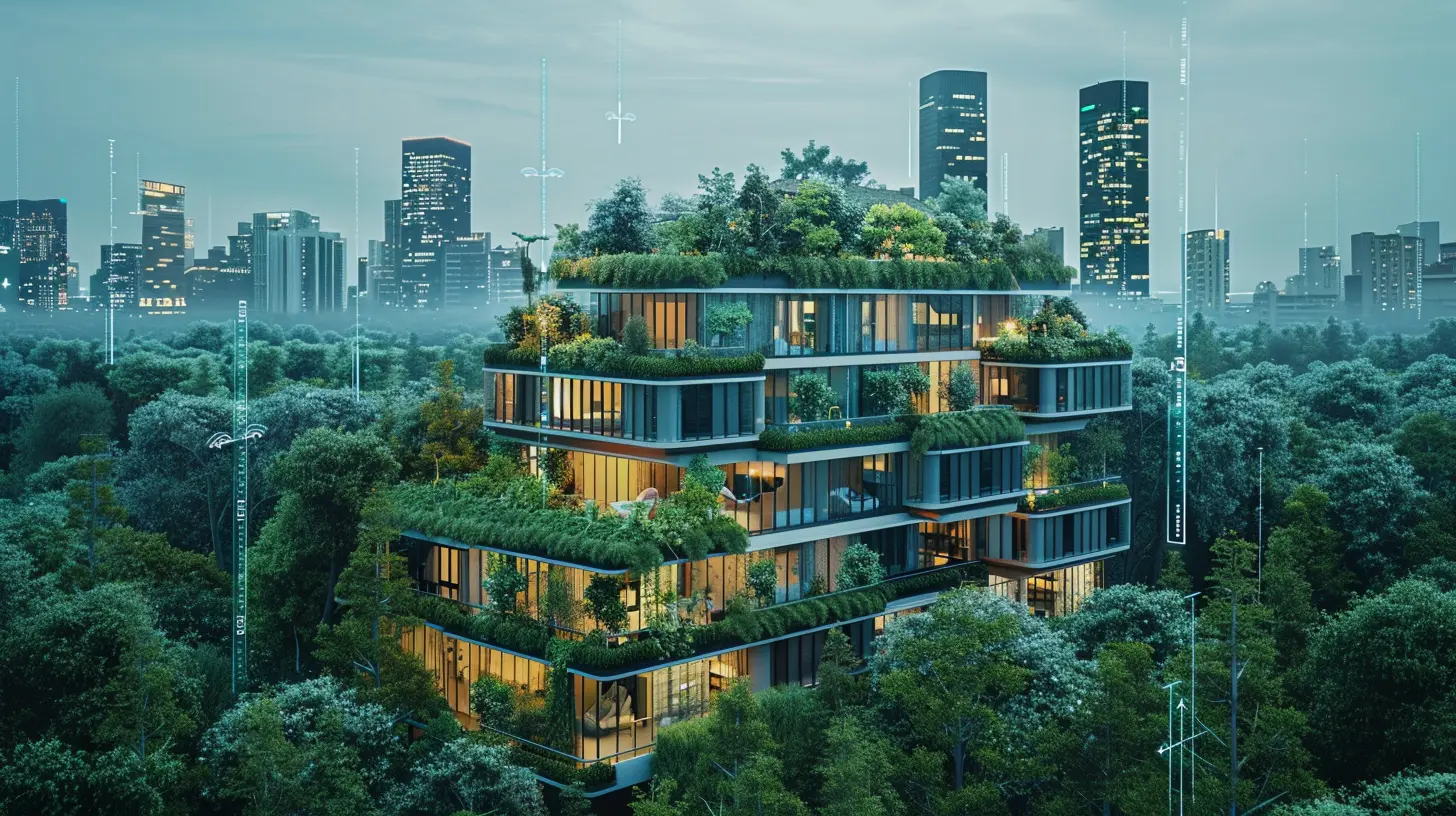
The Link Between Smart Homes and Sustainability
Now, here’s the million-dollar question: Can a home packed with gadgets actually be more eco-friendly?Surprisingly, yes. The magic lies in efficiency. Smart tech helps reduce waste—whether it’s energy, water, or even time.
Let’s look at some real-life examples:
1. Smart Thermostats: Bye-Bye Energy Waste
Heating and cooling your home can account for nearly half of your energy bill. Ouch, right? But a smart thermostat like Nest or Ecobee can monitor your routines and adjust the temperature accordingly. No more blasting the heat when nobody's home.Bonus: Some smart thermostats even offer insights into your energy usage and suggest ways to cut back. It’s like having an energy coach in your pocket.
2. Smart Lighting: Only When You Need It
Tired of yelling at your family for leaving the lights on? (We’ve all been there.) Smart light bulbs and systems can turn off automatically when a room is empty or dim themselves according to the time of day.You can even control them remotely. Forgot to switch off the kitchen light while on vacation? No problem—there’s an app for that.
3. Smart Appliances: Cooking with a Conscience
Today’s smart fridges, washing machines, and dishwashers aren’t just fancy—they’re efficient. They use less water, less electricity, and they run on schedules that make the most of off-peak energy hours.Some can even alert you when parts need maintenance, which helps appliances last longer. That’s not just sustainable—it’s money in the bank.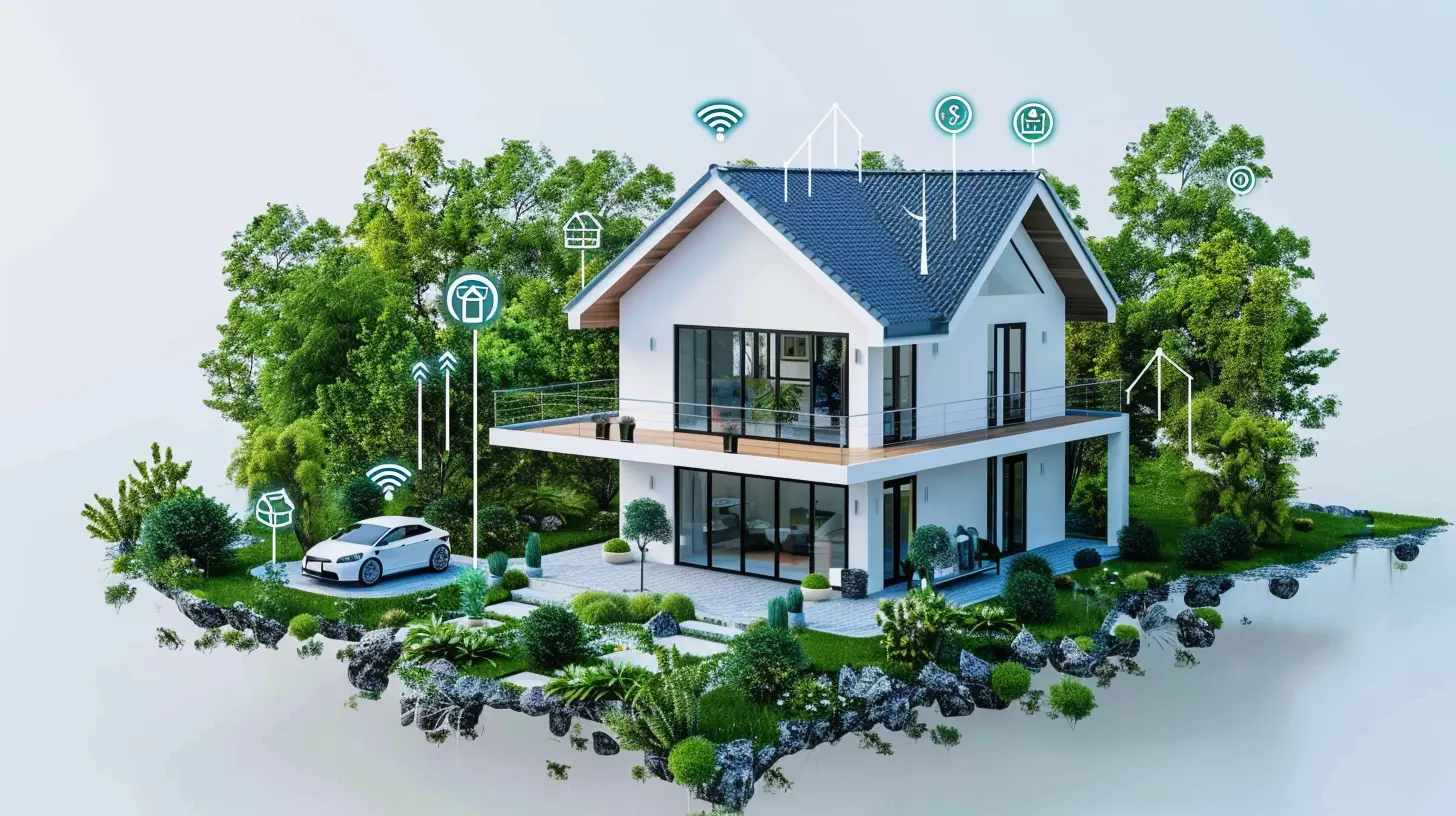
Water Conservation: A Hidden Benefit
Not many people think about water when they think of smart homes, but they should.1. Smart Irrigation Systems
If you live in an area where lawn care is king, a smart sprinkler system can help cut your water usage in a big way. These systems use weather data to water only when necessary. Imagine how much water (and cash) that saves over a year.2. Leak Detection
Ever had a leak that cost you hundreds without you even knowing it? Smart water sensors can detect leaks or unusual water usage early on. That means fewer damaged walls, lower bills, and less wasted water.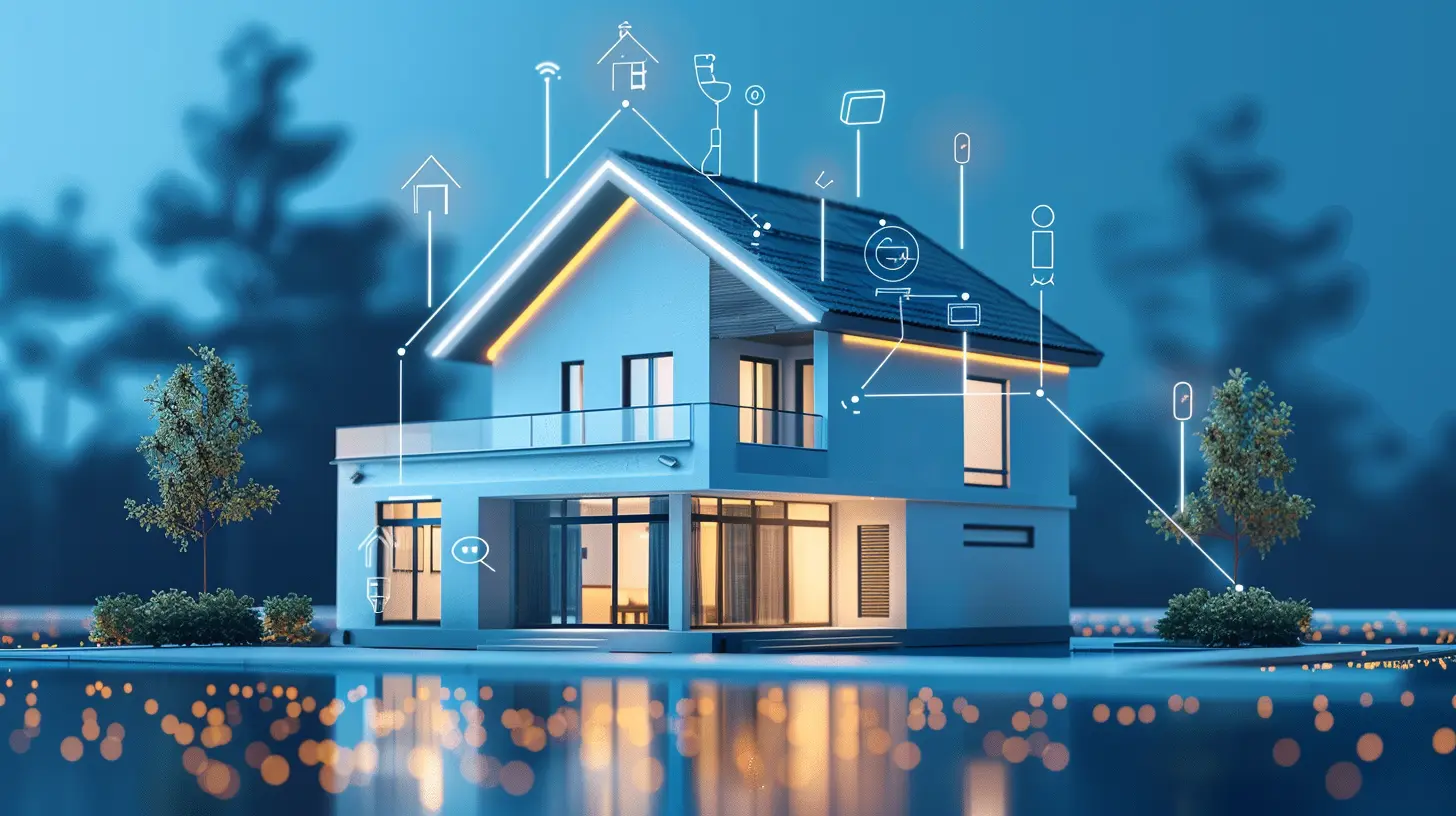
Solar Integration: Powering Smart Homes Sustainably
Here’s where things get interesting. Imagine your smart home working together with solar panels on your roof. Not only are you using less energy, but you’re also generating your own clean power.Pair that with smart energy storage systems, like Tesla’s Powerwall, and suddenly, you're not just using energy smartly—you’re producing and storing it efficiently too. That’s next-level sustainable living.
Waste Reduction Through Smart Living
Want to live more sustainably? Then think beyond just energy and water.1. Smart Fridges That Help Reduce Food Waste
Some smart refrigerators have internal cameras and apps that track what’s inside. So you know what you have before you hit the grocery store—no more buying that third jar of pickles or letting produce rot in the back corner.2. Recycling Made Smarter
Believe it or not, there are smart bins that can sort recycling and detect materials. These aren't common yet, but they’re on the rise—and they could totally change the way we reduce waste at home.Monitoring and Reporting = Awareness
Knowledge is power. Smart homes not only automate your living but also give you data—energy usage, peak times, water consumption, and so on.When you see those numbers daily, it’s hard not to take action. It's like your utility bills are talking to you—and spoiler alert—they want you to chill on the AC.
Some apps will even give you monthly sustainability reports. Talk about accountability!
But Let’s Be Real—Smart Homes Aren’t Perfect
Okay, let’s tap the brakes for a sec. Not everything about smart homes screams sustainability.1. Manufacturing Footprint
Smart devices take resources to build. From the plastics to the rare minerals inside them, the production process isn’t exactly eco-friendly.2. E-waste Concerns
As technology evolves, so does device turnover. An outdated smart device might end up in a landfill, and let's face it—tech waste is a growing problem.3. Power Dependency
Ironically, smart homes depend heavily on electricity to function. That means when the power goes out, many systems go offline. Also, if your electricity source isn’t renewable, are you really being sustainable?The Price Tag: A Barrier to Entry?
Let’s be honest—smart gear isn’t cheap. Not everyone can afford to outfit their home with top-of-the-line gadgets, no matter how eco-friendly they are.But here's the silver lining: prices are dropping. And more importantly, you don’t have to go all-in at once. Start with a smart thermostat or a few smart plugs. Small steps still make a difference.
Who Benefits Most from Smart Sustainable Homes?
While smart homes can work for just about anyone, they make the most impact in certain situations:- Urban dwellers dealing with high energy costs
- Busy families that want more control without extra effort
- Eco-conscious homeowners aiming to minimize their footprint
- Landlords and property managers looking to increase value and reduce utility bills
Turning Your Home Into a Smart Sustainable Sanctuary
Ready to get started? Here are a few beginner-friendly tips:1. Start with Energy Hogs: Focus on heating, cooling, and lighting first.
2. DIY Your Setup: Many smart systems are super user-friendly now—no need to hire an IT wizard.
3. Explore Rebates: Utility companies and governments often offer incentives for smart thermostats and energy-saving devices.
4. Commit to Updates: Keep your devices updated to ensure optimal energy performance and security.
The Future Is Smart and Green
The world is changing—and housing is changing with it. As our cities grow and resources shrink, smart homes could be the bridge to more sustainable living.Are they the answer? Maybe not the only one. But are they a strong, practical step in the right direction? Absolutely.
Imagine waking up in a home that knows your routine, adjusts the temperature, brews your coffee, and saves energy—all while reducing your carbon footprint. That’s not sci-fi. That’s now.
We’re not just building homes anymore. We’re building ecosystems that think, learn, and help protect our planet. Let’s not miss the chance to make our homes part of the solution instead of part of the problem.
all images in this post were generated using AI tools
Category:
Smart HomesAuthor:

Mateo Hines
Discussion
rate this article
2 comments
Zadie Turner
Oh sure, because a smart fridge that tells you you're out of milk is definitely the key to saving the planet. Forget renewable energy sources; just let your toaster handle global warming while you binge-watch your favorite show... genius!
June 29, 2026 at 3:59 AM
Corin McCabe
Smart homes can significantly reduce energy consumption and enhance convenience, making them a solid option for sustainability.
May 13, 2026 at 11:48 AM
Mateo Hines
You're right. Smart homes have great potential to lower energy use and improve daily life, making them a key player in sustainable living.