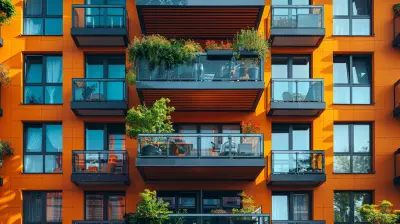
Benefits of Modular Construction in Real Estate Development
28 August 2026
The real estate industry is evolving, and one of the most intriguing innovations in recent years is modular construction. If you've ever wished there was a faster, more efficient, and cost-effective way to build homes, apartments, or even commercial properties, you're in for a treat. Modular construction is revolutionizing the way buildings are designed, manufactured, and assembled. But what makes it such a game changer? Let’s dig into the fascinating benefits of modular construction in real estate development. 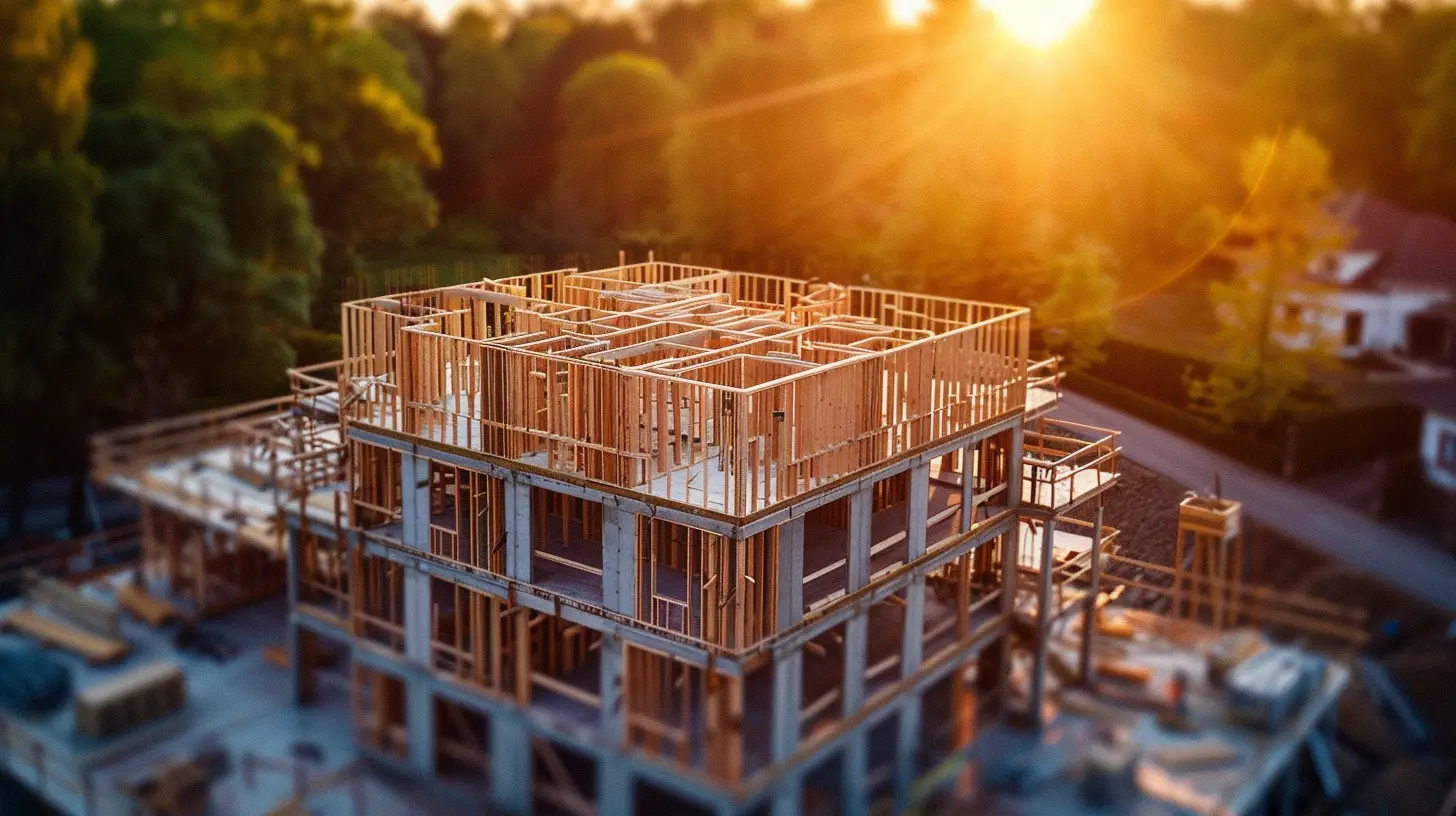
What Is Modular Construction?
Before we jump into the benefits, let’s clarify what modular construction actually means. Unlike traditional construction, where buildings are constructed on-site from the ground up, modular construction involves manufacturing entire sections of a building in a factory setting. These sections, or "modules," are then transported to the construction site and assembled like giant Lego blocks.Sounds interesting, right? But the real magic lies in how this method transforms the construction process, bringing incredible advantages for developers, investors, and even homeowners. 
1. Faster Construction Time
Time Is Money – And Modular Construction Saves Both
One of the biggest headaches in traditional construction is the long timelines. Weather delays, labor shortages, and unforeseen issues can easily push a project back by months (or even years). With modular construction, timelines are dramatically shortened because a significant portion of the development takes place off-site in a controlled factory environment.While the foundation is being prepared on-site, the modules are simultaneously being built in the factory. By the time they arrive at the construction site, they’re nearly complete – reducing total construction time by 30% to 50% compared to traditional methods.
Faster completion means faster occupancy, enabling developers to start generating rental income sooner and significantly improving return on investment (ROI). 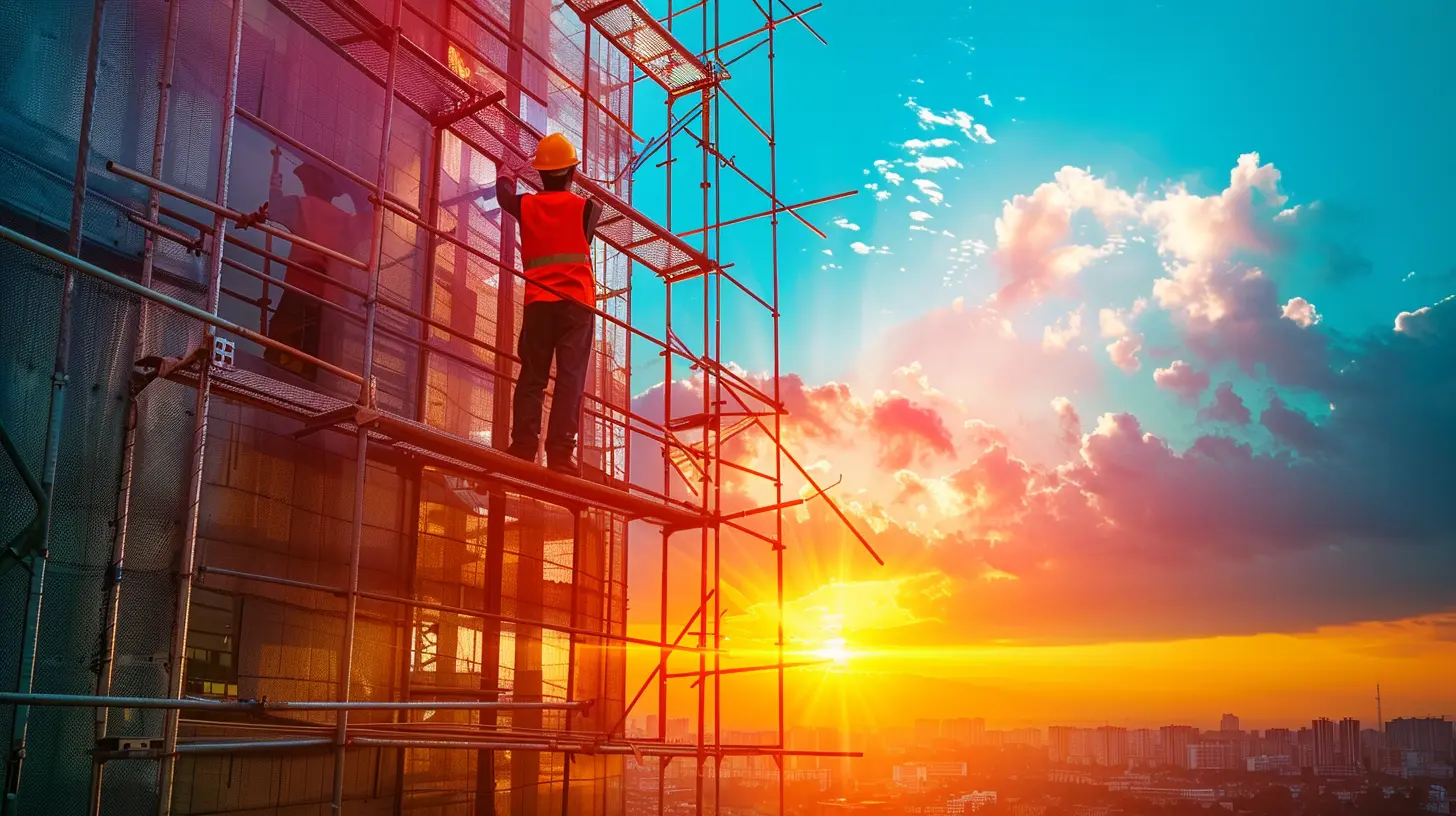
2. Cost-Effectiveness Without Compromising Quality
Why Spend Extra When You Can Build Smarter?
Every developer wants to maximize profits while maintaining high-quality standards. Traditional construction often struggles with budget overruns due to unexpected expenses, inefficient labor, and material waste. Modular construction, however, optimizes costs at every step.- Bulk Material Purchasing: Factories can order materials in bulk, reducing costs compared to on-site constructions where materials are purchased in smaller quantities.
- Less Labor Expense: Since much of the work is done in a factory, there's less reliance on expensive, skilled on-site labor.
- Minimal Waste: Traditional methods can waste up to 30% of raw materials, whereas modular construction drastically cuts down waste through precise planning and efficient use of resources.
The result? A high-quality build at a lower cost—something every developer dreams of. 
3. Sustainability and Eco-Friendliness
Go Green While Building Smarter
Sustainability isn’t just a buzzword anymore—it’s a necessity. As the real estate industry faces increasing pressure to adopt eco-friendly practices, modular construction leads the way with significant environmental benefits.- Energy Efficiency: The controlled factory environment optimizes energy use, reducing overall energy consumption.
- Less Material Waste: Since materials are precisely measured and cut in a factory setting, there’s very little waste—unlike traditional construction sites where excess materials often end up in landfills.
- Lower Carbon Footprint: Modular construction requires fewer on-site workers and machinery, resulting in lower energy consumption and reduced carbon emissions.
Real estate developers looking to meet LEED (Leadership in Energy and Environmental Design) certification or other green building standards find that modular construction is an excellent way to achieve sustainability goals while still maintaining financial efficiency.
4. Improved Quality Control
Precision Engineering at Its Best
Let’s be honest—traditional construction projects often suffer from inconsistencies in craftsmanship due to environmental factors, labor conditions, or simple human error. Modular construction eliminates these inconsistencies through:- Factory Precision: Every module is built in a climate-controlled environment with rigorous quality control measures.
- Standardized Procedures: Unlike construction sites where variables like weather and inconsistent labor skills play a role, modular construction follows standardized processes that ensure uniformity and durability.
- Stronger Structures: Because they must withstand transportation and lifting, modular buildings are often built with stronger materials and reinforced construction techniques compared to traditionally built structures.
In short, modular construction delivers better quality, with fewer defects and inconsistencies—a major win for property developers and future occupants alike.
5. Design Flexibility and Customization
Modular Doesn’t Mean Boring
Some people mistakenly believe modular construction limits architectural freedom, but that couldn't be further from the truth. Thanks to modern design technology, modular buildings can be tailored to fit any aesthetic, layout, or functional requirement.- Want a sleek, modern apartment complex? Done.
- Need a cozy, rustic-style residential property? No problem.
- Looking for a custom commercial space with unique features? Modular construction can handle that too.
From single-family homes to skyscrapers, modular construction is incredibly versatile, offering endless possibilities for developers with ambitious visions.
6. Increased Worker Safety
A Safer Work Environment = Fewer Accidents
Construction sites can be dangerous. Slips, falls, equipment malfunctions, and unpredictable weather conditions pose a constant threat to workers. Modular construction minimizes these hazards by shifting most of the work to a controlled factory setting, where safety measures are much easier to enforce.- Reduced On-Site Presence: Fewer workers need to be on an active construction site, where risks are higher.
- Better Working Conditions: Factory environments provide safety protocols, ventilation, and climate control that improve overall worker health and safety.
This is a huge advantage for developers, as fewer workplace accidents mean fewer liability concerns and insurance costs.
7. Scalability for Large Projects
Building Big? Modular Construction Makes It Easier
For large-scale developments, modular construction is a game-changer. It allows developers to repeat design elements efficiently, reducing costs while maintaining consistency and speed.- Multi-family housing developments
- Hotels and hospitality projects
- Student housing and dormitories
- Office buildings and commercial spaces
When projects require mass production of similar units, modular construction is by far the most cost-effective and time-efficient method.
8. Resilience Against Market Volatility
Less Stress During Economic Uncertainty
Traditional construction projects are highly vulnerable to economic fluctuations. A sudden spike in material prices, labor shortages, or an unexpected financial downturn can halt a project in its tracks.Since modular construction operates with tighter cost and time controls, developers are better shielded from financial risks. By securing fixed material costs, reducing labor dependency, and delivering faster completion times, modular construction offers stability in an unpredictable market.
Final Thoughts: The Future of Real Estate Development?
Considering all these benefits, it’s easy to see why modular construction is transforming real estate development. Faster timelines, lower costs, better quality, and sustainability—what’s not to love?As technology continues to advance, modular construction is set to become an even more dominant force in the industry. Whether you’re a developer, investor, or future homeowner, keeping an eye on this innovative building method could be the smartest decision you make.
So, is modular construction the future of real estate? It sure seems like it.
all images in this post were generated using AI tools
Category:
Real Estate DevelopmentAuthor:

Mateo Hines
Discussion
rate this article
2 comments
Candice McAleer
Modular construction? It's like building with Lego for adults. Fast, efficient, and still looks fabulous. What's not to love?
September 9, 2026 at 3:58 AM
Mateo Hines
Absolutely! Modular construction brings innovation to real estate, combining speed and aesthetics for impressive results. It's a game changer for modern development.
Foster McGillivray
Modular construction is reshaping real estate development by offering efficiency and sustainability. Its speed of assembly reduces costs and minimizes waste, while the ability to customize designs meets diverse market demands. As urban spaces evolve, embracing modular techniques can enhance both affordability and innovation in housing solutions.
August 31, 2026 at 11:15 AM
Mateo Hines
I appreciate your insights on modular construction. The benefits you highlighted, especially in terms of efficiency and sustainability, are crucial as we navigate the changing landscape of urban development. It's exciting to see how these methods can truly transform housing solutions.