Buying Real Estate from Afar? Tips to Avoid Scams
5 December 2025
In today's digital world, buying real estate from afar has never been easier. Whether you're relocating, investing, or looking for a vacation home, the internet has made it possible to purchase property without ever stepping foot on-site. But with this convenience comes significant risks—scammers are lurking, ready to exploit unsuspecting buyers.
So, how do you ensure that your long-distance real estate purchase is safe and legitimate? Let's dive into some essential tips to help you avoid scams and safeguard your investment.
1. Do Your Homework on the Property and Seller
Before committing to any real estate deal, thorough research is crucial. Scammers rely on buyers who don’t ask enough questions or verify details.- Check the property's history – Use online resources like local property registries or tax assessor websites to verify ownership details.
- Confirm the seller’s identity – If working with an individual seller, ask for identification and cross-check their information with official records.
- Look for inconsistencies – If the property’s selling price is unbelievably low compared to similar homes in the area, it's a red flag.
2. Work with a Reputable Real Estate Agent
A good real estate agent is your first line of defense against scams. But not all agents are legitimate, so choose wisely.- Verify their credentials – Check their real estate license through state regulatory bodies.
- Read online reviews – A quick Google search can reveal previous client experiences.
- Ask for references – Speak with past clients to get a sense of the agent's reliability and professionalism.
A trustworthy agent will provide you with accurate information and protect your interests throughout the buying process.
3. Never Skip the Property Inspection
One of the biggest mistakes distant buyers make is purchasing property without a physical inspection. Photos can be misleading or even stolen from other listings.- Hire a professional home inspector – They can uncover hidden issues like structural damage, mold, or faulty wiring.
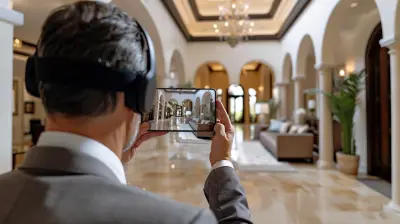
- Request a video tour – If you can’t visit in person, ask your agent or a trusted representative to walk you through a live video tour.
- Send someone you trust – If possible, have a family member or friend visit the property on your behalf.
Skipping the inspection could mean walking into a financial nightmare.
4. Beware of Unrealistic Deals
If a deal sounds too good to be true, it probably is. Scammers use enticing listings with unbelievably low prices to lure in buyers.- Compare prices with similar properties – A price significantly lower than market value should raise suspicion.
- Beware of urgency tactics – Scammers often pressure buyers with phrases like “limited-time offer” or “another buyer is interested.”
- Check the listing elsewhere – Sometimes, fraudsters copy legitimate listings and repost them at lower prices.
Don’t rush into a deal without verifying every aspect of it.
5. Use Secure Payment Methods
Money is where many scams happen. Fraudsters often ask buyers to wire money, make payments through unconventional methods, or send deposits before completing legal paperwork.- Avoid wire transfers to unknown entities – Once sent, the money is almost impossible to recover.
- Use escrow services – Escrow accounts hold funds until agreed-upon conditions are met, protecting both buyers and sellers.
- Get a lawyer involved – A real estate attorney can review contracts and ensure your money is protected against fraud.
Avoid handing over any money until you have verified everything is legitimate.
6. Verify Ownership and Legal Documents
Fake property listings and fraudulent paperwork are among the most common real estate scams.- Request official ownership documents – Ensure the name on the documents matches the seller’s identity.
- Confirm with local authorities – Check with the local land registry or county records to verify the property's legal status.
- Look out for forged paperwork – Scammers often manipulate legal documents. If anything seems off, have a legal expert review them.
A little extra caution here can save you from losing thousands of dollars.
7. Be Wary of Rent-to-Own Scams
Many long-distance buyers consider rent-to-own options, but these agreements are often exploited by scammers.- Verify the property owner – Confirm that the person renting or selling the home has legal ownership.
- Understand the contract terms – Some scammers create unrealistic terms to trap buyers into losing their money.
- Get a lawyer to review agreements – A legal professional can help ensure the contract is fair and legitimate.
If a rent-to-own deal seems too one-sided in favor of the seller, proceed with extreme caution.
8. Watch Out for Fake Real Estate Listings
Online marketplaces are flooded with fraudulent property listings. Scammers steal photos and post fake ads to trick unsuspecting buyers.- Reverse image search – Use Google’s reverse image search to check if the listing photos appear on other websites.
- Verify listing agent details – If an agent is selling the property, confirm their credentials through official real estate directories.
- Trust reputable platforms – Stick to well-known real estate websites rather than random online classifieds.
A few extra minutes of verification can prevent you from falling victim to a scam.
9. Use a Local Real Estate Attorney
A local attorney specializing in real estate transactions can provide an extra layer of protection.- Review legal documents – They can help spot fraudulent contracts and ensure everything is legally binding.
- Confirm local real estate laws – Different states and countries have unique property laws. A local attorney ensures compliance.
- Handle title searches – They can verify if the property has existing liens or legal disputes that could complicate your purchase.
Hiring a lawyer might seem like an extra cost, but it’s a worthwhile investment.
10. Trust Your Instincts
Sometimes, your gut feeling is the best fraud detector. If something feels off, take a step back.- Listen to red flags – If the seller is evasive, rushes the process, or avoids direct questions, proceed with caution.
- Consult multiple sources – Don’t rely on just one point of information. Cross-check details with various sources.
- Stay patient – Rushing into a deal under pressure often leads to regret.
When buying real estate from afar, it’s better to be overly cautious than regretful.
Final Thoughts
Buying real estate remotely doesn’t have to be a gamble. With due diligence, careful research, and the right professionals by your side, you can successfully purchase property from anywhere in the world—without falling victim to scams.Remember, scammers prey on uninformed buyers. By verifying everything, insisting on legal protection, and refusing to rush into questionable deals, you’ll keep your investment safe and secure.
Looking for a home from a distance? Take your time, trust your instincts, and always double-check the details. Happy house hunting!
all images in this post were generated using AI tools
Category:
Real Estate ScamsAuthor:

Mateo Hines
Discussion
rate this article
2 comments
Laila Sheppard
Buying a home from a distance? It's like online dating—swipe right on the good vibes, but double-check the profile! Stay savvy, spot the red flags, and soon you'll be sipping coffee in your new cozy corner!
December 10, 2025 at 12:29 PM
Mateo Hines
Great analogy! Just like online dating, thorough research and attention to detail are key to ensuring a successful long-distance home purchase. Thanks for sharing!
Coral McLaury
Great tips! It's crucial to do thorough research and verify listings to avoid scams when buying real estate remotely. Trust but verify, and always work with reputable agents.
December 9, 2025 at 1:21 PM
Mateo Hines
Thank you! I'm glad you found the tips helpful. Thorough research and working with trusted agents are key to staying safe in remote real estate transactions.