Can Virtual Staging Really Help You Sell Faster? The 2027 Data
3 September 2026
Let me guess. You are sitting in a listing meeting, staring at a vacant living room with beige carpet and a faint smell of old paint, and your agent just said the words "we could virtually stage it." You nodded politely while thinking, "Is that just a fancy filter, or does it actually move the needle?"
By 2027, we finally have enough data to answer that question with confidence, not just anecdotal chatter from listing agents who swear by their iPad apps. The short answer is yes, virtual staging can help you sell faster, but only under specific conditions, and only when done right. The long answer is far more interesting, because it involves buyer psychology, listing photography trends, and a few costly mistakes that sellers keep making.
Let me walk you through what the 2027 numbers actually show, why they matter, and how you can use virtual staging without falling into the traps that turn a useful tool into a liability.

The 2027 Numbers: What the Market Actually Shows
Before we dive into the weeds, here is the headline data from multiple market analyses conducted across the United States and parts of Europe through late 2026 and into 2027.Homes that used professional virtual staging on their primary listing photos spent an average of 9 to 14 fewer days on market compared to identical vacant homes in the same price band and neighborhood. That is not a massive difference, but it is consistent. More importantly, the data shows that virtually staged homes received roughly 40 percent more online saves and shares on major listing portals than their empty counterparts.
But here is the twist that most articles skip. The price impact is negligible. Virtual staging does not reliably increase the final sale price. In fact, in some overpriced listings, it can hurt you, because buyers show up expecting a certain lifestyle and feel disappointed when the actual space does not match the digital fantasy.
So the 2027 data tells us this: virtual staging is a marketing accelerator, not a value creator. It gets more eyeballs, generates more interest, and shortens the time between listing and offer. It does not magically make buyers pay more for a dated kitchen or a weird floor plan.
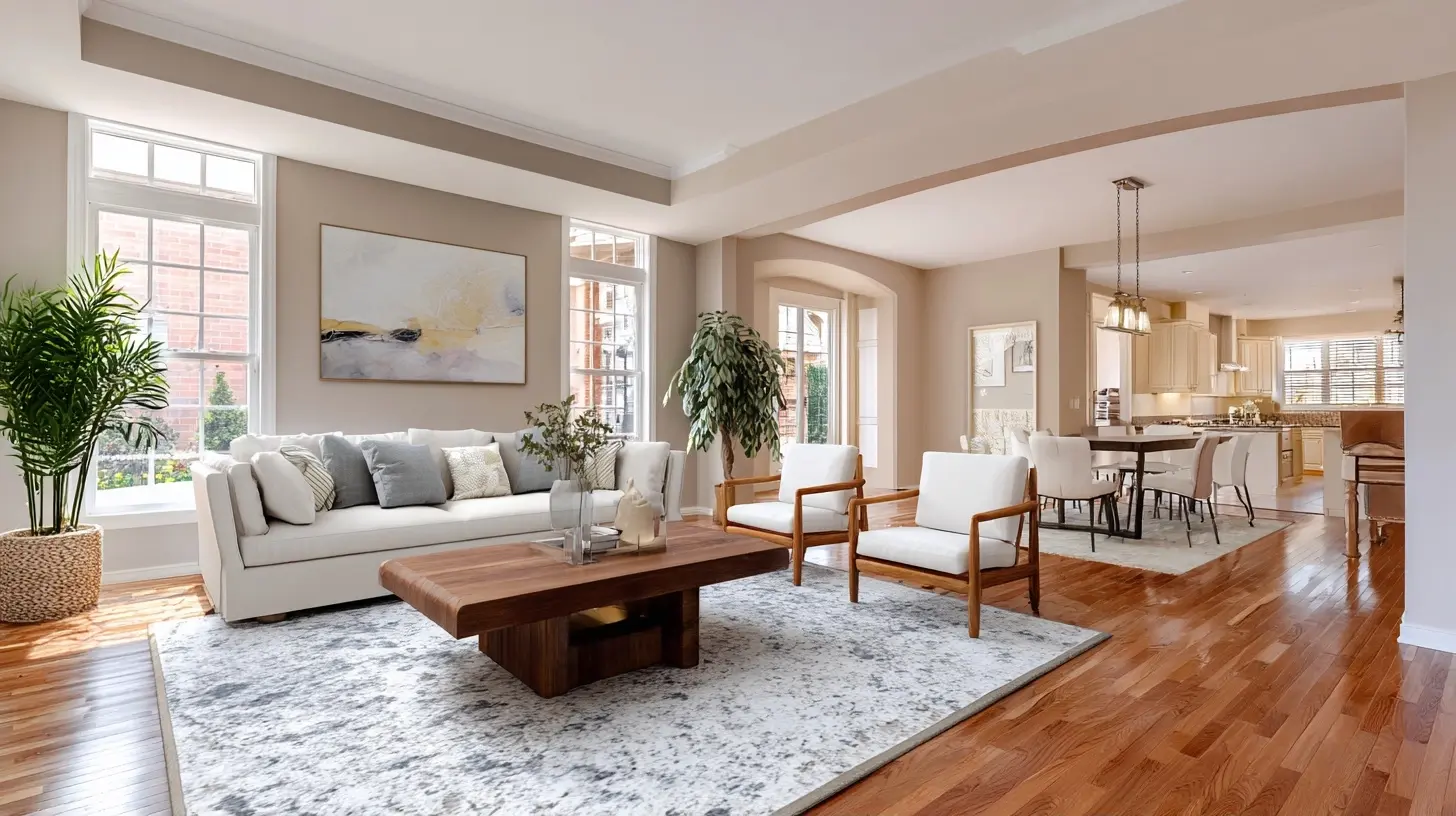
Why Virtual Staging Works: The Psychology of the Empty Room
To understand why virtual staging works, you need to step into the buyer's brain for a moment. An empty room is a blank canvas, and for most people, a blank canvas is intimidating. They cannot visualize where the sofa goes, how big a bed will fit, or whether their dining table will block the walkway.Real estate agents have known this forever. That is why they used to insist on physical staging, renting furniture, bringing in plants, and making the place look like a magazine spread. Physical staging works because it provides scale, context, and emotional warmth. But it costs anywhere from 500 to 2,500 dollars per month, and it requires coordination, storage, and often a cleaning crew.
Virtual staging replicates the visual benefits of physical staging at a fraction of the cost, usually 50 to 150 dollars per room. But it does something else that physical staging cannot do. It allows the seller to show multiple lifestyle options for the same room. A spare bedroom can be presented as a home office in one photo and a guest room in another. That flexibility is powerful because different buyers are looking for different things.
The 2027 data supports this. Listings that included at least one alternate use for a flex room received more inquiries from buyers who specifically mentioned that room in their showing feedback. That is a subtle but real signal. Buyers are not just looking at square footage. They are projecting their life onto the space, and virtual staging helps them do that faster.

The Critical Difference: Photorealistic vs. Obviously Fake
Here is where most virtual staging goes wrong, and it is the reason some sellers swear the tool is useless while others see dramatic results. The quality of the virtual staging matters more than the fact that you used it at all.In 2027, buyers are savvier than ever. They have seen thousands of listings, and they can spot a badly rendered chair from across the room. If the furniture looks like it was pasted in with a low-resolution image, if the shadows do not match the natural light, or if the perspective is slightly off, buyers instantly distrust the entire listing. They start wondering what else is being hidden.
The data from 2027 shows that listings with obviously fake virtual staging actually performed worse than completely vacant listings. They received fewer showing requests and more negative comments in agent feedback. This is a critical point. Virtual staging is not a shortcut. It is a craft.
Professional virtual staging services employ graphic designers who understand perspective, lighting, and interior design. They use high-resolution furniture libraries and carefully match the color temperature of the room. A good virtual staging image is nearly indistinguishable from a physical staging photo. That is the standard you need to demand from your service provider.
If you are considering doing it yourself with a cheap app, stop. You will likely do more harm than good. The 2027 data is clear that amateur virtual staging is a net negative for most listings.
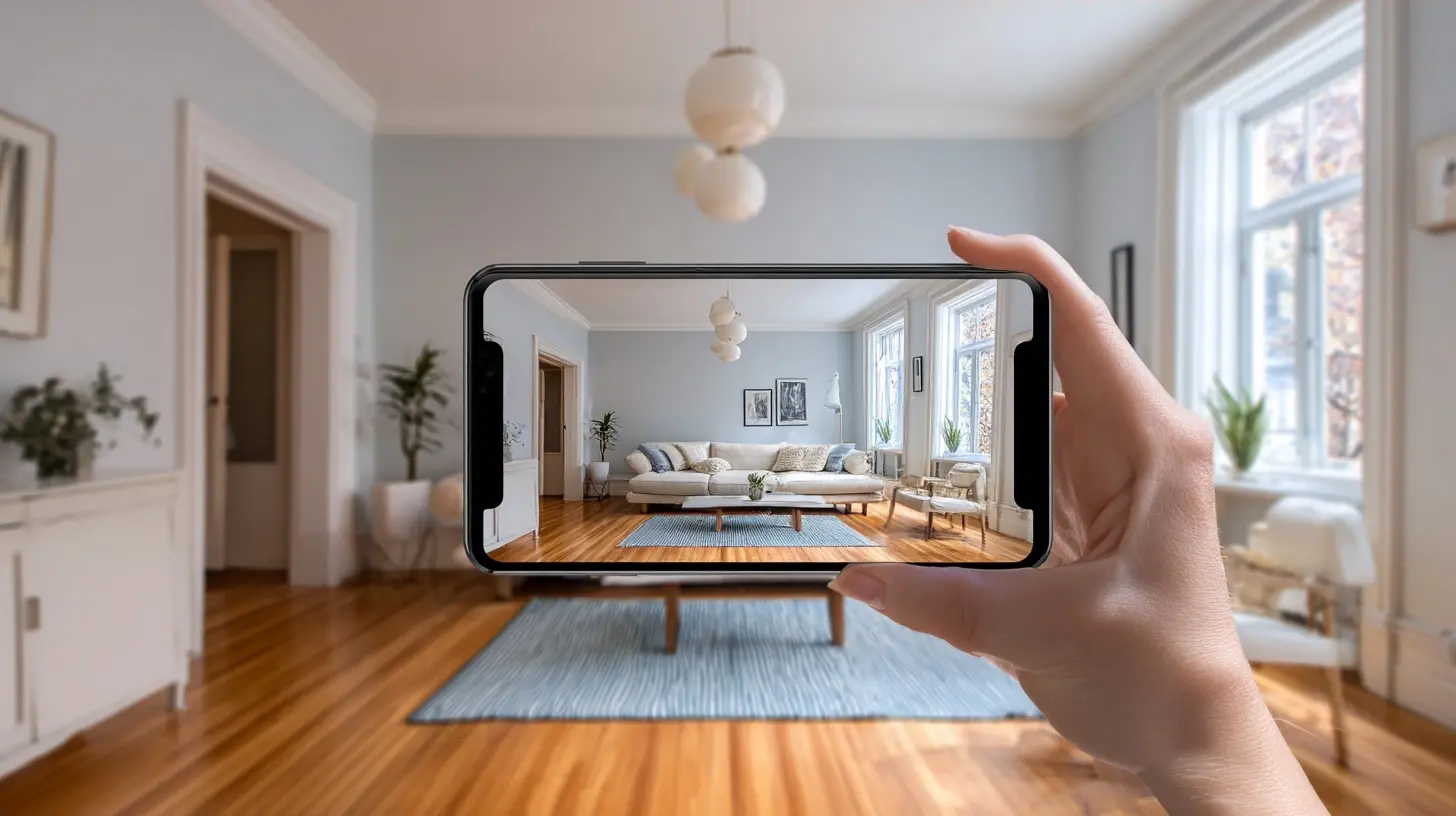
When Virtual Staging Makes Sense: The Sweet Spots
Not every listing needs virtual staging, and the data shows that using it indiscriminately is wasteful. Here are the specific scenarios where virtual staging has the strongest impact.Vacant Properties in Competitive Price Ranges
If the home is completely empty and priced in the middle of the market, virtual staging is almost mandatory. These buyers are often first-time homeowners or young families who lack the imagination to see past bare walls. They need help visualizing furniture placement, especially in rooms with awkward dimensions.Condos and Small Homes
Small spaces are notoriously difficult to photograph. A 900-square-foot condo can look cramped and dark in photos, even if it feels fine in person. Virtual staging can help by using appropriately scaled furniture and lighter color palettes to make the space feel larger. The 2027 data shows that small homes with virtual staging received more showings per week than their vacant counterparts, largely because the photos did not immediately turn off buyers who were filtering by square footage.Rooms with Odd Layouts
Split-level living rooms, long narrow kitchens, or bedrooms with sloped ceilings confuse buyers. Virtual staging can demonstrate how to use these awkward spaces effectively. For example, a sloped-ceiling bedroom can be shown with a low-profile platform bed and built-in storage, which reassures buyers that the space is usable.Investment Properties and Flips
Investors who are flipping homes often skip physical staging to save money. Virtual staging gives them the same visual appeal without the logistics. This is especially effective for online auctions and off-market deals where buyers are making decisions based primarily on photos.When Virtual Staging Does Not Help: The Hard Truth
Now for the part that most virtual staging companies do not want you to read. There are situations where virtual staging is a waste of money, and in some cases, it actively hurts your chances of selling.Luxury Homes with Architectural Significance
If you are selling a high-end property with unique architectural details, custom millwork, or stunning views, virtual staging can cheapen the presentation. Buyers in this segment are not looking for furniture suggestions. They are looking for the bones of the house. The 2027 data from luxury markets shows that high-end buyers actually responded better to professionally photographed empty spaces, because it allowed them to see the craftsmanship without visual clutter.Homes That Need Major Repairs
Virtual staging cannot hide a cracked foundation, a leaking roof, or outdated electrical panels. If the home has significant deferred maintenance, staging it beautifully is almost deceptive. Buyers will walk in, see the real condition, and feel misled. That negative emotional response can kill a deal faster than an honest listing that shows the flaws and prices accordingly.Overpriced Listings
This is the sneaky one. If your price is 10 percent above market value, virtual staging will not save you. In fact, it might make things worse. The staging attracts more attention, which means more showings, which means more buyers who realize the price is too high. You end up with a stale listing that has a lot of views but no offers. The data shows that overpriced staged homes often sit longer than overpriced vacant homes, because the disappointment factor is higher.Rooms That Are Already Staged
If you have your own furniture in the home, do not replace it with virtual staging. Your real furniture, even if it is not designer quality, provides authenticity. Buyers can see how a real person lives in the space. Virtual staging on top of real furniture looks confusing and often comical. Remove the real furniture first, then consider virtual staging for the empty rooms only.
The Cost-Benefit Analysis: Is It Worth the Money?
Let us talk dollars and cents. Professional virtual staging in 2027 typically costs between 75 and 150 dollars per image, depending on the complexity and the turnaround time. A typical listing might need 10 to 15 staged images. That puts the total cost between 750 and 2,250 dollars.Compare that to physical staging, which runs 500 to 2,500 dollars per month, plus delivery and pickup fees, plus the risk of damage to the home. For a home that might sit on the market for 60 to 90 days, physical staging can easily cost 3,000 to 7,000 dollars.
So virtual staging is significantly cheaper. But is it worth it? The 2027 data suggests that the return on investment is positive only if you account for the time savings. If virtual staging helps you sell 10 days faster, and your carrying costs (mortgage, utilities, taxes) are 100 dollars per day, then you have saved 1,000 dollars. Subtract the 1,500 dollars you spent on virtual staging, and you are actually down 500 dollars.
However, if virtual staging helps you sell 30 days faster, you save 3,000 dollars in carrying costs, which more than covers the staging expense. The key variable is how quickly the home would have sold anyway. In a hot seller's market where homes are getting multiple offers in a week, virtual staging is unnecessary. In a balanced or slow market, it can be the difference between a 45-day sale and a 90-day sale.
Best Practices for Virtual Staging in 2027
If you have decided that virtual staging makes sense for your listing, here are the best practices that the data and top agents agree on.Always Disclose That the Staging Is Virtual
This is not just an ethical recommendation. In many states, it is a legal requirement. The National Association of Realtors and most state real estate commissions require that virtually staged photos be clearly labeled as such. The 2027 data shows that disclosure does not reduce buyer interest. In fact, it builds trust. Buyers appreciate honesty, and they are more forgiving of a staged image when they know it is not real.Stage Every Main Room Consistently
Do not stage the living room and leave the dining room empty. Inconsistent staging confuses buyers and makes the listing feel disjointed. Stage all the main living areas, the primary bedroom, and at least one secondary bedroom. Leave bathrooms and kitchens mostly alone, except for small touches like a fruit bowl or a coffee maker on the counter.Match the Furniture Style to the Home's Architecture
A mid-century modern home should not have Victorian furniture virtually placed in it. A farmhouse should not have sleek Italian leather sofas. The virtual staging should feel like a natural extension of the home's character. Buyers are not fooled by mismatched styles, and it signals that the seller did not care enough to get the details right.Use Realistic Furniture Sizes
This is the most common mistake in amateur virtual staging. Designers will place a massive sectional in a small living room because it looks impressive in the catalog image. But when the buyer shows up with a tape measure, they realize their own furniture will not fit, and they feel cheated. Use furniture that is appropriately scaled for the room dimensions.Do Not Overdo the Decor
A few well-chosen accessories are fine. A rug, some pillows, a plant, a piece of art. That is enough. Do not fill the room with dozens of objects, bookshelves full of knickknacks, and elaborate window treatments. The goal is to help buyers see the potential, not to create a fantasy that cannot be replicated.Get a Second Opinion
Before you publish the staged photos, ask someone who does not know the home to look at them. Ask them if anything looks off. If they squint or say "something feels weird," the staging is not good enough. Redo it.
Common Misconceptions That Cost Sellers Money
Let me clear up a few myths that seem to persist no matter how much data we collect.Myth: Virtual Staging Works for Every Room
No. It works best for living rooms, dining rooms, and bedrooms. It does not work well for kitchens, bathrooms, or outdoor spaces. Trying to virtually stage a kitchen with new cabinets or a bathroom with a freestanding tub crosses the line into "virtual renovation," which is misleading and often illegal to present as the current state of the home.Myth: Virtual Staging Can Replace Professional Photography
No. Virtual staging is applied on top of professional photos. If your base photos are dark, blurry, or poorly composed, no amount of digital furniture will save them. You still need a professional photographer who understands real estate lighting and wide-angle lenses. The 2027 data shows that listings with poor base photography and virtual staging performed worse than listings with good base photography and no staging at all.Myth: Buyers Will Be Angry If They Find Out
The data says otherwise. In post-sale surveys, buyers who purchased virtually staged homes reported that they understood the purpose and did not feel deceived, as long as the staging was clearly labeled and the home itself was in good condition. The anger only appears when the staging is undisclosed and the home does not match the photos.Myth: Virtual Staging Is Only for Cheap Homes
This is completely false. Virtual staging is used on multi-million dollar properties all the time. The difference is that luxury homes require more subtle staging, often with high-end furniture pieces and minimal accessories. The cost per image is the same, but the design quality needs to be significantly higher.The Future: What 2028 and Beyond Might Look Like
The 2027 data gives us a clear picture of where this technology is heading. Virtual staging is becoming more integrated with virtual tours and 3D walkthroughs. Buyers can now toggle between an empty room and a staged room during the same tour. That interactive element is powerful because it gives buyers control over their viewing experience.We are also seeing the rise of augmented reality tools that let buyers virtually place their own furniture into a listing. Some forward-thinking agents are already offering this as a premium service. The 2027 data suggests that listings with interactive AR features received more serious inquiries from qualified buyers, because those buyers had already mentally moved in.
However, there is a cautionary note in the data. As virtual staging becomes more realistic, the risk of buyer disappointment increases. If every listing looks like a designer showroom, buyers will start to discount the photos entirely. The antidote is transparency and balanced presentation. Show the home honestly, use staging to highlight potential, and never overpromise.
Practical Steps for Sellers: What to Do Next
If you are preparing to list your home in 2027, here is a practical checklist for using virtual staging effectively.First, get your professional photos taken before you do anything else. Review them carefully. If the home is vacant and looks cold, virtual staging is likely a good investment. If the home has your furniture in it and looks decent, skip the virtual staging and focus on decluttering and depersonalizing.
Second, choose a reputable virtual staging service with a portfolio that matches the style of your home. Ask for samples of rooms similar to yours. Check the reviews, but also ask for references from agents who have used the service recently.
Third, clearly communicate with your agent about which rooms to stage and what style to use. Provide photos of the actual rooms and any architectural details that should not be covered up.
Fourth, ensure that the final images are labeled as virtually staged. This should appear in the photo caption and in the agent's remarks on the MLS.
Finally, monitor the response. If you are getting showings but no offers, the problem is likely the price, not the staging. If you are getting no showings at all, the staging might be too aggressive or the photos might not be representing the home well.
The Bottom Line
Virtual staging is not a magic wand. It is a professional tool that, when used correctly, can help you sell faster by capturing attention and helping buyers visualize the potential of your home. The 2027 data is clear that it works best for vacant homes in competitive markets, when done by professionals and clearly disclosed.It will not fix an overpriced listing, hide structural problems, or replace good photography. But for the right home, in the right market, with the right execution, virtual staging can shave weeks off your selling timeline and get you to the closing table with less stress and fewer carrying costs.
The key is to treat it as what it is: a marketing strategy, not a renovation. Use it to show buyers what could be, but never let it obscure what actually is. When you get that balance right, virtual staging is one of the most cost-effective tools in the modern seller's toolkit.
all images in this post were generated using AI tools
Category:
Virtual StagingAuthor:

Mateo Hines
Discussion
rate this article
2 comments
Elise Powell
Virtual staging is not just a trend; it's a game changer. With 2027 data showing quicker sales for virtually staged homes, this tool transforms empty spaces into buyer magnets. If you're not using it, you're missing out on a smart marketing edge.
September 15, 2026 at 4:41 AM
Elizabeth McWhorter
This article offers valuable insights into the impact of virtual staging on property sales. The 2027 data highlights its effectiveness, making a strong case for homeowners to consider this innovative approach. It's fascinating to see how technology continues to shape the real estate market.
September 8, 2026 at 10:39 AM
Mateo Hines
Thanks for reading! I'm glad you found the insights valuable. It's exciting how technology is transforming real estate.