Commercial Real Estate: What Future Leasing Trends Could Bring
17 December 2025
Let’s rewind a little—remember walking into towering office buildings bustling with suits, coffee cups in hand, and water cooler chatter echoing down the halls? Now fast forward. It’s 2024, and those same buildings? Some are half-empty, others reinvented, and many—completely transformed.
Commercial real estate is undergoing a shift, the kind we haven’t seen in decades. And the big question that’s rattling investors, brokers, and tenants alike is: What could the future hold for leasing in this ever-evolving market?
Buckle up—because the landscape’s not just changing—it’s morphing. We’re diving headfirst into the mysterious and thrilling world of future leasing trends in commercial real estate. And trust me, it's nothing like it used to be.

The Old Lease is Dead—Long Live the Flexible Lease
Gone are the days when tenants would sign a 10- to 20-year lease like it was a marriage contract. Today? Commitment is out, flexibility is in.Why Are Long-Term Leases Losing Their Shine?
Post-pandemic uncertainty, economic flux, and hybrid work have made businesses wary of locking into long-term commitments. Think about it—would you sign a decade-long lease if your workforce is going remote three days a week?Flex leases act like a “choose your own adventure” book. They’re shorter, often customizable, and offer room for growth—or shrinkage. Companies aren’t just looking for office space anymore—they’re looking for agile solutions.
Coworking 2.0: The Rise of Space-as-a-Service
We’re not just talking WeWork anymore. Space-as-a-Service is the new black. Landlords are flipping the model on its head, offering plug-and-play environments with everything from premium coffee to podcast studios.Think of it like the Netflix of office space—subscription-style, on-demand, no strings attached.

Smart Buildings: The Lease that Talks Back
Imagine this: a building that knows when conference rooms are unused, adjusts the lighting based on occupancy, or reduces HVAC use depending on outdoor weather. Sounds futuristic, right? Well, it’s already happening.Welcome to the Era of Proptech
Proptech (property technology) is weaving its way into the fabric of commercial leasing. Sensors, AI, IoT—these aren’t buzzwords anymore—they’re part of the lease package.And tenants love it. Why? Because real-time data helps reduce operational costs, increase productivity, and boost sustainability scores. Plus, landlords can use it to optimize leasing strategies and provide better tenant experiences.
Digital Twins and Predictive Maintenance
Ever heard of digital twins? They're virtual replicas of physical spaces, and they’re used to simulate and predict how a building will act under certain conditions. It’s like having a crystal ball for property managers.Layer in predictive maintenance (where tech alerts you before something breaks), and suddenly your lease is smarter than your smartphone.

ESG and Green Leasing: The Market's New MVP
Remember the days when sustainability was a “nice-to-have”? Those are over. Now, being green is a prerequisite, and Environmental, Social, and Governance (ESG) goals are influencing leasing decisions more than ever.Green Leasing: What’s the Deal?
A green lease is a standard lease with added clauses that align landlord and tenant goals on sustainability. It ensures both parties work together to save energy, reduce emissions, and promote sustainable operations.From solar panels to recycled materials, tenants are choosing buildings that reflect their values.
And here’s the kicker: green buildings often fetch higher rents and attract better tenants. So it’s not just good for the planet—it’s great for business.
The New Tenants in Town: Non-Traditional Occupiers
Ten or fifteen years ago, commercial leasing was all about corporate offices, retail stores, and industrial warehouses. Now? The playing field is wide open.Life Sciences and Biotech
These industries are booming—and they need super-specialized spaces. This means high-tech labs, sterile environments, and loads of compliance. Leasing to a life sciences company isn’t like leasing to an ad agency—there’s a whole new rulebook, and landlords are racing to learn it.Ghost Kitchens and E-commerce Warehouses
Retail took a hit, but e-commerce exploded. With it came a demand for micro-warehouses, dark stores, and ghost kitchens (yep, restaurants that only exist on delivery apps).These tenants don’t want Main Street visibility—they want fast logistics and smart design. It's a new breed of leasing that values square footage in unconventional spaces.
Pop-Ups and Experience-Based Leasing
Short-term retail isn’t just for holiday seasons anymore. Brands are testing markets through pop-ups, immersive experiences, and AR/VR-enhanced spaces.Leases are being written to be as nimble as the brands themselves.
Mixed-Use Spaces: The Rise of the 15-Minute City
Imagine living, working, shopping, and relaxing—all within 15 minutes of home. Sounds like a utopian dream? It’s actually part of a growing urban planning trend.What It Means for Leasing
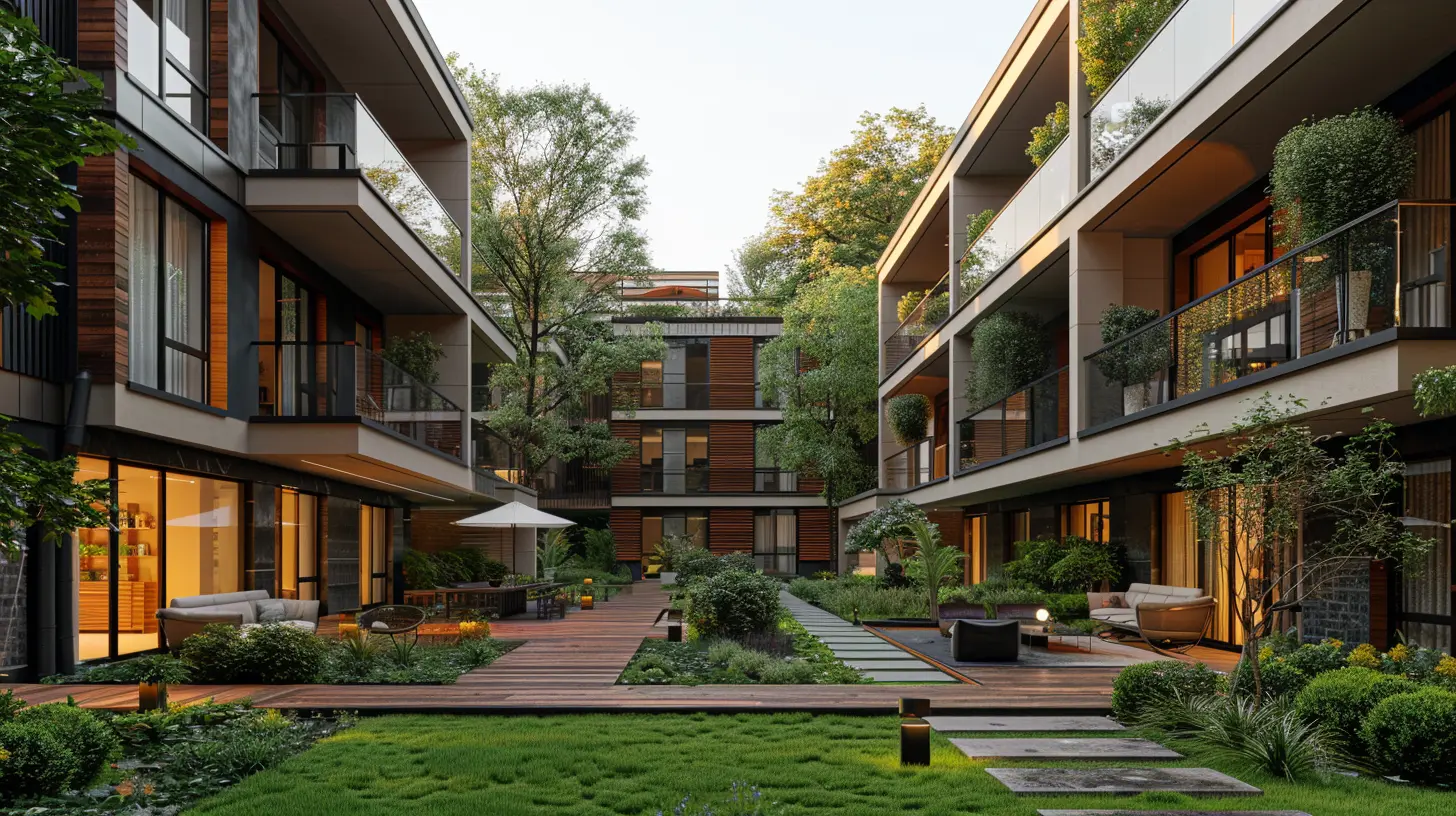
Commercial leases are starting to blur the lines with residential, retail, and even recreational leases. Developers are bundling everything together in one mega-destination.This integrated approach means tenants and their landlords must think beyond traditional boundaries. A café downstairs might share space with co-working upstairs and apartment units above.
It’s not just about filling square footage anymore—it’s about creating community.
Lease Structuring Gets Creative
As the market shifts, so do lease structures. It's not just rent and term anymore—today’s leases come with bells, whistles, and a few escape hatches.Revenue Sharing and Performance-Based Leases
Rather than charging a flat rate, landlords are starting to share in the tenant’s success. Performance-based leases link rent to things like sales volume or foot traffic.It’s a bit like betting on your tenant—but with the promise of bigger returns.
Pandemic and Force Majeure Clauses
After 2020 blindsided everyone, tenants got a lot smarter about contingency planning. Expect to see pandemic clauses, health safety obligations, and government shutdown protections baked into future leases.Leases are becoming living documents—ready to flex in uncertain times.
The Role of AI in Lease Analytics
Let’s not forget the back-end. Lease management used to be a pile of PDFs in some dusty file cabinet. Now? AI-powered analytics parse lease terms, track renewal dates, flag risk areas, and even offer rent benchmarks.Smarter Leasing Decisions
AI helps investors evaluate portfolios and spot underperforming assets. For tenants, it simplifies portfolio management—especially if they have locations across multiple cities or countries.It’s like having a financial advisor, legal analyst, and market researcher—all rolled into one platform.
The Human Element: Still Irreplaceable
With all this tech talk, you might be wondering—what about the people?Human connection still matters. Yes, businesses are leaning into digital leasing, virtual tours, and smart contracts—but relationships drive deals. Agents, brokers, and property managers are adapting, not disappearing.
In fact, the new leasing landscape requires more consultants than ever—just with different toolsets. The handshake may be virtual, but trust remains the currency.
Final Thoughts: A World of Possibility
So where does that leave us?In a word: evolving.
Commercial real estate leasing is stepping into a new era. One where flexibility is king, sustainability is non-negotiable, and technology is the silent partner in every deal.
If you’re a landlord, the message is clear—adapt or risk vacancy. If you’re a tenant, leverage this moment to get more than just space—get value, agility, and alignment with your brand.
And if you’re an investor? Keep your eyes wide open… the next big opportunity might be hiding in an under-leased, under-loved property just waiting for a second act.
After all, in this mysterious and thrilling game of future leasing, the only constant—is change.
all images in this post were generated using AI tools
Category:
Real Estate ForecastAuthor:

Mateo Hines
Discussion
rate this article
2 comments
Selina McGhee
Future leasing trends in commercial real estate will likely focus on flexibility, sustainability, and tech integration.
December 28, 2025 at 5:01 AM
Mateo Hines
Thank you for your insight! Flexibility, sustainability, and tech integration are indeed crucial trends shaping the future of commercial real estate leasing.
Zadie Romero
Will the future of leasing reveal hidden opportunities or unexpected challenges? Only time will tell.
December 19, 2025 at 11:44 AM
Mateo Hines
Absolutely, the future of leasing in commercial real estate will likely uncover both new opportunities and unforeseen challenges as market dynamics evolve.