Common Home Inspection Mistakes Buyers Should Avoid
6 February 2026
Buying a home is an exciting yet nerve-wracking process, isn't it? You’ve searched high and low, finally found the perfect place, and now you’re about to seal the deal. But hold up—before you rush into signing those papers, there’s one crucial step you can’t overlook: the home inspection.
A home inspection is like a deep dive into the health of your prospective home. It helps uncover hidden issues that could cost you a fortune down the road. Unfortunately, many buyers make mistakes during this process that could lead to major regrets later.
To make sure you don’t fall into the same trap, let’s go over the most common home inspection mistakes buyers should avoid.
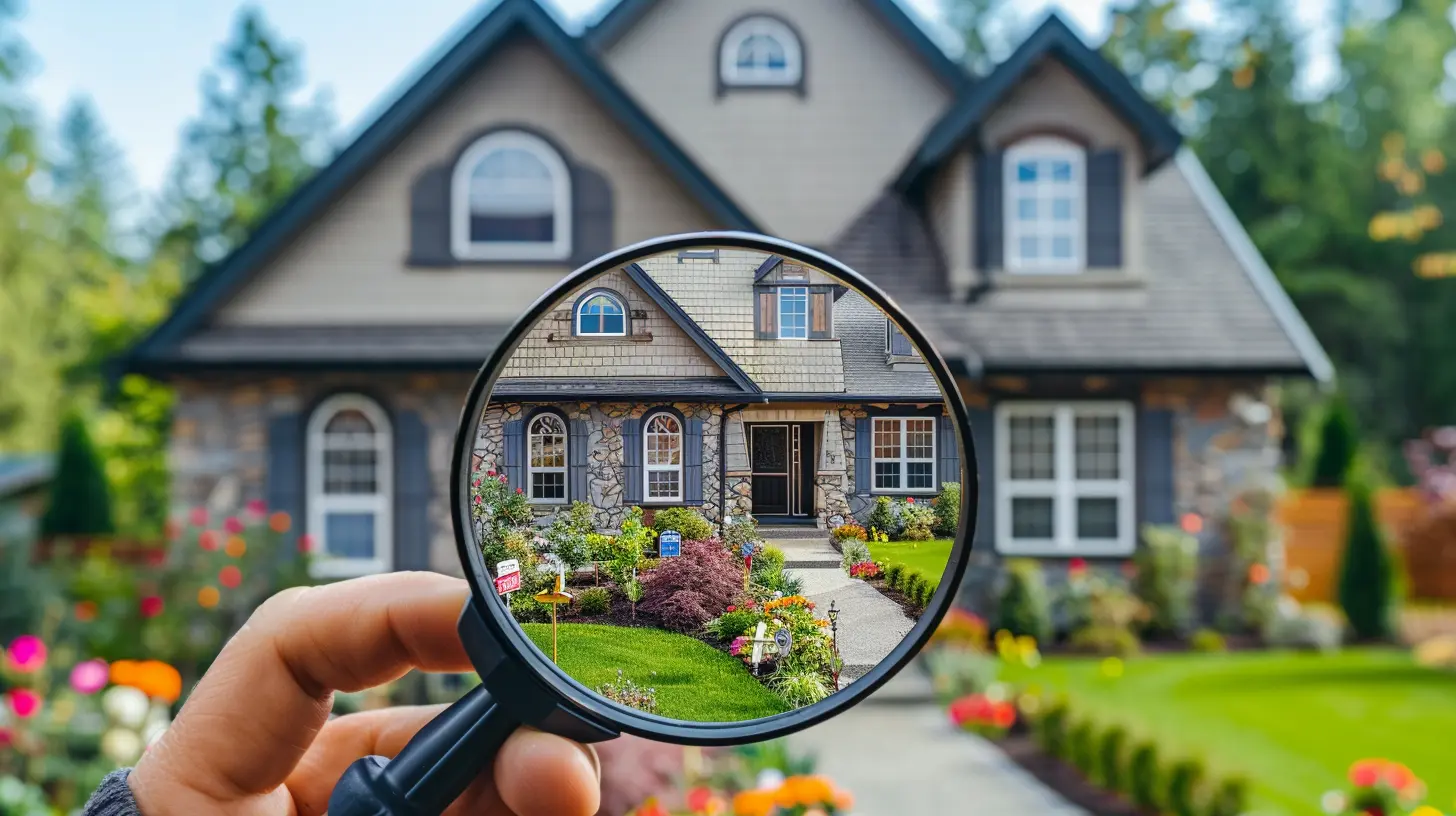
1. Skipping the Home Inspection Altogether
Believe it or not, some buyers, especially in competitive markets, waive the home inspection to make their offer more attractive. Bad move! Even if the house looks flawless, there could be underlying problems—mold, structural issues, bad wiring—that aren’t visible to the untrained eye.A home inspection is like a medical check-up for a house. Would you buy a used car without having a mechanic look at it first? Of course not! The same logic applies when purchasing a home.
2. Hiring the Wrong Home Inspector
Not all home inspectors are created equal. Some are more thorough than others, and some may lack the credentials to adequately assess the property. Choosing the cheapest inspector or hiring someone without checking reviews is a big mistake.So how do you find a good one?
- Look for certified inspectors with a solid reputation.
- Check online reviews and ask for recommendations.
- Ensure they have experience inspecting homes similar to the one you’re buying.
You wouldn’t trust just anyone to diagnose a health problem, right? Treat your home purchase with the same level of care.
3. Not Attending the Inspection
This one’s a head-scratcher. Why wouldn’t you show up for a home inspection that could impact your biggest investment? Some buyers assume reading the inspector's report is enough. But attending the inspection allows you to see issues firsthand, ask questions, and get a better understanding of potential problems.Think of it like watching a movie versus just reading the summary. Wouldn’t you rather get the full experience?
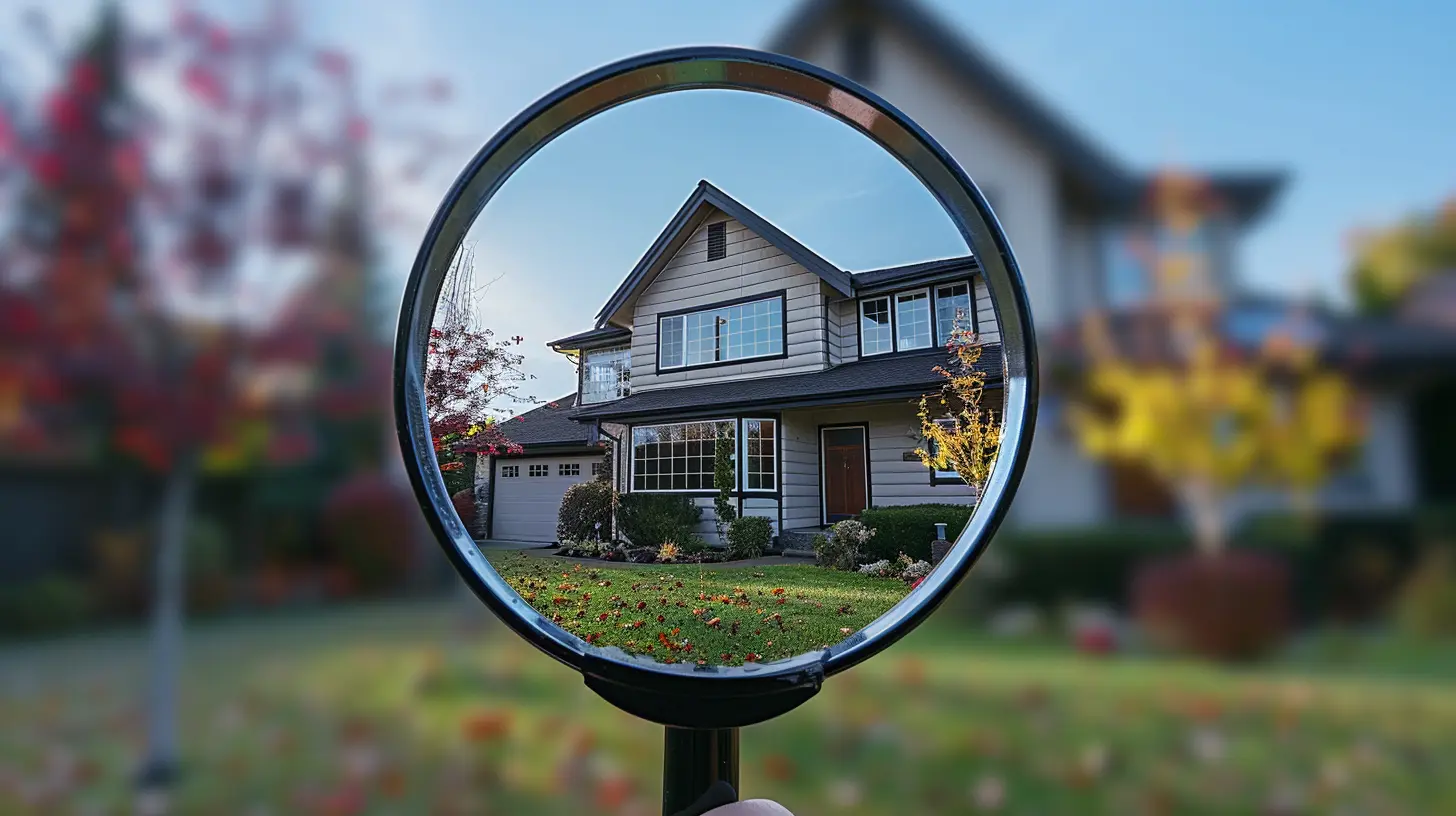
4. Not Asking Enough Questions
Home inspections can feel overwhelming, especially with all the technical jargon inspectors use. But don’t just nod along—ask questions! If something doesn’t make sense, get clarification.Some good questions to ask your inspector:
- How serious is this issue?
- What repairs are urgent, and what can wait?
- How much might these repairs cost?
- Can you recommend specialists for further evaluation?
A home inspection isn’t just about uncovering problems—it’s an opportunity to learn about your potential new home.
5. Focusing Only on Major Issues
Sure, foundation cracks and a failing roof are major red flags, but smaller issues can add up, too. Minor problems like leaky faucets, poor drainage, or outdated electrical wiring might seem harmless initially, but they can turn into big expenses over time.Make sure to review all the findings in the inspection report, not just the glaring problems. Would you ignore a small leak in your car’s engine? Probably not, because you know it could turn into a bigger problem later. The same applies here.
6. Letting Cosmetic Issues Distract You
Sometimes, buyers panic when they see peeling paint, outdated fixtures, or old carpeting. But cosmetic issues are often the easiest and cheapest to fix. What really matters are the structural and mechanical components of the home—things like plumbing, electrical systems, foundation, and roofing.Don’t let an ugly paint color or outdated appliances scare you away from an otherwise solid home. Focus on what’s underneath the surface.
7. Ignoring Pest and Mold Inspections
A standard home inspection doesn’t always include a pest or mold inspection. If your inspector recommends further evaluations, don’t brush them off. Termites, mold, and other hidden infestations can cause serious (and expensive) damage.Think of pests and mold like an iceberg—what you see on the surface might just be a small fraction of the real problem lurking below. Paying for additional inspections now could save you thousands later.
8. Failing to Read the Full Inspection Report
After the inspection, you’ll receive a detailed report outlining all the findings. Some buyers skim through it, focusing only on the summary. Big mistake! The full report often contains crucial details about minor issues that could become major problems.Take the time to go through everything carefully. If something isn’t clear, ask your inspector to explain it in layman’s terms. You don’t want any surprises after moving in!
9. Overlooking Future Maintenance Costs
A home might pass inspection with flying colors, but that doesn’t mean it won’t require maintenance soon. HVAC systems, water heaters, roofs, and appliances all have life expectancies. If something is nearing the end of its lifespan, factor in the cost of replacement.Your home might not need immediate repairs, but planning for future upkeep will save you from financial headaches down the road.
10. Not Using Inspection Findings to Negotiate
One of the biggest benefits of a home inspection is that it gives you bargaining power. Yet, many buyers fail to use it to their advantage. If major issues come up, you can request that the seller fix them or lower the price to cover repair costs.Would you buy a car that needed immediate repairs without asking for a lower price? Probably not! The same strategy applies here. Don’t hesitate to negotiate based on the inspection findings.
11. Rushing the Inspection Process
With all the excitement of buying a home, it’s tempting to speed things up and move in as soon as possible. But rushing the inspection process can lead to oversight. Give your inspector enough time to do a thorough job, and don’t skip additional evaluations if recommended.A home purchase is one of the biggest investments you’ll ever make—patience pays off.
Final Thoughts
A home inspection is your last line of defense before committing to a property. Rushing through it or ignoring certain aspects can lead to costly mistakes. By avoiding these common errors, you’ll not only protect your investment but also gain peace of mind knowing that you’re making an informed decision.Remember, buying a home isn’t just about falling in love with a property—it’s about making sure it’s a smart and safe investment. Take the home inspection process seriously, ask questions, and don’t be afraid to negotiate. After all, your dream home should be a dream come true, not a financial nightmare.
all images in this post were generated using AI tools
Category:
Home InspectionsAuthor:

Mateo Hines
Discussion
rate this article
2 comments
Poppy Adkins
Great article! Home inspections can be daunting, but your insights on common mistakes are invaluable. Being aware of these pitfalls empowers buyers to make informed decisions. It’s all about ensuring peace of mind in what is often one of life’s biggest investments. Thank you!
February 16, 2026 at 3:44 AM
Mateo Hines
Thank you for your kind words! I'm glad you found the insights helpful. Empowering buyers is important for making informed decisions.
Finnegan McClain
Inspect with keen eyes.
February 7, 2026 at 11:41 AM
Mateo Hines
Thank you! A thorough inspection is key to avoiding costly pitfalls.