Common Missteps to Avoid With Virtual Staging in Real Estate
8 June 2026
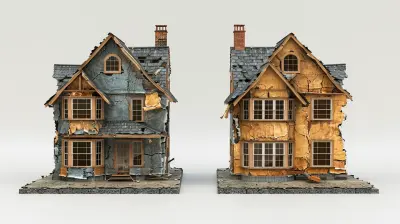
Selling a home is no walk in the park, and in today’s digital world, virtual staging has become a game-changer. It allows buyers to visualize a home's potential, making listings more attractive without the hassle and cost of traditional staging. However, not every agent or seller gets it right. In fact, many make mistakes that turn potential buyers away instead of drawing them in.
If you've been considering virtual staging for your listings, you’ll want to avoid these common missteps to ensure your properties shine in the best possible light. 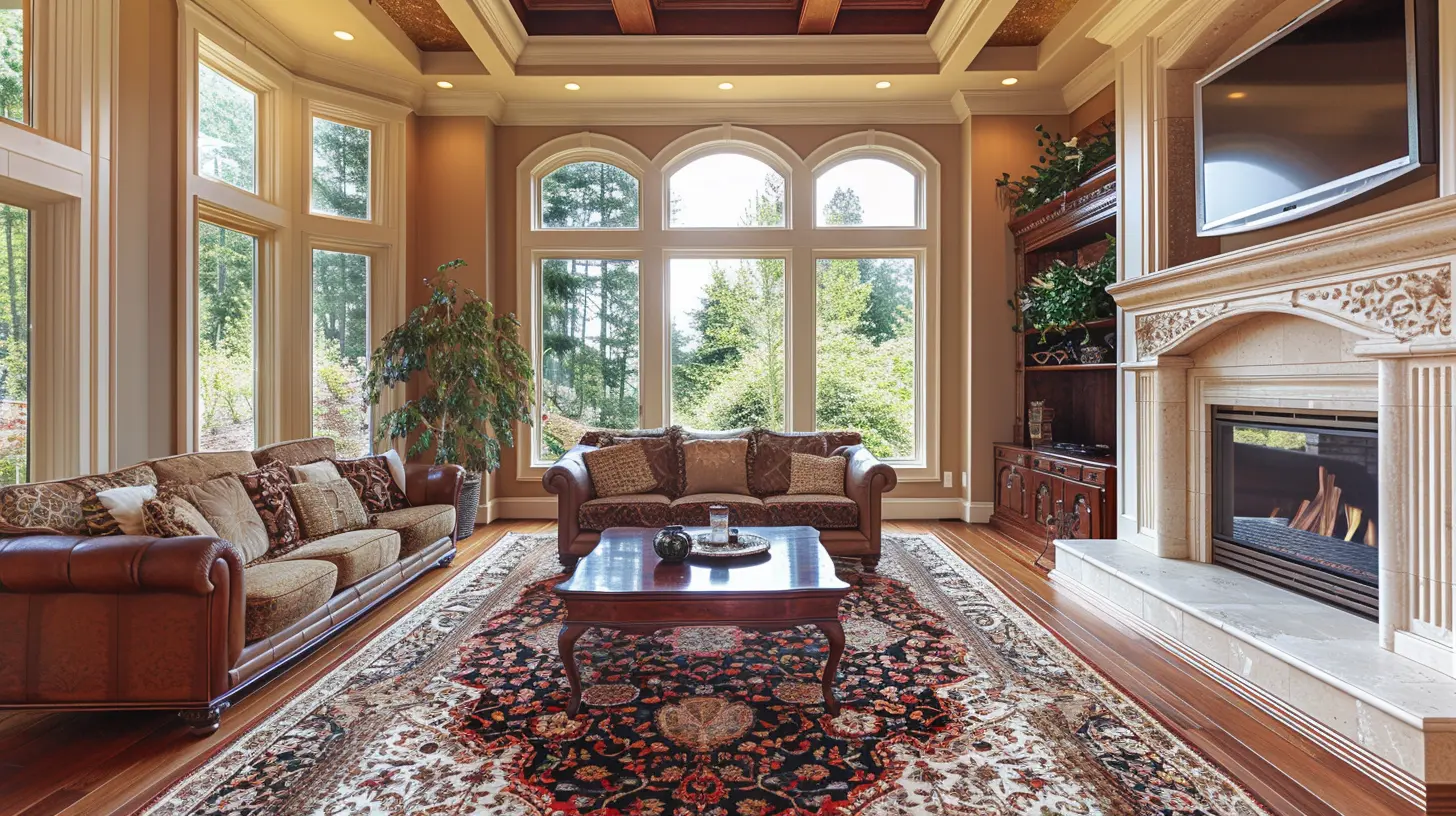
1. Making the Home Look Unrealistically Perfect
We get it—everyone loves a picture-perfect home. But when virtual staging makes a property look too flawless, it can set false expectations.Buyers don’t expect perfection, but they do want authenticity. If they walk into a property that looks vastly different from the staged photos, they may feel deceived. That’s a surefire way to lose trust and potential deals.
How to avoid this mistake:
Keep the staging realistic. Use furniture and decor that could actually fit the space and match the home’s style. Avoid polishing the images to the point where they look like a scene from a futuristic design magazine. 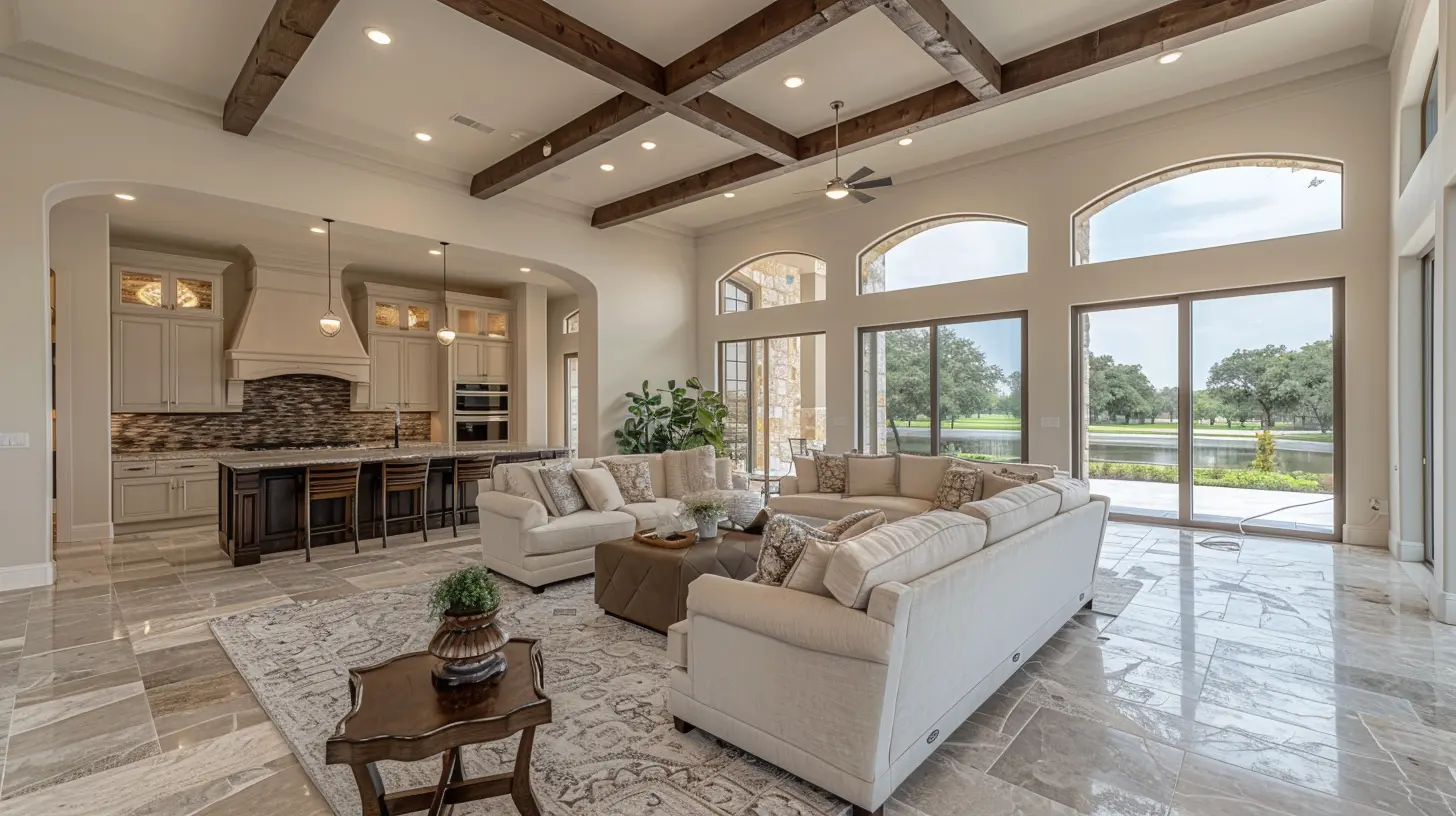
2. Using Furniture That’s the Wrong Scale
Nothing screams "bad virtual staging" like oversized or undersized furniture. Imagine a tiny studio apartment staged with a massive sectional sofa—it's just not practical!When furniture is out of scale, the room’s proportions get distorted. Instead of helping buyers visualize themselves living there, it confuses them.
How to avoid this mistake:
Work with professional virtual stagers who understand proportionality. Make sure furniture is appropriately sized in relation to the room dimensions. The goal is to illustrate what truly fits, not what looks impressive on a screen. 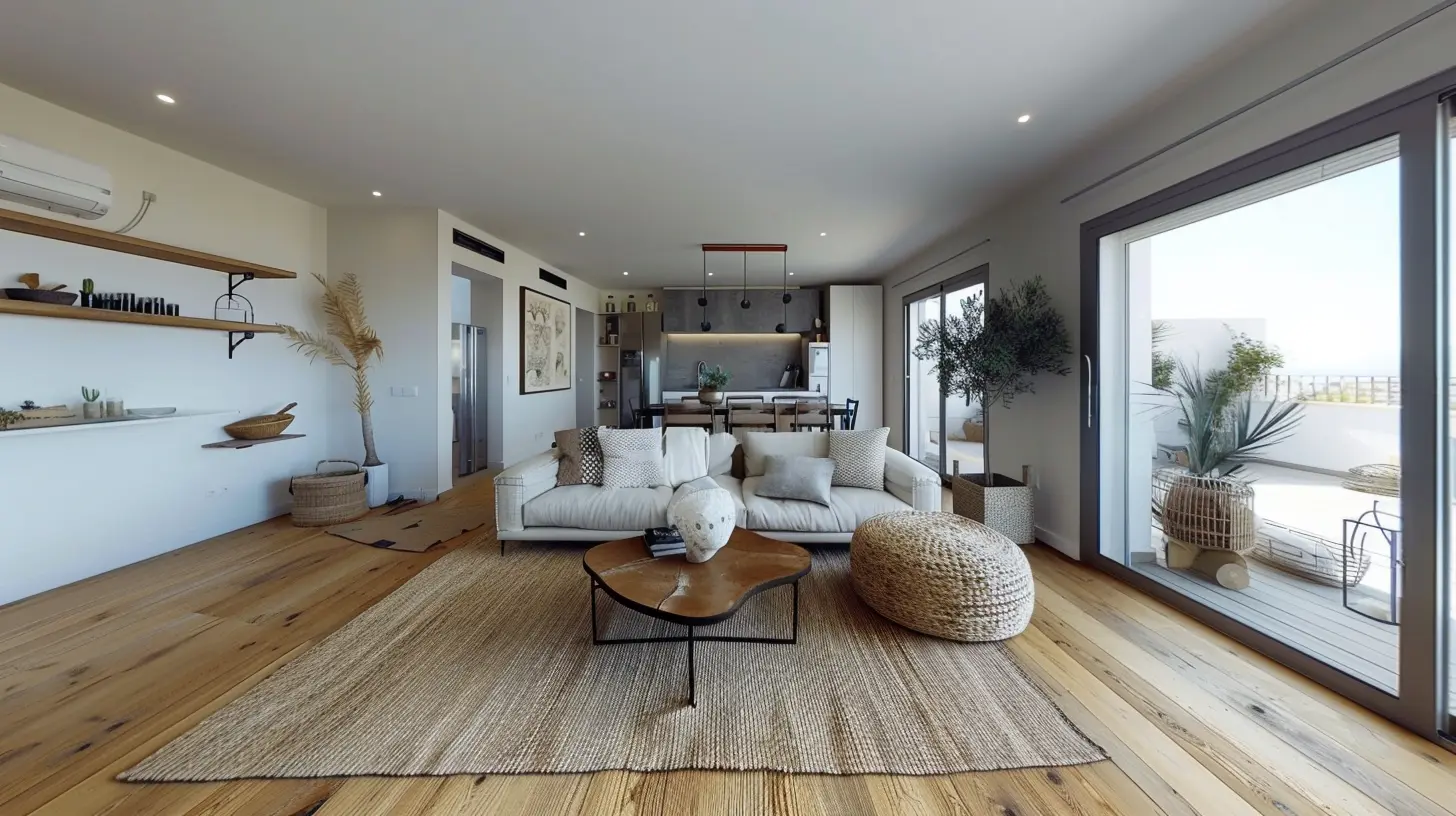
3. Overloading the Space with Decor
Minimalism is key. Sure, a few accent pieces can help bring a space to life, but overloading a room with decor can be distracting—or worse, make it feel cluttered and small.Potential buyers need to see the space, not just the furniture. If they’re too busy looking at an explosion of pillows, rugs, and wall art, they won’t focus on the room’s actual features.
How to avoid this mistake:
Stick to simple, tasteful decor. A well-placed rug, a couple of throw pillows, and some strategic lighting can do wonders without overpowering the space. Less is truly more when it comes to virtual staging. 
4. Ignoring the Target Buyer
A sleek, ultra-modern design may look stunning, but if you're selling a cozy suburban home targeting families, it might not be the best fit.One of the biggest mistakes in virtual staging is creating a design aesthetic that doesn’t align with the target buyer. A mismatch in style can make buyers feel disconnected from the home.
How to avoid this mistake:
Think about who’s likely to buy the home. A downtown condo might benefit from a modern, minimalist design, while a family-friendly neighborhood home might resonate more with warm, inviting furniture. Align staging design with the preferences of the most likely buyers.
5. Forgetting to Include an Empty or "As-Is" Photo
Virtual staging is great for giving buyers an idea of what a space could look like, but not providing an empty or real-life "before" photo can backfire.Some buyers want to see the untouched version to truly understand the potential (or limitations) of a space. If they only see staged images, they might wonder what’s being hidden.
How to avoid this mistake:
Always include at least one unedited photo of the actual space alongside the virtually staged ones. This maintains transparency and builds trust with buyers.
6. Using Outdated or Overly Trendy Furniture
Trendy designs can look stunning today, but they might feel outdated in just a few years. On the flip side, using styles that are too old-fashioned can make the property feel outdated.Buyers often have different tastes, and you don’t want to alienate them with extreme decor choices.
How to avoid this mistake:
Stick to timeless, neutral designs that appeal to a broad range of buyers. A classic, modern aesthetic with neutral tones and simple furniture is usually the safest bet.
7. Overediting or Using Poor-Quality Images
You don’t need to turn the brightness up to blinding levels or sharpen images to the point where they look unnatural. At the same time, poorly edited or low-quality images ruin the entire point of virtual staging.If buyers can tell a listing is virtually staged because of bad image quality, they might question the overall professionalism of the listing.
How to avoid this mistake:
Use high-resolution images and ensure any edits look natural. Work with experienced virtual stagers who understand the balance between enhancement and realism.
8. Not Matching Virtual Staging to the Home’s Style
Imagine walking into a charming, rustic farmhouse—only to see modern, industrial-style furniture in the listing photos. It’s jarring, right?When virtual staging doesn’t match the home's actual style, it creates a disconnect. The last thing you want is for potential buyers to feel like something is "off" when they step inside.
How to avoid this mistake:
Ensure the virtual staging complements the home’s architecture and existing features. A modern loft? Go with sleek furniture. A traditional home? Opt for warm, classic pieces.
9. Using the Same Staging for Every Listing
If all your listings look eerily similar, buyers may start to notice. Cookie-cutter virtual staging takes away the uniqueness of each home.How to avoid this mistake:
Customize the staging for each individual property. Highlight the home’s best features and pick a style that enhances them rather than relying on a one-size-fits-all approach.
10. Failing to Disclose That the Photos Are Virtually Staged
This is a controversial topic. While virtual staging helps buyers visualize a space better, failing to disclose that an image has been altered can backfire.Potential buyers may feel misled when they walk into an empty home that looked beautifully furnished online.
How to avoid this mistake:
Always label virtually staged photos as such. Transparency builds trust, and buyers will appreciate knowing what’s real versus digitally enhanced.
The Bottom Line
Virtual staging has the power to transform real estate listings, making properties feel more inviting and desirable. But when done incorrectly, it can hurt more than it helps.By avoiding these common missteps—keeping it realistic, using proportional furniture, considering the target buyer, and maintaining transparency—you can elevate your listings and attract the right buyers.
So, next time you’re virtually staging a property, ask yourself: Does this look natural, appealing, and honest? If the answer is yes, you’re on the right track to making your listing stand out for all the right reasons.
all images in this post were generated using AI tools
Category:
Virtual StagingAuthor:

Mateo Hines
Discussion
rate this article
1 comments
Zephyris Malone
Great insights on virtual staging! It's so easy to overlook the details that can make or break a listing. Your advice will definitely help agents navigate these common pitfalls and present properties more effectively.
June 10, 2026 at 2:33 AM
Mateo Hines
Thanks for the feedback! I'm glad you found the insights helpful. It's all about those crucial details that can really elevate a listing.