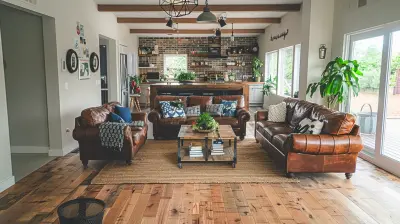
Designing Interiors Around Your Favorite Art Pieces
5 July 2026
Art has a way of speaking to the soul. Whether it’s a vibrant painting, a striking sculpture, or a delicate watercolor, the right piece of art can transform a space, making it uniquely yours. But how do you design a room around a cherished work of art without overwhelming or underplaying its beauty?
In this guide, we’ll walk you through how to let your favorite art pieces take center stage while still creating a harmonious and stylish interior.
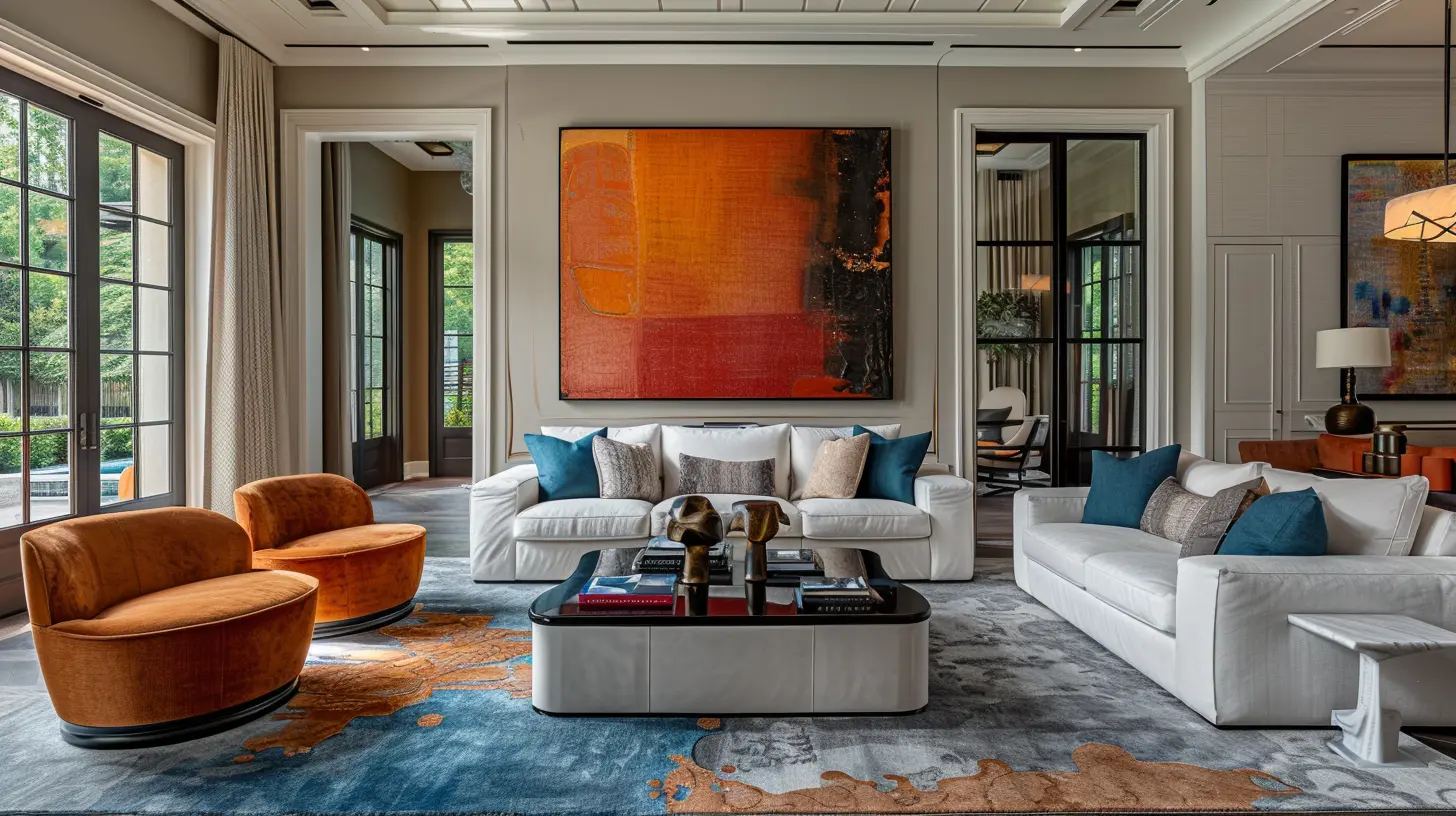
Start With the Art
When designing a space around a piece of art, the artwork should be your starting point. This isn’t just about making sure the colors match – it’s about building an entire aesthetic that complements and enhances the piece.Identify the Focal Point
Every great design needs a focal point, and your artwork should be just that. Whether it’s a bold abstract painting or an intricate sculpture, choose one main piece to be the star of the room.- If the artwork is large and dramatic, place it somewhere it can be fully appreciated, like above a sofa or on a blank wall.
- If you have a smaller piece, consider using unique framing or lighting techniques to give it more presence.
Let the Artwork Guide the Color Palette
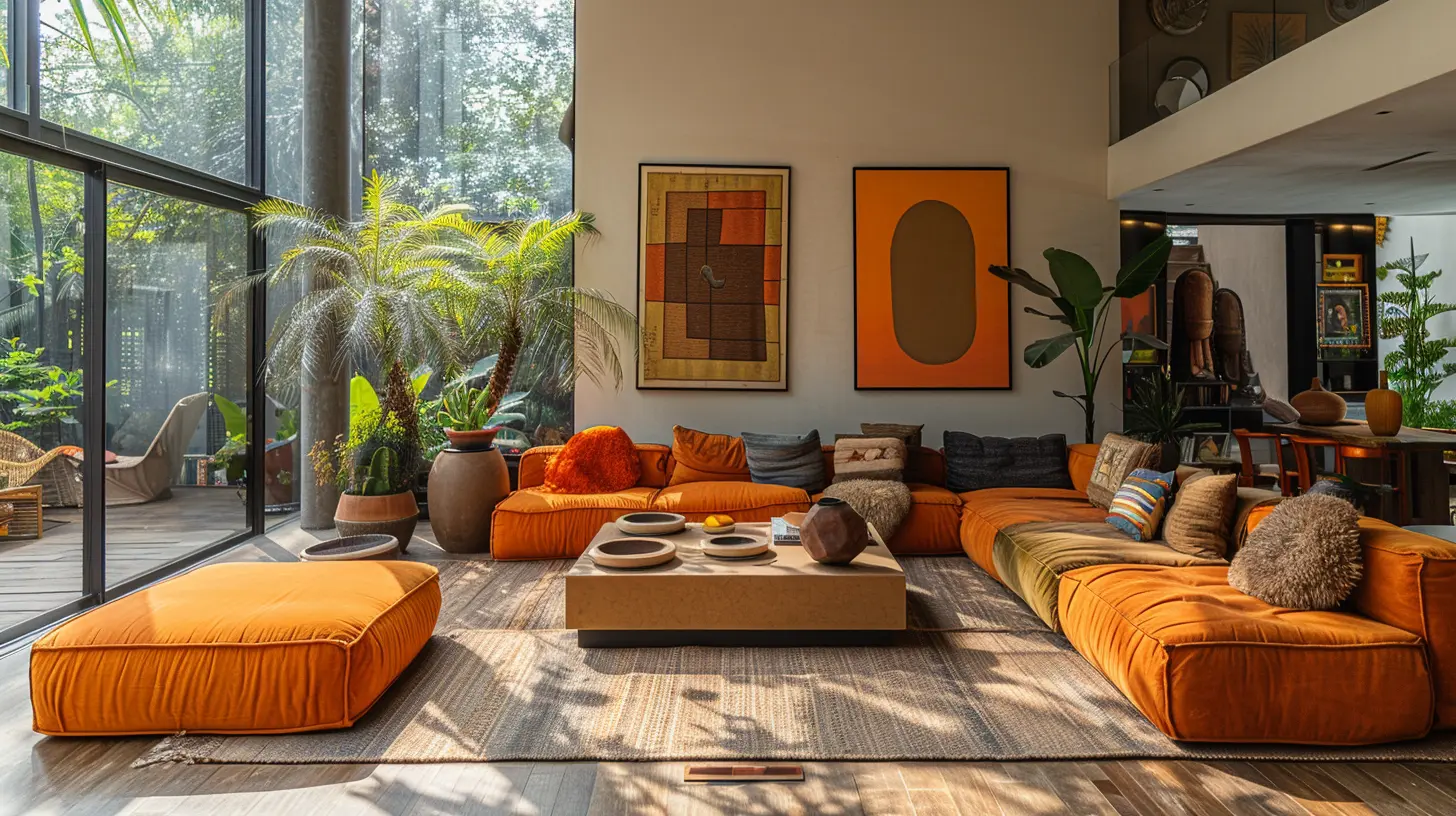
One of the easiest ways to integrate your favorite art into your space is by pulling colors from it. Look at the shades in your artwork and use them as inspiration for wall colors, furniture, and decor.- If your art is filled with warm, earthy tones, consider a neutral backdrop with pops of orange, brown, or gold.
- If your piece has cool blues and greens, soft gray or white walls can help maintain balance.
Instead of matching everything perfectly, aim for complementary hues that enhance the artwork without making the room feel monotonous.
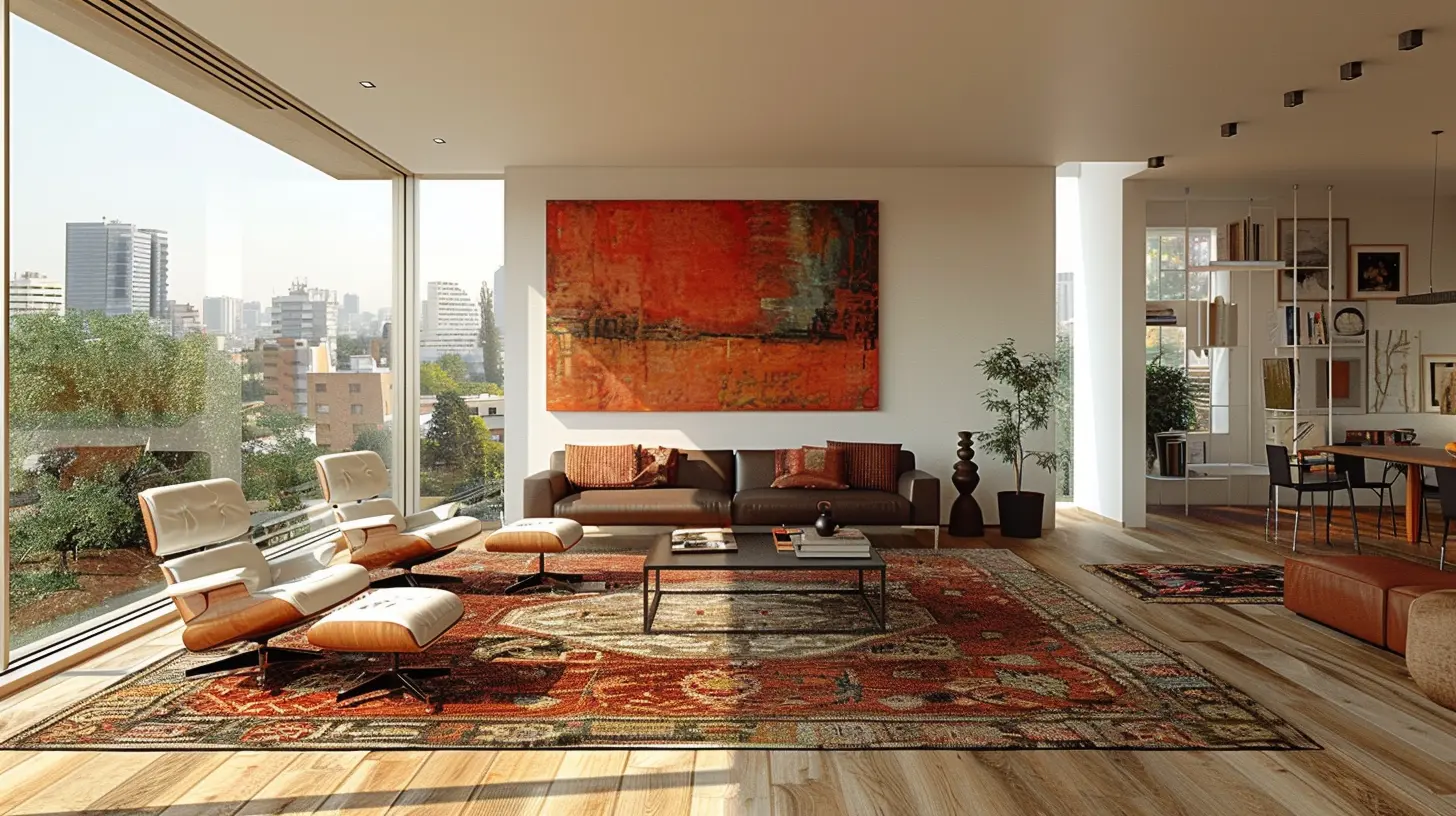
Choosing the Right Wall for Your Artwork
Where you place your art can make all the difference. To truly let your artwork shine, consider these placement tips:- Eye-Level Placement: The center of the artwork should be at about eye level (typically 57-60 inches from the floor). This ensures it’s naturally in view without straining the neck.
- Proportion to the Wall: A small piece on a large wall can feel lost, while an oversized piece in a tight space can feel overwhelming. Strike a balance that makes the piece feel intentional and proportionate.
- Gallery Walls: If you have multiple pieces that you love, consider creating a gallery wall. Keep spacing consistent, and mix frame styles and sizes for a curated look.
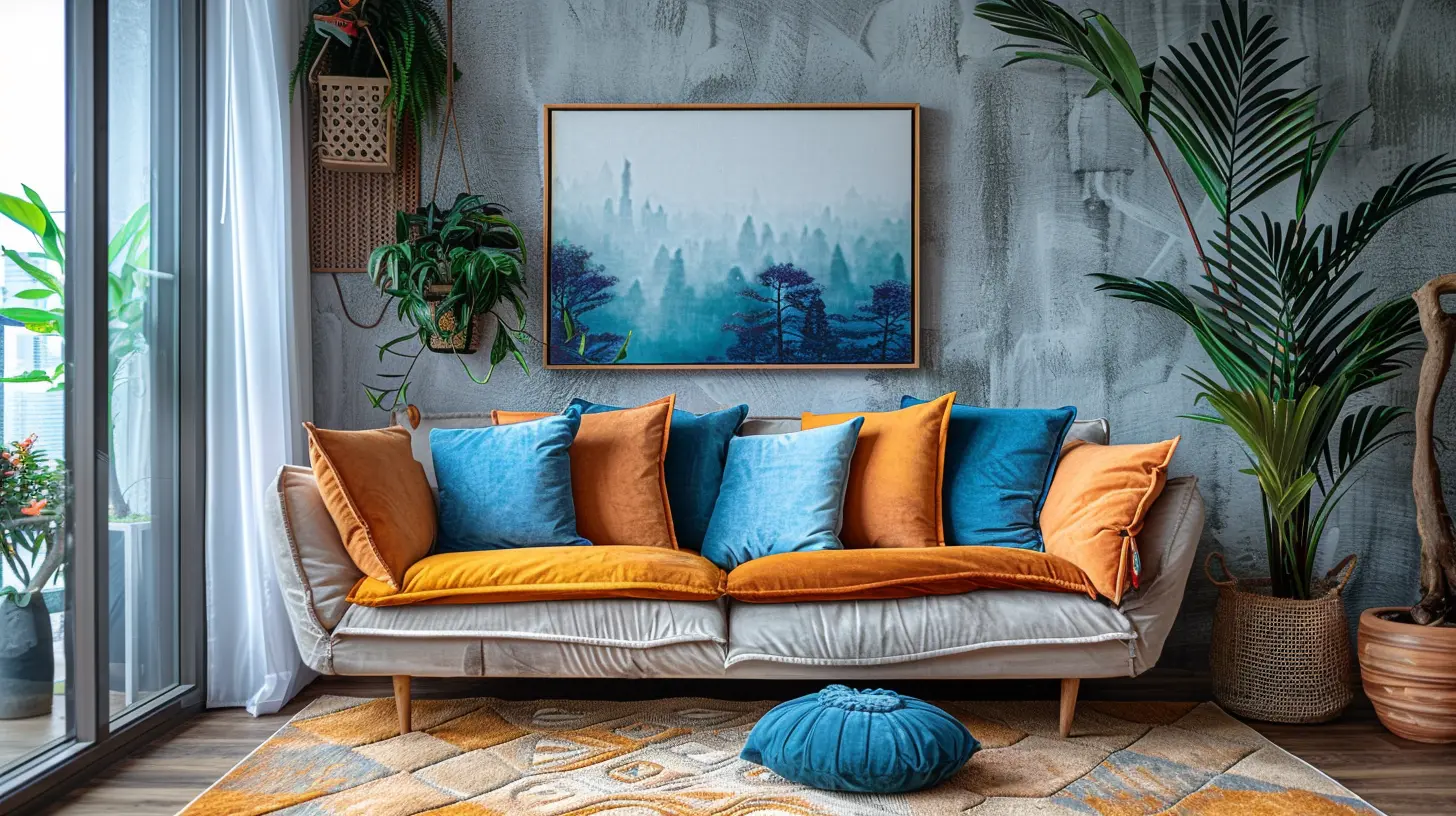
Furniture Arrangement to Highlight the Art
Your furniture should frame and support your artwork, not compete with it. Here’s how to make sure everything works together:- Create Symmetry: Placing furniture symmetrically around a central art piece draws attention to it. A sofa centered under a large painting, with matching side tables, creates a cohesive look.
- Keep Space Clear: Avoid clutter around your artwork. If you've placed a painting above a console table, keep accessories minimal—maybe a single vase or a small sculpture.
- Use Neutral Furniture: If your artwork is vibrant and detailed, opt for neutral-colored furniture to keep the focus on the piece.
Lighting That Highlights Your Artwork
Lighting can make or break the way your artwork is perceived. The right lighting will enhance colors, textures, and overall impact.Types of Lighting to Consider
- Track Lighting: Adjustable spotlights can be positioned to highlight artworks without creating harsh shadows.- Picture Lights: Mounted directly above the artwork, these lights provide soft illumination without overpowering the piece.
- Wall Washers: These lights bathe the entire wall in a gentle glow, making the artwork feel seamlessly integrated into the space.
- Natural Light: If possible, position artwork where it benefits from natural light—but avoid direct sunlight to prevent fading.
Textures and Materials That Complement Your Artwork
Art is more than just color—it’s texture, depth, and emotion. To create a space that fully embraces your art, consider the materials and textures around it.- Soft Fabrics for Contrast: If your artwork is bold and structured, introduce soft textiles like velvet, linen, or wool to balance the space.
- Metallic Accents: Gold or silver accents can complement artworks with warm tones, while black metal or chrome works well with modern and abstract pieces.
- Natural Elements: Wood, stone, and woven materials can add warmth and authenticity to a space influenced by nature-inspired art.
Creating a Connection Between Art and Decor
Your art should feel like an intentional part of the room, not just something that was added in as an afterthought. Here’s how to create a seamless connection:Use Patterns and Textures Wisely
- If your artwork is highly detailed, keep patterns in the room simple to avoid visual overload.- If your art is minimalistic, experiment with subtle patterns in pillows or rugs to add depth.
Incorporate Elements from the Art Style
- If your art is modern and abstract, opt for sleek lines and bold design choices in your furniture.- If your artwork leans toward classic realism, traditional furniture with ornate details may be a better fit.
Balancing Multiple Art Pieces in a Single Room
What if you have multiple pieces you adore? The key is balance.- Vary the Sizes: Mix larger statement pieces with smaller artwork for a dynamic look.
- Stick to a Theme: Whether it’s color, era, or style, having a common thread ensures a cohesive feel.
- Give Each Piece Room to Breathe: Avoid displaying artworks too close together unless you’re creating a deliberate gallery wall.
Personalizing the Space Around Your Art
The beauty of designing interiors around your favorite art pieces is that it makes your home truly personal. Don’t be afraid to break a few rules and follow your instincts.- Trust Your Gut: If a piece speaks to you, it doesn’t have to "match" perfectly—if you love it, it belongs.
- Mix Old and New: Combining vintage and contemporary elements with your artwork can add character and history to your space.
- Tell a Story: Art is deeply personal, so design your space in a way that tells a story about who you are and what you love.
Final Thoughts
Your favorite artwork deserves a spotlight, and designing your interior around it can create a space that feels both curated and comfortable. By thoughtfully selecting colors, furniture, lighting, and decor that complement your art, you’ll transform your home into a masterpiece of its own.So go ahead—let your art lead the way, and watch your space come to life in ways you never imagined.
all images in this post were generated using AI tools
Category:
Interior DesignAuthor:

Mateo Hines
Discussion
rate this article
1 comments
Melina Adkins
Incorporating art into interior design not only enhances aesthetics but also reflects personal stories and values.
July 9, 2026 at 4:09 AM
Mateo Hines
Absolutely! Art adds depth and meaning to a space, making it truly personal.