Eco-Friendly Exterior Solutions: Siding, Roofing, and Beyond
4 December 2025
Going green isn’t just a trend—it’s a necessity. With climate change knocking on our doors, homeowners are looking for ways to make their homes more energy-efficient and environmentally friendly. One of the best ways? Upgrading exterior materials to sustainable options.
If you’re thinking about remodeling or building a home, eco-friendly siding, roofing, and other exterior materials can help reduce your carbon footprint while keeping your home stylish and durable. Let’s dive into the best sustainable exterior solutions for your home. 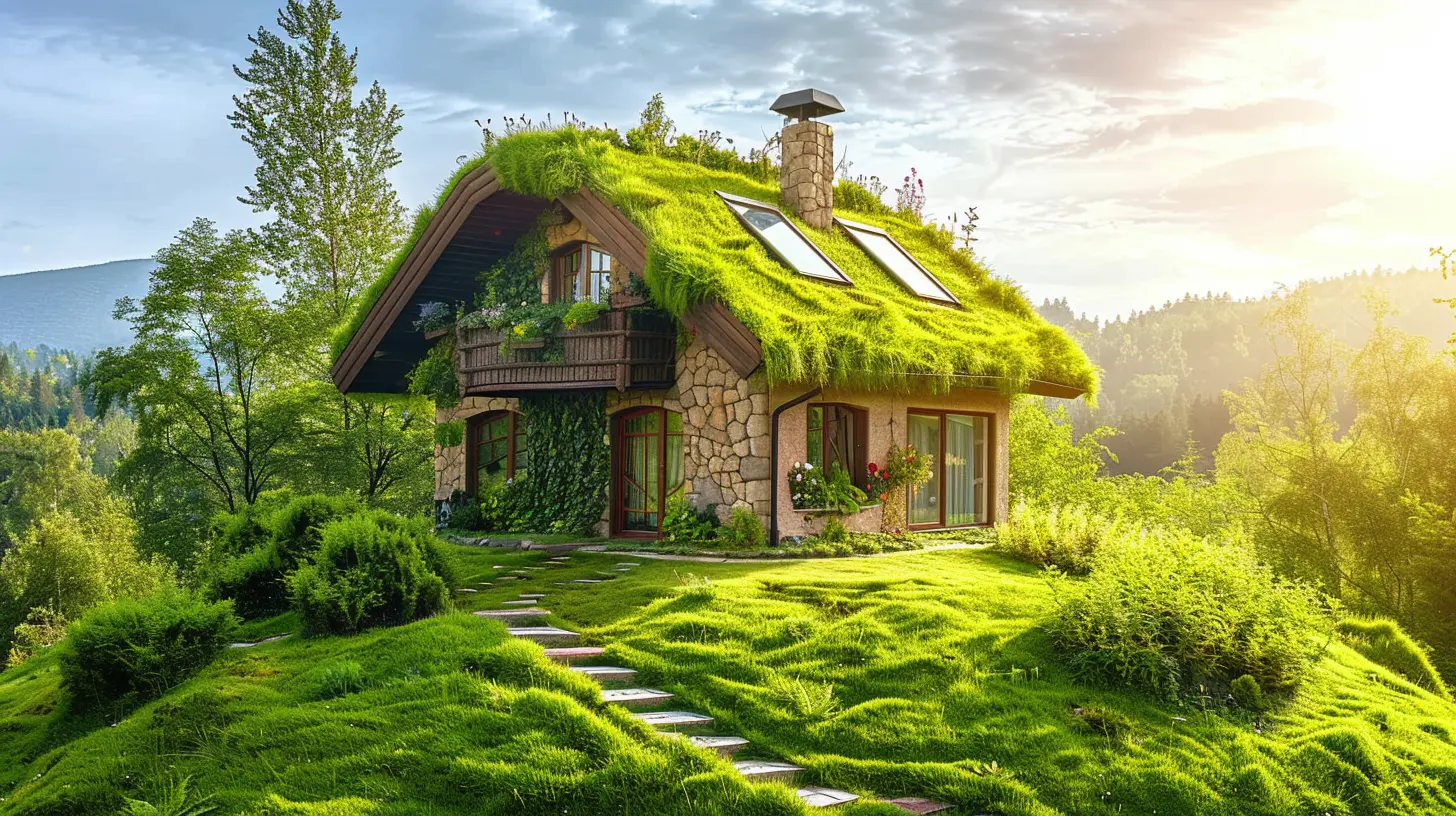
Why Choose Eco-Friendly Exterior Solutions?
So, why should you care about eco-friendly materials? Besides being good for the planet, they offer some impressive benefits:- Lower Energy Costs – Many green materials improve insulation, cutting down on heating and cooling expenses.
- Durability – Sustainable materials often last longer than traditional ones. Less maintenance, fewer replacements.
- Healthier Living Environment – No toxic chemicals means better air quality for you and your family.
- Boost in Property Value – Buyers love eco-friendly homes. Green choices could mean a higher resale price.
Now that we’ve covered the “why,” let’s get into the “what.” 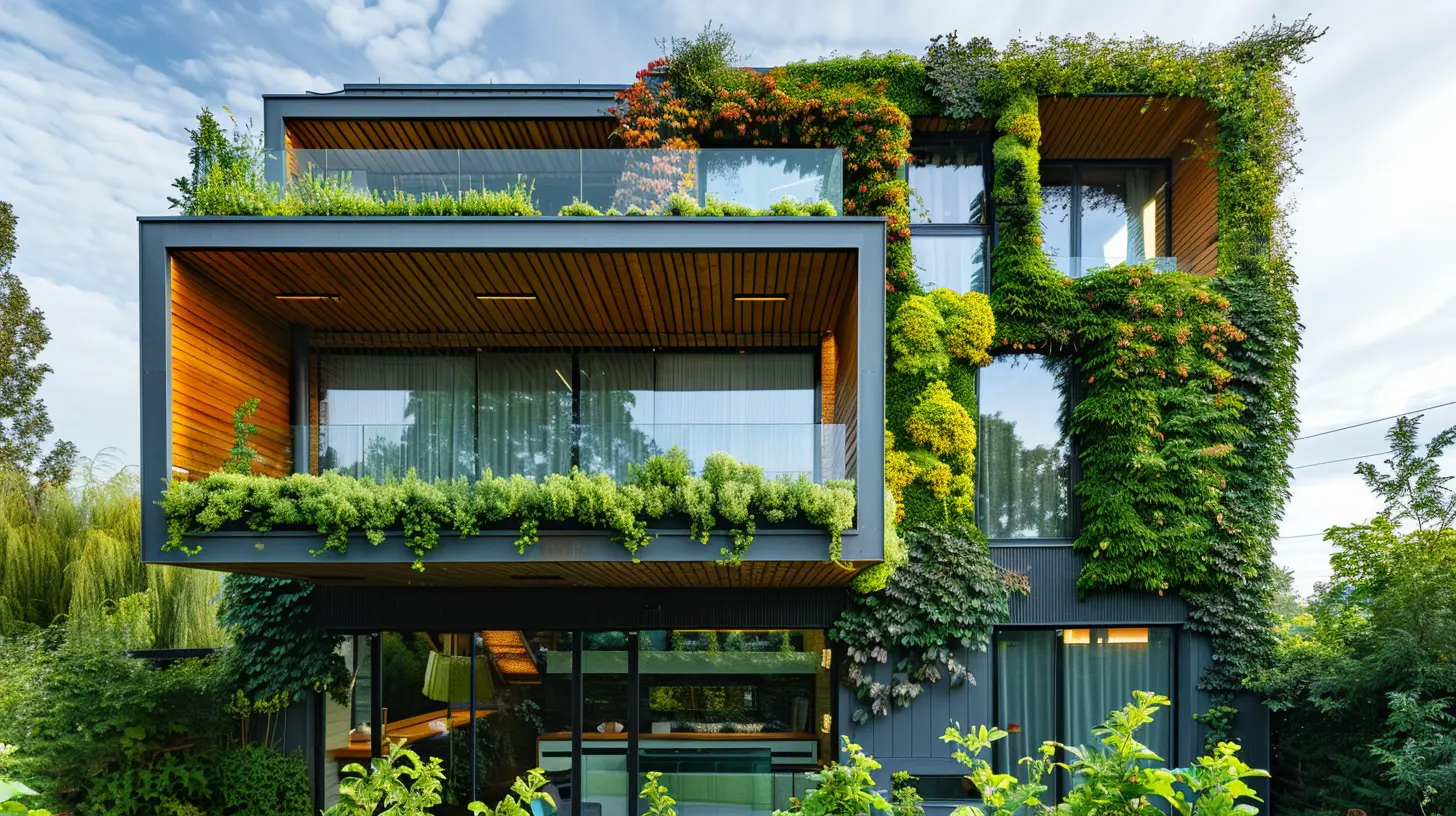
Sustainable Siding Options
Siding does more than make your home look good—it protects against the elements, insulates, and keeps things structurally sound. But traditional siding materials like vinyl and aluminum aren’t the most environmentally friendly. Here are some better alternatives:1. Reclaimed Wood Siding
Wood is a classic, but instead of cutting down new trees, why not reuse old ones? Reclaimed wood siding gives a rustic, charming look while reducing deforestation. Plus, it can be sourced from barns, old buildings, or even recycled pallets!- Pros: Sustainable, beautiful natural texture, biodegradable.
- Cons: Requires maintenance to prevent rot or pests.
2. Fiber Cement Siding
A mix of cement, sand, and wood fibers, fiber cement siding is highly durable and fire-resistant. Since it lasts for decades, it reduces waste significantly. Some brands even use recycled materials in production.- Pros: Long-lasting, low maintenance, fire and pest-resistant.
- Cons: Heavy and requires a lot of energy to produce.
3. Recycled Metal Siding
Metal siding, particularly from recycled steel or aluminum, is an excellent eco-friendly option. It’s recyclable at the end of its lifespan, energy-efficient, and incredibly durable.- Pros: 100% recyclable, reflects heat to lower cooling costs, resistant to fire and pests.
- Cons: Can be costly upfront, prone to dents.
4. Cork Siding
Yes, the same material used for wine bottle stoppers can be a great siding option! Cork is renewable (it comes from tree bark, which regrows) and has natural insulating properties.- Pros: Fire, water, and pest-resistant. Provides excellent insulation.
- Cons: Limited availability, higher cost. 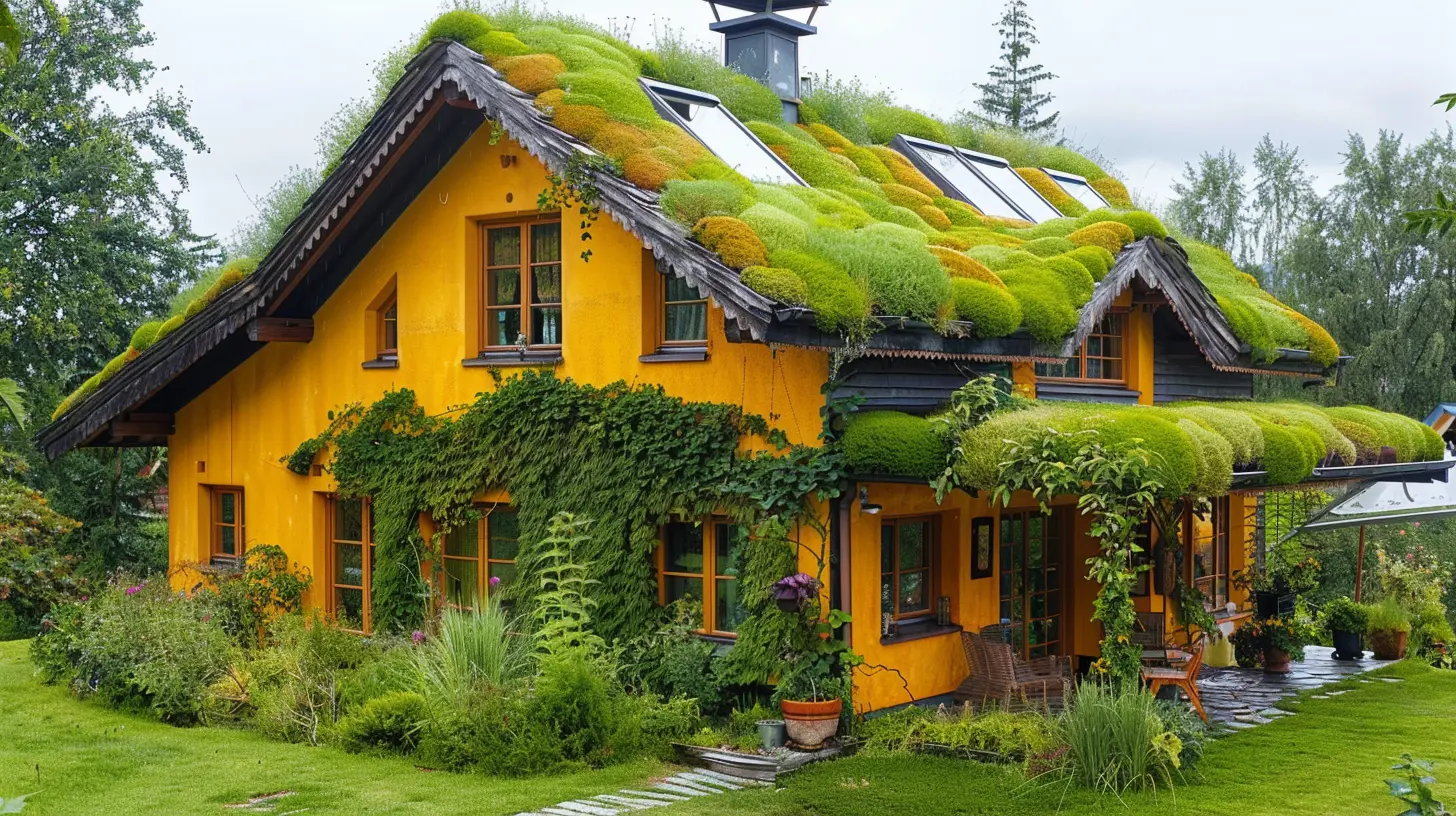
Eco-Friendly Roofing Solutions
Your roof plays a massive role in energy efficiency. The right eco-friendly roofing materials can keep your home cool, reduce waste, and even generate energy. Here are some smart choices:1. Cool Roofs
Cool roofs are designed to reflect more sunlight and absorb less heat. They’re often made using reflective coatings or light-colored materials, which help keep your home cooler and reduce energy costs.- Pros: Reduces air conditioning costs, lowers urban heat island effect.
- Cons: Works best in hot climates.
2. Green Roofs (Living Roofs)
Ever thought about having a garden… on your roof? Green roofs use a layer of vegetation planted over waterproof membranes. They provide excellent insulation, reduce stormwater runoff, and boost air quality.- Pros: Improves insulation, absorbs CO₂, extends roof lifespan.
- Cons: Heavy (requires strong structural support), needs maintenance.
3. Solar Roofing
Why not turn your roof into an energy powerhouse? Solar panels or solar shingles convert sunlight into electricity, helping to power your home. While the initial cost can be high, the long-term savings and environmental impact make it worth it.- Pros: Lowers electricity bills, reduces reliance on fossil fuels.
- Cons: Expensive upfront, depends on sun exposure.
4. Recycled Shingles
Traditional asphalt shingles contribute to tons of waste every year. Recycled shingles, made from rubber, plastic, or wood fiber waste, offer a sustainable alternative without compromising durability.- Pros: Diverts waste from landfills, highly durable.
- Cons: Availability varies, may be pricier than asphalt. 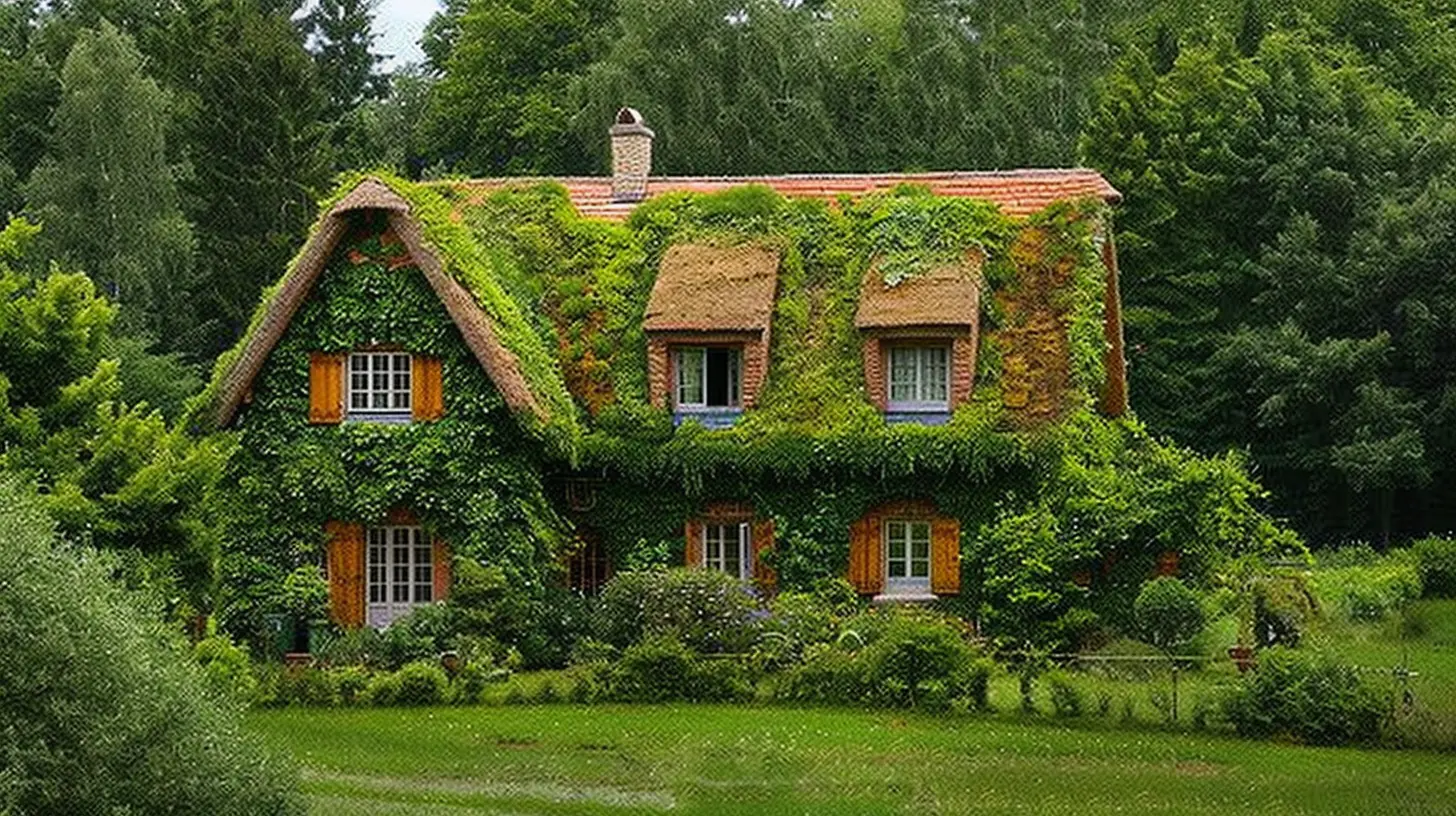
Beyond Siding and Roofing: Other Eco-Friendly Exterior Options
Going green doesn’t stop at your walls and roof. Let’s talk about some additional sustainable exterior solutions for a fully eco-conscious home.1. Permeable Driveways
Traditional concrete driveways cause excessive water runoff, leading to flooding and erosion. Permeable paving materials like porous asphalt, gravel, or permeable concrete allow water to filter through, replenishing groundwater supplies.- Pros: Reduces flooding, prevents water pollution.
- Cons: Requires maintenance to prevent clogging.
2. Eco-Friendly Paints & Finishes
Choosing non-toxic, low-VOC (volatile organic compound) paints for your home’s exterior helps protect air quality and reduce harmful emissions. Look for water-based paints with natural ingredients.- Pros: Better for health and the environment, fewer chemical fumes.
- Cons: May cost more than conventional paint.
3. Recycled or Composite Decking
If you’re thinking about adding a deck, opt for recycled or composite decking materials. Made from recycled plastic and wood fibers, composite decking mimics the aesthetics of real wood without the need for deforestation.- Pros: Long-lasting, requires minimal maintenance.
- Cons: Higher initial cost.
4. Native Landscaping
Your yard plays a crucial role in sustainability, too. Planting native species reduces the need for excessive watering, fertilizers, and pesticides—plus, it attracts local pollinators like bees and butterflies.- Pros: Saves water, supports local wildlife.
- Cons: Limited to region-specific plant selections.
Final Thoughts
Sustainability isn’t about sacrificing style or comfort—it’s about making smarter choices that benefit both your home and the planet. Whether you’re replacing siding, re-roofing, or upgrading your driveway, eco-friendly exterior solutions can help reduce energy costs, boost durability, and enhance your home’s overall value.So, what’s your next green upgrade going to be?
all images in this post were generated using AI tools
Category:
Green HomesAuthor:

Mateo Hines
Discussion
rate this article
2 comments
Aiden Strickland
Thank you for this enlightening article! It's inspiring to see how eco-friendly exterior solutions can not only enhance the beauty of a home but also contribute to a healthier planet. Your insights empower homeowners to make sustainable choices, fostering a brighter, greener future for all.
December 9, 2025 at 1:21 PM
Mateo Hines
Thank you for your kind words! I'm glad you found the article inspiring and informative. Together, we can build a greener future!
Kaitlin McGarvey
What a fantastic read! 🌿 Embracing eco-friendly exterior solutions not only enhances our homes but also protects our beautiful planet. From sustainable siding to energy-efficient roofing, each choice makes a difference. Let's build a greener future, one home at a time! 🏡✨
December 4, 2025 at 3:41 AM
Mateo Hines
Thank you for your thoughtful comment! I completely agree—every eco-friendly choice contributes to a more sustainable future. Let’s continue to inspire greener living! 🌍🏡✨