Eco-Friendly Neighborhoods: A New Era in Real Estate Development
6 July 2026
The world is changing, and so is the way we live. More and more homebuyers are looking beyond just square footage and granite countertops—they want homes that align with their values. Sustainable living is no longer a trend; it’s a movement. Welcome to the era of eco-friendly neighborhoods, where sustainability meets modern convenience.
But what exactly makes a neighborhood "eco-friendly"? And why are these green communities the future of real estate development? Let’s dive in.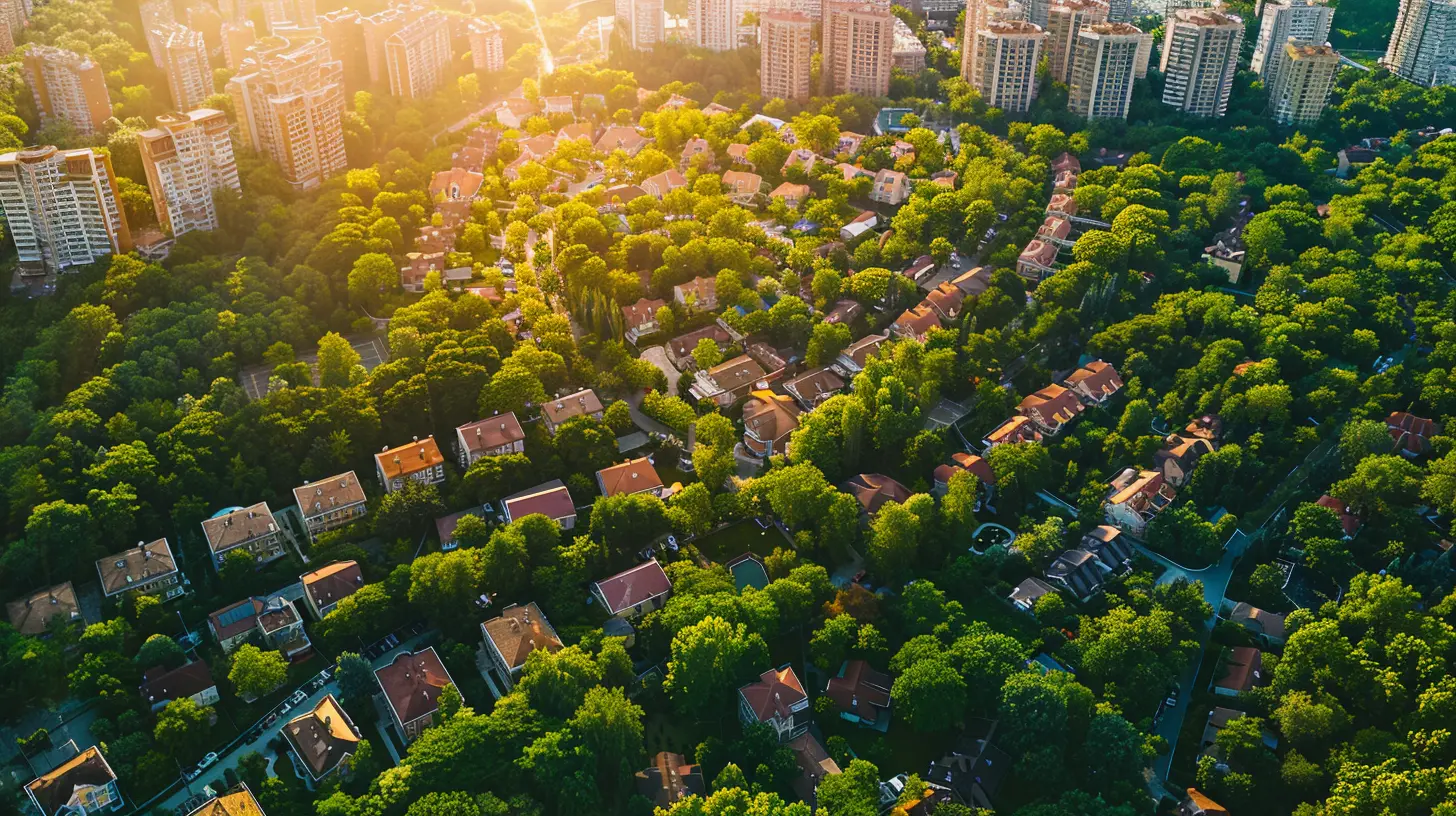
What Are Eco-Friendly Neighborhoods?
At their core, eco-friendly neighborhoods focus on sustainability, energy efficiency, and environmental preservation. These communities are designed with green spaces, renewable energy sources, and eco-conscious infrastructure. Think solar-paneled homes, walkable streets, and rainwater harvesting systems—these aren’t just wishful concepts anymore. They’re fast becoming the gold standard in urban and suburban planning.
But it’s not just about saving the planet. These neighborhoods offer a healthier, more connected, and cost-effective way of living. Less pollution, lower energy bills, and an overall better quality of life… sounds like a win-win, right?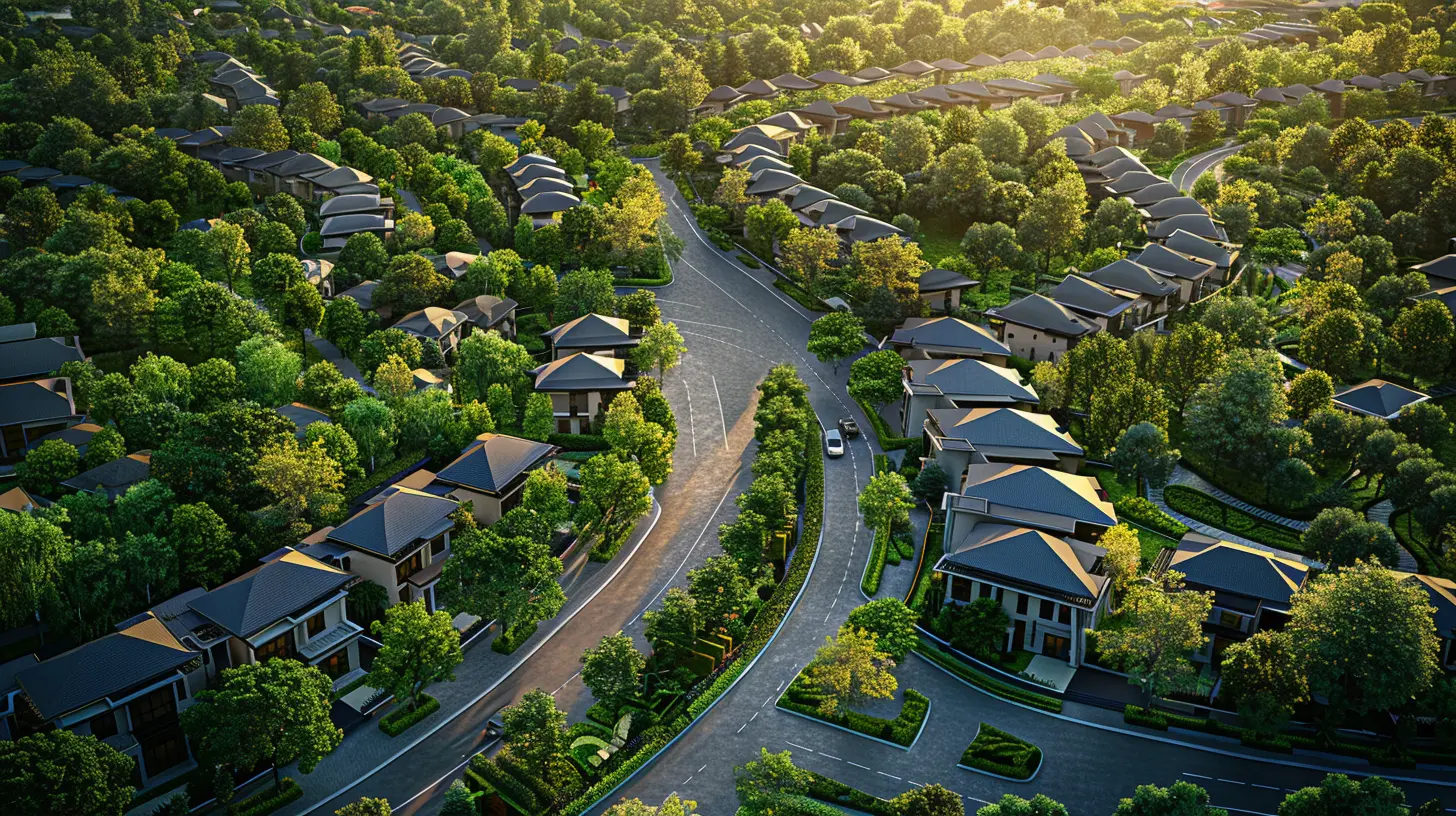
Why Are Eco-Friendly Neighborhoods Growing in Popularity?
You don’t have to be a hardcore environmentalist to appreciate the benefits of sustainable living. The growing interest in green communities comes from a mix of social, economic, and environmental factors.
1. Awareness About Climate Change
With climate change dominating headlines, people are more conscious of their carbon footprint. Living in an eco-friendly neighborhood is one way to minimize environmental impact while enjoying modern comforts.2. Lower Utility Bills
Energy-efficient homes aren’t just good for the planet—they’re great for your wallet too. Solar panels, smart thermostats, and water-efficient plumbing significantly reduce monthly utility costs.3. Health Benefits
Less air pollution, fewer toxic building materials, and more green spaces mean better air quality and overall well-being. These communities promote physical activity with bike-friendly paths and pedestrian-focused designs.4. Government Incentives
To encourage green living, many governments offer tax breaks, grants, and subsidies for energy-efficient homes and developments. This makes investing in sustainable real estate more attractive than ever.5. Increased Property Value
As demand for sustainable housing grows, properties in eco-friendly neighborhoods tend to appreciate faster than traditional homes. Buyers are willing to pay a premium for homes with energy-efficient features and community-driven sustainability initiatives.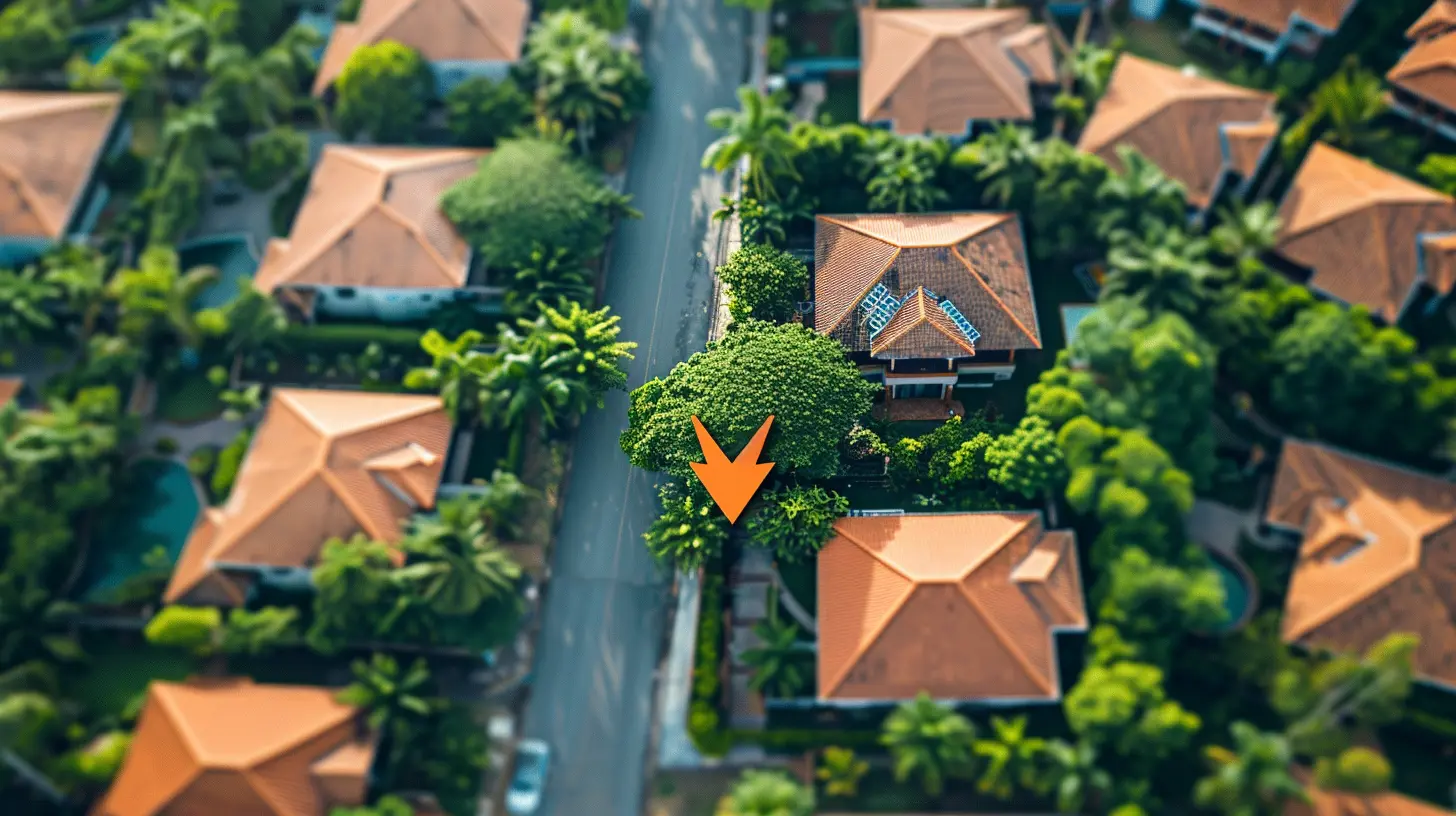
Key Features of an Eco-Friendly Neighborhood
1. Green Building Materials
Eco-friendly neighborhoods use sustainable materials like reclaimed wood, recycled steel, and non-toxic paints. These materials reduce waste and improve home efficiency.2. Renewable Energy Sources
Many green communities integrate solar panels, wind turbines, and geothermal heating to minimize dependency on fossil fuels.3. Walkability & Public Transportation
A true green community prioritizes walking, cycling, and public transportation over cars—reducing carbon emissions and making daily life more convenient.4. Smart Water Management
From rainwater harvesting systems to drought-resistant landscaping, water conservation is a major focus. Many eco-neighborhoods also feature permeable pavements that help control stormwater runoff.5. Community Green Spaces
Parks, gardens, and tree-lined streets are not just aesthetic choices. They help improve air quality, boost mental well-being, and foster a sense of community.6. Sustainable Waste Management
Recycling programs, composting initiatives, and minimal waste policies are common in eco-friendly neighborhoods to reduce landfill contributions.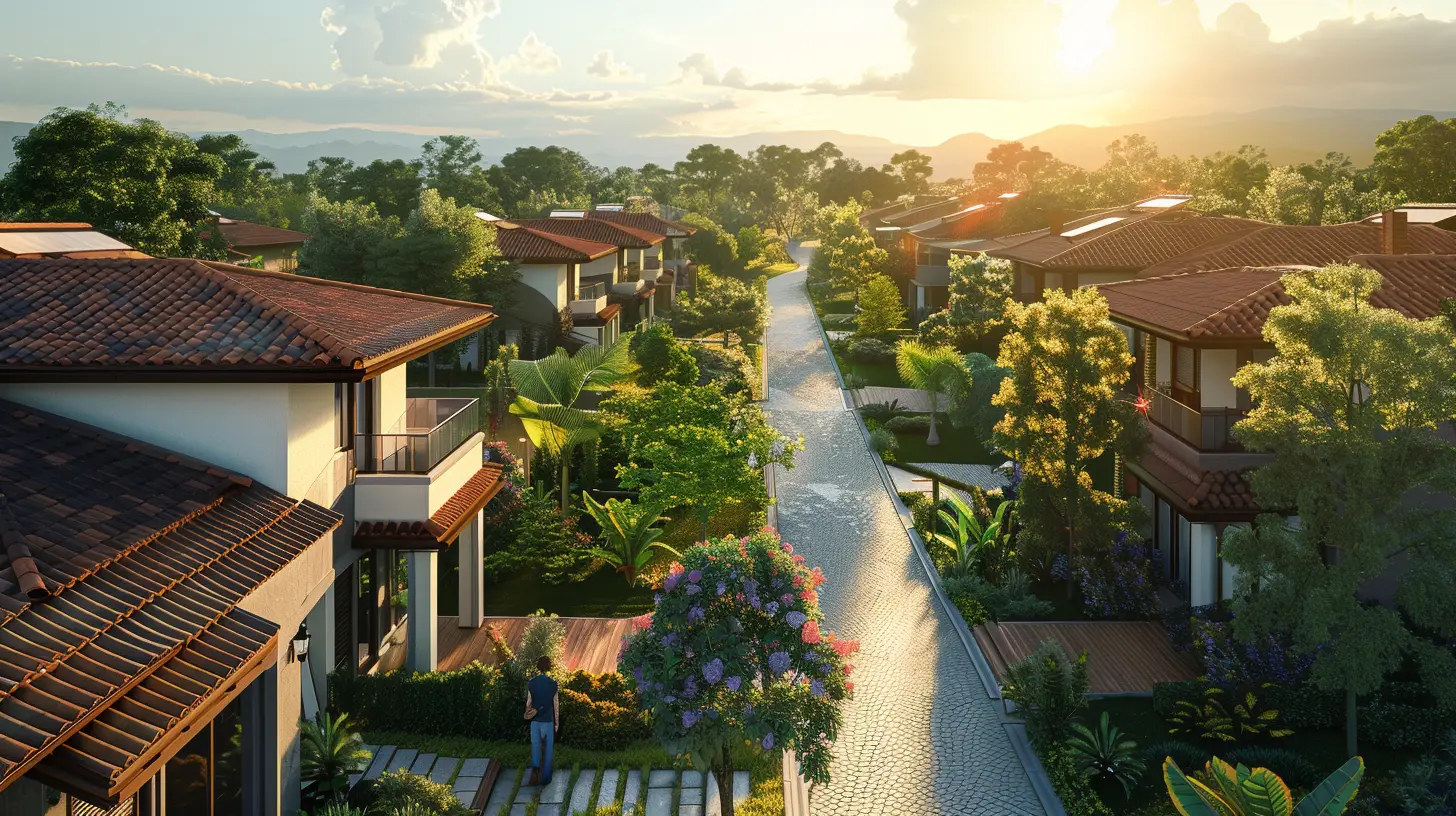
The Future of Real Estate: Building Greener Communities
Green living isn’t just a personal choice anymore—it’s becoming a necessity. Real estate developers are recognizing that sustainability sells, and cities worldwide are pushing for climate-conscious planning.1. Smart Cities and Sustainable Tech
More cities are integrating smart energy grids, AI-driven traffic management, and sustainable architecture into their real estate plans. These innovations improve efficiency, saving both resources and costs.2. Eco-Friendly Suburbs on the Rise
While urban areas are leading the charge, suburbs aren’t far behind. Expect to see more eco-friendly suburban developments featuring solar-powered homes, electric vehicle charging stations, and community gardens.3. Net-Zero Homes
A growing number of homes are being designed to generate as much energy as they consume, thanks to advancements in solar energy and insulation technology.4. Vertical Gardens and Green Roofs
With space becoming a premium in cities, developers are turning to vertical gardens and green rooftops to improve insulation, reduce heat, and enhance urban biodiversity.How to Find or Build a Home in an Eco-Friendly Neighborhood
Thinking of moving to a green community or transforming your current home into an eco-friendly haven? Here’s how:
1. Look for LEED-Certified Homes
Leadership in Energy and Environmental Design (LEED) certification ensures that a house meets strict environmental guidelines for energy savings, water efficiency, and CO₂ emissions.2. Check for Sustainable Infrastructure
Solar panels, water-conserving fixtures, and smart-home technology? These are great indicators of a green community.3. Prioritize Walkability
If you can run errands without a car, chances are, you’re in an eco-friendly neighborhood. Walkability improves overall sustainability and offers a better quality of life.4. Engage with Sustainable Communities
Join local green initiatives, support community gardens, and participate in recycling programs. A neighborhood is only as sustainable as the people who live in it.Final Thoughts: The Shift Towards Sustainable Living
Eco-friendly neighborhoods are more than just a real estate trend—they’re shaping the future of how we live. As homebuyers and investors prioritize sustainability, developers are being pushed to create innovative, green communities that benefit both people and the planet.If you're planning to buy a home, why not choose one that aligns with your values? Whether it’s cutting down utility costs, reducing carbon footprints, or simply enjoying fresher air, the perks of living in an eco-friendly neighborhood are undeniable.
The real estate industry is entering a new era—one where sustainability isn’t an option but a necessity. And honestly, it’s about time.
all images in this post were generated using AI tools
Category:
Real Estate DevelopmentAuthor:

Mateo Hines
Discussion
rate this article
1 comments
Maisie Meyers
Eco-friendly neighborhoods are not just a trend; they represent a brighter, sustainable future. Investing in these communities means choosing to live in harmony with nature, enhancing quality of life, and fostering a stronger sense of connection.
July 21, 2026 at 4:16 AM
Mateo Hines
I completely agree. Eco-friendly neighborhoods are a vital step toward sustainability, improving our lives while nurturing our relationship with the environment. They are the future of real estate development.