Five Virtual Staging Mistakes That Could Cost You a Sale in 2027
17 October 2026
Virtual staging has moved from a novelty to a standard tool in residential real estate marketing. By 2027, buyers will scroll past thousands of listings, and the quality of your staged images will determine whether they stop or keep moving. The technology itself keeps improving, but the mistakes agents and sellers make with it have not changed much. In fact, as the tools become easier to use, the errors become more common and more costly.
This article examines five specific mistakes that will cost you sales in 2027. Each one is grounded in how buyers actually behave, how listing platforms rank and display content, and how the gap between expectation and reality affects negotiations. If you list properties, manage listings, or advise sellers, these are the pitfalls you need to understand before your next photoshoot.
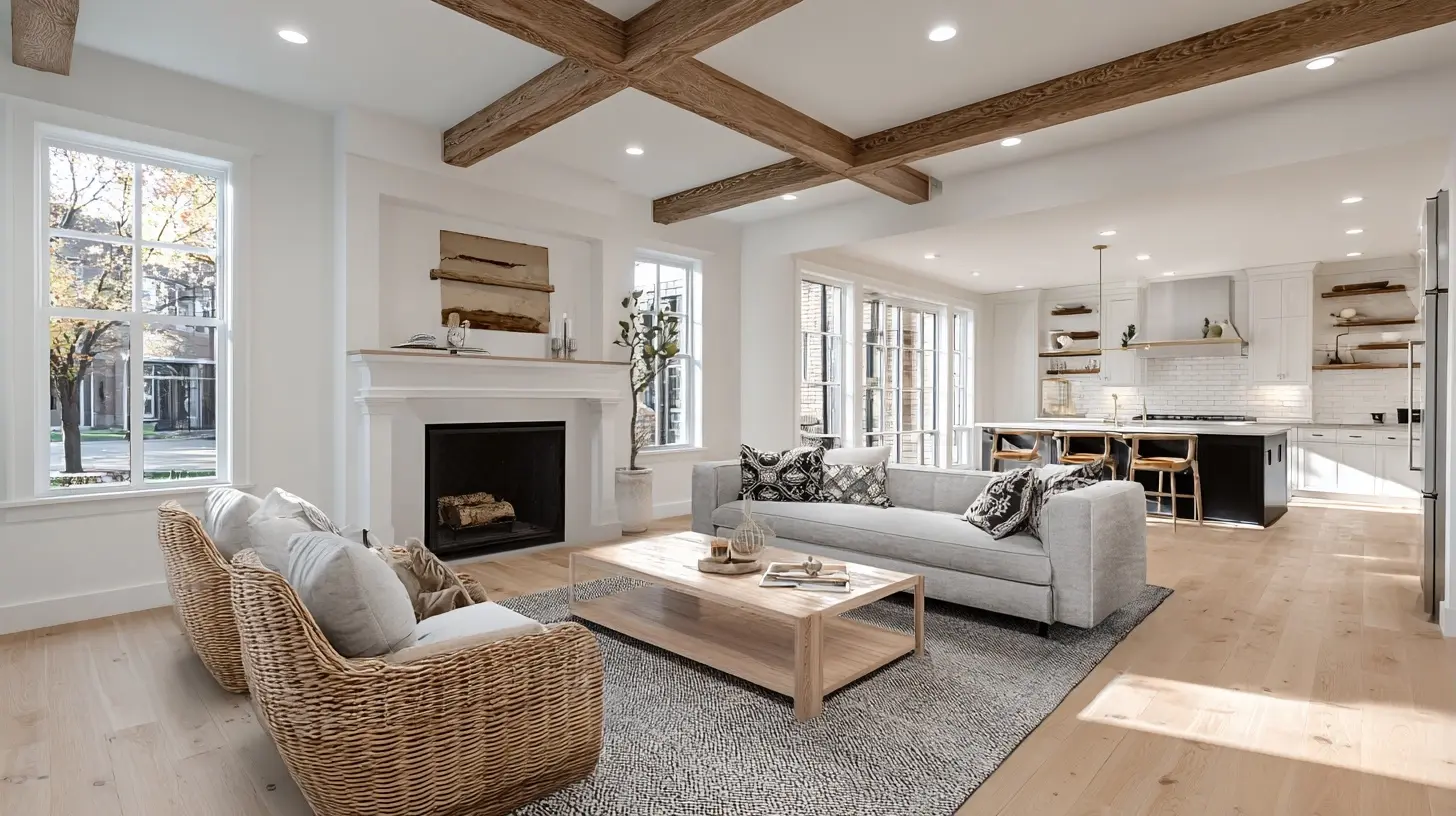
Mistake 1: Staging a Room as Something It Is Not
The most expensive virtual staging mistake is also the most tempting. You have a small room with a single window. It could be a bedroom, but it would be a tight one. So you stage it as a home office. The image looks great. The problem arrives when the buyer walks through the door.Why this backfires
Buyers do not just purchase square footage. They purchase a mental image of their life in the property. When the listing shows a serene office with a desk and a reading chair, the buyer forms a specific expectation. Walking into a room that cannot physically hold that furniture creates a jarring disconnect. That disconnect does not just disappoint. It erodes trust.Trust is the currency of a transaction. If the buyer suspects the listing misrepresented the space, they begin to question everything else. Was the kitchen photographed with a wide-angle lens that made it look bigger? Is the "renovated" bathroom actually a cosmetic patch job? Once doubt enters, the buyer either walks away or discounts their offer to compensate for the perceived risk.
The fix
Stage rooms according to their most plausible use. If a room is legally a bedroom, stage it as a bedroom, even if the bed has to be a full rather than a queen. If a room is a den, stage it as a den. Accuracy does not mean the image has to look cramped. Good virtual stagers know how to select furniture with correct proportions and place it to maximize the sense of space without lying about dimensions.There is one exception worth considering. If a room is genuinely ambiguous, such as a bonus room off a garage or a loft with no closet, you have more latitude. In those cases, staging it as a home office or a playroom is reasonable because the room's function is not legally defined. Even then, keep the furniture scale realistic. A massive executive desk in a ten-by-ten loft will read as a lie.

Mistake 2: Ignoring the Architecture and Style of the Home
Virtual staging tools now offer thousands of furniture combinations. This abundance is a trap. It is easy to drop a sleek, modern sectional into a Victorian cottage because the sofa looks beautiful in isolation. The result is an image that feels wrong without the viewer knowing exactly why.Style mismatch creates cognitive friction
Buyers process images fast. In a fraction of a second, they assess whether a space feels coherent. When the architecture says 1920s bungalow and the furniture says 2025 minimalist loft, the brain registers an inconsistency. That inconsistency does not always produce a conscious objection. Often it produces a vague sense of unease. The buyer simply does not like the house as much as they expected to, and they cannot articulate why.In 2027, this problem will intensify. Buyers are more design-literate than ever, thanks to social media and streaming shows about home renovation. They notice when a mid-century ranch is staged with baroque mirrors and velvet chaise lounges. They notice when a coastal cottage is furnished with heavy, dark wood pieces that belong in a mountain lodge.
How to get it right
Start by identifying the architectural style and era of the home. A competent stager will ask about the trim, the window shape, the ceiling height, the flooring, and the neighborhood context. Then choose furniture that respects those cues.- For a mid-century home, use low-profile sofas, tapered legs, and warm wood tones.
- For a farmhouse, lean into natural textures, simple silhouettes, and muted colors.
- For a contemporary build, keep lines clean and avoid ornate details.
- For a historic property, do not try to modernize it. Embrace the character.
There is a trade-off here. Some agents believe that staging should show the home at its most aspirational, even if that means deviating from its style. That approach can work in new construction, where the architecture is neutral. It rarely works in resale homes with strong architectural identity. The safer strategy is to enhance what is already there, not to impose a foreign aesthetic.

Mistake 3: Using Virtual Staging to Hide Major Flaws
Virtual staging is a marketing tool, not a renovation tool. The moment you use it to conceal a problem, you cross a line that can have legal and financial consequences.What hiding looks like
Suppose a living room has a large water stain on the ceiling. You cannot remove the stain with virtual staging without altering the actual condition of the property. You can only cover it with a light fixture or a decorative beam. Suppose a bedroom has a window that looks directly into a neighbor's wall. You cannot change the view without misrepresenting the property. Suppose the flooring is worn and dated. You can place a rug over part of it, but if the rug covers the entire visible floor area, you are effectively erasing a material defect.These edits are not staging. They are misrepresentation. In most markets, sellers and their agents have a legal duty to disclose material facts about a property's condition. A virtual image that conceals a defect can be used as evidence of intent to deceive.
The disclosure question
Even when the edit is not legally fraudulent, it creates a practical problem. Buyers who feel tricked become hostile. They may submit a low offer, demand repairs, or walk away entirely. Worse, they may tell others. In a market where online reviews and social media posts travel fast, a single accusation of deceptive marketing can damage an agent's reputation for years.The right approach is to stage around flaws, not over them. If a room has an awkward layout, use furniture placement to improve traffic flow. If a wall has a minor blemish, let the stager know so they can avoid drawing attention to it with lighting or decor. But never instruct a stager to erase a defect. Instead, disclose it in the listing and price the property accordingly. Buyers respect honesty. They punish deception.
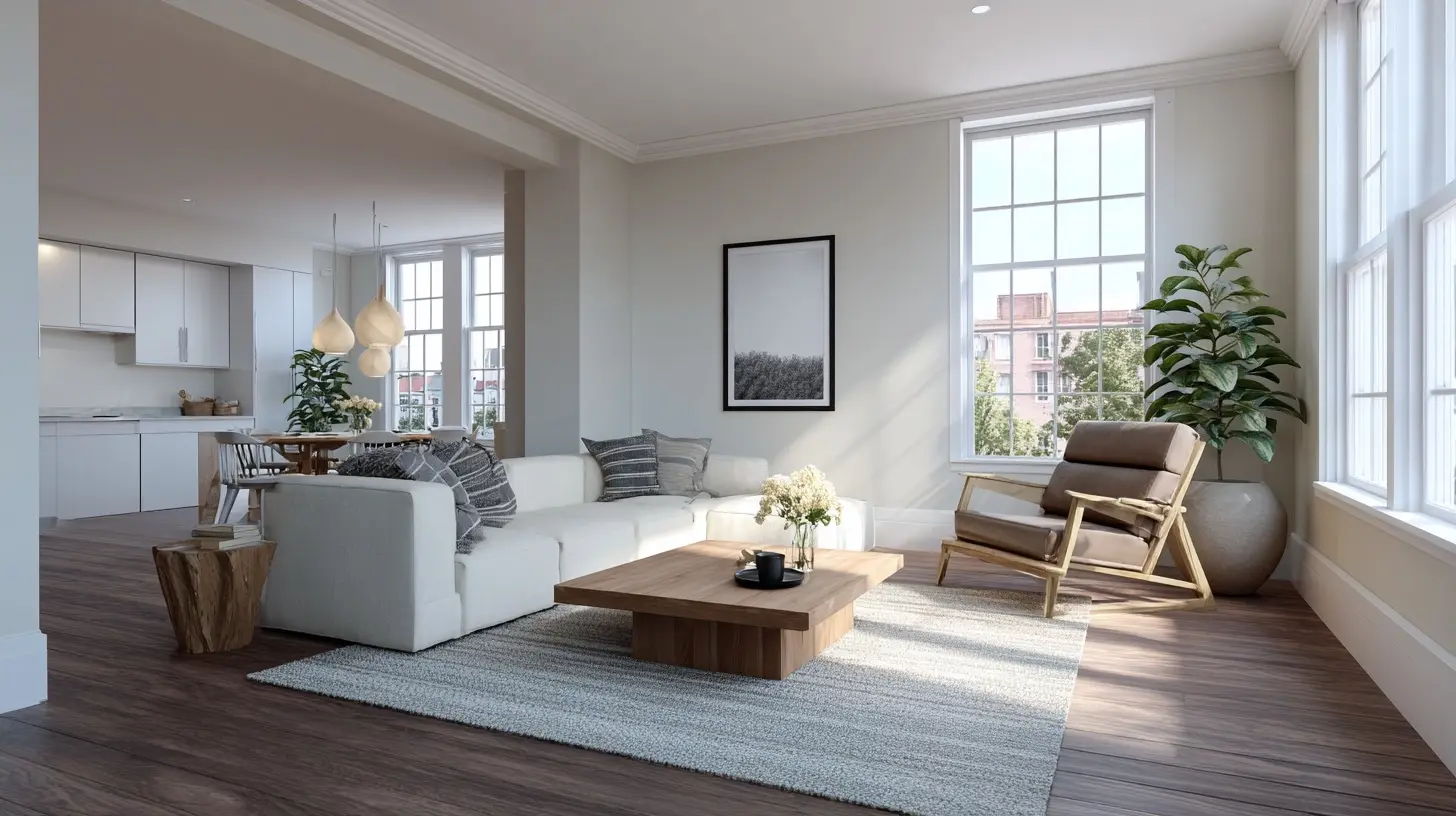
Mistake 4: Overstaging and Cluttering the Image
There is a difference between staging and decorating. Staging is about showing how a space functions. Decorating is about expressing a personal style. When virtual staging crosses into decoration, it hurts the listing.The clutter problem
An overstaged room is full of visual noise. Every surface has an object. Every wall has art. Every corner has a plant. The result is an image that feels busy and small. Buyers cannot imagine their own furniture in the space because the virtual furniture is already fighting for attention.This mistake is especially common with lower-cost virtual staging services. These providers often use template scenes with dozens of accessories because it makes the image look "finished." In reality, a finished image is not the goal. A functional, inviting, and spacious image is the goal.
The psychology of empty space
Negative space is not wasted space. In photography and in staging, empty areas give the eye a place to rest. They also suggest that the room is large enough to accommodate more. A sofa with a single side table and a lamp reads as calm and spacious. The same sofa with two side tables, three pillows, a throw blanket, a coffee table full of books, and a gallery wall above it reads as crowded.The same principle applies to color. A room with a neutral palette and one accent color feels cohesive. A room with five competing colors feels chaotic. Virtual stagers should be instructed to keep palettes simple and consistent from room to room. This consistency also helps the listing feel like a unified home rather than a collection of unrelated images.
A practical guideline
For each room, ask the stager to include only the furniture and decor that a buyer would expect to see in a model home. That means:- A bed, two nightstands, and a lamp in a bedroom.
- A sofa, a coffee table, and a rug in a living room.
- A table and chairs in a dining room.
- A desk and a chair in an office.
Accessories should be minimal. One or two pieces of art per room. One plant if it fits naturally. No clutter on counters or tables. The goal is to show function, not to impress with styling.
Mistake 5: Failing to Match Virtual Staging to the Photography
This is the most technical mistake, and it is the one that most often goes unnoticed by agents until a buyer points it out. Virtual staging must integrate seamlessly with the actual photograph. When it does not, the image looks fake.Common integration failures
The most frequent problem is lighting mismatch. The virtual furniture is lit from the front, but the room's actual light comes from a window on the left. The furniture looks pasted in. Another problem is shadow direction. Virtual shadows fall to the right while real shadows fall to the left. A third problem is perspective. The virtual furniture is drawn from a slightly different camera angle than the room itself.These errors are subtle, but they matter. Buyers may not say "the shadows are wrong," but they will feel that the image is artificial. That feeling reduces the emotional impact of the listing. It also raises suspicion about other images.
How to avoid it
The solution is to use a virtual staging provider that works from the actual photograph rather than from a generic template. The stager should analyze the room's light sources, shadow patterns, and perspective before placing any furniture. They should also match the color temperature of the virtual items to the color temperature of the room.A good test is to look at the image at full size and ask whether the furniture looks like it was photographed in the room. If the answer is no, the staging is not good enough. Do not accept an image just because it looks attractive. Accept it only if it looks real.
There is a trade-off between speed and quality. Some providers deliver images in hours. Others take days. The fast providers often rely on templates and automated placement. The slower providers often do manual work. For a luxury listing or a property in a competitive market, the extra time is worth it. For a lower-priced listing in a hot market, a faster turnaround may be acceptable. But even then, check the lighting and shadows before you publish.
Why These Mistakes Will Cost You More in 2027
The real estate market in 2027 will be more visual and more skeptical than it is today. Buyers will have access to better tools for comparing listings. They will use AI-powered search to filter homes by style, layout, and condition. They will expect listing images to be accurate and consistent.At the same time, virtual staging will be more common. When every listing uses it, the ones that use it poorly will stand out for the wrong reasons. A badly staged image will not just fail to attract buyers. It will actively repel them. It will signal that the agent is careless or that the seller is hiding something.
The agents who succeed will be the ones who treat virtual staging as a professional discipline. They will hire skilled stagers. They will review every image for accuracy and integration. They will disclose what has been virtually staged. And they will resist the temptation to use staging as a substitute for proper preparation.
Best Practices for Virtual Staging in 2027
If you want to avoid the five mistakes above, build a process around these principles.Start with a real conversation
Before any image is created, discuss the property's condition, style, and target buyer. A stager who understands the home will make better choices than one who works from a checklist.Use a provider who works from the actual photo
Avoid template-based services for any listing where quality matters. The extra cost is small compared to the cost of a lost sale.Keep it simple
Stage each room for its most likely function. Use minimal accessories. Choose furniture that fits the architecture.Review every image
Check lighting, shadows, perspective, and scale. If something looks off, ask for a revision. Do not publish an image you would not want to see as a buyer.Disclose clearly
Label virtually staged images as such. Most MLS platforms require it. Even where it is not required, disclosure builds trust.Do not use staging to hide defects
Fix what you can. Disclose what you cannot. Price accordingly.
Final Thoughts
Virtual staging is a powerful tool. It can help buyers see potential in an empty room. It can make a listing more attractive and more competitive. But it can also backfire when it is used carelessly or dishonestly. The five mistakes in this article are not abstract risks. They are real problems that cost real sales every day.In 2027, the standard will be higher. Buyers will expect more. Agents who treat virtual staging as a quick fix will lose listings to agents who treat it as a craft. The difference is not the software. The difference is the judgment behind it.
all images in this post were generated using AI tools
Category:
Virtual StagingAuthor:

Mateo Hines