Functional and Stylish: Designing a Home Office That Inspires
12 March 2026
Let’s face it—working from home has become the new normal. Whether you’re a freelancer, a remote worker, or just someone who needs a productive space to check emails and tackle to-do lists, a well-designed home office isn’t just a luxury anymore—it’s a necessity. But here’s the kicker: your home office shouldn’t just be functional. It should inspire you to do your best work, day in and day out.
Designing a home office that blends functionality with style can feel overwhelming, but it doesn’t have to be. With a bit of planning and some thoughtful choices, you can create a space that not only works hard for you but feels like a place you actually want to spend time in. So, grab your coffee, and let’s dive into some practical tips to turn your home office into a powerhouse of productivity and inspiration!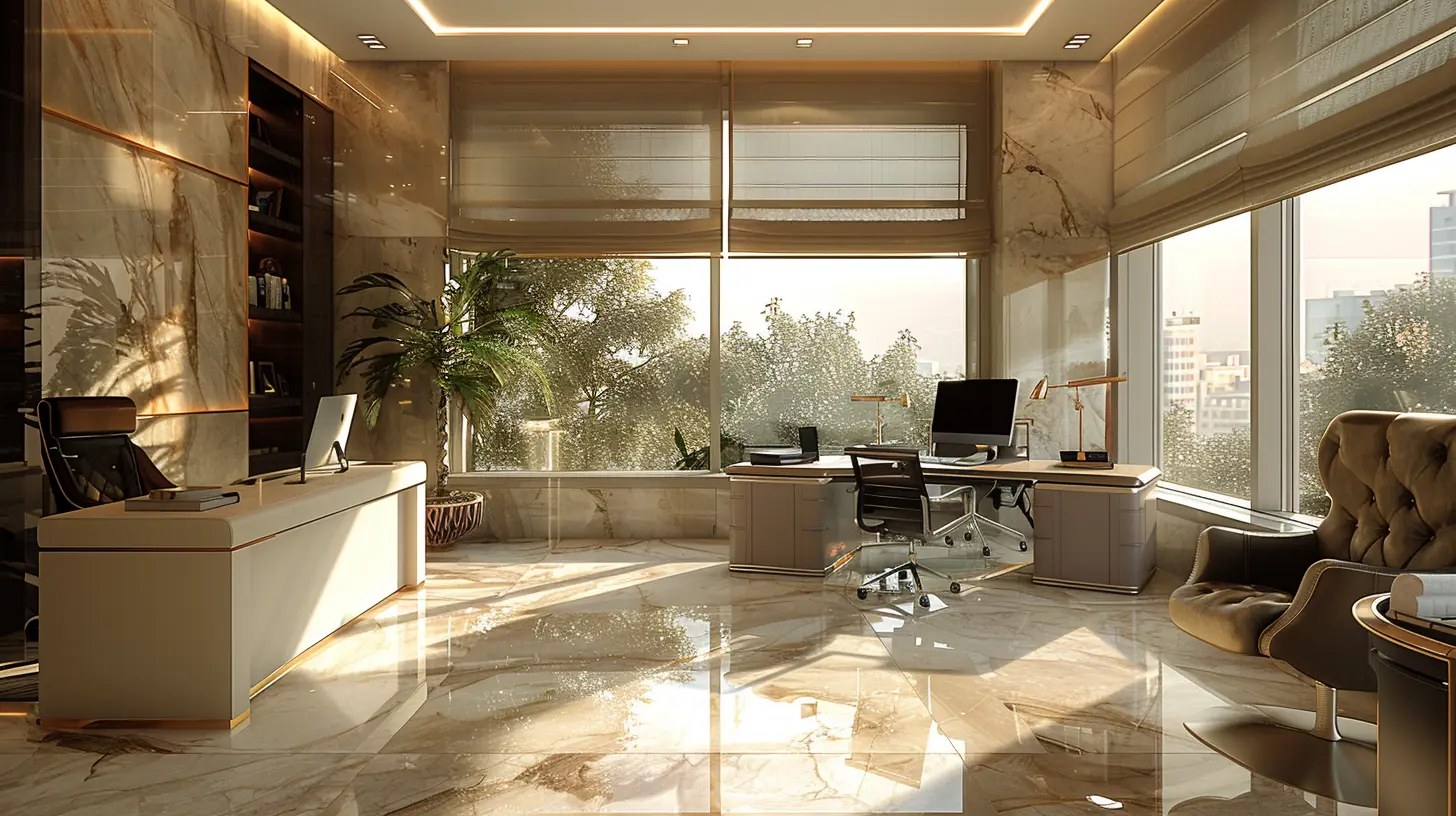
Why a Functional and Stylish Home Office Matters
Think about this for a second: how many hours a day do you spend in your home office? Probably too many to settle for a space that’s cluttered, uninviting, or downright uninspiring. Your work environment impacts your mood, creativity, and productivity. If your home office feels like an afterthought, chances are your work will, too.On the flip side, a thoughtfully designed space can boost your focus and energy while keeping you motivated. It’s not just about fancy furniture or trendy décor—it’s about creating a workspace that works for you.
The Psychological Boost of a Great Space
Have you ever noticed how much easier it is to focus in a clean, organized, and aesthetically pleasing environment? That’s no coincidence. Research shows that our surroundings have a direct impact on our mental state. A cluttered, chaotic workspace can lead to stress and distraction, while a well-organized, visually appealing space can make work feel, well, enjoyable!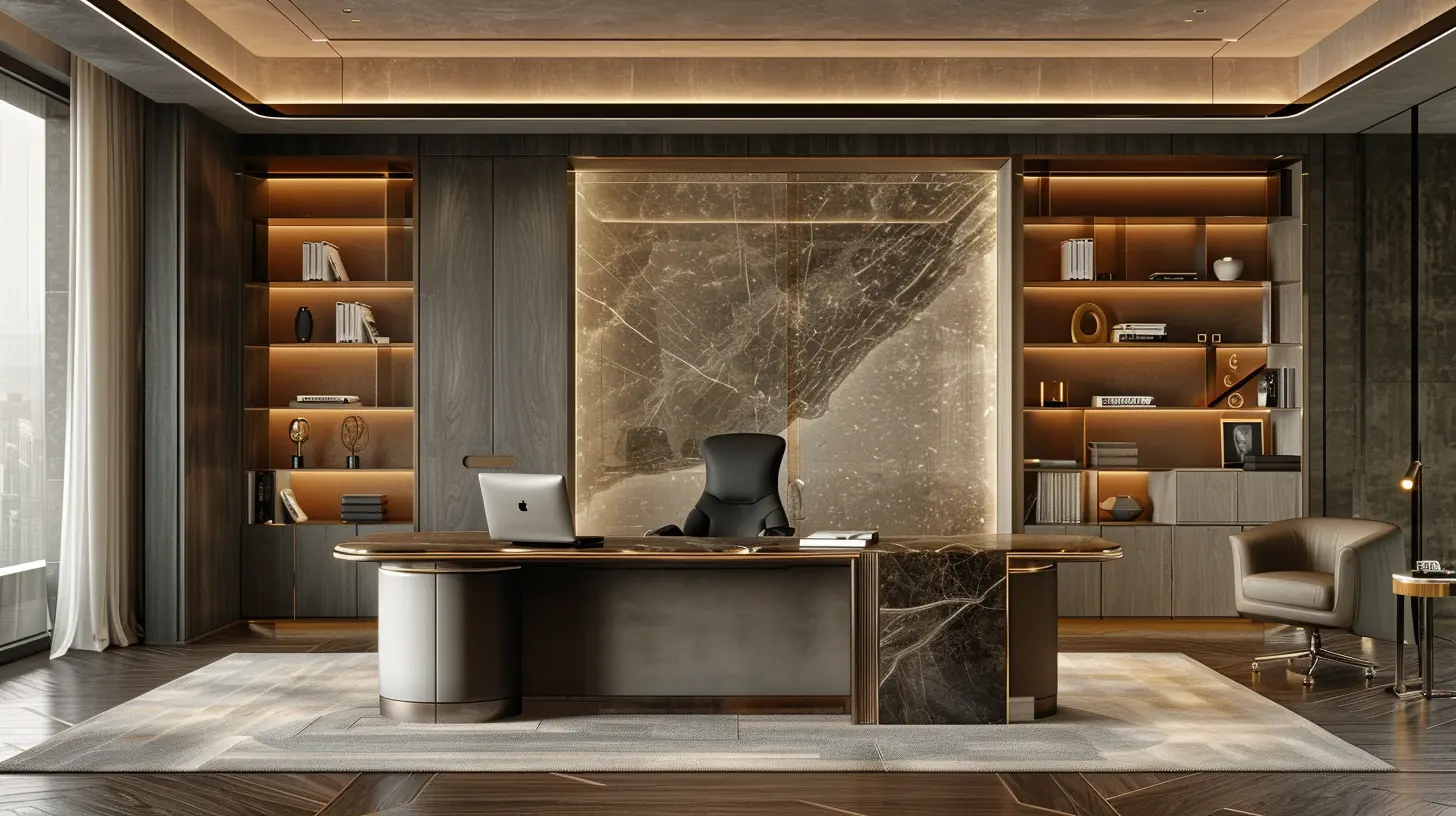
Step 1: Define Your Needs
Before you start rearranging furniture or shopping for desks, take a pause. Ask yourself: What do I really need from my home office? Your answer will depend on the nature of your work, your personal preferences, and your space limitations.- What kind of work do you do? A graphic designer might need a large desk and high-quality lighting, while a writer might prioritize a quiet space and a comfy chair.
- Do you host virtual meetings? If so, you’ll want a background that looks professional and lighting that flatters you on camera.
- How much storage do you need? If your job involves paperwork, consider filing cabinets or shelves to keep things organized.
- What’s your budget? Be realistic about what you can spend, but remember, investing in a quality setup can pay off in the long run.
Understanding your needs will help you make decisions about everything from furniture placement to décor choices—and it’ll save you from buying stuff you don’t need. (We’ve all been there, right?)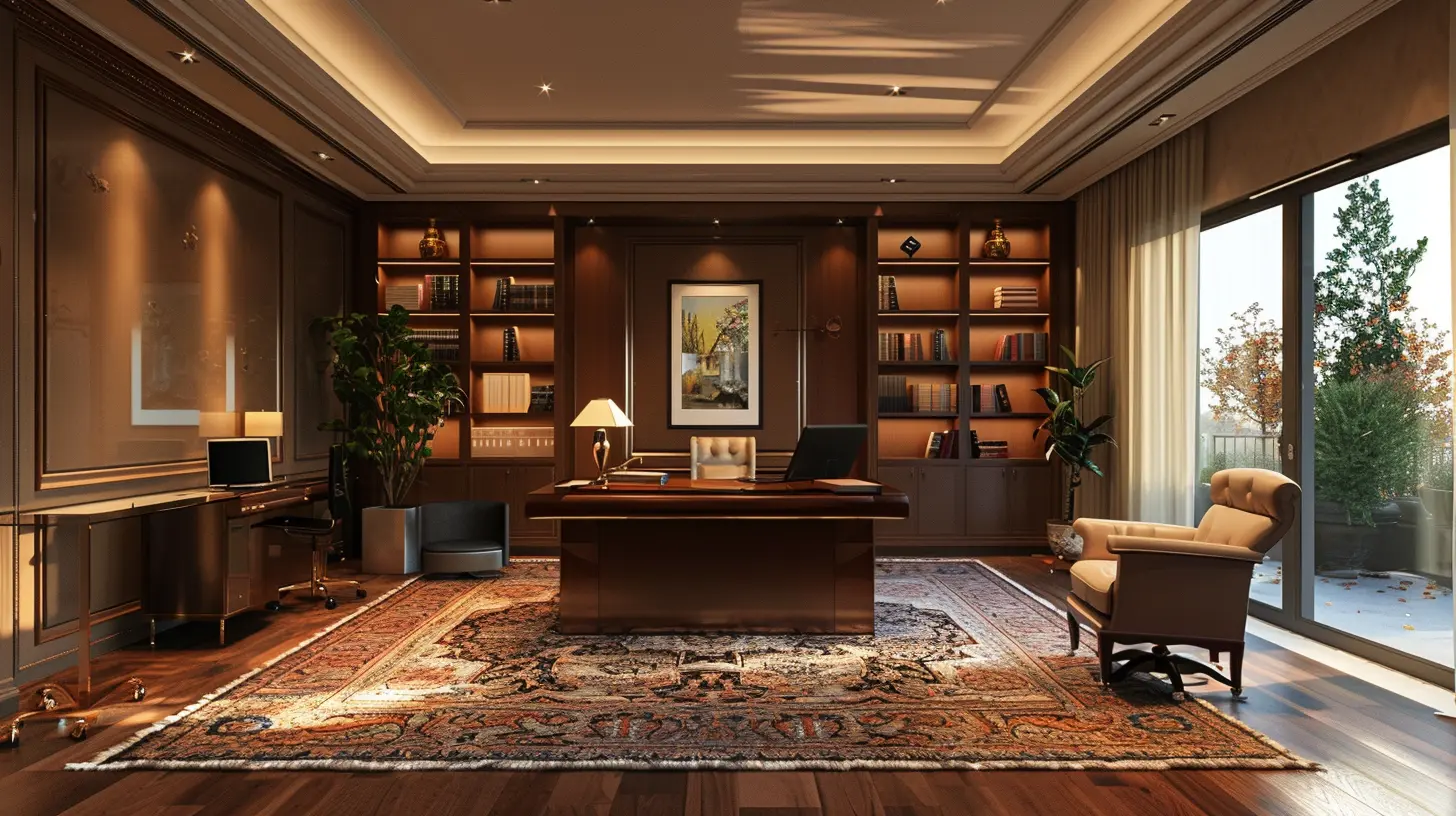
Step 2: Prioritize Functionality
Let’s talk brass tacks: a home office needs to be functional. Period. Even the most beautiful office in the world won’t help you if your chair leaves you with back pain, or you’re constantly losing papers because you lack storage. So, let’s get the basics right first.Choose the Right Desk
The desk is the cornerstone of any home office. Make sure it’s the right size for your space and your work. If you’re dealing with limited square footage, consider a wall-mounted desk or a multi-purpose table. Got room to spare? Go for a spacious desk with built-in drawers.And don’t forget: ergonomics matter. Ensure your desk height allows your arms to rest at a 90-degree angle when typing. Pair it with an ergonomic chair to avoid back strain.
Lighting is Everything
Natural light is your best friend. Position your desk near a window if possible, but avoid direct glare on your computer screen. If natural light is limited, invest in good-quality artificial lighting. A combination of ambient light and task lighting (like a desk lamp) works best.Organize Like a Pro
Clutter is the enemy of productivity. Use shelves, bins, or baskets to organize your supplies. A simple filing system will keep paperwork under control. Don’t forget cable management—nobody wants to stare at a tangled mess of cords.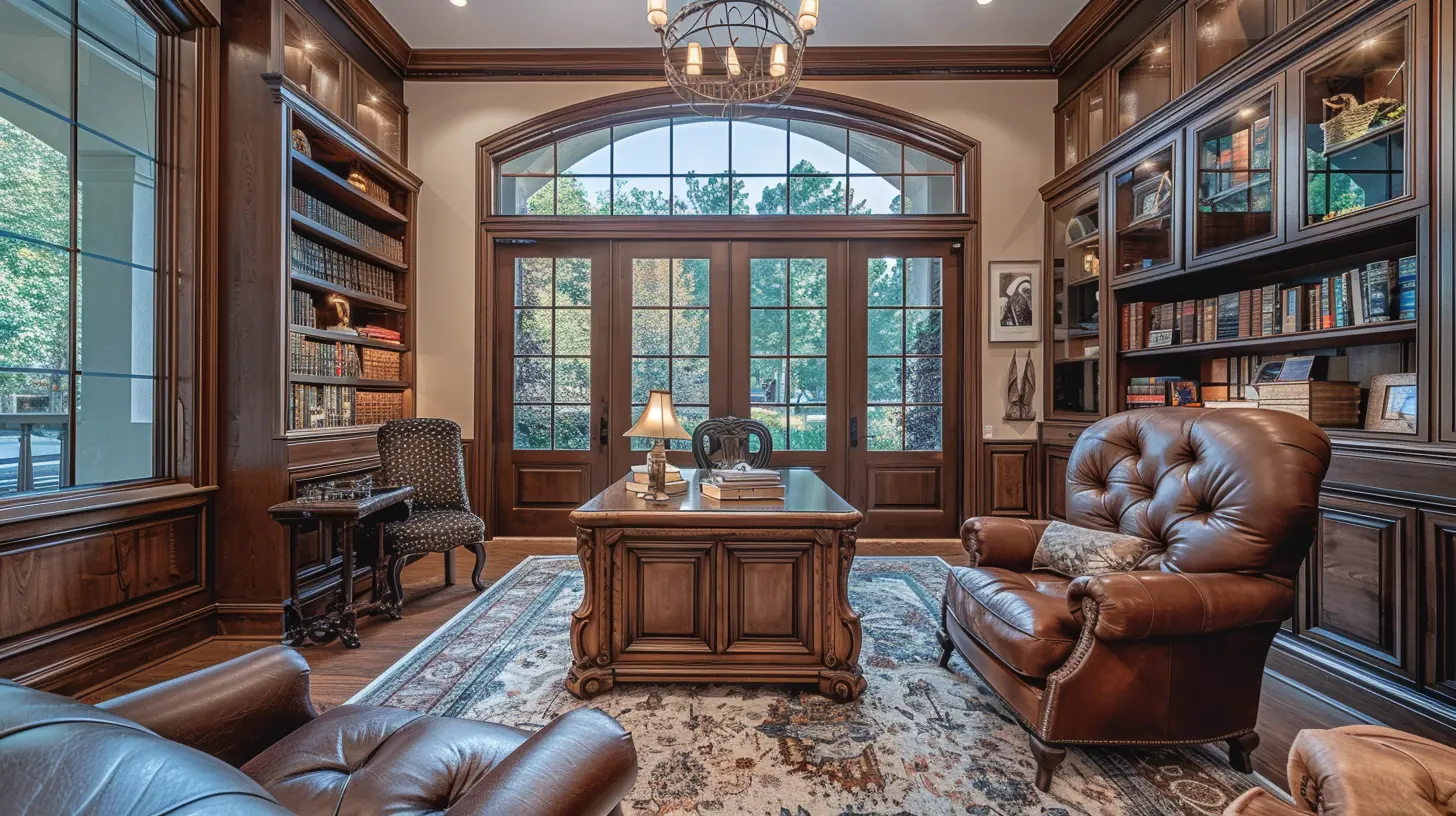
Step 3: Add Style That Reflects You
Here’s where the real fun begins! Now that you’ve got the functional stuff sorted, it’s time to inject some personality into your space. After all, this is your home office, not a generic cubicle.Pick a Color Palette
Colors can influence your mood, so choose wisely. Blue and green are known for their calming effects, while yellow can boost creativity. Need to focus? Stick to neutral tones like white, beige, or gray. Want to add some energy? A pop of bold color can do the trick.Decorate with Purpose
Decor doesn’t have to be excessive or expensive to make an impact. A few well-chosen pieces—like a framed print, a potted plant, or a stylish desk organizer—can elevate your space. Just remember: less is more. Overloading your office with knick-knacks can quickly turn it into a cluttered nightmare.Bring in Some Greenery
Plants aren’t just trendy—they’re proven to reduce stress, improve air quality, and make you feel happier. Whether it’s a low-maintenance succulent or a leafy fiddle-leaf fig, a touch of greenery can make a world of difference.Step 4: Tech Tools That Make Life Easier
Let’s be real: technology plays a huge role in how we work today. Don’t overlook the tech tools that will make your home office more efficient.Invest in Quality Equipment
A slow computer or unreliable Wi-Fi can tank your productivity. Upgrade your equipment as needed and make sure your workspace is tech-friendly. Add a surge protector for your gadgets and consider a standing desk converter if you want to switch up your posture throughout the day.Keep Tech Organized
Use cable clips or a cable management box to keep cords tidy. A wireless mouse and keyboard can reduce desk clutter, and a monitor stand can free up space while improving your posture.Step 5: Keep It Flexible
Your needs might change over time, so it’s a smart idea to design a home office that’s adaptable. Maybe you’ll need extra space for a second monitor down the road, or perhaps you’ll want to switch up your layout for a fresh perspective. Choose furniture and decor that can be easily rearranged or repurposed.Bonus Tips for Staying Inspired
Even the best home office will feel stale after a while if you’re not careful. Here are some quick ways to keep your space fresh and inspiring:- Change up your decor. Swap out artwork or cushions for a seasonal refresh.
- Play with scents. A scented candle or essential oil diffuser can add an instant mood boost.
- Keep personal touches nearby. A photo of your loved ones or a memento from your last vacation can remind you why you’re working so hard.
The Final Touch
There you have it—a home office that’s not just functional but also stylish and inspiring. Remember, your workspace should be a reflection of you: organized, creative, and full of possibilities. Whether you’re sipping coffee during a brainstorming session or crushing deadlines on a Friday afternoon, your home office should be a place where you feel empowered to do your best work.all images in this post were generated using AI tools
Category:
Interior DesignAuthor:

Mateo Hines
Discussion
rate this article
2 comments
Josephine Roberts
Transform your workspace into a sanctuary! A well-designed home office fuels creativity, boosts productivity, and ignites inspiration every day.
March 19, 2026 at 11:22 AM
Mateo Hines
Absolutely! A thoughtful design really can turn a workspace into a source of daily inspiration.
Lyanna McKay
A truly inspiring home office balances functionality and style, fueling creativity amidst everyday distractions.
March 16, 2026 at 4:13 AM
Mateo Hines
Thank you! Striking the right balance between functionality and style is key to creating a motivating workspace.