Harnessing Geothermal Energy for a Sustainable Home
4 May 2026
When it comes to sustainable living, most homeowners think of solar panels or wind turbines. But did you know there's another powerful, underutilized energy source right beneath your feet? Geothermal energy is a game-changer for eco-conscious homeowners looking to reduce energy bills, minimize their carbon footprint, and enjoy year-round comfort.
But what exactly is geothermal energy, and how can it turn your home into an energy-efficient haven? Let’s dig into the details—literally!

What is Geothermal Energy?
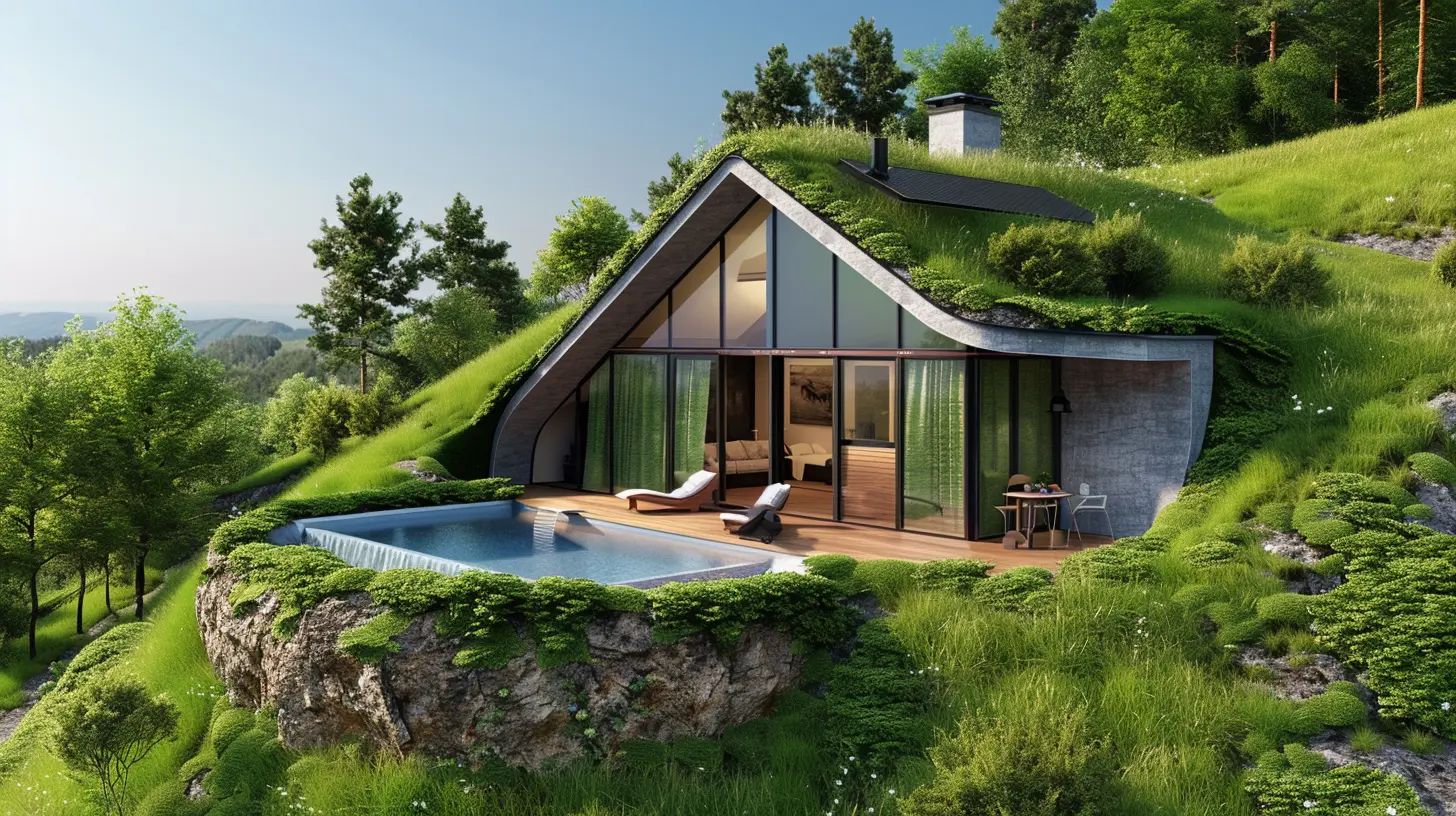
Geothermal energy harnesses the Earth’s natural heat, which is stored below the surface. Unlike the weather-dependent nature of solar or wind energy, geothermal energy provides consistent and reliable heating and cooling throughout the year.It works by tapping into the stable underground temperatures via geothermal heat pumps (GHPs). These systems transfer heat between your home and the earth to maintain ideal indoor conditions without relying on fossil fuels.
How Does Geothermal Energy Work?
Think of it this way: during summer, the ground is cooler than the air above it, and during winter, the ground is warmer than the frigid air outside. Geothermal heat pumps take advantage of this temperature difference to regulate your home’s climate.A geothermal system consists of three main parts:
1. Ground Loop System – A network of underground pipes filled with a water-based fluid that absorbs or dissipates heat.
2. Heat Pump Unit – The system that transfers heat between the ground loops and your home.
3. Ductwork or Radiant Heating – The distribution system that delivers warm or cool air throughout your home.
This closed-loop system continuously cycles heat, providing a highly efficient and environmentally friendly way to keep your home comfortable. 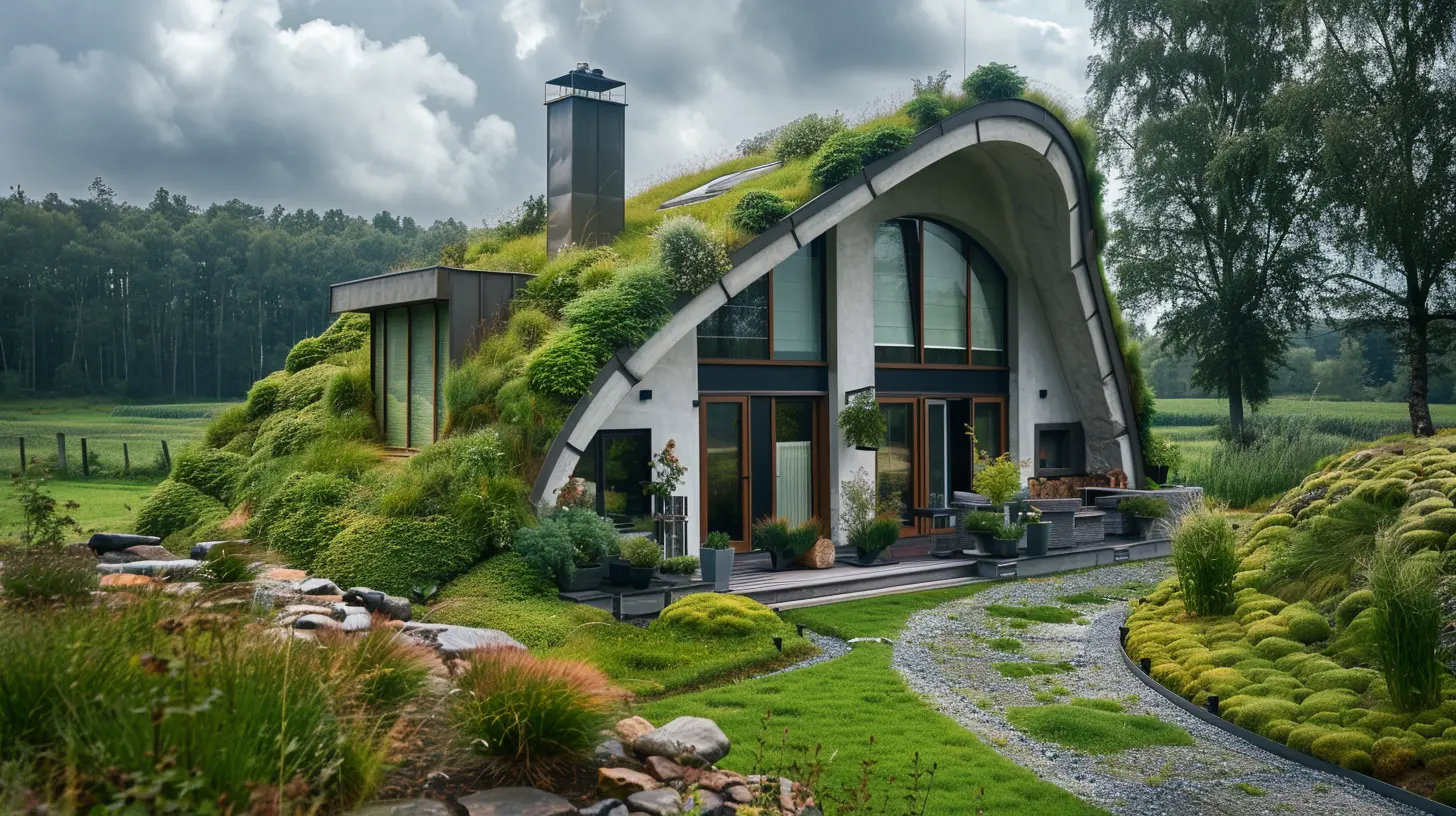
Why Geothermal Energy is a Smart Choice for Homeowners
If you’re wondering whether a geothermal system is worth the investment, let’s break down the benefits.1. Significant Energy Savings
One of the biggest perks of geothermal energy? Lower utility bills.Traditional HVAC systems rely on fossil fuels or electricity, leading to ever-increasing energy costs. In contrast, geothermal heat pumps are up to 400% more efficient than conventional heating and cooling systems. This means that for every unit of electricity used, you get four units of heating or cooling in return.
Homeowners can expect 30-70% savings on heating costs and 20-50% on cooling costs compared to conventional systems. Over time, these savings add up, making geothermal a financially sound investment.
2. Eco-Friendly & Sustainable
Want to reduce your carbon footprint? Geothermal energy is one of the greenest heating and cooling solutions available.Unlike gas furnaces or wood-burning stoves, geothermal systems don’t produce direct emissions of carbon dioxide, methane, or other greenhouse gases. According to the U.S. Environmental Protection Agency (EPA), geothermal systems can reduce greenhouse gas emissions by up to 72% compared to traditional heating and cooling systems.
By making the switch, you’re not just saving money—you’re actively fighting climate change!
3. Year-Round Comfort
Ever had to endure a brutally cold winter night because your furnace struggled to keep up? Or a sweltering summer day where your AC barely made a dent?Geothermal systems maintain a steady indoor temperature, no matter how extreme the outdoor conditions. Since underground temperatures remain relatively constant year-round (typically between 45°F and 75°F), your system doesn’t have to work as hard as traditional HVAC units.
Goodbye to those temperature swings, and hello to consistent, cozy comfort!
4. Durability & Low Maintenance
Let’s be honest—standard HVAC systems are prone to breakdowns, expensive repairs, and constant maintenance. Geothermal systems? Not so much.- Fewer moving parts compared to traditional furnaces or air conditioners.
- Underground components last for over 50 years, while the heat pump itself lasts 20-25 years.
- Minimal maintenance—typically, only an annual check-up is needed.
This means fewer headaches and reduced long-term costs.
5. Increased Home Value
As sustainability becomes a priority for homebuyers, energy-efficient homes with geothermal systems have a significant edge in the market.Imagine telling potential buyers they can enjoy ultra-low energy bills, superior comfort, and an eco-friendly home. That’s a pretty compelling selling point! Homes with geothermal installations often command higher resale values, making it a smart long-term investment. 
What Are the Costs & Considerations?
By now, geothermal energy probably sounds like a dream come true. But let’s talk about the elephant in the room: upfront costs.Initial Installation Costs
A geothermal system isn’t cheap to install. Depending on factors like home size, soil composition, and system type, costs typically range from $10,000 to $30,000. This figure includes drilling, installation, and equipment.However, before you write it off as too expensive, remember: geothermal systems pay for themselves in energy savings within 5 to 10 years. Plus, there are financial incentives that can offset costs.
Government Incentives & Tax Credits
To encourage renewable energy adoption, many governments offer tax credits, rebates, and incentives for geothermal installations. For example, in the U.S., homeowners can qualify for the Federal Residential Renewable Energy Tax Credit, which provides a 30% tax credit on installation costs.State and local incentives may also apply, making the upfront investment far more manageable.
Is Geothermal Right for Your Home?
Before making the switch, consider:- Lot Size & Soil Conditions – You’ll need sufficient space for underground loops, though vertical systems work well for smaller lots.
- Existing HVAC System – Converting from traditional HVAC to geothermal requires an upfront investment, but the long-term savings make up for it.
- Budget & Incentives – Research available rebates or tax credits to help offset costs.
If you’re planning to stay in your home long-term, geothermal systems are a fantastic investment—for your wallet and the planet.
The Future of Sustainable Homes
With rising energy costs and increasing climate concerns, geothermal energy is poised to play a major role in the future of home sustainability. It’s reliable, efficient, and environmentally friendly, offering a long-term solution for homeowners seeking energy independence.If you’re serious about cutting energy costs while reducing your carbon footprint, geothermal power is worth every penny. Not only will you enjoy long-lasting comfort, but you’ll also contribute to a greener, healthier planet.
So, why not harness the Earth's natural energy and create a truly sustainable home?
all images in this post were generated using AI tools
Category:
Green HomesAuthor:

Mateo Hines
Discussion
rate this article
2 comments
London Webster
Why settle for a hot shower when your whole house can feel like a cozy hug from Mother Earth? Geothermal energy: where the ground heats your home and your heart all at once. Talk about a warm welcome!
June 27, 2026 at 12:34 PM
Mateo Hines
Thanks for capturing the essence of geothermal energy! It truly does create a warm and inviting atmosphere, both inside and out.
Thor McClain
Geothermal energy is a smart choice for sustainable homes. It offers efficiency and lowers utility costs, making it a win-win for both homeowners and the environment.
May 15, 2026 at 3:03 AM
Mateo Hines
Thank you for highlighting the benefits of geothermal energy. It truly is a great solution for both savings and sustainability in our homes.