Home Automation Myths: What You Should Really Know
14 April 2026
Home automation is no longer a concept of the future—it's here, and it's transforming the way we live. With smart home technology growing rapidly, there's a lot of misinformation floating around. Some people think home automation is too expensive, too complicated, or even a security risk. But how much of this is actually true?
Let's dive into some of the most common home automation myths and debunk them once and for all! 
Myth #1: Home Automation Is Only for the Rich
One of the biggest misconceptions is that smart homes are a luxury only the wealthy can afford. While this may have been somewhat true in the past, times have changed.Today, there are smart devices available for every budget. You don't need to spend thousands of dollars to automate your home. You can start small with affordable smart plugs, bulbs, or thermostats and expand as you go. Plus, many devices are designed for DIY installation, meaning you don’t have to shell out extra for professional setup.
The Reality: There’s Something for Everyone
Whether you have $50 or $5,000 to invest, there's a home automation solution for you. Voice assistants like Amazon Echo or Google Nest are relatively cheap and can serve as the foundation of your smart home. From there, you can add devices as your budget allows.
Myth #2: Smart Homes Are Too Complicated to Use
Many people shy away from smart technology because they think it’s too technical or that they'd need a degree in computer science to operate it.In reality, today's smart home systems are designed with user-friendliness in mind. Devices are typically controlled via apps on your smartphone, tablet, or a voice assistant. If you can use a phone app, you can use a smart home system!
The Reality: It’s Simpler Than You Think
Most smart home devices come with step-by-step instructions and intuitive controls. Plus, many companies offer customer support to help with setup. Even better, voice commands make managing your home as easy as saying, "Turn off the lights" or "Set the thermostat to 72 degrees."
Myth #3: Home Automation Poses Serious Security Risks
It’s true that any internet-connected device has the potential to be hacked, but that doesn’t mean smart home devices are inherently unsafe. The key to cybersecurity in smart homes is proper setup and maintenance.The Reality: Smart Homes Can Be Secure If You Take the Right Steps
Here are some best practices to keep your smart home secure:- Use Strong Passwords: Avoid default passwords and opt for complex, unique ones.
- Enable Two-Factor Authentication: Adds an extra layer of security.
- Keep Firmware and Software Updated: Regular updates fix vulnerabilities.
- Secure Your Home Network: Use a strong Wi-Fi password and consider a separate network for smart devices.
By taking these steps, you can enjoy the benefits of home automation without worrying about security threats. 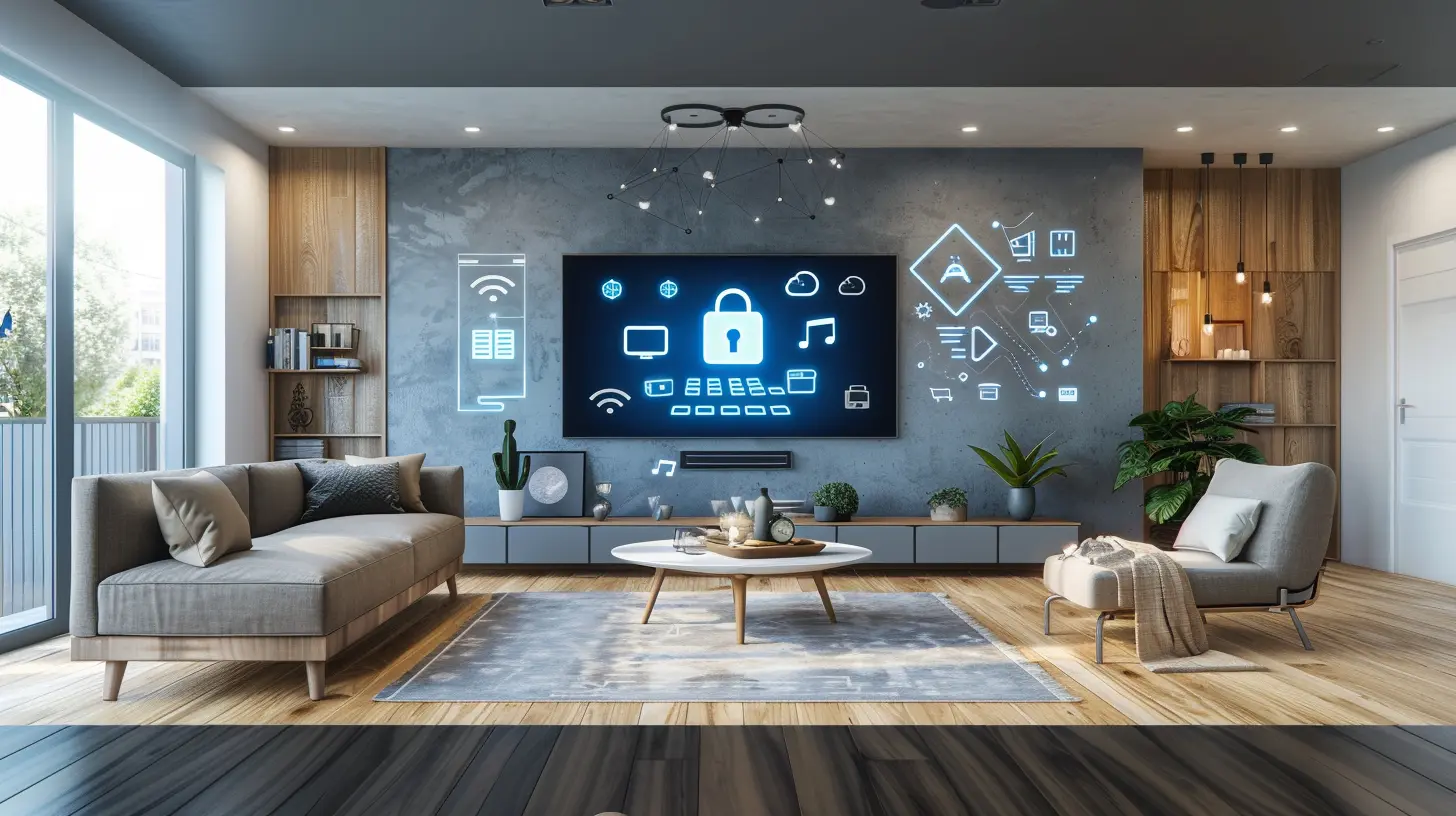
Myth #4: Home Automation Doesn’t Save Money
Another widespread belief is that smart home technology is just an unnecessary expense without any real financial benefits. This couldn't be further from the truth.The Reality: Home Automation Can Reduce Energy Bills
Smart thermostats, lighting systems, and energy-efficient appliances can help you cut down on wasted electricity. For example:- Smart Thermostats adjust based on your habits, optimizing heating and cooling and reducing energy waste.
- Smart Lighting can turn off automatically when rooms are unoccupied.
- Energy Monitoring Devices help track energy consumption, showing where you can cut back.
In the long run, these savings can add up, making home automation a smart investment rather than just a luxury.
Myth #5: Home Automation Is Useless If the Internet Goes Out
Many people assume that if their internet goes down, their smart devices become useless. While some devices rely heavily on a Wi-Fi connection, others function independently or have offline modes.The Reality: Many Smart Devices Work Without Internet
- Smart Thermostats still control temperature using pre-set schedules.- Smart Locks typically have manual key entry or backup codes.
- Smart Lighting Systems can often be controlled manually.
Yes, you may lose remote access to some features, but your home won’t suddenly become unlivable just because of a temporary internet outage.
Myth #6: Smart Homes Are Just a Passing Trend
Some skeptics believe that home automation is just a fad that will lose popularity over time. But if anything, the industry is only growing.The Reality: Home Automation Is the Future
Major tech companies are investing heavily in smart home technology. Devices are becoming more intuitive, user-friendly, and affordable. Plus, homebuyers are increasingly looking for smart home features when purchasing properties, making it a valuable investment for homeowners.As artificial intelligence and automation continue to evolve, smart homes will only become more efficient and integrated. It’s safe to say this trend isn’t going anywhere.
Myth #7: Home Automation Eliminates Privacy
With smart speakers, cameras, and other connected devices in the home, many people worry their personal information is always being monitored.The Reality: Privacy Concerns Can Be Managed
While it’s true that data privacy is important, reputable smart home brands adhere to strict security protocols to protect user data. Here’s what you can do to safeguard your privacy:- Turn Off Voice Assistants When Not in Use – Many devices have mute buttons for extra security.
- Review Privacy Settings – Customize data collection settings within apps.
- Buy from Reputable Brands – Opt for trusted companies that prioritize security.
With the right precautions, you can enjoy the convenience of a smart home without sacrificing privacy.
Myth #8: Smart Homes Require Constant Maintenance
A common myth is that smart home devices need endless software updates and troubleshooting, making them more of a hassle than they're worth.The Reality: Minimal Maintenance Is Needed
Most smart devices require little to no upkeep beyond occasional software updates. These updates often happen automatically in the background, ensuring your devices run smoothly without any effort from you.Unlike traditional appliances that may require physical repairs or replacements, smart devices are often updated remotely, keeping them functional for longer.
Myth #9: Home Automation Takes Away Control from Homeowners
Some people worry that automation means handing over control to artificial intelligence, leaving them powerless when it comes to managing their homes.The Reality: Automation Provides More Control, Not Less
With automation, you decide how your home operates. Whether it’s setting schedules for lights, adjusting temperature preferences, or remotely locking doors, every function is under your control.And if you ever prefer manual control, almost all smart devices have the option to override automation and switch back to traditional use anytime.
Conclusion
Home automation isn’t just for the ultra-rich or tech-savvy. It's an accessible, practical solution that can save you time, money, and energy. While there are concerns about security and privacy, proper setup and precautionary measures ensure a safe and enjoyable experience.So, if you’ve been hesitant about diving into the world of smart home technology due to these myths, now’s the time to reconsider. With numerous affordable and user-friendly options, there's no reason not to start enjoying the benefits of a smarter home today!
all images in this post were generated using AI tools
Category:
Smart HomesAuthor:

Mateo Hines
Discussion
rate this article
2 comments
Hudson Lynch
Great insights! Thanks for clarifying common home automation misconceptions.
April 26, 2026 at 2:37 AM
Mateo Hines
Thank you! I'm glad you found it helpful.
Lulu Carrillo
Clarifying automation misconceptions effectively.
April 14, 2026 at 3:01 AM
Mateo Hines
Thanks for your feedback! I'm glad you found the clarifications helpful. Understanding the truth behind automation is key to making informed decisions.