How 3D Printing is Changing the Game in Real Estate Construction
22 February 2026
The real estate industry is no stranger to innovation, but one of the most groundbreaking advancements in recent years is 3D printing. What once seemed like a futuristic concept is now revolutionizing the way homes and buildings are designed, constructed, and even sold.
Imagine being able to print an entire house in just a few days instead of waiting months—or even years—for traditional construction. Sounds unreal, right? Well, this is the new reality, thanks to 3D printing technology.
In this article, we’ll break down how 3D printing is transforming the real estate construction game, its benefits, challenges, and what the future holds. 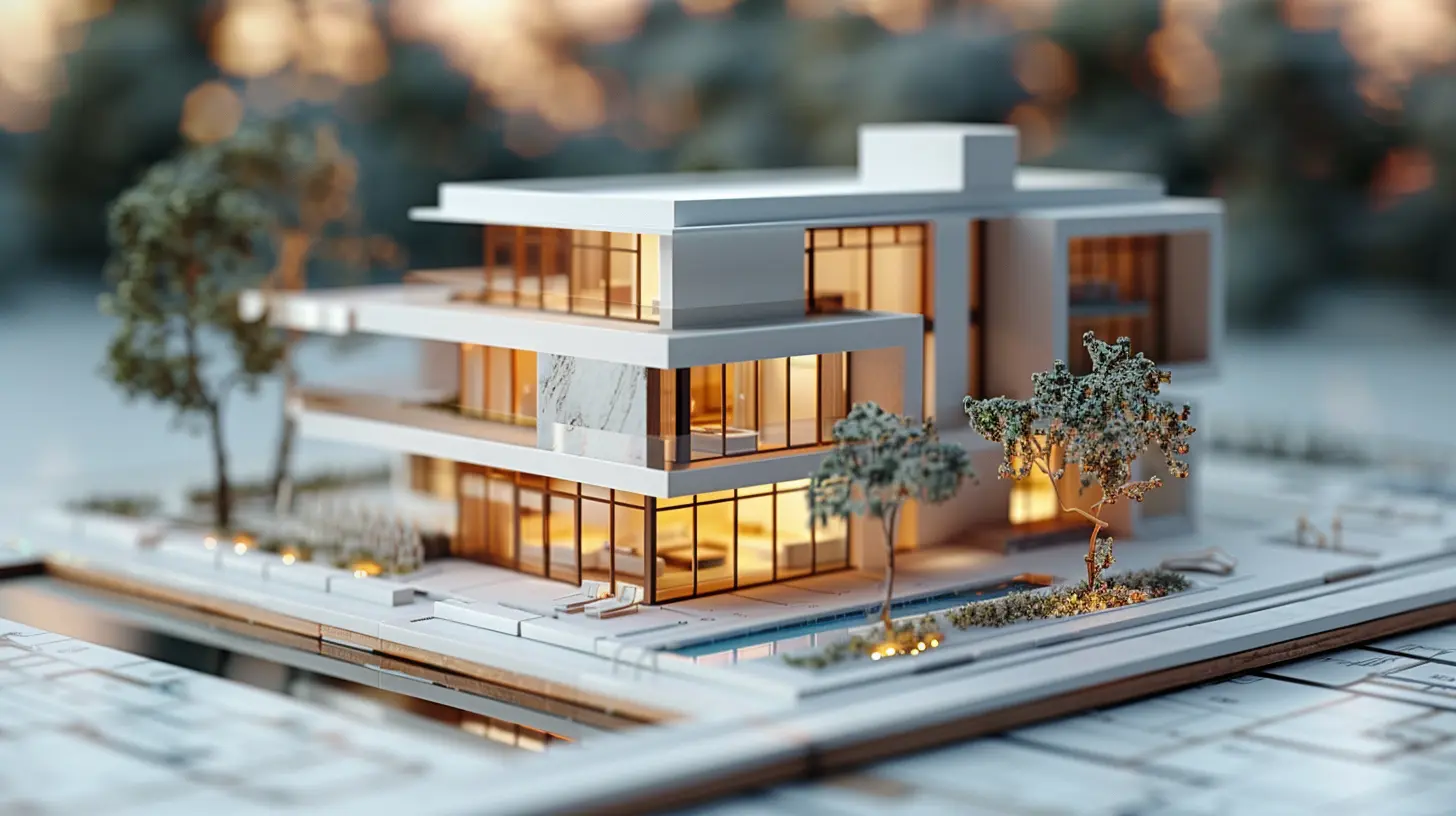
What is 3D Printing in Construction?
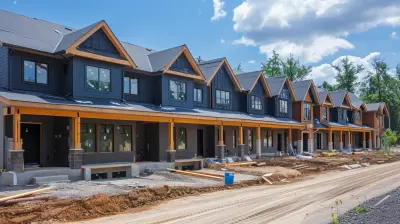
Before diving into its impact, let's first understand what 3D printing in construction actually means.3D printing, also known as additive manufacturing, is a process where a machine prints out a structure layer by layer using materials like concrete, plastic, or even recycled substances. In the context of real estate, massive 3D printers are used to build entire homes, commercial buildings, and infrastructure projects with precision and efficiency.
This revolutionary technology is already being adopted worldwide, from the U.S. to China, as companies race to create affordable, sustainable, and faster housing solutions. 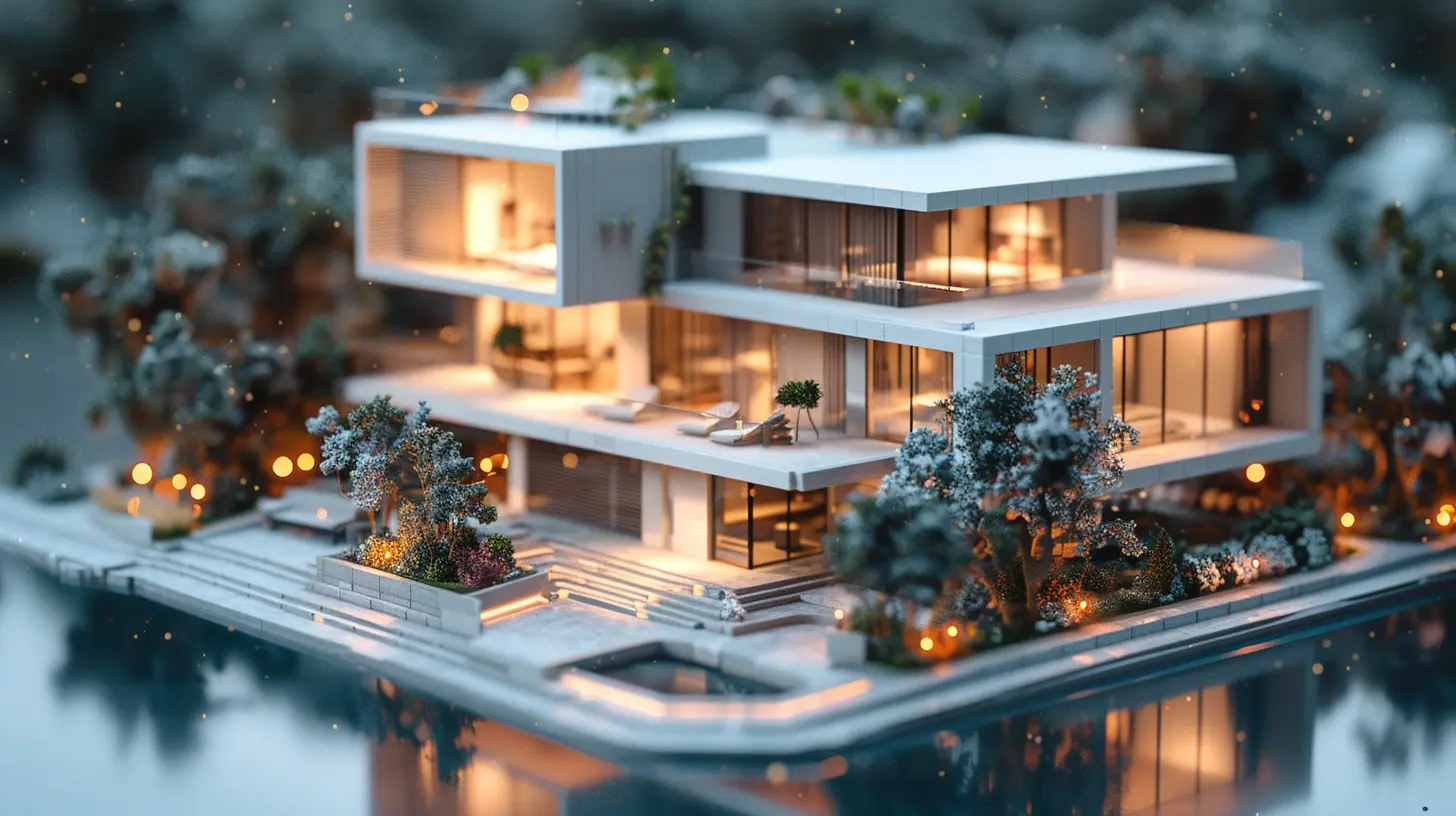
How 3D Printing is Disrupting the Real Estate Industry
So, how exactly is 3D printing changing real estate construction? Here are some of the game-changing ways:1. Faster Construction Time
One of the biggest advantages of 3D-printed buildings is speed. Traditional construction projects can take months or even years to complete, but with a 3D printer, entire houses can be built in just a few days or weeks.For example, ICON, a Texas-based 3D printing company, built a 500-square-foot home in just 24 hours. That’s a fraction of the time it would take using conventional methods!
This speed is a game-changer, especially in regions facing urgent housing crises or natural disasters where rapid reconstruction is needed.
2. Lower Construction Costs
Building a house is expensive—there’s no way around it. Between labor, materials, and unexpected delays, costs can quickly spiral out of control. But 3D printing is drastically reducing these expenses.- Fewer workers are needed since machines do most of the work.
- Less material waste occurs because the technology prints exactly what’s needed, eliminating excess.
- No expensive molds or forms are required, which further cuts costs.
According to some estimates, 3D printing can reduce construction costs by up to 50%, making homeownership more affordable for millions of people.
3. Eco-Friendly & Sustainable Construction
Sustainability is a hot topic in real estate, and 3D printing is leading the charge. Traditional construction generates tons of waste, but 3D printing significantly reduces environmental impact.- Many 3D-printed buildings use recycled materials, reducing reliance on traditional concrete, which has a high carbon footprint.
- The precise nature of 3D printing means less waste—only the required materials are used.
- Some companies are experimenting with biodegradable building materials, making construction even greener.
This technology could be the key to building sustainable homes that don’t harm the planet.
4. Customization Like Never Before
Imagine designing your dream home and having it printed exactly how you envisioned it. With 3D printing, that’s becoming a reality.- Want curved walls instead of straight ones? No problem!
- Prefer an open-concept design? Done!
- Need to add a custom smart home feature? Easy!
The flexibility of 3D printing allows for endless design possibilities, giving homeowners and real estate developers complete creative freedom.
5. Solving the Housing Crisis
Affordable housing is a global challenge, but 3D printing might be the solution. In many countries, housing shortages leave millions without proper shelter.Organizations like New Story and ICON are already using 3D printing to build low-cost homes in developing nations. These homes are:
- Durable and weather-resistant
- Cost-efficient, often under $10,000
- Built in days, not months
If widely adopted, this technology could provide safe, affordable housing for millions of people worldwide. 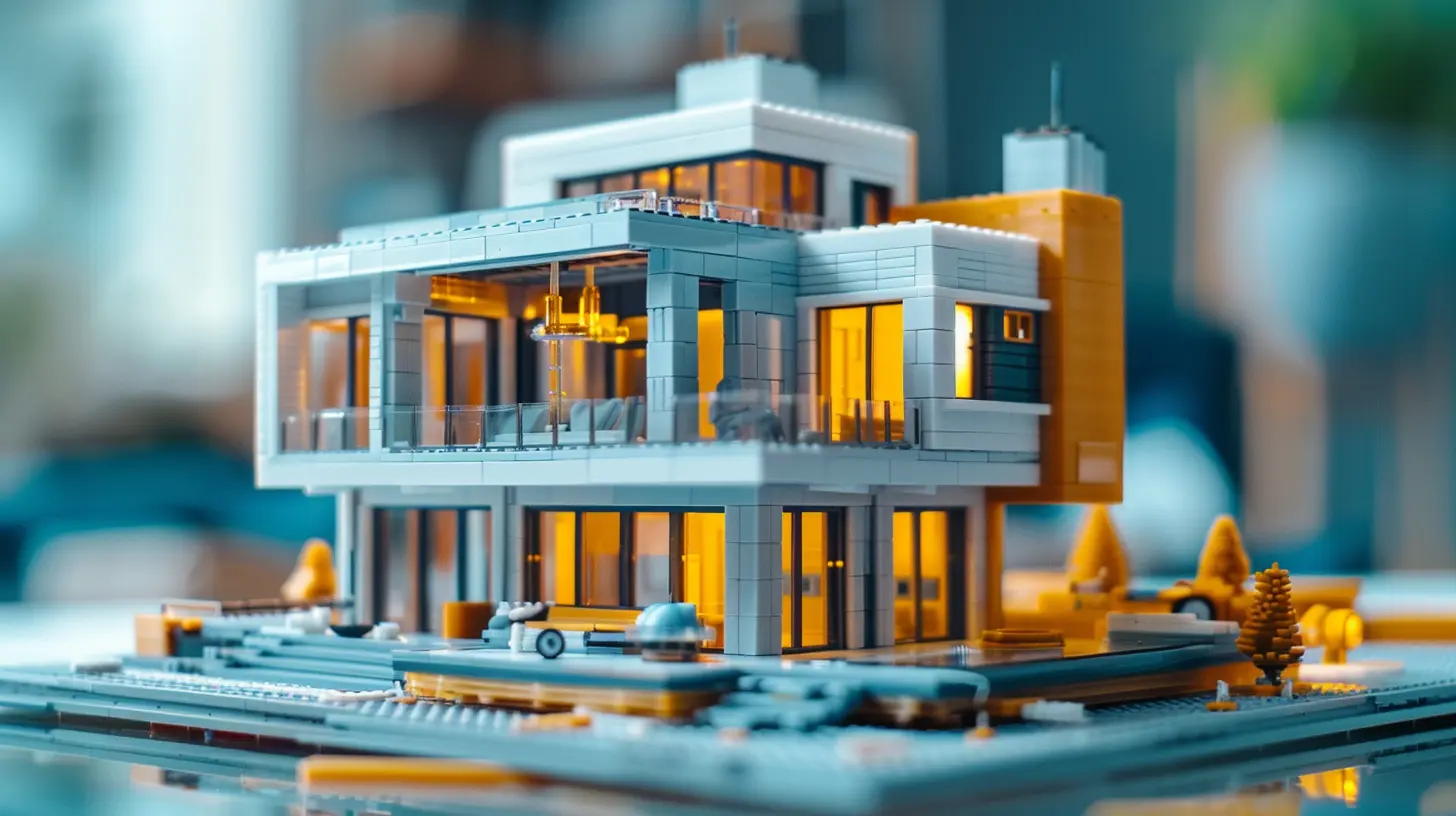
Challenges of 3D Printing in Real Estate
While 3D printing is a game-changer, it’s not without its challenges. Here are some hurdles the industry needs to overcome:1. Regulatory and Legal Issues
Many regions still lack clear regulations for 3D-printed buildings. Building codes, zoning laws, and safety standards need to catch up to this new technology. Until then, large-scale adoption may be slow.2. High Initial Investment
Even though 3D printing reduces costs in the long run, the initial setup costs for the printers and materials can be quite high. This may deter smaller construction firms from adopting the technology early on.3. Limited Material Options
Right now, most 3D-printed houses use concrete-based materials. While strong and durable, expanding the range of materials—like metal and wood—could further enhance the technology’s capabilities.4. Public Perception and Acceptance
Would you buy a 3D-printed home? Some people are still skeptical about the structural integrity and durability of these homes. As more successful projects emerge, public confidence is likely to grow.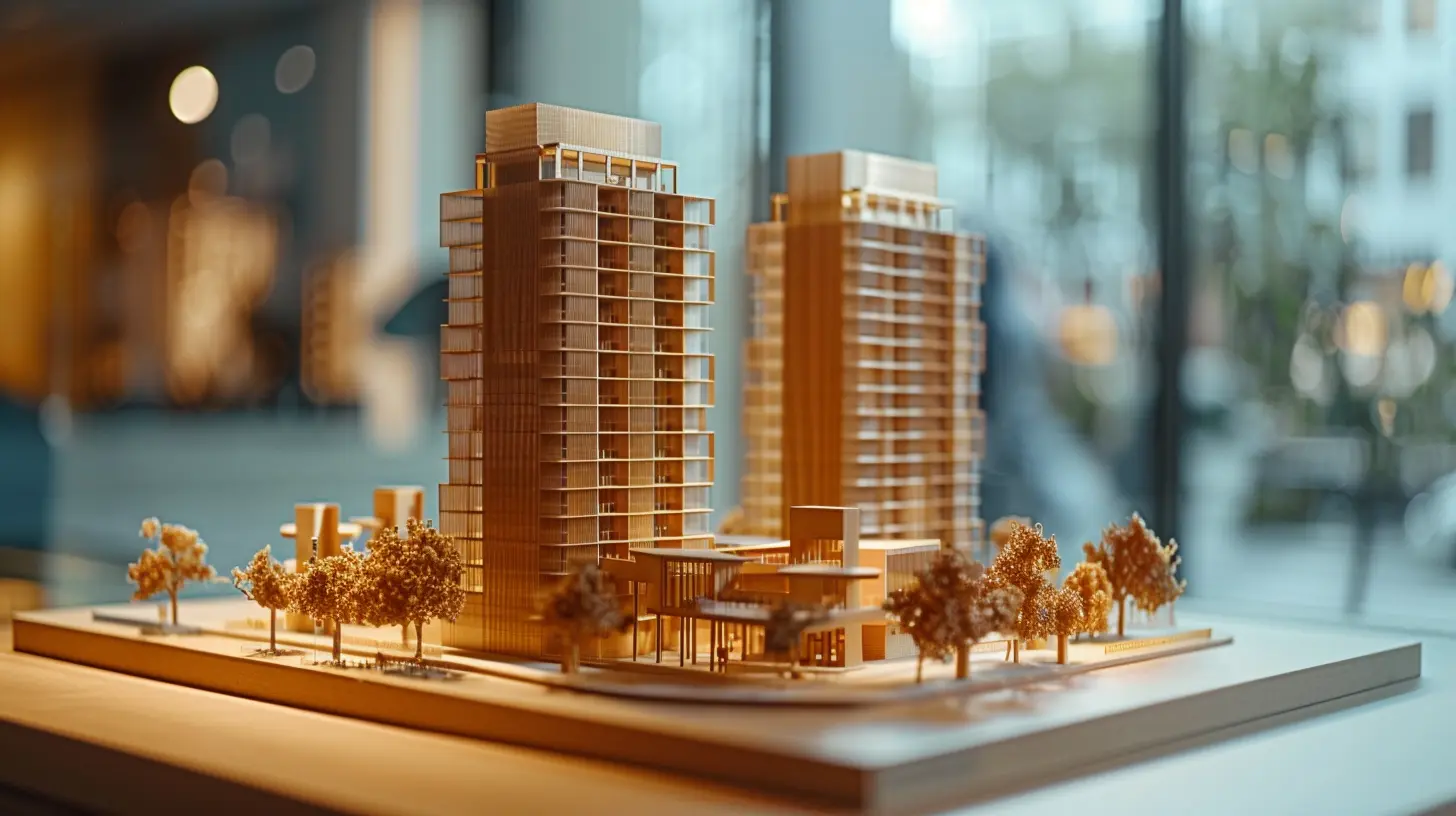
The Future of 3D Printing in Real Estate
Despite challenges, 3D printing is here to stay, and its future in real estate looks promising. Experts predict that:- More governments will support 3D-printed housing projects to tackle housing shortages.
- Technology improvements will allow for multi-story buildings and skyscrapers to be 3D-printed.
- Smart home integration will become easier as 3D-printed structures evolve.
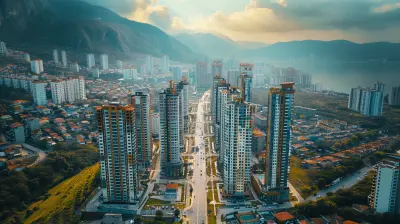
As technology advances, we may even see entire neighborhoods built in record time, changing urban development as we know it.
Final Thoughts
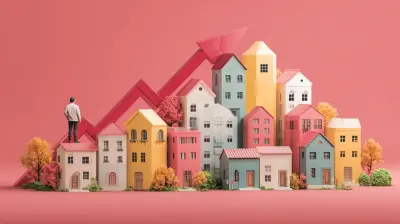
There’s no denying it—3D printing is revolutionizing real estate construction. From faster build times and lower costs to eco-friendly solutions and fully customizable designs, this technology is changing the way we think about housing.While challenges still exist, the benefits far outweigh the drawbacks. As innovation continues, we can expect 3D-printed homes to become the new norm, making real estate more accessible, efficient, and sustainable than ever before.
Would you ever live in a 3D-printed home? The future might just surprise you!
all images in this post were generated using AI tools
Category:
Real Estate DevelopmentAuthor:

Mateo Hines
Discussion
rate this article
2 comments
Kristina Gonzalez
Who needs traditional bricks and mortar when we can print our dream homes overnight? 3D printing is flipping the construction game on its head—faster, cheaper, and way cooler. Welcome to the future of real estate, where creativity knows no bounds!
March 2, 2026 at 5:26 AM
Mateo Hines
Absolutely! 3D printing is revolutionizing construction by offering unprecedented speed and affordability, allowing for innovative designs and accessibility in real estate. Exciting times ahead!
Rina McGuire
Embrace innovation; 3D printing is the future!
February 22, 2026 at 4:12 AM
Mateo Hines
Absolutely! 3D printing is revolutionizing real estate construction by enhancing efficiency, reducing costs, and allowing for greater design flexibility. Embracing this technology is key to shaping the future of the industry.