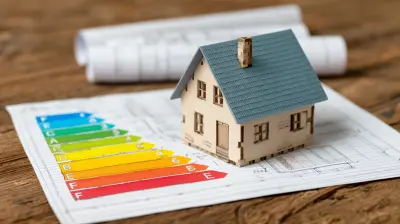
How Changing Demographics Are Impacting Real Estate Development Trends
16 May 2026
Real estate is always evolving. But if you step back and look at the bigger picture, you'll notice a powerful force shaping the market—changing demographics. People’s living preferences, lifestyles, and needs are shifting, and real estate developers are racing to keep up.
So, what’s driving these changes? Aging Baby Boomers, tech-savvy Millennials, the rise of Gen Z, and even multigenerational living are all influencing how properties are designed, built, and sold. In this article, we’re diving deep into how these demographic shifts are shaking up real estate development trends and what it means for the future of housing and commercial spaces. 
The Baby Boomer Effect: Downsizing and Active Adult Communities
Baby Boomers (born between 1946 and 1964) are redefining retirement. Many are looking to downsize from large, maintenance-heavy homes into smaller, more manageable properties. But don’t assume they’re all heading to traditional retirement communities—oh no, they want more than just shuffleboard and bingo nights.? The Rise of Active Adult Communities
Instead of slowing down, Boomers are staying active. That's why age-restricted 55+ communities with fitness centers, walking trails, and social events are booming. These communities cater to Boomers' need for both independence and social engagement.? Downsizing to Urban and Walkable Living
Many Boomers are also ditching the suburbs to move back into cities. Walkability, convenience, and access to cultural attractions, medical facilities, and restaurants are key factors. Developers are responding by building mixed-use developments where everything is just a short stroll away.
Millennials: The Experience-Driven Generation Shaping Housing Trends
Millennials (born between 1981 and 1996) have been a game-changer for real estate. They’re marrying later, prioritizing experiences over homeownership, and seeking a different kind of living experience.? Renting Over Owning
The dream of owning a home is still alive, but many Millennials are choosing to rent longer due to high home prices, student debt, and lifestyle flexibility. This has led to a surge in luxury apartment complexes with high-end amenities like coworking spaces, dog parks, and rooftop lounges.? The Suburban Comeback—But With a Twist
For years, Millennials were all about city life. But as they start families, many are heading to the suburbs—just not the way their parents did. They want vibrant town centers, eco-friendly homes, and access to public transit. Developers are responding with walkable suburban communities packed with coffee shops, breweries, and coworking spaces.? Sustainability Matters
Millennials are green-conscious buyers. They look for energy-efficient homes, smart technology integration, and sustainable building materials. Developers are adapting by integrating solar panels, smart thermostats, and even community gardens into new builds.
Gen Z’s Emerging Influence on Real Estate
Gen Z (born between 1997 and 2012) might just be stepping into adulthood, but they’re already making waves in real estate. Unlike Millennials, they’re more financially cautious and surprisingly eager to own homes earlier.? Digital First, Always
This generation grew up with technology, so they expect digital-first interactions. Virtual property tours, blockchain-based transactions, and AI-powered home recommendations? Yep, those are pretty much standard expectations now.? Smart Homes and Tech Integration
Gen Z buyers love smart homes. Voice-controlled lighting, app-enabled security systems, and energy-efficient appliances aren’t just perks—they’re must-haves. Developers are stepping up their game to meet these tech-savvy demands.? Co-Living and Affordable Housing
With rising home prices, Gen Z is open to creative living arrangements. The co-living trend—where residents share common spaces while having private bedrooms—is gaining popularity in urban areas. Expect to see more developments catering to affordability while fostering a sense of community.
The Growing Trend of Multigenerational Housing
Remember when an “ideal” home was a single-family house with a white picket fence? Times have changed. Increasingly, multiple generations are living under one roof—a trend that’s reshaping home designs.Why is this happening? Skyrocketing home prices, aging parents moving in with adult children, and cultural traditions all play a role. And developers are taking note.
? Homes With In-Law Suites and Private Entrances
Builders are now designing homes with separate living quarters, private entrances, and even second kitchens to accommodate multigenerational families.? Community-Based Living
Some developers are even crafting entire neighborhoods with multigenerational living in mind, offering a mix of small, medium, and large homes within walking distance of one another.Urban vs. Suburban: The Shift in Preferences
For a long time, cities were the “it” place to be. But COVID-19 changed everything. Remote work skyrocketed, and suddenly, people didn’t need to be tied to a city to have a great career. Now, suburban and even rural areas are seeing a surge in demand.? Hybrid Work and Housing Demand
With flexible work schedules, buyers are prioritizing home offices, larger yards, and quieter neighborhoods. Developers are responding with home designs that feature built-in office spaces, soundproof walls, and multipurpose rooms.? The 15-Minute City Concept
People still want convenience. The 15-minute city—a concept where everything (grocery stores, schools, offices, parks) is within a 15-minute walk or bike ride—is influencing new urban and suburban developments.Commercial Real Estate’s Transformation
It’s not just residential real estate that’s evolving—commercial real estate is going through a major shake-up, too.? The Future of Office Spaces
Remote work means companies are downsizing their office spaces. Developers are adapting by designing flexible, mixed-use spaces with shared work hubs, outdoor meeting areas, and wellness-focused layouts.? Retail Spaces Reinvented
Brick-and-mortar retail isn’t dead—it’s just changing. Malls are turning into entertainment hubs, coworking spaces, and even mixed-use developments with residential units on top. Experience-driven retail is now the name of the game.Final Thoughts: The Future of Real Estate Development
Demographics shape the real estate landscape in powerful ways. Whether it’s Baby Boomers seeking vibrant communities, Millennials favoring sustainability, or Gen Z embracing tech, developers are adapting to meet these needs.Real estate is no longer just about bricks and mortar—it’s about creating spaces that reflect how people live, work, and connect. And as demographics continue to shift, we can expect even more exciting changes ahead.
all images in this post were generated using AI tools
Category:
Real Estate DevelopmentAuthor:

Mateo Hines
Discussion
rate this article
2 comments
Rachel Hines
Understanding changing demographics is crucial for real estate developers. As populations shift and preferences evolve, the demand for diverse housing options will increase. Developers need to adapt to these trends by prioritizing sustainable designs and mixed-use spaces that cater to various age groups and lifestyles.
August 4, 2026 at 2:55 AM
Mateo Hines
Absolutely. Adapting to shifting demographics is vital. By embracing sustainable designs and diverse housing options, developers can meet the evolving needs of communities effectively.
Barbara Gonzalez
Evolving demographics shape innovative real estate solutions.
May 30, 2026 at 3:48 AM
Mateo Hines
Absolutely, shifting demographics drive new approaches in real estate, pushing us to rethink design, location, and amenities to better serve diverse communities.