How Community Engagement Boosts Real Estate Development Success
15 December 2025
Real estate development isn’t just about erecting fancy buildings and selling luxury condos. No, my friend—it’s about people. You can throw up all the glass skyscrapers and gated communities you want, but if the locals aren’t on board, your project is set up for a bumpy ride. Enter community engagement: the secret ingredient to real estate success that too many developers overlook.
But let me make this crystal clear—community engagement isn’t just some fluffy PR tactic. It’s a powerhouse strategy that turns skeptics into supporters, prevents costly setbacks, and ultimately makes developments way more profitable. So, grab a coffee (or a glass of wine, no judgment here) and let’s dive into why engaging with the community is your golden ticket to real estate triumph.
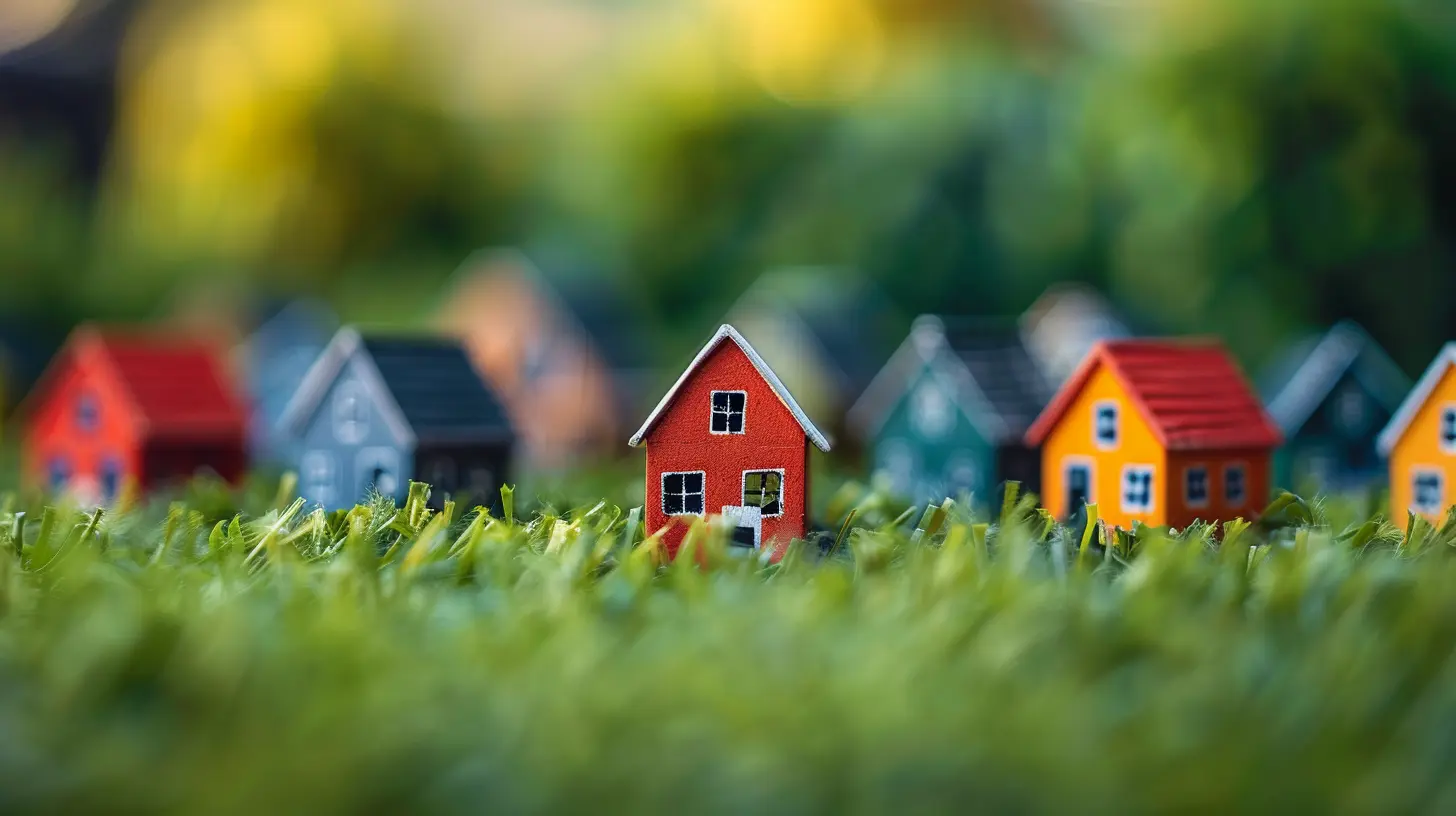
Why Community Engagement Matters in Real Estate
First things first—why should you even care about community engagement? I mean, can’t you just get the zoning approval and build whatever you want? Well, technically, yes. But if you bulldoze ahead without community buy-in, you’re playing a dangerous game.Here’s why:
- Avoids Costly Delays – Angry residents can shut down your project faster than a failed Kickstarter campaign.
- Boosts Local Support – When people feel heard, they’re more likely to support your vision instead of fighting it.
- Enhances Reputation – Developers who work with the community gain trust and goodwill—both priceless in the long run.
- Creates Better Projects – Locals actually know what their neighborhoods need, so why not tap into their insights?
Now that we’ve established why this matters, let’s get into the juicy details of how you can make community engagement work for you.

The Power of Listening: Turning Naysayers into Cheerleaders
Picture this: You’re at a community meeting, ready to pitch your project, and suddenly, an angry resident starts ranting about traffic congestion, noise pollution, and how you’re ruining their peaceful neighborhood. Sounds like a nightmare, right?But hold up—what if you listened instead of brushing them off?
When developers make an effort to genuinely hear people out, magic happens. Residents feel respected. Concerns get addressed before they turn into full-scale opposition. You might even realize that their feedback can help you tweak your project so it actually benefits the neighborhood.
Pro Tip: Host Open Forums
Forget stiff, corporate-style meetings. Host casual forums where people feel comfortable speaking their minds. Think local coffee shops, park gatherings, or even live Q&A sessions online. Show the community you’re invested in their opinions, not just their land.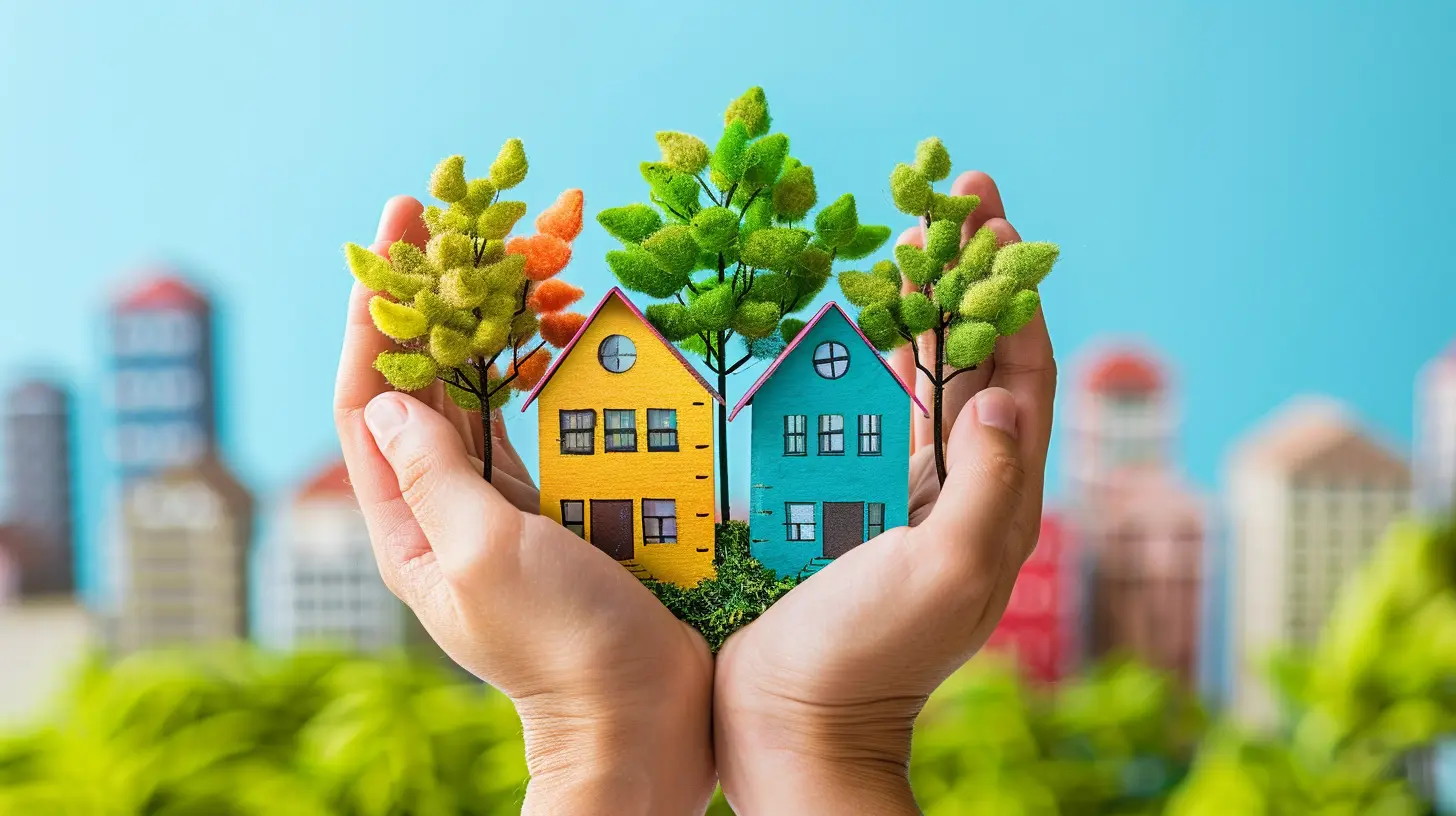
Building Trust Through Transparency
Nobody—and I mean nobody—likes feeling blindsided. One of the biggest mistakes developers make is keeping plans under wraps until they’re already set in stone. That’s a surefire way to make a community suspicious.Instead, be upfront from the get-go. Share your vision, the potential impact, and how you plan to address concerns. Trust me, transparency goes a long way in earning community support.
How to Keep it Transparent:
- Regular Updates – Use newsletters, social media, and community boards to keep locals in the loop.- Clear Communication – Skip the corporate jargon. Speak in plain, human-friendly language.
- Acknowledge Concerns – Don’t sugarcoat issues—address them head-on and offer realistic solutions.
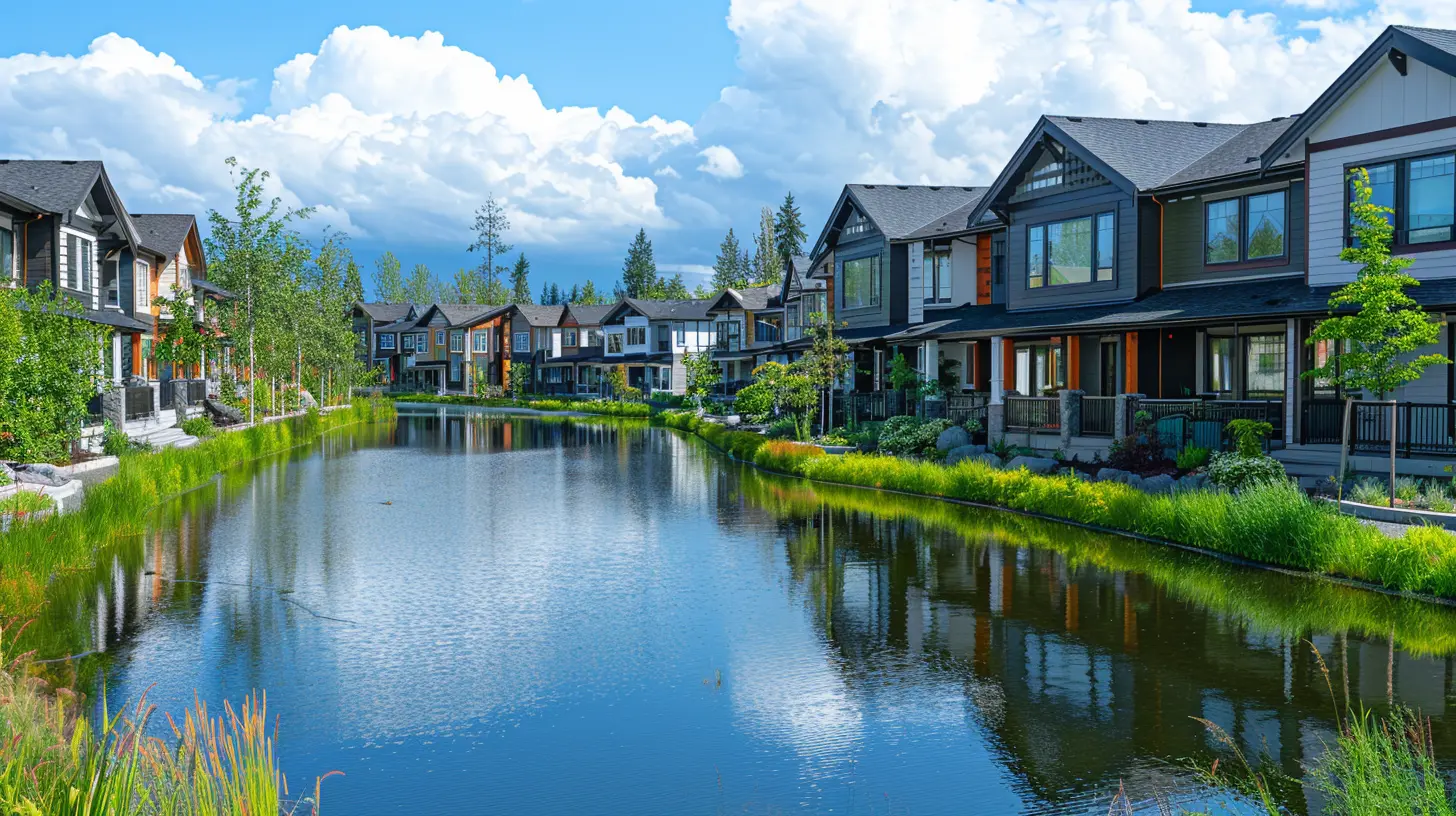
Collaboration Over Dictatorship
Real estate development isn’t a solo mission. If you treat it like one, you’re setting yourself up for conflict. Instead of telling the community what they’re getting, collaborate with them.Ways to Involve the Community:
- Interactive Workshops – Let locals contribute ideas and feedback.- Surveys & Polls – Gauge what the neighborhood actually needs and wants.
- Partnerships with Local Businesses – Integrating local vendors adds value and keeps money circulating in the community.
Think of it like planning a group road trip—you wouldn’t just pick the route and music without checking in with your passengers, right? The same logic applies to real estate development.
The Economic Ripple Effect
Here’s where things get really interesting. When you engage with the community, you’re not just winning approval—you’re boosting the local economy, too. And guess what? That benefits you just as much as it benefits them.How Community-Inclusive Development Fuels Economic Growth:
- Increases Property Values – People are willing to pay more to live in a thriving, well-integrated neighborhood.- Attracts Businesses – Retailers, restaurants, and service providers follow strong community developments.
- Strengthens Local Workforce – Hiring local contractors and workers keeps money in the community and speeds up project completion.
Ignoring community engagement is like trying to bake a cake without sugar—it just doesn’t work.
Social Responsibility: Because Doing the Right Thing Pays Off
Beyond the dollars and cents, there’s something to be said for doing the right thing. Developers who actively engage with communities aren’t just making profitable deals—they’re fostering stronger, more connected neighborhoods.Sustainability, inclusivity, and accessibility matter. Communities remember when a developer steps up to improve parks, support local schools, or prioritize green spaces. The goodwill you build today becomes the foundation for future success.
Small Acts, Big Impact:
- Donate a portion of profits to local initiatives.- Design spaces that encourage social interaction.
- Support affordable housing efforts.
It’s not just about selling real estate—it’s about creating places people want to live in.
Final Thoughts: Get the Community on Board or Brace for Impact
If you take nothing else from this article, remember this: Real estate success isn’t just about bricks and mortar—it’s about people.Engage the community, respect their input, and make them feel like stakeholders rather than obstacles. Do that, and your real estate development won’t just succeed—it’ll thrive. Skip this step, and, well… let’s just say you might spend more time in legal battles and PR nightmares than in ribbon-cutting ceremonies.
Your call.
all images in this post were generated using AI tools
Category:
Real Estate DevelopmentAuthor:

Mateo Hines
Discussion
rate this article
2 comments
Diana Sheppard
Great insights! Community engagement is indeed vital for real estate success. Understanding local needs fosters trust and collaboration, leading to more sustainable development outcomes.
December 23, 2025 at 12:41 PM
Mateo Hines
Thank you! I completely agree—building trust through community engagement is essential for creating sustainable and successful real estate developments.
Alanna Evans
Community engagement is pivotal in real estate development, fostering trust and collaboration. By actively involving local residents in the planning process, developers not only enhance project relevance but also create spaces that resonate with community needs, ultimately driving success and ensuring long-term sustainability for new developments.
December 23, 2025 at 5:37 AM
Mateo Hines
Absolutely! Community engagement not only builds trust but also aligns developments with local needs, enhancing both relevance and sustainability. It's a win-win for developers and residents alike.