How Insulation Impacts Your Home’s Value and Comfort
24 November 2026
Insulation is one of those aspects of home construction and renovation that often goes unnoticed until it becomes a problem. Yet, its importance cannot be overstated. Not only does insulation play a crucial role in your home's energy efficiency, but it also has significant implications for your comfort and property value. Understanding how insulation affects these factors can empower homeowners to make informed decisions, whether they are buying, selling, or renovating.
The Role of Insulation in Energy Efficiency
Why Insulation Matters
Insulation serves as a barrier to heat transfer, helping to keep your home warm in winter and cool in summer. This is essential for maintaining a comfortable indoor environment and reducing reliance on heating and cooling systems. According to the U.S. Department of Energy, properly insulating your home can lead to energy savings of 15 to 30 percent annually. This translates to lower utility bills, making your home more economical to maintain.Types of Insulation
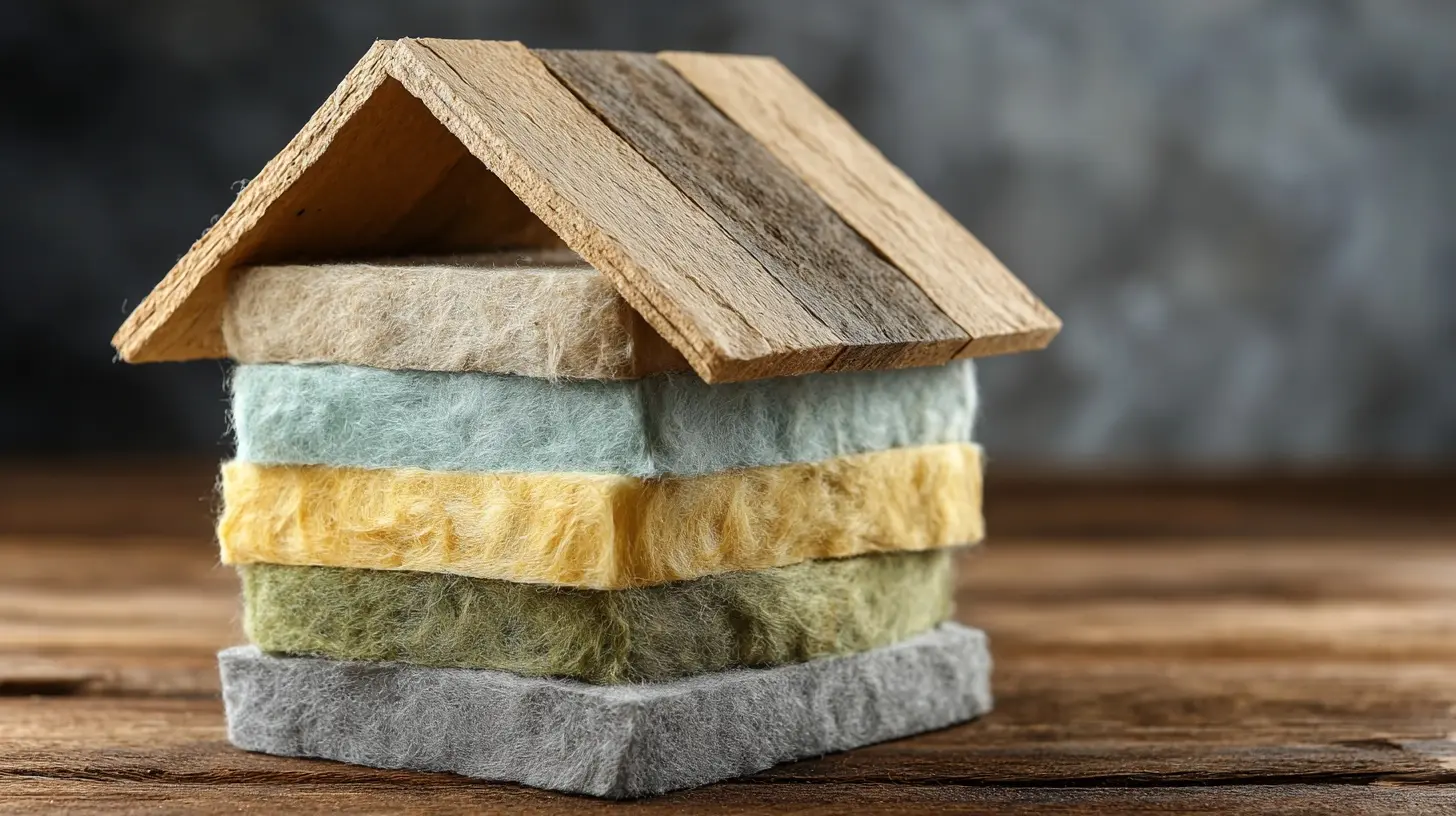
There are various types of insulation materials, including fiberglass, foam board, spray foam, and cellulose. Each type has its unique properties and applications:- Fiberglass: One of the most common insulation materials, fiberglass is economical and effective, particularly for attics and walls. However, it can be irritating to the skin and lungs during installation.
- Spray Foam: This type offers superior insulation and air sealing capabilities. While more expensive, it can lead to higher energy savings and improved comfort.
- Cellulose: Made from recycled paper, cellulose is an environmentally friendly option. It is treated with fire retardants and is particularly effective in older homes.
When selecting insulation, consider the R-value (a measure of thermal resistance). The higher the R-value, the better the insulation's effectiveness. Local building codes often provide guidelines on the recommended R-values for different areas of your home.
Comfort: The Immediate Impact of Insulation
Temperature Regulation
Good insulation helps maintain a consistent temperature throughout your home. Without it, you might experience hot and cold spots, which can make certain areas uncomfortable. For instance, poorly insulated attics can lead to extreme temperature differences between floors, affecting your overall comfort.Noise Reduction
Insulation is not only about temperature control; it also plays a role in soundproofing. If you live in a noisy neighborhood or have a home office, the right insulation can minimize sound transmission, creating a more peaceful indoor environment. For example, using soundproofing insulation in walls and ceilings can be particularly advantageous for rooms that require quiet, such as bedrooms or media rooms.
The Impact on Home Value
Enhanced Marketability
In the competitive real estate market, a well-insulated home stands out. Potential buyers often seek energy-efficient homes, especially in areas with extreme climates. Highlighting insulation features can add significant appeal. For instance, if you've upgraded to high-performance spray foam insulation, it might be a selling point that can justify a higher asking price.Energy Efficiency Ratings
Many homebuyers today are increasingly savvy about energy efficiency. Homes with higher energy efficiency ratings typically command better prices on the market. An energy audit can provide a clear picture of your home's insulation performance, and sharing these findings can enhance your listing.Long-Term Value
Investing in quality insulation is a long-term strategy. While the initial costs may seem high, especially for materials like spray foam, the return on investment can be substantial. Not only do you save on energy bills, but you also reduce wear and tear on your HVAC system. This means fewer repairs and replacements down the line, ultimately preserving your home's value.
Common Insulation Mistakes
Skimping on Quality
One of the most common mistakes homeowners make is opting for cheaper insulation materials. While it may save money upfront, low-quality insulation can lead to higher energy costs and discomfort over time. It's essential to balance cost with performance, particularly for critical areas like attics and walls.Neglecting Air Sealing
Many homeowners focus solely on insulation without addressing air leaks. Gaps around windows, doors, and electrical outlets can compromise even the best insulation. Before installing new insulation, conduct an air leak test and seal any gaps to maximize energy efficiency.Ignoring Local Climate
Choosing insulation without considering your local climate can lead to inefficiencies. For example, in colder regions, higher R-values are necessary, while in warmer areas, reflective insulation may be more beneficial. Always consult local building codes and guidelines to ensure you select the right materials.Best Practices for Insulation Installation
Professional vs. DIY
While some homeowners may be tempted to install insulation themselves, hiring a professional can ensure proper installation. Mistakes during installation can negate the benefits of high-quality insulation. Professionals have the tools and expertise to handle complex areas, such as attics with difficult access or walls with existing insulation.Timing Your Installation
The ideal time to install insulation is during home construction or major renovations. However, retrofitting insulation can also be effective, particularly if you notice drafts or rising energy bills. If you live in an older home, consider conducting an energy audit to identify areas needing improvement.
Understanding the Trade-offs
Cost vs. Comfort
Investing in insulation is a balance between initial costs and long-term savings. While higher-quality insulation materials may lead to higher upfront expenses, they often offer better performance and energy savings over time. Consider your budget and how long you plan to stay in your home when making these decisions.Aesthetics vs. Efficiency
In some cases, homeowners may prioritize aesthetics over efficiency. For instance, removing drywall to add insulation can be disruptive. However, investing in unseen insulation upgrades can pay off in the long run through increased comfort and energy savings. Weigh the immediate inconvenience against the long-term benefits.Conclusion
Insulation is a crucial yet often overlooked aspect of homeownership that significantly impacts comfort, energy efficiency, and property value. By understanding the different types of insulation, their benefits, and the common pitfalls to avoid, homeowners can make informed decisions that enhance their living space. Whether you are considering a new home purchase, preparing to sell, or planning a renovation, giving insulation the attention it deserves will pay dividends in the form of comfort and financial returns.
all images in this post were generated using AI tools
Category:
Home Energy EfficiencyAuthor:

Mateo Hines
Discussion
rate this article
1 comments
Lucy Gutierrez
So, if your home feels like a sauna in summer and an icebox in winter, it might be time to rethink that insulation. A cozy home not only keeps your comfort levels high but also boosts resale value. Warm homes = happy homeowners!
November 24, 2026 at 4:06 AM