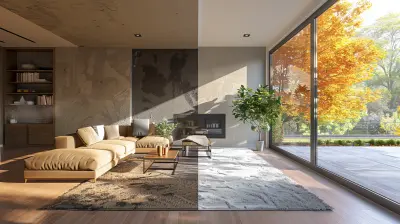
How New Construction Homes Reduce Long-Term Maintenance Costs
16 January 2026
Buying a home is one of the biggest investments you'll ever make. But have you ever considered how much maintenance costs can add up over time? That's where new construction homes shine. Unlike older houses that may come with hidden repair bills, brand-new homes offer modern designs, the latest materials, and updated building codes—all of which translate to lower maintenance costs in the long run.
So, if you're stuck deciding between a new home or an older one, let's dive into how new construction homes can save you serious cash on maintenance over the years.
1. Everything Is Brand New
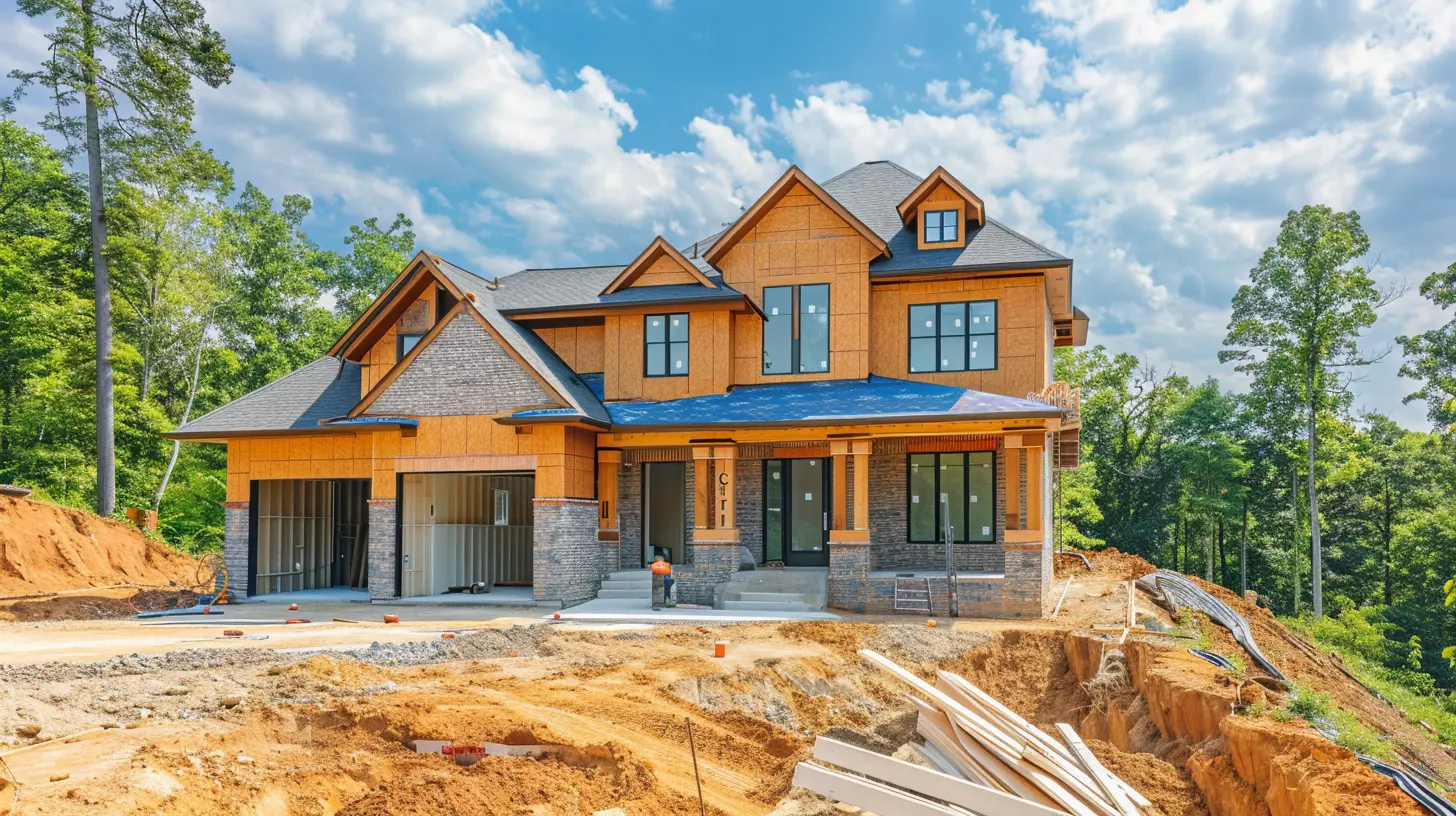
One of the biggest advantages of buying a new construction home is just that—it’s new! This means no worn-out roofs, aging plumbing, or outdated electrical systems that require constant repairs.No Immediate Repairs
Think about it: A house that has been standing for decades has naturally experienced wear and tear. With older homes, you may find yourself fixing leaky pipes, replacing old wiring, or handling foundation issues sooner than you'd like. New construction homes, on the other hand, come with modern materials and construction techniques, reducing the chances of immediate repairs.Peace of Mind with Warranties
Most new homes come with builder warranties that cover major structural elements and appliances for a certain period, usually ranging from one to ten years. This means that if anything does go wrong, the builder typically covers the cost of repairs, saving you from unexpected expenses.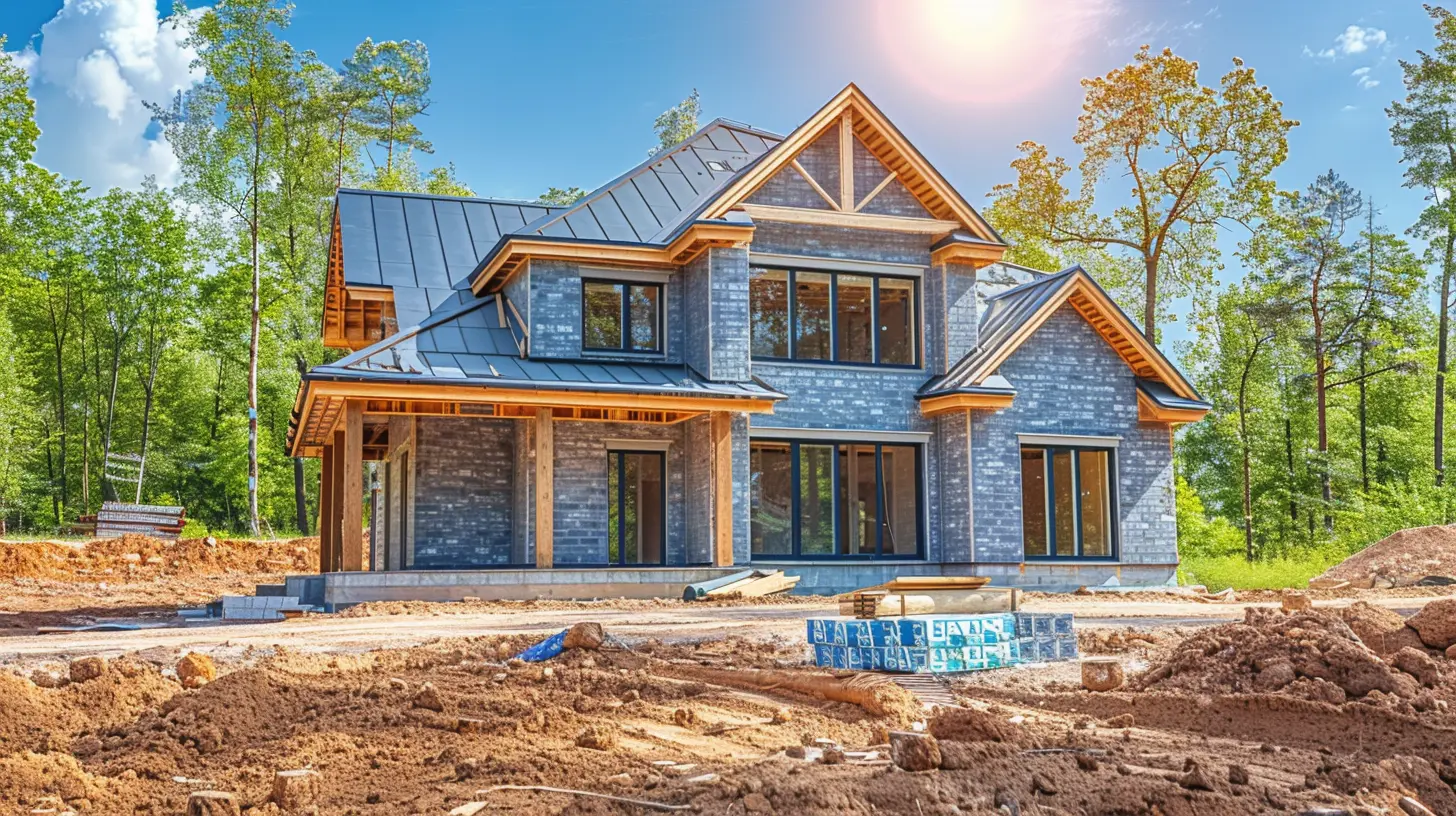
2. Energy-Efficient Systems Lower Utility Costs
Older homes often come with outdated energy systems that aren't as efficient as today's standards. New construction homes, however, are built with energy efficiency in mind, not only reducing your monthly utility bills but also cutting down on long-term repair costs.Advanced HVAC Systems
Heating and cooling systems in older homes tend to be outdated and prone to breakdowns. New homes come with modern HVAC systems that are designed to be more energy-efficient, require less maintenance, and last longer.Better Insulation and Windows
New homes are built to meet current building codes, meaning better insulation, high-quality windows, and energy-efficient doors. This prevents drafts, keeps your heating and cooling costs in check, and reduces the wear and tear on your HVAC system.Smart Technology for Efficiency
Many new homes are equipped with smart thermostats that allow homeowners to regulate temperature settings efficiently. This not only cuts down on energy use but also helps the system last longer, reducing the need for maintenance.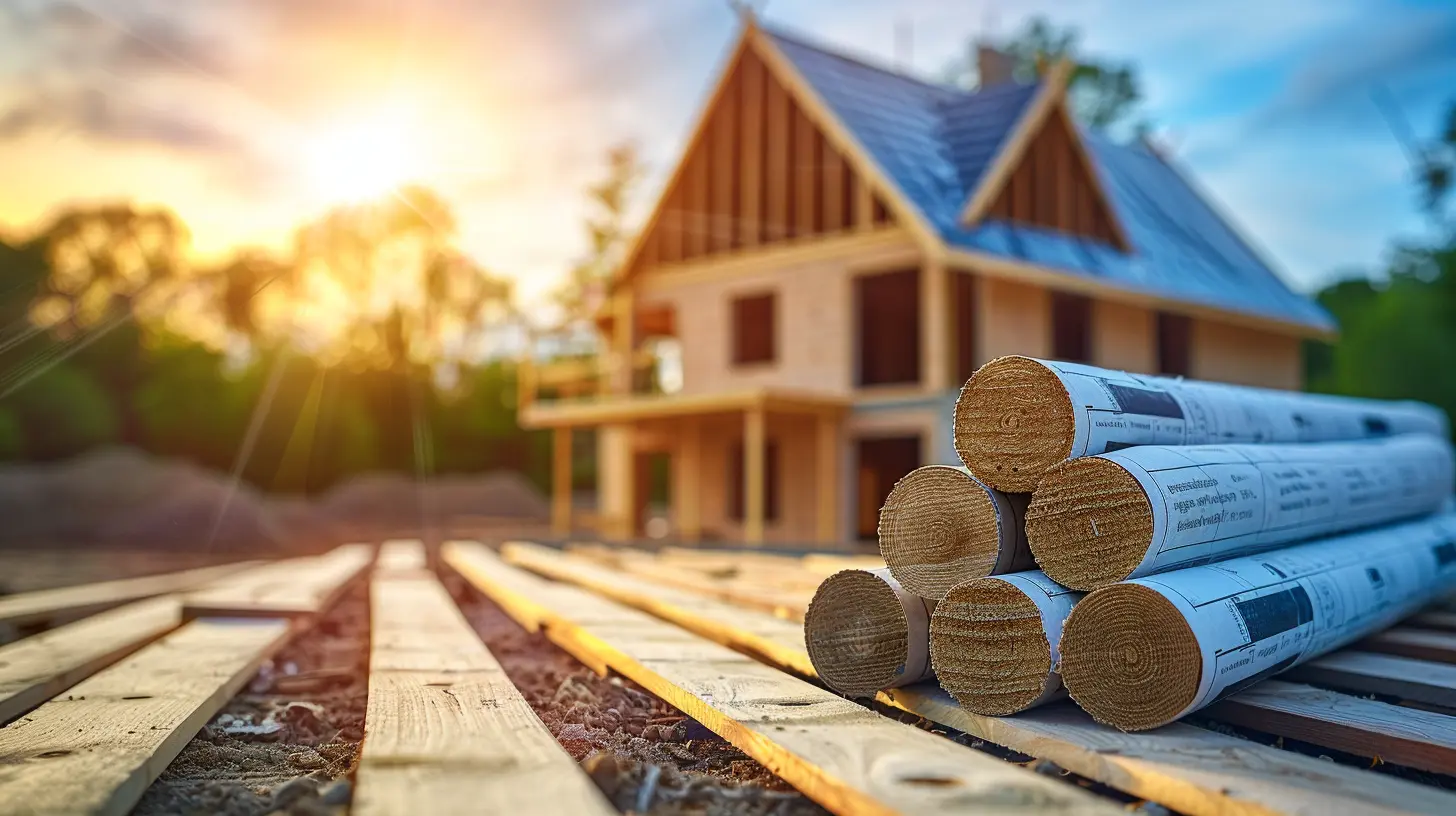
3. Modern Materials Are Built to Last
New homes utilize modern building materials that are designed for durability and longevity, reducing the need for frequent repairs and replacements.Stronger Roofing Materials
Roof repairs can be incredibly costly. Luckily, new homes often come with high-quality roofing materials such as asphalt shingles, metal, or tile, which last much longer than older roofs.Durable Flooring and Countertops
Gone are the days of flimsy carpets and easily scratched countertops. New construction homes often feature luxury vinyl planks, quartz countertops, and other durable materials that resist wear and tear better than older materials.Low-Maintenance Exterior Siding
Unlike older homes that may have wood siding prone to rotting or peeling, new homes commonly use fiber cement or vinyl siding—both of which require minimal upkeep.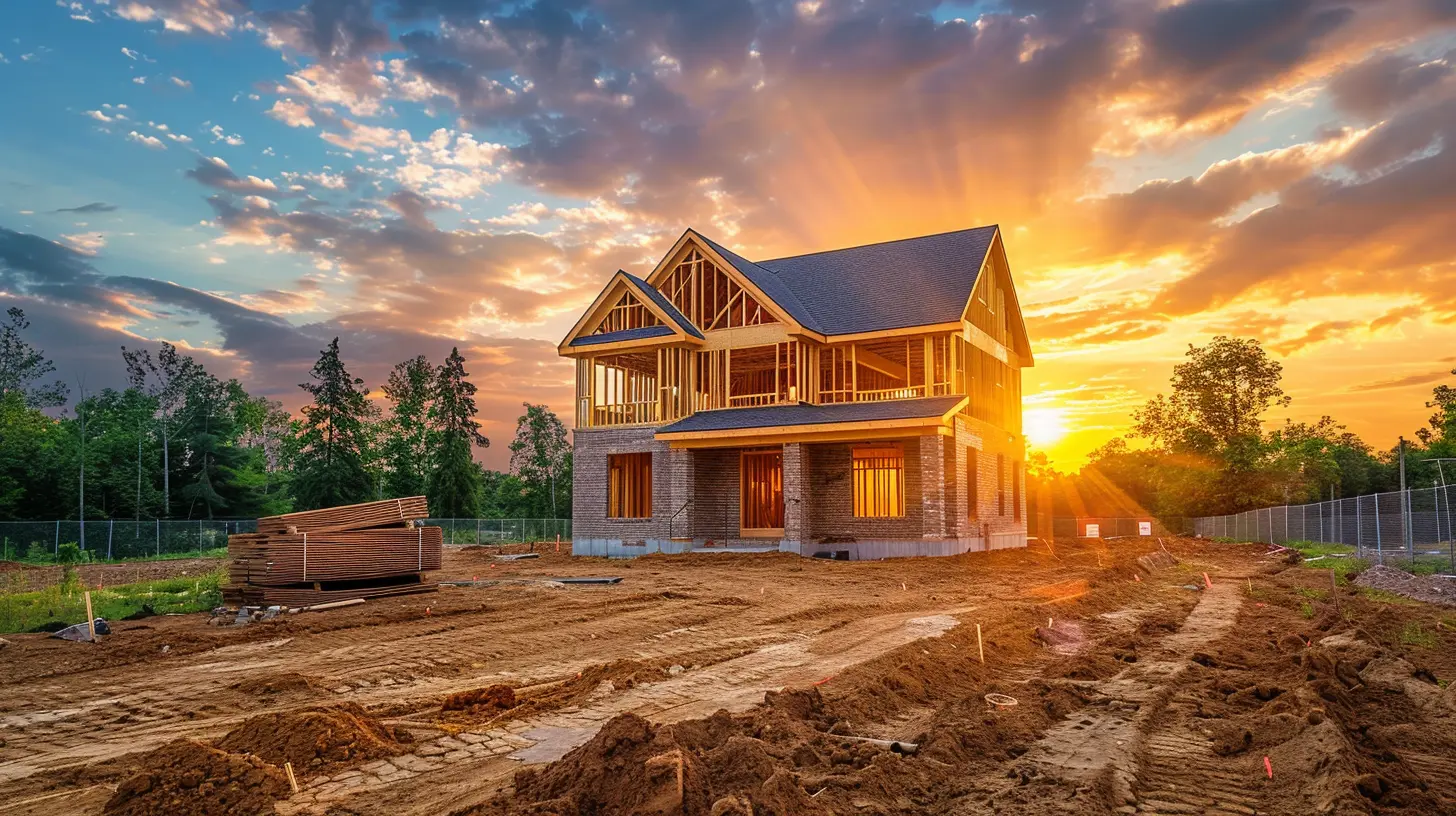
4. Improved Plumbing and Electrical Systems
An outdated plumbing or electrical system can be a financial nightmare. Fortunately, when you opt for a new construction home, you're getting the latest in plumbing and electrical technology.No Rusty Pipes or Plumbing Issues
Older homes often have galvanized steel pipes that corrode over time, leading to leaks and water pressure issues. New homes are typically built with PEX or PVC piping, which is resistant to corrosion and requires less upkeep.Up-to-Code Electrical Wiring
Electrical systems in newer homes adhere to the most recent safety codes, reducing the risk of hazards like short circuits or overloaded breakers. Plus, new construction homes come with enough outlets and circuits to support modern technology, eliminating the need for costly electrical upgrades.5. Low-Maintenance Landscaping
Believe it or not, even the landscaping in new construction homes is designed to be lower maintenance!Drought-Resistant Lawns and Plants
Many new homes are landscaped with native or drought-resistant plants that require less watering and upkeep. This not only saves you time but also reduces water bills.Proper Drainage Systems
Older homes sometimes suffer from poor drainage, leading to costly foundation or basement repairs. New construction homes are designed with proper grading and drainage systems to prevent water damage over time.6. Smart Home Features Prevent Costly Repairs
Technology has come a long way, and new homes often come with built-in smart features that help monitor potential maintenance issues before they become expensive problems.Leak Detectors and Smart Water Shut-Off Valves
Many new homes come equipped with water leak detectors that notify homeowners of plumbing issues right away. Some even have automatic shut-off valves that can prevent water damage before it gets out of hand.Smart Security Systems
Older homes may require costly home security upgrades, but new homes often come pre-wired for security systems or even include smart locks, cameras, and motion sensors—adding extra protection without additional installation costs.7. Modern Building Codes Ensure Longevity
Building codes evolve for a reason—to improve safety and durability. New construction homes must adhere to the latest building regulations, making them structurally superior to older homes.Stronger Foundations
New homes are built to withstand modern environmental challenges, whether it's stronger hurricanes, earthquakes, or heavy snow loads. With improved foundation techniques, your home is less likely to develop costly structural issues over time.Fire-Resistant Materials
New construction homes are built with modern fire-resistant materials such as fire-rated drywall and flame-retardant insulation, reducing the risk of fire-related damage.Conclusion
When weighing the costs of homeownership, it's important to think beyond just your mortgage payment. While older homes might seem like a bargain upfront, the hidden maintenance costs can add up quickly. New construction homes provide a significant advantage in terms of durability, energy efficiency, and lower repair costs over time.By investing in a new home, you’re not just buying a place to live—you’re buying peace of mind. Fewer repairs, lower energy costs, and modern conveniences make new construction homes a wise choice for anyone looking to minimize long-term maintenance expenses.
So, if you’re on the fence, ask yourself: Do you want to spend your weekends fixing leaks and replacing outdated systems, or would you rather enjoy the perks of a low-maintenance, modern home?
all images in this post were generated using AI tools
Category:
New ConstructionAuthor:

Mateo Hines
Discussion
rate this article
2 comments
Noelle Harper
While new construction homes offer immediate savings in maintenance, they also symbolize a shift towards sustainable living—prompting us to reconsider the long-term impact of our choices.
January 26, 2026 at 4:20 AM
Mateo Hines
Thank you for highlighting the dual benefits of new construction homes! Indeed, their sustainable features not only lower maintenance costs but also encourage us to embrace eco-friendly living for the future.
Colton McFarland
New builds: fewer repairs, more fun! Let the adventures begin!
January 18, 2026 at 7:42 PM
Mateo Hines
Absolutely! New builds often come with modern materials and designs that minimize repairs, allowing homeowners to focus on enjoying their space. Here's to new adventures!