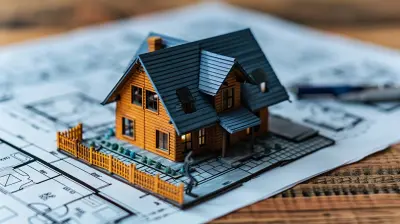
How Real Estate Developments Are Promoting Walkable Communities
15 February 2026
In today's fast-paced world, people crave convenience. Whether it's having a café within walking distance or being able to run errands without hopping into a car, walkable communities are becoming the gold standard for modern living. The good news? Real estate developers are catching on, making pedestrian-friendly environments a top priority in new projects.
But what exactly makes a community "walkable," and why is it gaining momentum in urban planning? Let's dive in.
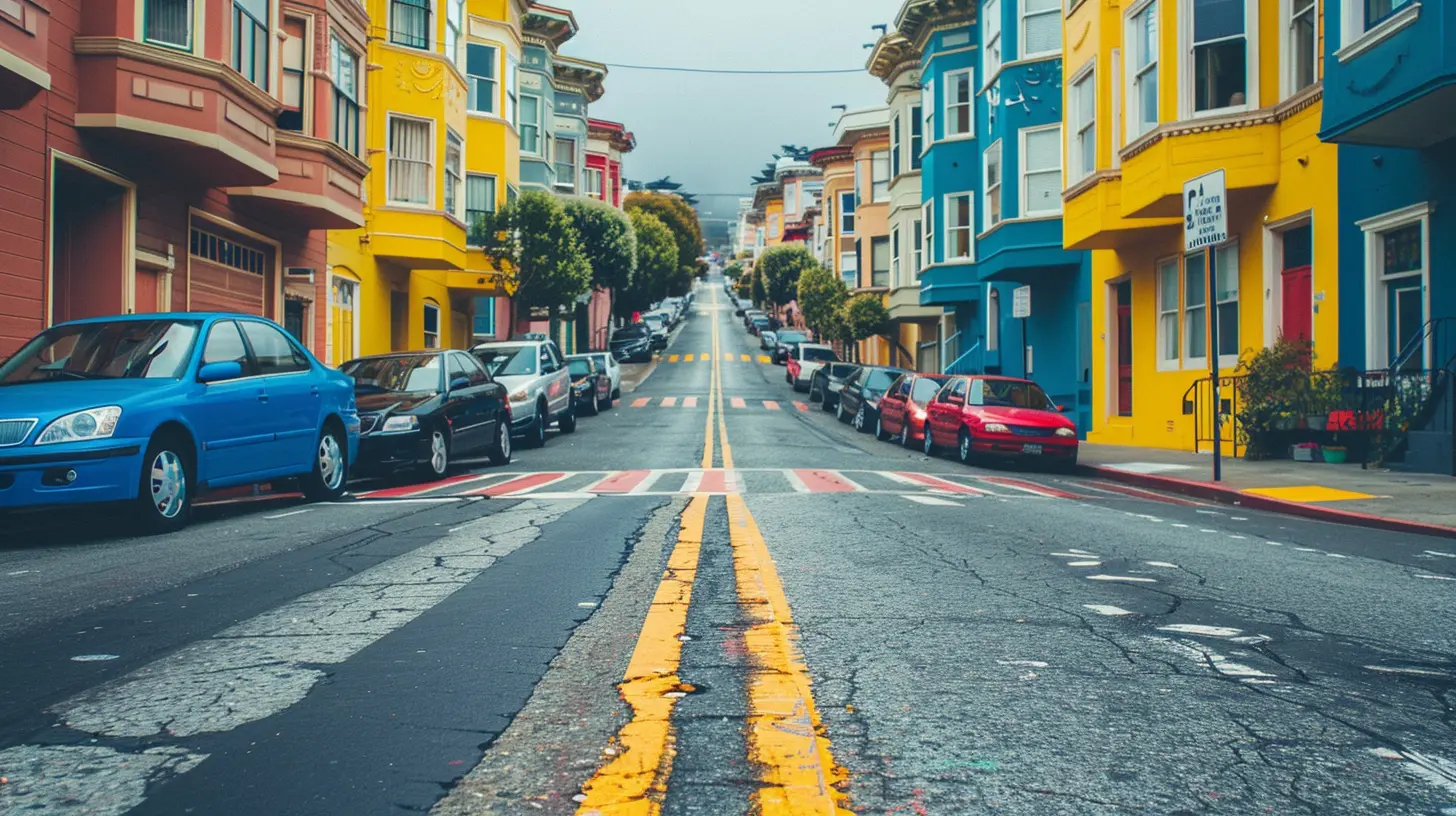
The Rise of Walkable Communities
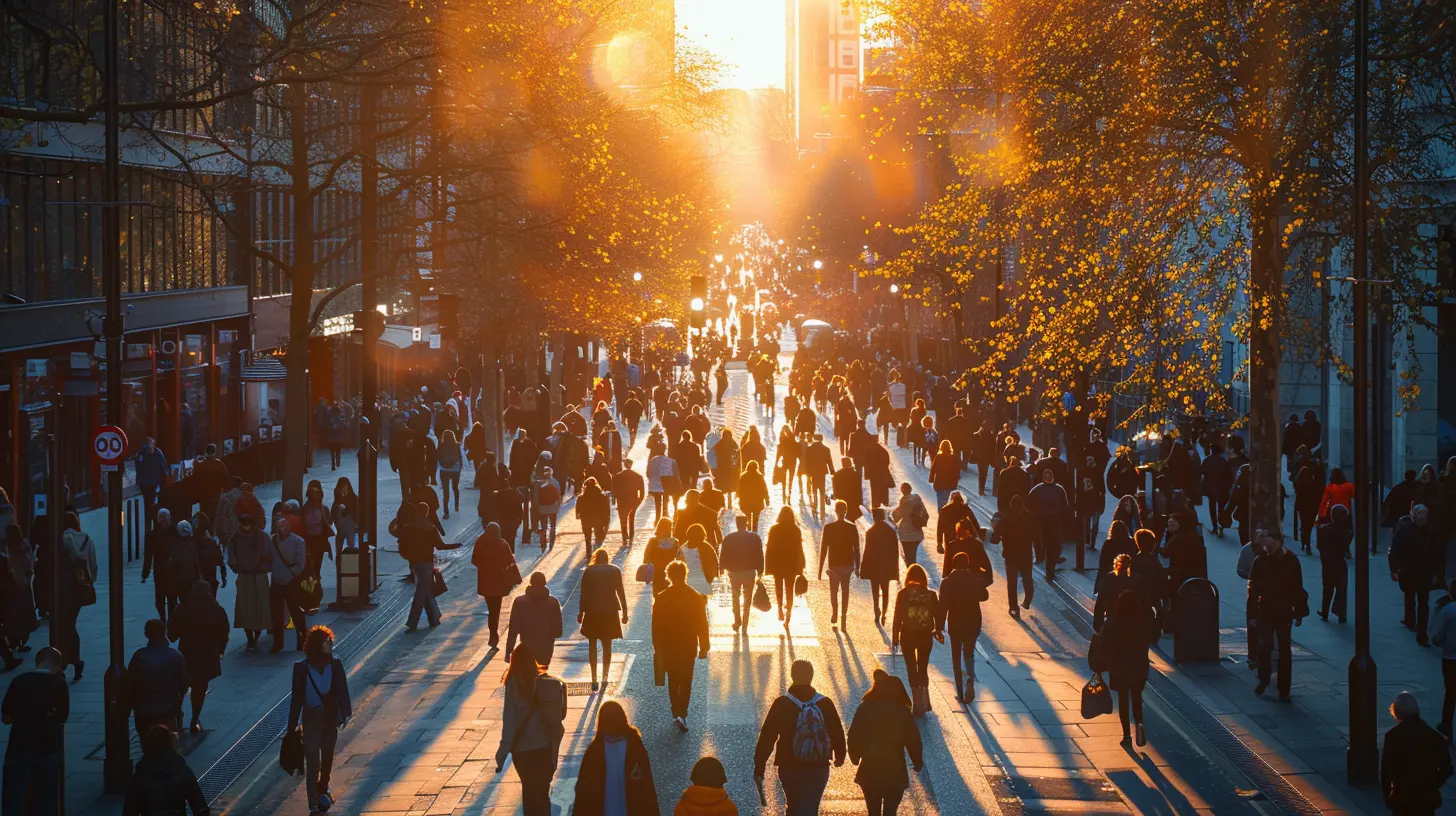
What Is a Walkable Community?
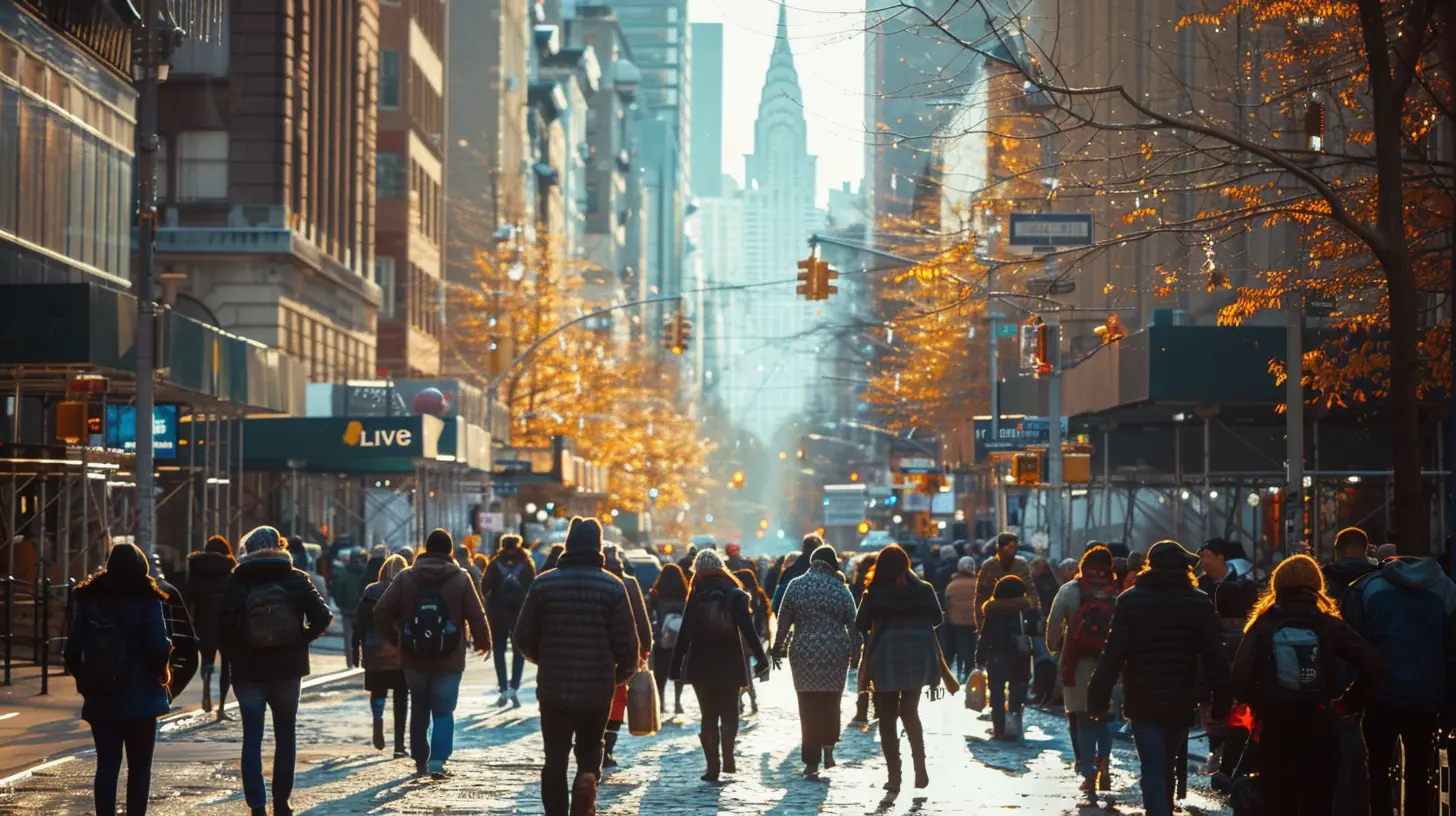
A walkable community is designed with pedestrians in mind. This means well-maintained sidewalks, safe crosswalks, green spaces, and easy access to daily necessities—think grocery stores, schools, restaurants, and entertainment spots—all within a short walk from home.Unlike traditional suburban developments that rely heavily on cars, walkable neighborhoods promote a lifestyle where everything you need is just a few steps away.
Why Are Walkable Communities Gaining Popularity?
People are shifting their priorities. Convenience, sustainability, and overall well-being are at the forefront of decision-making when choosing a place to live. Walkable communities check all these boxes.- Health Benefits: Walking daily is great for cardiovascular health and mental well-being.
- Sustainability: Fewer car trips mean lower carbon emissions.
- Social Connectivity: More foot traffic fosters stronger community relationships.
- Economic Growth: Local businesses thrive when people can easily access them.
It's no surprise that real estate developers are focusing on creating spaces that encourage a pedestrian-friendly lifestyle.
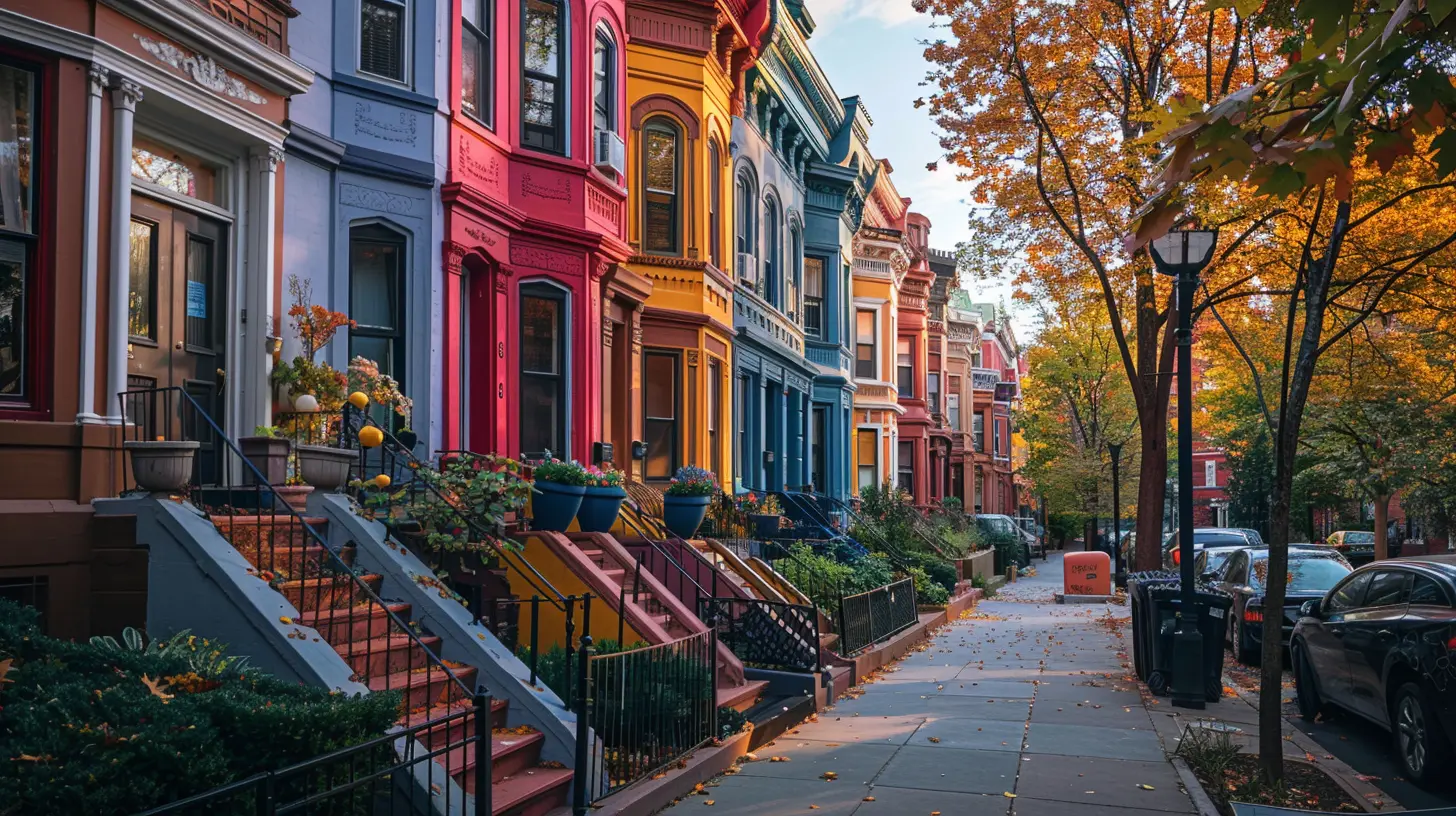
How Real Estate Developments Are Encouraging Walkability
1. Mixed-Use Developments
One of the biggest game-changers in real estate development is mixed-use communities. These developments combine residential, commercial, and recreational spaces all in one area. Imagine stepping out of your apartment and having your favorite coffee shop, gym, and grocery store just a few steps away—no car needed.Developers strategically design these spaces to ensure a seamless blend of work, play, and living. Cities like Portland, Austin, and Boston have already embraced this model, and it's quickly catching on in suburban areas too.
2. Prioritizing Pedestrian-Friendly Infrastructure
Infrastructure plays a crucial role in a community's walkability. Developers are now emphasizing:- Wider sidewalks for comfortable walking and accessibility.
- Safe crosswalks with proper lighting and signage.
- Traffic-calming measures like speed bumps and narrower streets to discourage speeding.
- Green spaces and walking trails to make walking more enjoyable.
By designing communities with pedestrians in mind, developers are reducing the need for cars and making everyday commutes more pleasant.
3. Reducing Parking Spaces and Car Dependency
Traditionally, large parking lots dominated residential and commercial developments. However, things are changing. Cities like Seattle and San Francisco are embracing reduced parking minimums, meaning new developments aren't required to allocate excessive parking spots.Instead, real estate projects are including bike racks, car-sharing services, and proximity to public transportation, making it easier for residents to ditch their cars. The result? Less congestion, cleaner air, and more walkability.
4. Creating Parks and Public Spaces
Let's be honest—walking is way more enjoyable when there's a beautiful park or plaza along the way. Developers are incorporating public spaces into their blueprints, making neighborhoods more inviting.Whether it's a small urban park with seating areas or a large green space with walking trails, these additions encourage people to get outside and explore their surroundings. Plus, let's not forget the added bonus: property values tend to rise when green spaces are involved.
5. Encouraging Ground-Level Retail and Dining
Have you ever noticed that the most walkable neighborhoods have an abundance of cafés, boutiques, and restaurants? That’s intentional. Ground-level retail fosters an environment where people can walk to get their morning coffee, browse local shops, or grab a bite to eat without ever needing to drive.Developers are incorporating retail spaces on the lower floors of residential buildings, creating vibrant, walkable streetscapes. This not only increases foot traffic, but also strengthens the local economy.
6. Proximity to Public Transit
Walkability goes hand in hand with accessible public transportation. Real estate developments near bus stops, subway stations, or commuter rail lines make it incredibly easy for residents to live without a car.Developers are now leveraging transit-oriented development (TOD)—a concept that integrates housing, business, and recreational areas around public transit hubs. Cities like Chicago and Denver have seen a surge in demand for homes near transit lines, making these areas prime real estate investments.
7. Smart Urban Design and Technology Integration
Technology is also playing a role in enhancing walkability. Some cities and developments are using smart traffic signals that adjust based on pedestrian movement, ensuring safer crossings. Others are integrating wayfinding apps, making it easier for people to navigate without relying on cars.As smart cities continue to evolve, expect even more innovative designs that prioritize pedestrians over vehicles.
The Future of Walkable Communities
Walkable communities are more than just a trend—they're shaping the future of urban planning. With increasing demand for sustainable, pedestrian-friendly neighborhoods, real estate developers will continue to innovate and push for designs that make walking the easiest and most enjoyable choice.Whether you're looking for a new place to live or an investment opportunity, walkable developments offer long-term benefits in terms of lifestyle, convenience, and property value.
As cities grow and evolve, the need for walkability will only become more important. So, the next time you're choosing a neighborhood, ask yourself: Can I walk to places that matter most to me? If the answer is yes, you're already ahead of the curve.
all images in this post were generated using AI tools
Category:
Real Estate DevelopmentAuthor:

Mateo Hines
Discussion
rate this article
2 comments
Quorra Watson
Walkable communities are the future, and real estate developments are leading the charge. By prioritizing pedestrian-friendly designs, we’re not just building properties—we’re fostering vibrant, sustainable lifestyles. Embracing walkability is essential for thriving neighborhoods. Let’s push for more innovative spaces that truly enhance community living!
February 27, 2026 at 1:40 PM
Mateo Hines
Absolutely! Walkable communities not only enhance quality of life but also create connected, thriving neighborhoods. Embracing this approach is key to sustainable development and community well-being.
Selina McKinley
Oh great, more areas to stroll around while pretending we aren't all glued to our screens!
February 15, 2026 at 3:34 AM
Mateo Hines
While screens are a part of modern life, walkable communities encourage more outdoor engagement and social interaction, helping to balance our tech use with real-world experiences.