How Smart Homes Are Changing Real Estate Valuation
14 November 2026
The real estate landscape is evolving, and at the forefront of this change are smart homes. The integration of technology into residential properties is not just a trend; it is reshaping how we value homes. Smart homes equipped with advanced technologies are influencing buyer preferences and shifting traditional valuation metrics. In this article, we will delve into how smart homes are changing real estate valuation, the implications for buyers and sellers, and what to consider when navigating this new territory.
Understanding Smart Homes
Definition of Smart Homes
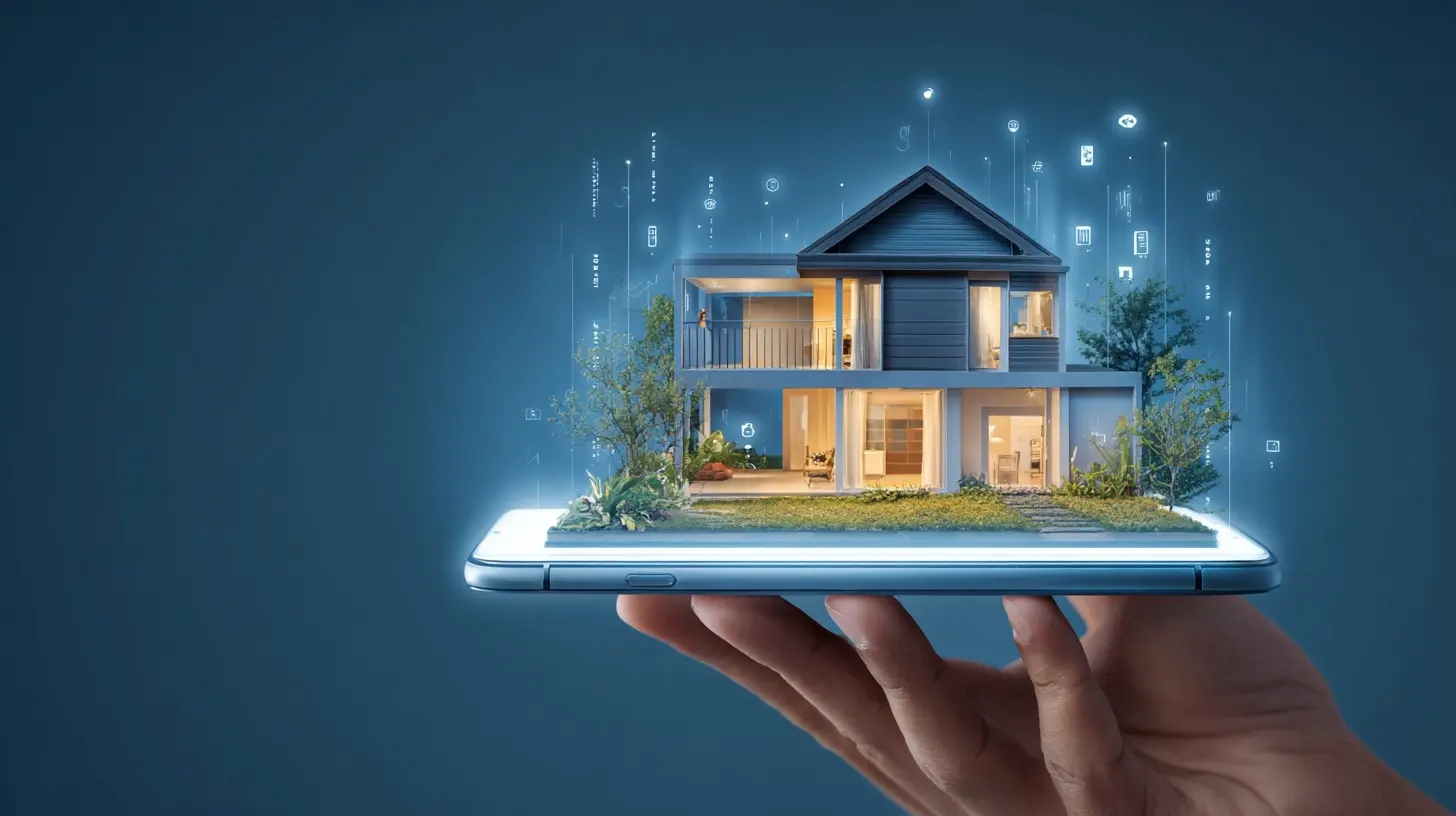
A smart home utilizes internet-connected devices to enable remote management and monitoring of systems and appliances. This includes everything from smart thermostats and lighting to security cameras and home entertainment systems. The integration of these technologies allows homeowners to control their environment with greater convenience, energy efficiency, and security.The Rise of Smart Technology
The adoption of smart home technology has been on an upward trajectory. According to industry reports, the global smart home market is expected to grow significantly, fueled by increasing consumer awareness and technological advancements. The convenience and energy savings associated with smart devices make them attractive to a broad demographic, from young professionals to retirees.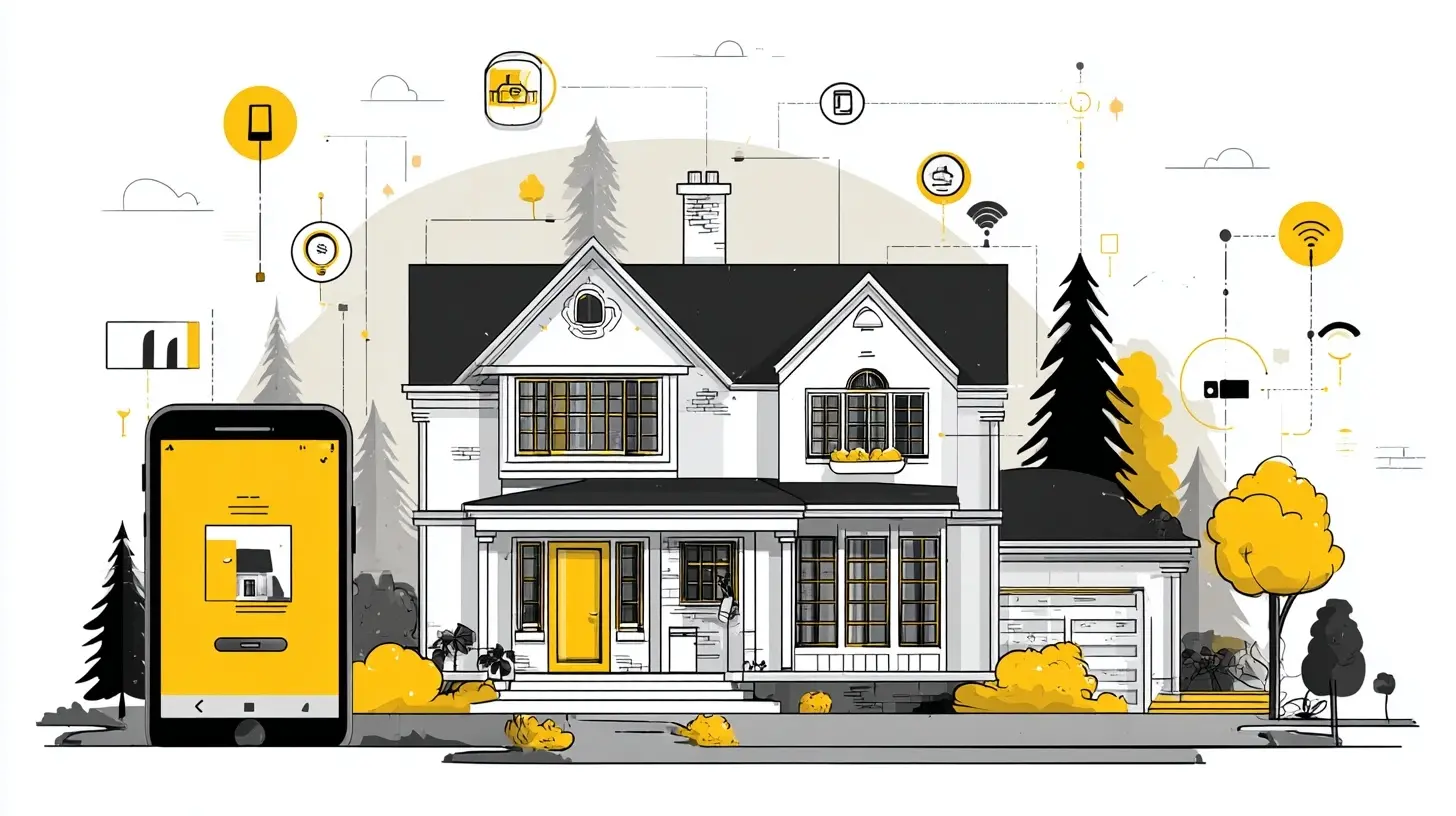
The Shift in Real Estate Valuation
Traditional Valuation Methods
Historically, real estate valuation relied on comparable sales, property conditions, and location. Appraisers focused on physical attributes and market trends. However, as smart homes become more prevalent, traditional valuation methods are being re-evaluated.Incorporating Smart Features into Valuation
Smart home technologies can add tangible value to a property. Features such as smart thermostats, security systems, and automated lighting can enhance the appeal of a home. Appraisers and real estate agents are beginning to recognize these features as valuable assets. A property with a robust smart home system may command a higher price compared to a similar property without these technologies.Case Study: A Smart Home Sale
Consider a suburban home that recently sold for $500,000. This house featured standard amenities, but a nearby property with an advanced smart home system sold for $550,000. The difference in price can be attributed to the added convenience and perceived value of smart technology. Buyers are increasingly willing to pay a premium for homes equipped with smart features that promise energy savings and enhanced security.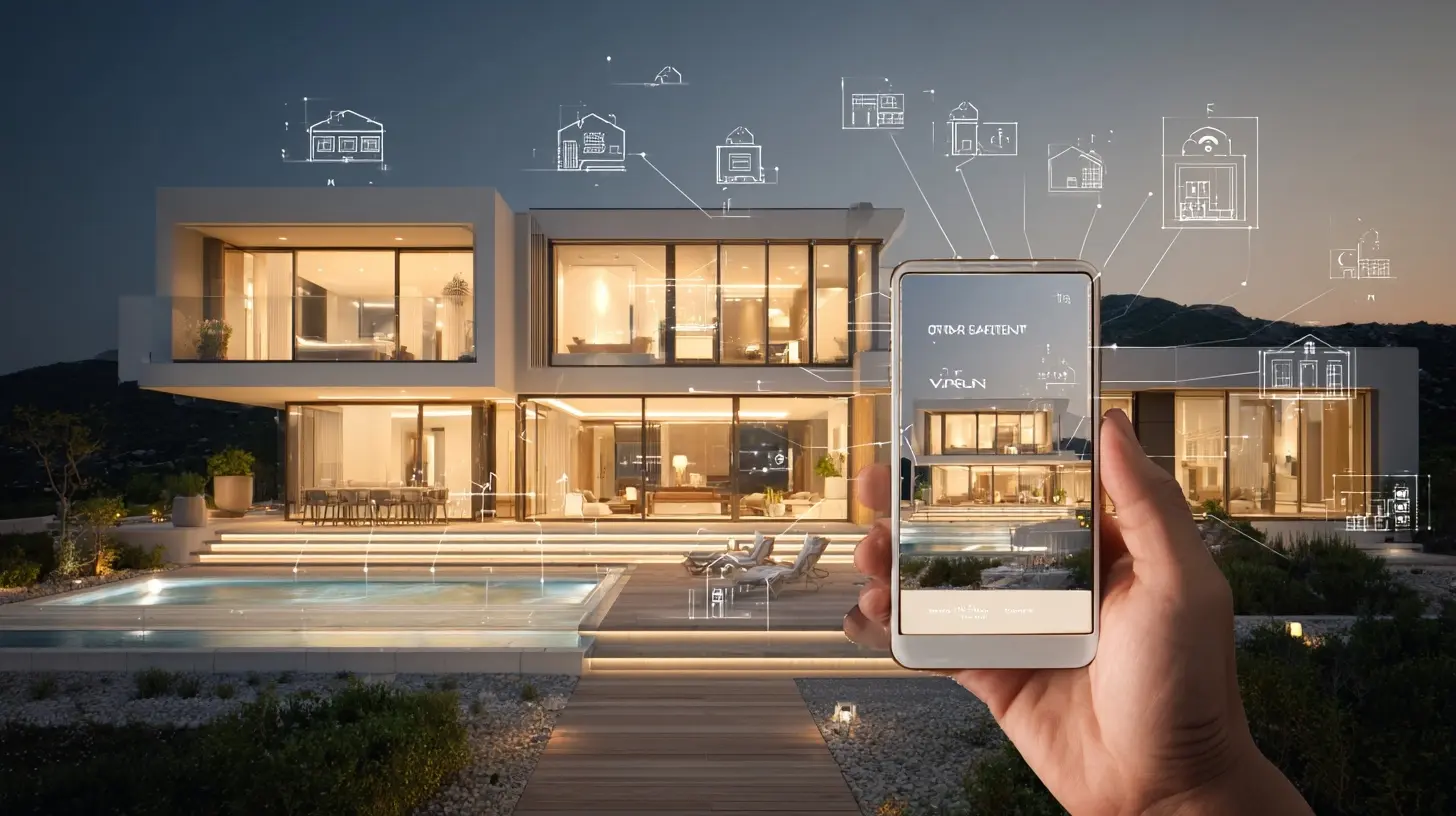
Buyer Preferences and Market Demand
Changing Buyer Expectations
Today's homebuyers, especially younger generations, expect smart features as part of their home-buying criteria. They prioritize convenience, energy efficiency, and security. As a result, homes without smart technologies might be viewed as outdated or less desirable.The Impact of COVID-19
The COVID-19 pandemic has further accelerated the demand for smart homes. With remote work becoming more common, buyers are looking for properties that can accommodate their new lifestyle. Features like smart home office equipment and enhanced security systems have become essential selling points.Market Trends
Real estate professionals are observing a shift in market dynamics due to smart homes. According to a survey by the National Association of Realtors, properties with smart home technology are selling faster than their traditional counterparts. This shift has implications for pricing strategies, marketing efforts, and negotiation tactics.
Evaluating Smart Home Features
Key Features that Add Value
Not all smart home features are created equal when it comes to increasing property value. Some features have proven to be more appealing to buyers than others. Here are a few that typically add significant value:- Smart Thermostats: These devices offer energy savings and remote control, making them highly desirable.
- Home Security Systems: Smart cameras and alarm systems can enhance safety and are often viewed as essential by buyers.
- Smart Lighting: Automated lighting can improve energy efficiency and enhance the overall ambiance of a home.
- Smart Appliances: High-tech kitchen appliances can streamline cooking and add a modern touch to any home.
What to Avoid
While some smart features can add value, others may not appeal to all buyers. For instance, overly complex systems that require extensive user knowledge can be a deterrent. niche products that cater to specific interests, like smart gardening systems, may not have broad appeal.The Role of Appraisers and Real Estate Agents
Adapting to Smart Technology
Real estate appraisers and agents must adapt to the rise of smart homes. This involves understanding the technology, its benefits, and how it impacts market value. Continuing education and training in smart home technology are essential for professionals in the field.Best Practices for Appraising Smart Homes
1. Research Market Trends: Familiarize yourself with local market trends regarding smart homes to make informed appraisals.2. Consider Installation Costs: Assess the quality and installation costs of smart features when determining their value.
3. Compare Similar Properties: Use comparable sales that include smart homes to gauge market value accurately.
4. Educate Clients: Help buyers and sellers understand the value of smart technology in their home transactions.
The Future of Real Estate Valuation
Potential Challenges
While smart homes are changing the landscape of real estate valuation, challenges remain. One issue is the rapid pace of technological advancement. What is considered state-of-the-art today may be outdated in a few years. This creates uncertainty in long-term valuations.Regulatory Considerations
As smart homes gain popularity, regulatory bodies may introduce guidelines for appraising these properties. Real estate professionals must stay informed about potential changes in regulations that could affect the valuation process.Opportunities for Growth
The integration of smart technology is likely to create new opportunities in the real estate market. For instance, as energy efficiency becomes increasingly important, properties equipped with smart technology may qualify for green certifications. These certifications can help buyers access lower mortgage rates and insurance premiums, further enhancing property value.Conclusion
The emergence of smart homes is fundamentally changing the way we value real estate. With increasing demand for technology-enhanced living spaces, both buyers and sellers must adapt to this evolving landscape. Real estate professionals play a crucial role in guiding clients through these changes, helping them understand the implications of smart technology on property value.As smart homes continue to grow in popularity, staying informed about market trends, buyer preferences, and appraisal strategies will be vital. By embracing technology and understanding its impact on valuation, real estate professionals can better serve their clients and thrive in an increasingly competitive market.
all images in this post were generated using AI tools
Category:
Property ValuationAuthor:

Mateo Hines