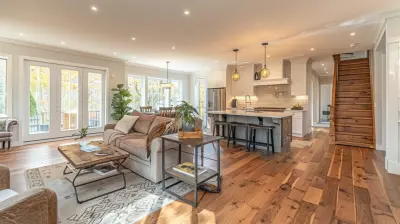
How Sustainable Building Practices Are Shaping New Construction Homes
12 January 2026
Sustainability is no longer just a buzzword—it’s a movement transforming the real estate and construction industries. As people become more eco-conscious, builders and developers are redefining how homes are designed and built. Sustainable building practices are shifting the landscape of new construction homes, creating energy-efficient, environmentally friendly spaces that benefit homeowners and the planet alike.
But what exactly does that mean? How are these practices shaping the homes of today and tomorrow? Let’s dive into the world of sustainable construction and see why it’s such a game-changer.
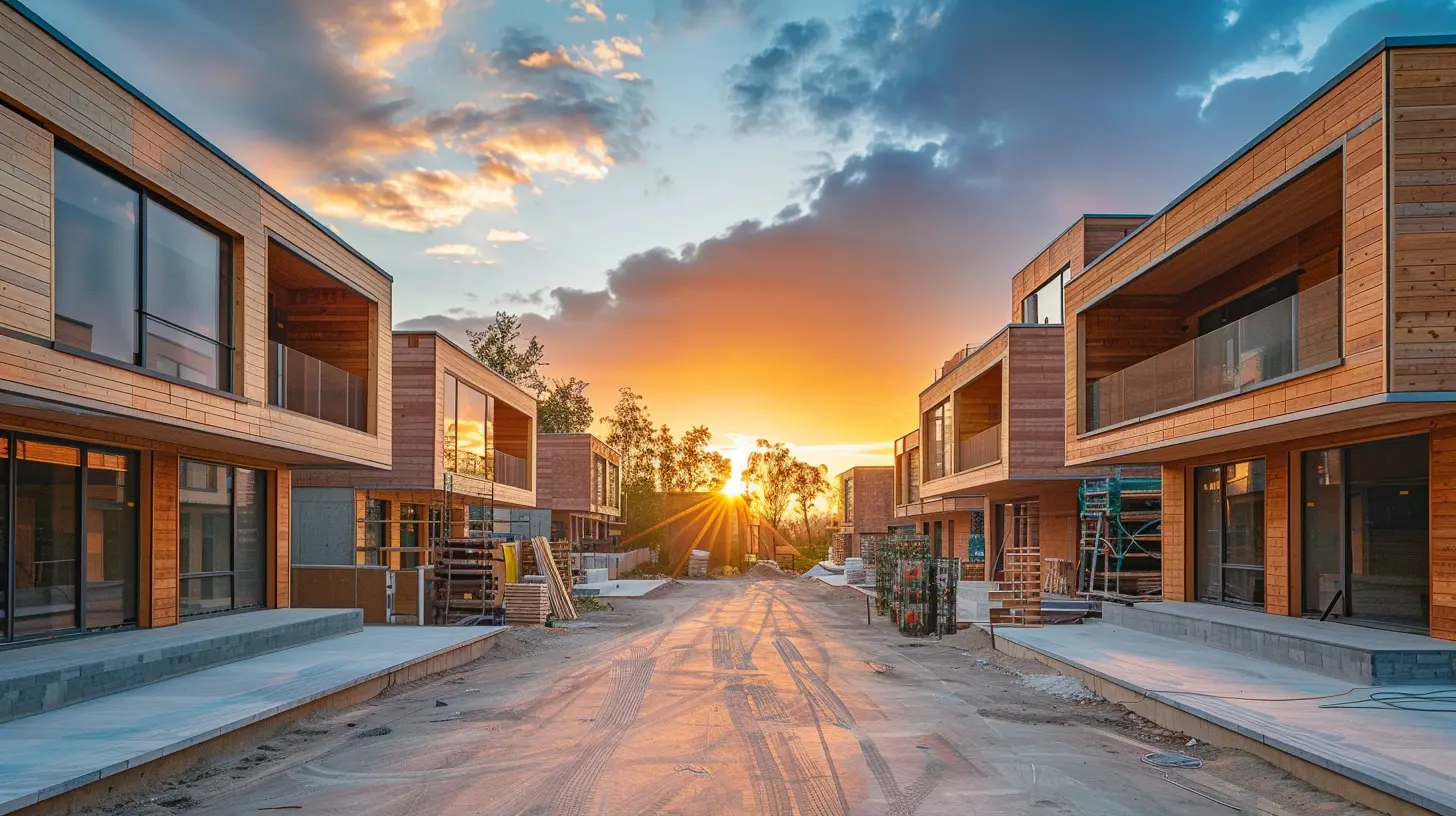
What Is Sustainable Building?
Simply put, sustainable building refers to designing and constructing homes in a way that minimizes environmental impact while maximizing efficiency and durability. This means using eco-friendly materials, reducing waste, improving energy efficiency, and incorporating renewable resources.For homeowners, this translates into lower utility bills, healthier living spaces, and a reduced carbon footprint. But it's not just about cost savings—sustainable homes play a crucial role in the fight against climate change. 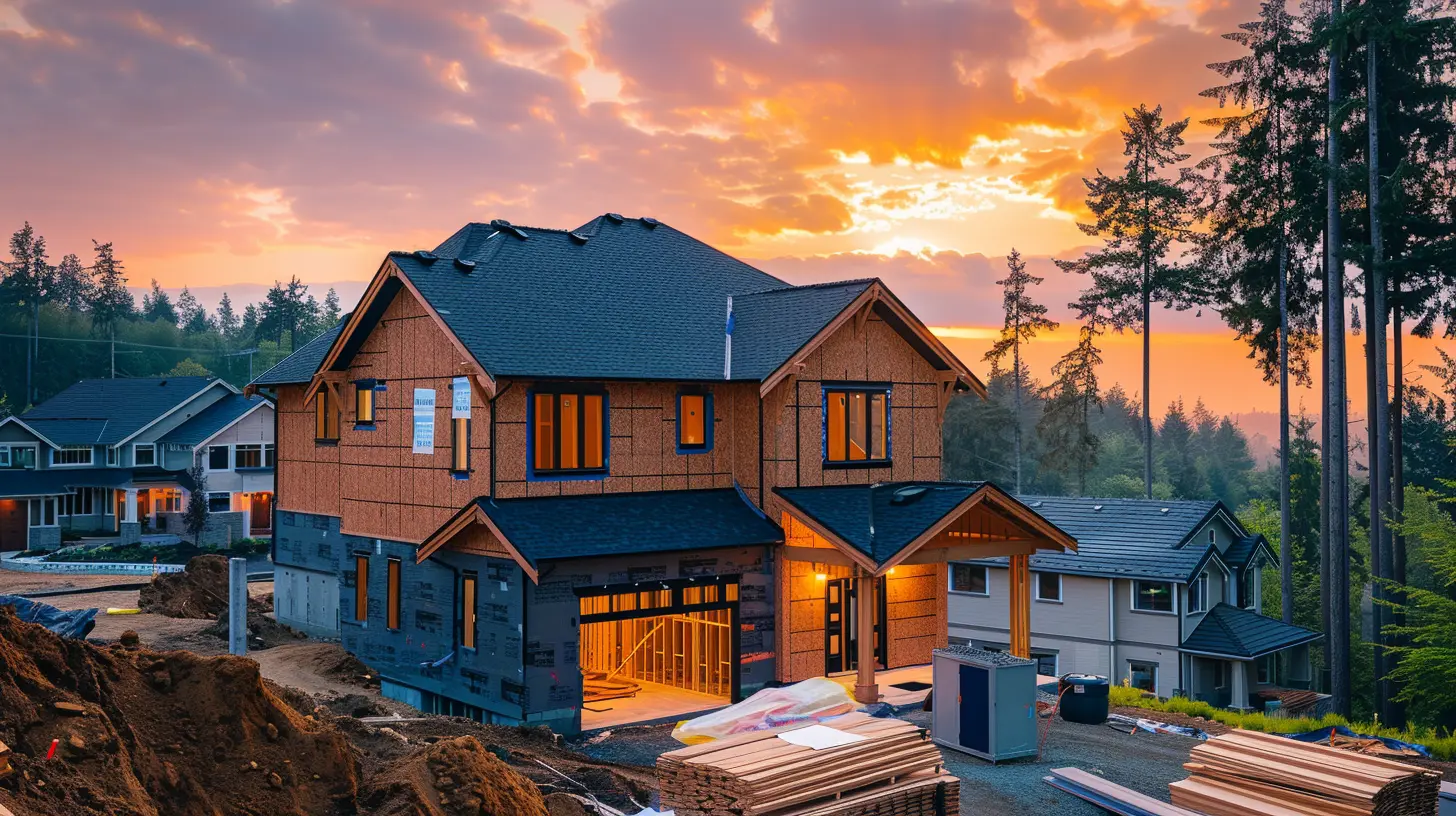
Key Sustainable Building Practices in New Construction Homes
Now that we know what sustainable building is, let’s break down the core practices that are making new construction homes greener and smarter.1. Energy-Efficient Designs
One of the top priorities for sustainable homes is energy efficiency. Builders are implementing designs that reduce the need for excessive heating, cooling, and electricity. Some ways they achieve this include:- Passive solar design – Homes are built to maximize natural sunlight, reducing the need for artificial lighting and heating.
- Proper insulation – High-quality insulation helps regulate indoor temperatures, reducing energy waste.
- Cool roofs – These roofs reflect more sunlight and absorb less heat, keeping homes cooler naturally.
Think of it like a thermos bottle—when engineered right, it keeps hot things hot and cold things cold without much energy.
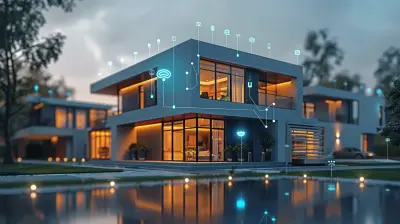
2. Smart Home Technology Integration
Technology and sustainability go hand in hand. New construction homes now come equipped with smart home systems that enhance efficiency, like:- Smart thermostats – Adjust temperatures automatically based on usage patterns.
- Energy-efficient lighting – LED bulbs use significantly less energy than traditional lighting.
- Advanced home automation – Remote-controlled lighting, appliances, and security systems reduce energy waste.
Not only does this boost sustainability, but it also adds convenience for homeowners. Who wouldn’t want to control their thermostat from their phone while lying in bed?
3. Use of Renewable Energy Sources
Renewable energy is a major player in sustainable home construction. Builders are incorporating systems like:- Solar panels – Convert sunlight into electricity, reducing dependence on fossil fuels.
- Geothermal heating and cooling – Uses the Earth's natural temperature to regulate indoor climates.
- Wind energy systems – In some cases, small wind turbines help power homes.
These solutions significantly cut energy costs over time, making them a win-win for both homeowners and the environment.
4. Sustainable Building Materials
Another major shift in new construction homes is the move toward eco-friendly materials. Builders are prioritizing:- Reclaimed wood – Instead of cutting down more trees, wood from old buildings is repurposed.
- Recycled steel – Reduces the need for new steel production, which is energy-intensive.
- Bamboo – A fast-growing and highly sustainable alternative to traditional hardwood.
- Low-VOC paints and finishes – Improves indoor air quality by reducing toxic emissions.
These materials help build long-lasting homes while reducing strain on natural resources.
5. Water Conservation Techniques
Water efficiency is another critical component of sustainable home construction. To combat water waste, builders are integrating:- Low-flow faucets and showerheads – Reduce water consumption without sacrificing performance.
- Rainwater harvesting systems – Collect and reuse rainwater for landscape irrigation.
- Drought-resistant landscaping – Uses native plants that require less water.
By implementing these techniques, homeowners can significantly lower their water bills while promoting responsible resource use.
6. Waste Reduction in Construction
Traditional home construction produces tons of waste—literally. Sustainable building addresses this issue by:- Prefabricated construction – Building key components off-site reduces material waste.
- Recycling construction debris – Materials like concrete, wood, and metal are repurposed instead of discarded.
- Deconstruction instead of demolition – Old buildings are dismantled carefully to salvage reusable materials.
Less waste means fewer landfills and a cleaner planet. It's a small shift that makes a massive impact. 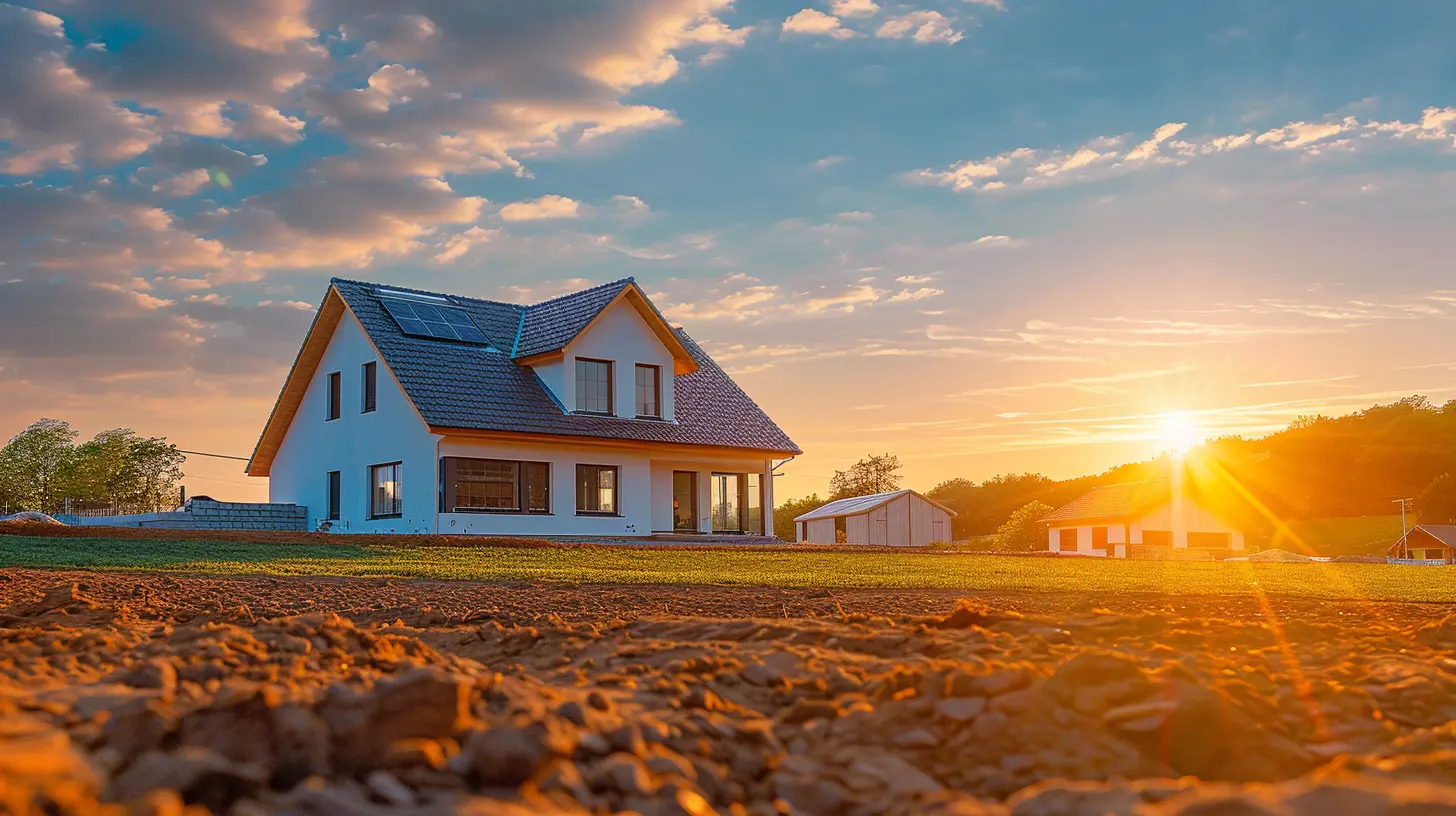
Why Should Homebuyers Care About Sustainable Homes?
Now that we’ve covered the how, let's talk about the why. Why should you, as a homebuyer, care about sustainable homes?1. Cost Savings Over Time
Sure, a sustainable home might have a slightly higher upfront cost, but the long-term benefits are undeniable. Lower energy bills, reduced water usage, and tax incentives for green home features can save you thousands of dollars in the long run.2. Better Indoor Air Quality
Ever stepped into a home and immediately noticed that fresh, clean air? That’s likely thanks to sustainable building practices. Low-VOC paints, non-toxic materials, and improved ventilation mean fewer pollutants in your living space.3. Higher Resale Value
Green homes are becoming more desirable. Buyers are willing to pay a premium for features like solar panels, smart home technology, and energy efficiency. Investing in a sustainable home today could mean a higher selling price down the road.4. Environmental Impact
Let’s be real—the planet needs our help. Opting for a sustainable home isn’t just good for your wallet; it’s a responsible choice that reduces your carbon footprint and helps protect natural resources for future generations.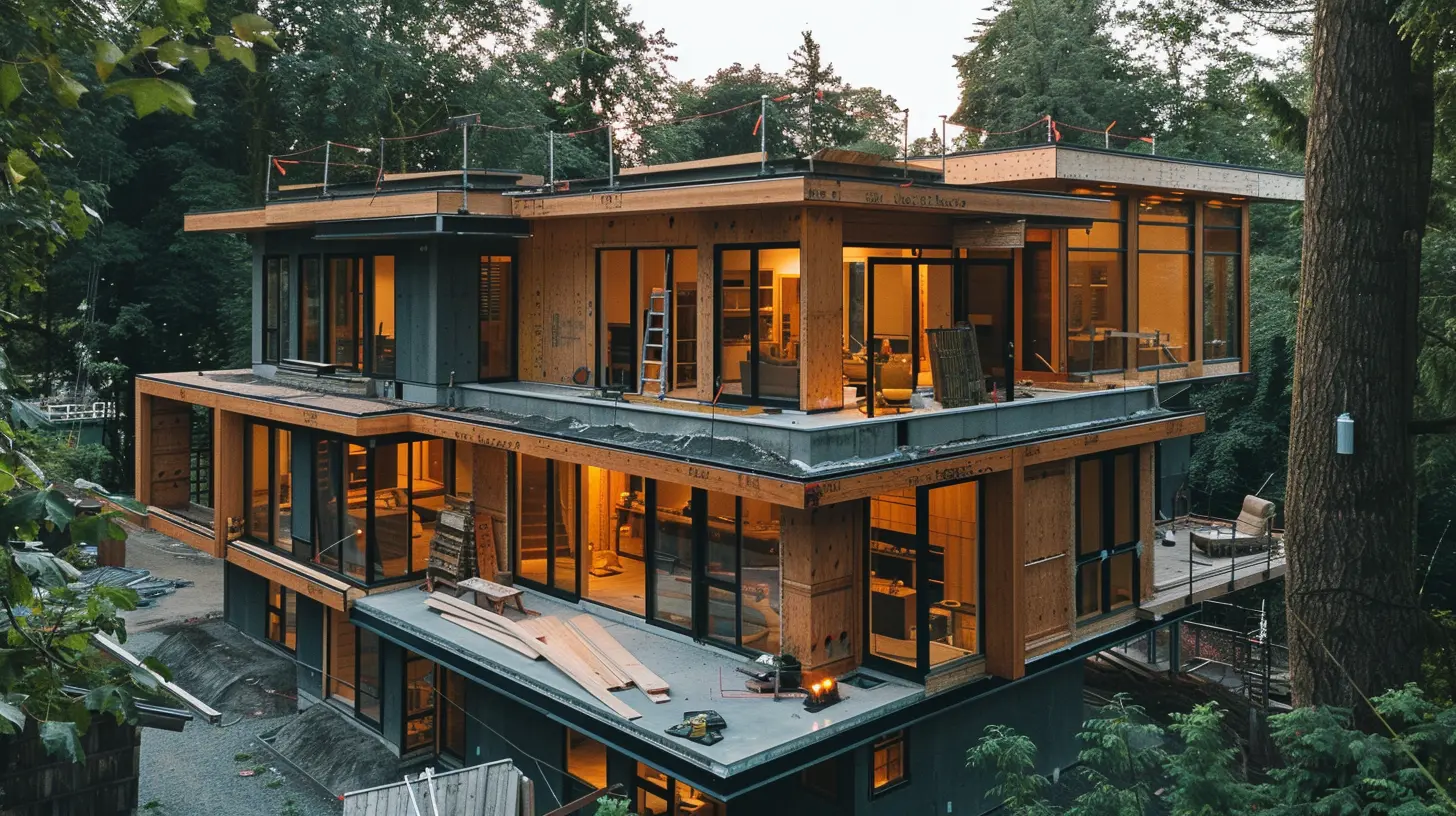
The Future of Sustainable Homes
Sustainable building practices aren’t just a passing trend—they’re the future of home construction. As technology advances and more people embrace eco-friendly living, we can expect:- Increased use of renewable energy sources – Solar, wind, and geothermal energy will become standard in new homes.
- More self-sufficient homes – Homes will generate their own power and even sell excess energy back to the grid.
- Advanced green building certifications – Programs like LEED and ENERGY STAR will set even higher standards for sustainability.
- Innovative materials and techniques – Expect breakthroughs in sustainable materials like carbon-negative concrete and 3D-printed homes.
Builders, developers, and architects are constantly pushing the envelope, and the future of home construction is greener than ever.
Final Thoughts
Sustainable building practices are revolutionizing the housing market, making new construction homes smarter, greener, and more cost-efficient. From energy-saving designs to eco-friendly materials and water conservation, these practices benefit both homeowners and the environment.As a homebuyer, considering a sustainable home isn’t just about saving money—it’s about investing in a better future. So, the next time you’re house hunting, ask yourself: Is this home built for a sustainable tomorrow?
Let’s embrace the change—it’s time for homes that don’t just shelter us but also protect the planet.
all images in this post were generated using AI tools
Category:
New ConstructionAuthor:

Mateo Hines
Discussion
rate this article
2 comments
Lucas McTavish
Sustainable building practices are revolutionizing new construction homes by prioritizing energy efficiency, reducing waste, and utilizing eco-friendly materials. These advancements not only lower environmental impact but also enhance property value and appeal to a market increasingly focused on sustainability and long-term investment benefits.
January 25, 2026 at 2:02 PM
Mateo Hines
Thank you for your insightful comment! It’s true that sustainable building practices are not only beneficial for the environment but also for homeowners and the market overall.
Thane McAleer
Embracing sustainability fosters healthier communities and a brighter future.
January 14, 2026 at 11:23 AM
Mateo Hines
Absolutely! Sustainable building practices not only enhance community health but also pave the way for a sustainable future.