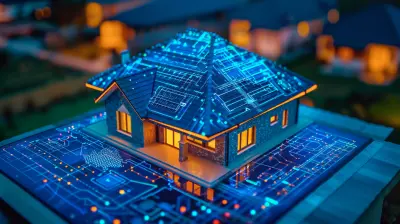
How Tech and Remote Work Could Influence Housing Prices in 2027
8 November 2026
As we look ahead to 2027, the landscape of housing prices is poised for significant change, driven by advancements in technology and the growing prevalence of remote work. These trends are reshaping not just where people want to live but also how much they are willing to pay for their homes. This article delves into the interplay between technology, remote work, and housing prices, offering insights and practical advice for buyers, sellers, and investors alike.

The Rise of Remote Work
A Transformative Shift
The COVID-19 pandemic accelerated a trend that was already in motion: remote work. Companies realized that employees could be productive outside the traditional office environment. By 2027, remote work is likely to be a standard practice for many industries, fundamentally altering the housing market.Flexibility in Location
With remote work, individuals are no longer tethered to urban centers. This flexibility allows them to consider homes in suburban or rural areas, often leading to increased demand in these locations. As a result, housing prices in these regions might rise, while urban areas could face stagnation or even declines in pricing.Case Study: The Suburban Boom
Consider the case of a tech worker in San Francisco who, pre-pandemic, had to live in a cramped apartment due to high rental prices. With the option to work remotely, they move to a spacious home in the suburbs of Sacramento. This shift not only enhances their quality of life but also contributes to rising prices in areas previously seen as less desirable.
Technology's Role in Housing
Smart Homes and Automation
As technology advances, so too does the concept of the smart home. Features such as automated lighting, security systems, and energy-efficient appliances are becoming standard, influencing buyer preferences and, consequently, housing prices. Homes equipped with these technologies often command higher prices due to their perceived value.Virtual Tours and Online Transactions
The rise of virtual reality (VR) and augmented reality (AR) has transformed how buyers view properties. Virtual tours allow potential buyers to explore homes from anywhere in the world, making the buying process more accessible. This increased accessibility can lead to a broader pool of buyers, driving up competition and prices.Data Analytics and Market Insights
Real estate professionals are increasingly using data analytics to gauge market trends and pricing strategies. By analyzing factors like local economic conditions, demographics, and buyer behavior, agents can provide clients with informed advice. This data-driven approach can lead to more strategic pricing, impacting overall market dynamics.
The Impact of Demographics
Millennials and Gen Z
As millennials and Gen Z enter the housing market, their preferences will shape future trends. These younger generations prioritize sustainability, technology, and community amenities. Homes that align with these values may see increased demand, influencing pricing structures across different markets.Aging Population
Conversely, the aging population will also affect housing prices. Many baby boomers are looking to downsize or relocate to retirement-friendly communities. This demographic shift could lead to increased demand in specific markets, such as 55+ communities, driving prices up in those areas.
Regional Variations in Housing Prices
Urban vs. Suburban Markets
The urban-suburban divide is set to widen by 2027. Cities that once thrived on a dense population may see a decline in prices as remote work allows people to seek more space. In contrast, suburban neighborhoods could experience a surge in demand, leading to price increases.Rural Areas: The New Frontier
Rural areas, often overlooked in the past, may become attractive to buyers seeking affordability and a quieter lifestyle. As technology enables remote work, these locations could see significant price appreciation, especially if they offer essential amenities and good internet connectivity.The Role of Government Policy
Zoning Laws and Housing Development
Government policies will play a crucial role in shaping housing prices. Zoning laws that promote mixed-use developments and affordable housing can help meet the demand created by remote work. Conversely, restrictive zoning can stifle growth and keep prices artificially high.Incentives for Remote Workers
Some local governments may offer incentives to attract remote workers. These could include tax breaks or grants for homebuyers. Such initiatives could boost demand in specific regions, further influencing housing prices.
Common Misconceptions
Remote Work Equals Lower Prices
One common misconception is that remote work will universally lower housing prices. While some urban areas may see declines, others may experience price increases due to heightened demand in suburban or rural settings.Technology Will Replace Real Estate Agents
While technology has transformed the real estate landscape, it has not replaced the need for human agents. Buyers still value the expertise and personal touch that experienced agents provide, especially in navigating complex transactions.Best Practices for Buyers and Sellers
For Buyers
1. Research Emerging Markets: Look beyond traditional hotspots. Consider areas that may benefit from the remote work trend and have potential for price appreciation.2. Prioritize Technology: When searching for homes, pay attention to smart technologies and energy efficiency. These features can enhance your living experience and future resale value.
3. Be Flexible: Be open to different types of properties and locations. The ideal home may not be where you initially thought.
For Sellers
1. Highlight Smart Features: If your home has smart technology, showcase it in listings and during showings. This can attract tech-savvy buyers willing to pay a premium.2. Understand Market Trends: Stay informed about local market conditions and adjust your pricing strategy accordingly. A well-researched approach can lead to a quicker sale at a favorable price.
3. Consider Timing: Timing your sale can make a significant difference. If you anticipate a shift in demand, list your property before the market becomes saturated.
The Future of Housing Prices
A Dynamic Landscape
As we approach 2027, the housing market will continue to evolve. Factors such as remote work, technology, and demographic shifts will create a dynamic landscape where adaptability is key. Buyers, sellers, and investors must remain vigilant and informed to navigate these changes successfully.Balancing Risks and Opportunities
While the potential for price appreciation exists, so too do risks. Economic downturns, shifts in remote work policies, and changes in consumer preferences could all impact housing prices. It is essential to weigh these factors carefully before making significant decisions.Conclusion
The intersection of technology and remote work is set to redefine the housing market by 2027. Understanding these trends and their implications can empower buyers and sellers to make informed decisions. By embracing flexibility, leveraging technology, and staying attuned to market dynamics, stakeholders can navigate this evolving landscape successfully.
all images in this post were generated using AI tools
Category:
Housing BubbleAuthor:

Mateo Hines