How to Choose Energy Efficient Windows Without Breaking the Bank
7 November 2026
Choosing energy efficient windows is a crucial decision for homeowners looking to improve their comfort while reducing energy costs. The right windows can significantly impact your heating and cooling bills, enhance your home's aesthetic appeal, and even increase its resale value. However, with numerous options available, selecting the best fit for your budget and needs can be overwhelming. This article will guide you through the essential considerations and practical advice to make an informed decision without overspending.

Understanding Energy Efficiency in Windows
What Makes a Window Energy Efficient?
Energy efficient windows are designed to minimize heat transfer, keeping your home warmer in winter and cooler in summer. This efficiency is achieved through various features:- Glazing: The type of glass used in windows plays a significant role. Double or triple glazing consists of two or three layers of glass, respectively, creating an insulating barrier. Low-emissivity (Low-E) coatings reflect heat back into the room, enhancing insulation.
- Frame Material: The material used for window frames affects thermal performance. Common materials include vinyl, wood, aluminum, and fiberglass. Each has different insulation properties and maintenance requirements.
- Gas Fills: Windows may be filled with gases like argon or krypton between the panes. These gases are denser than air, providing better insulation.
- Spacer Bars: These separate the panes of glass in double or triple-glazed windows. Warm-edge spacers reduce heat loss at the edges of the glass unit.
Why Energy Efficiency Matters
Investing in energy efficient windows can lead to substantial long-term savings. According to the U.S. Department of Energy, heat gain and loss through windows is responsible for 25-30 percent of residential heating and cooling energy use. By reducing this energy loss, homeowners can:- Lower utility bills
- Enhance indoor comfort
- Reduce environmental impact
- Increase property value

Factors to Consider When Choosing Windows
1. Climate and Location
Your geographic location plays a vital role in determining the type of windows you need. In warmer climates, you may want windows that reflect sunlight and keep heat out, while in colder areas, you'll need windows that retain heat.- Warm Climates: Consider windows with a high Solar Heat Gain Coefficient (SHGC). Look for Low-E coatings to deflect heat. A darker tint may also be beneficial to reduce glare and heat gain.
- Cold Climates: Opt for windows with a low U-factor, indicating better insulation. Double or triple glazing with gas fills will help retain warmth.
2. Window Frame Materials
The frame material affects both the cost and thermal performance. Here are some common options:- Vinyl: Affordable and low-maintenance, vinyl frames provide good insulation. However, they may not be as durable as other materials.
- Wood: Offers excellent insulation and aesthetics but requires regular maintenance to prevent rot.
- Fiberglass: Highly durable and energy efficient, fiberglass frames are more expensive. They offer excellent insulation and require less maintenance than wood.
- Aluminum: Strong and lightweight, aluminum is often used in commercial applications. However, it conducts heat, making it less energy efficient unless thermally broken.
3. Window Styles
Different window styles can impact efficiency and aesthetics. Some popular options include:- Casement Windows: Hinged at the side, these windows provide excellent ventilation and airtight seals.
- Double-Hung Windows: Featuring two operable sashes, they are versatile but may not seal as tightly as casement styles.
- Sliding Windows: Easy to operate and maintain, they are often less energy efficient due to potential air leaks.
4. Energy Ratings and Certifications
Before making a purchase, check for energy ratings and certifications. Look for the following:- Energy Star Label: Indicates that the window meets energy efficiency guidelines set by the U.S. Environmental Protection Agency.
- NFRC Ratings: The National Fenestration Rating Council provides U-factor, SHGC, and air leakage ratings. These metrics help assess overall performance.
5. Installation
Proper installation is critical to maximizing energy efficiency. Poorly installed windows can lead to air leaks, condensation, and reduced efficiency. Always hire a reputable contractor who follows manufacturer guidelines. Ask for references and check reviews to ensure quality workmanship.
Budgeting for Energy Efficient Windows
1. Assess Your Needs
Begin by evaluating your current windows. Are they drafty? Is there considerable condensation? Understanding the shortcomings of your existing windows will help prioritize your budget.2. Understand Costs
The cost of energy efficient windows varies significantly based on material, style, and features. Here's a rough breakdown:- Vinyl Windows: $200 - $600 per window
- Wood Windows: $300 - $800 per window
- Fiberglass Windows: $500 - $1,200 per window
- Aluminum Windows: $300 - $700 per window
Keep in mind that these prices can increase with added features like Low-E coatings or gas fills.
3. Look for Incentives and Rebates
Many states offer tax credits, rebates, or incentives for energy efficiency upgrades. Research local programs that can help offset costs. The Database of State Incentives for Renewables and Efficiency (DSIRE) is a good resource to find available options.4. Compare Quotes
Once you've narrowed down your choices, obtain multiple quotes from different contractors. Ensure each quote outlines the same specifications to make fair comparisons. Don't overlook the warranty and service options included in the pricing.
Common Mistakes to Avoid
1. Choosing Based Solely on Price
While staying within budget is essential, selecting windows based solely on the lowest price can lead to poor performance and increased costs in the long run. Invest in quality windows that provide durability and efficiency.2. Ignoring Installation Quality
Even the best windows can underperform if installed poorly. Always prioritize quality installation over a lower price.3. Neglecting Maintenance
Some materials require more maintenance than others. For example, wood frames need regular painting or sealing. Be sure to factor in the long-term maintenance costs when selecting your windows.Conclusion
Choosing energy efficient windows doesn't have to be a financial burden. By understanding your needs, considering the various factors, and making informed decisions, you can select windows that enhance your home's comfort and efficiency while staying within your budget. Remember, the right windows are a long-term investment that will pay off in energy savings and increased home value.Invest wisely, keep an eye on quality, and don't hesitate to seek professional advice when needed. With the right approach, you can achieve an energy-efficient home that doesn't break the bank.
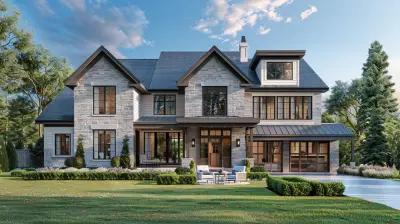
all images in this post were generated using AI tools
Category:
Home Energy EfficiencyAuthor:

Mateo Hines