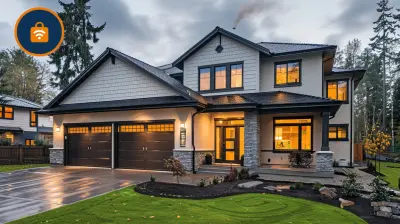
How to Negotiate the Best Deal When Buying a Home
22 March 2026
Buying a home is one of the biggest financial decisions you'll ever make. It’s an exciting journey, but it can also be overwhelming, especially when it comes to negotiating the best deal. Nobody wants to overpay, but at the same time, you don’t want to lose out on your dream home.
So, how do you strike the perfect balance? Negotiation is an art, and with the right strategies, you can walk away with a deal that benefits you financially while keeping the seller happy. In this guide, we’ll break down the best tips and tactics to help you negotiate like a pro and get the best possible price on your new home. 
1. Understand the Market Before You Start
Before you even think about making an offer, you need to understand the local real estate market. Are you in a buyer’s market or a seller’s market?- Buyer’s market: There are more homes for sale than buyers, giving you the upper hand in negotiations.
- Seller’s market: Demand exceeds supply, which means sellers have more power, and homes may sell above asking price.
Knowing where the market stands will help you set realistic expectations and develop a solid negotiation strategy. 
2. Get Pre-Approved for a Mortgage
Walking into negotiations without a mortgage pre-approval is like going car shopping without knowing your budget. A pre-approval letter shows sellers that you are serious and financially capable of closing the deal.This gives you an edge over other buyers who may not be as prepared. Plus, it helps you understand exactly how much house you can afford, preventing you from wasting time on properties outside your budget. 
3. Research the Home’s History
Knowledge is power. Before making your offer, dig deep into the property’s history:- How long has it been on the market? If it’s been sitting for months, the seller may be more willing to negotiate.
- Has the price dropped before? This could indicate the seller is open to offers below the asking price.
- What did comparable homes sell for? Check recent sales of similar homes in the neighborhood to ensure you're making a fair offer.
The more you know, the stronger your negotiation position will be. 
4. Start with a Strong but Reasonable Offer
You don’t want to lowball the seller and risk offending them, but you also don’t want to overpay. A strategic first offer should be:- Competitive, but slightly lower than your maximum budget to leave room for negotiation.
- Based on the property’s actual market value, not just the listing price.
- Accompanied by a well-crafted earnest money deposit, showing you’re serious about the purchase.
The goal is to start discussions without turning off the seller.
5. Ask for Seller Concessions
Home price isn’t the only thing on the table—you can negotiate other aspects of the deal, such as:- Closing costs: Ask the seller to cover some or all closing costs.
- Repairs and upgrades: If the home inspection reveals issues, request repairs or a price reduction.
- Appliances and furniture: Sellers may be willing to leave appliances, fixtures, or even furniture if they’re moving out of state.
Remember, small wins can add up to huge savings!
6. Use Time to Your Advantage
Timing can influence how much negotiating power you have. If a seller is in a hurry to sell due to relocation, financial issues, or an extended time on the market, you may be able to get a better deal.On the flip side, if you’re in a seller’s market with multiple offers on the table, you may need to act fast and be flexible with your terms.
7. Leverage a Strong Real Estate Agent
A skilled real estate agent can be a game-changer in negotiations. They:- Have industry experience and know what tactics work best.
- Understand the seller’s motivations and can craft the right approach.
- Handle negotiations professionally, keeping emotions out of the deal.
If you’re new to home buying, don’t try to do everything alone—let an expert guide you.
8. Be Ready to Walk Away
One of the strongest negotiation tactics? Being willing to walk away.If a seller refuses to budge on price or terms that aren’t in your favor, know your limits and be prepared to move on. There will always be other homes, and sticking to your budget will prevent financial stress down the road.
This mindset also gives you leverage—if the seller senses you’re not desperate, they may reconsider your offer.
9. Get Everything in Writing
Verbal agreements mean nothing in real estate. Make sure every negotiated term, from price reductions to repairs, is documented in writing within the contract.This protects you from last-minute surprises and ensures both parties stick to their commitments.
10. Stay Professional and Respectful
Negotiation isn’t about winning or beating the seller—it’s about finding a deal that benefits both sides. Stay polite, professional, and patient. A good attitude can go a long way in making the process smoother and more successful.Final Thoughts
Negotiating the best deal when buying a home doesn’t have to be stressful. By understanding the market, doing your research, and using smart negotiation tactics, you can save money and secure a deal that works for you.Remember, buying a home is not just about price—it’s about value. With the right approach, you’ll not only get a great price but also feel confident in your purchase decision. Now go out there and land the home of your dreams!
all images in this post were generated using AI tools
Category:
Buyers GuideAuthor:

Mateo Hines
Discussion
rate this article
2 comments
Caelestis Morales
Great insights! Negotiating a home purchase can be daunting, but your tips make it seem manageable. I especially loved the advice on researching comparable sales—knowledge truly is power! Looking forward to using these strategies in my home search. Thanks for sharing!
March 26, 2026 at 5:44 AM
Mateo Hines
Thank you! I'm glad you found the tips helpful. Best of luck with your home search!
Ariana McMichael
Discover the hidden secrets of negotiation that can unlock your dream home’s price.
March 25, 2026 at 4:37 AM
Mateo Hines
Thank you for your enthusiasm! Stay tuned for insights that can help you secure your dream home at the best price.