How to Prep Your Home for Solar Power During a Remodel
18 February 2026
If you’re planning a remodel, there’s no better time to think about going solar. Tearing things up and putting them back together creates the perfect opportunity to integrate solar energy seamlessly into your home. But how do you go about preparing your home for solar power during a remodel? It's not as simple as slapping panels on the roof and calling it a day. Proper planning ensures you maximize efficiency, save money, and future-proof your home’s energy needs.
In this guide, we’ll walk you through everything you need to know—from assessing your home’s solar potential to making structural and electrical upgrades. Ready to make your home more sustainable? Let’s dive in! 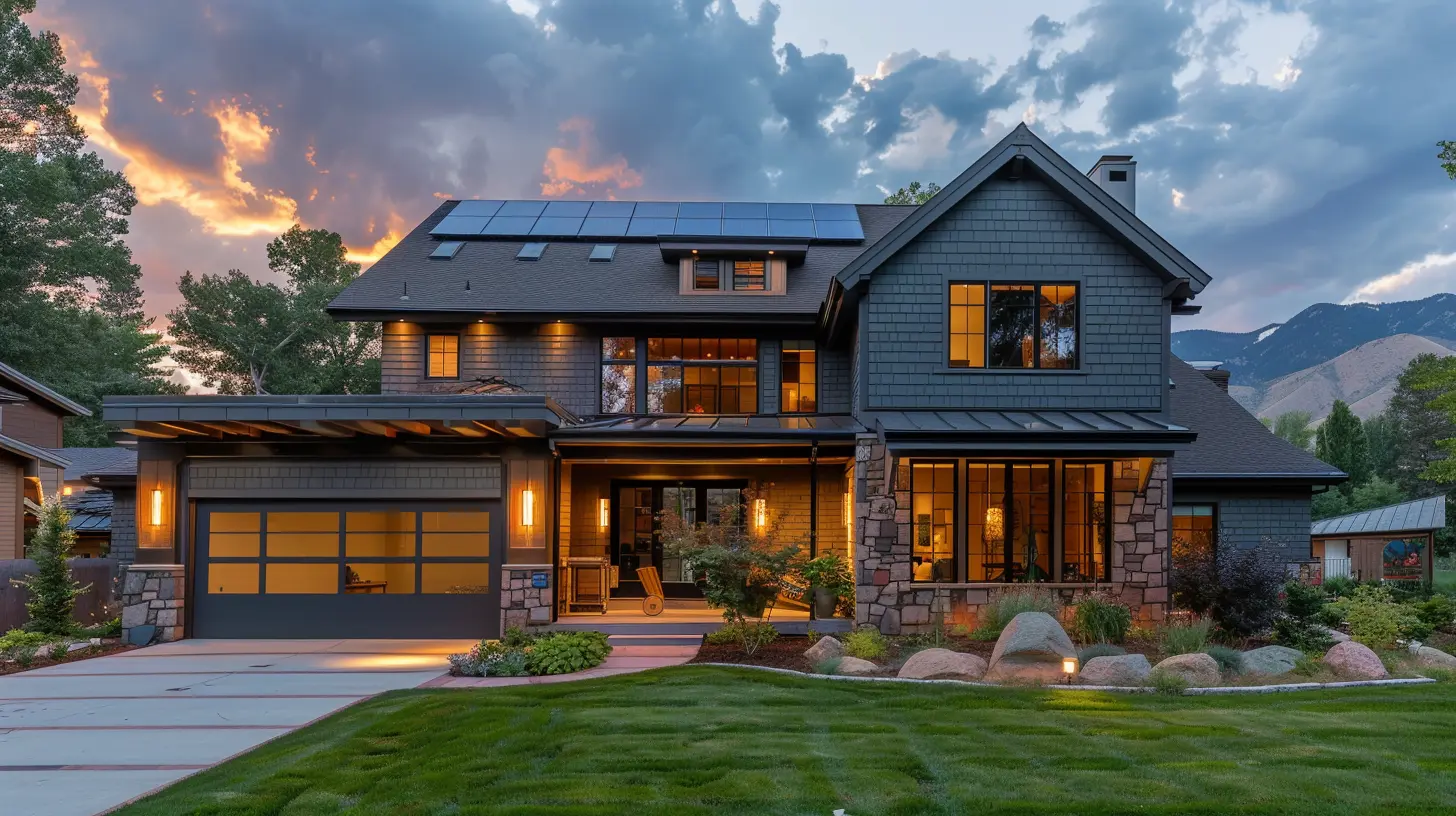
1. Why Remodeling Is the Best Time to Go Solar
Most homeowners install solar panels on an existing roof, but that approach can have limitations. By incorporating solar readiness into your remodeling plans, you’ll save money on retrofitting costs, maximize efficiency, and ensure your home is as energy-efficient as possible.Benefits of Prepping for Solar During a Remodel
- Saves Money – Planning for solar now can save on labor and material costs later.- Optimizes Efficiency – You can design your home to get the most sunlight exposure.
- Future-Proofs Your Home – With energy costs rising, solar panels can significantly cut down utility bills.
- Seamless Aesthetic Integration – You can design your remodel so panels blend in rather than looking like an afterthought.
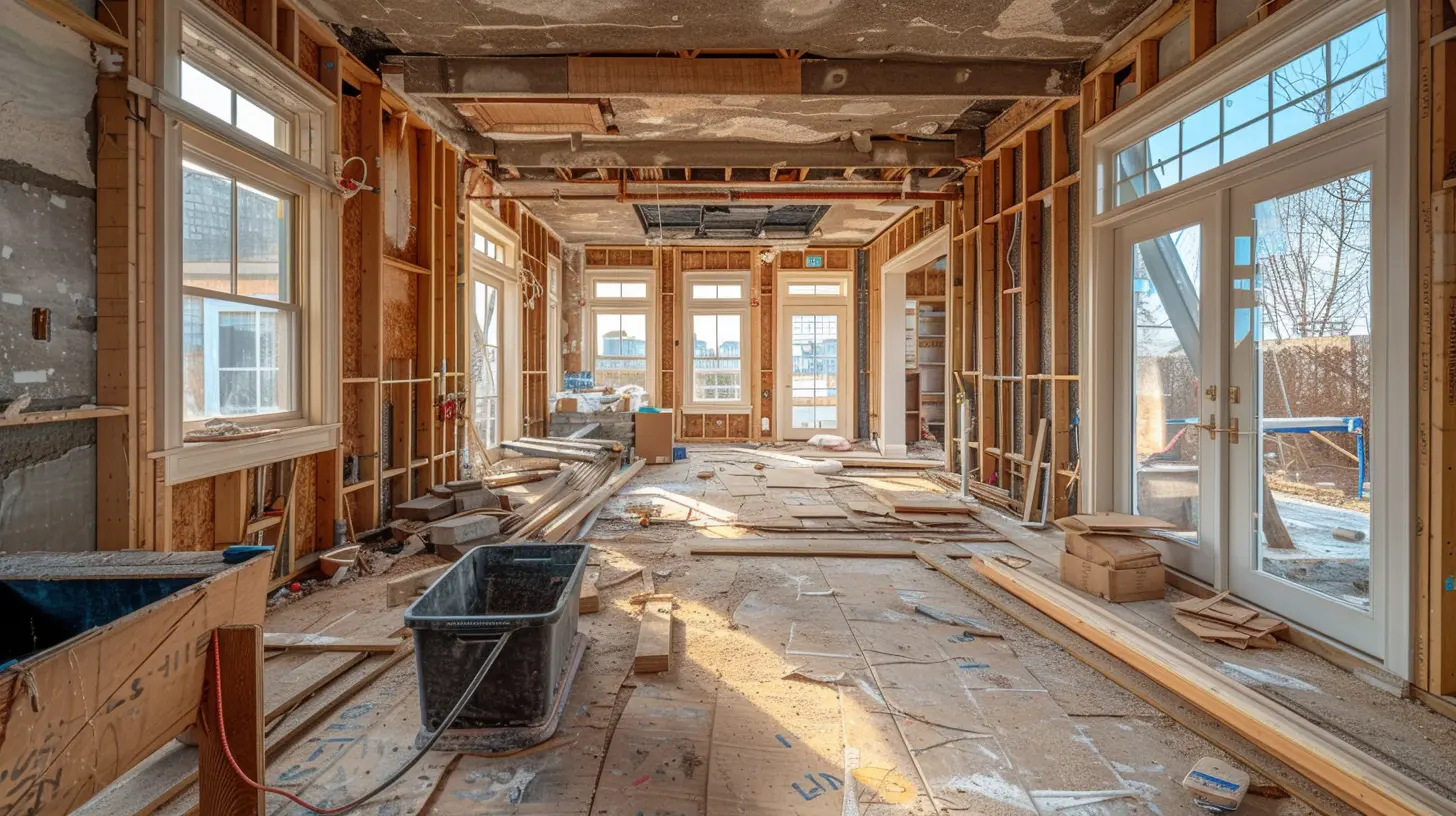
2. Assessing Your Home’s Solar Potential
Before making any major decisions, determine if your home is a good candidate for solar energy. Here’s what you need to consider:Roof Orientation and Sun Exposure
The amount of sunlight your home receives plays a huge role in solar panel efficiency. Ideally, you want a south-facing roof with minimal shade. Use tools like Google Project Sunroof to analyze your home’s solar potential.Roof Condition and Material
If you’re remodeling, it’s smart to evaluate whether your roof needs repairs or a full replacement. Solar panels last 25+ years, so your roof must be durable enough to support them long-term. Asphalt shingles, standing seam metal, and tiles are the best materials for solar panel installations.Local Regulations and Incentives
Check local zoning laws, HOA restrictions, and building codes to ensure your remodel aligns with solar installation guidelines. Also, look into federal and state solar incentives, like the 30% Federal Solar Investment Tax Credit (ITC), which can significantly reduce costs.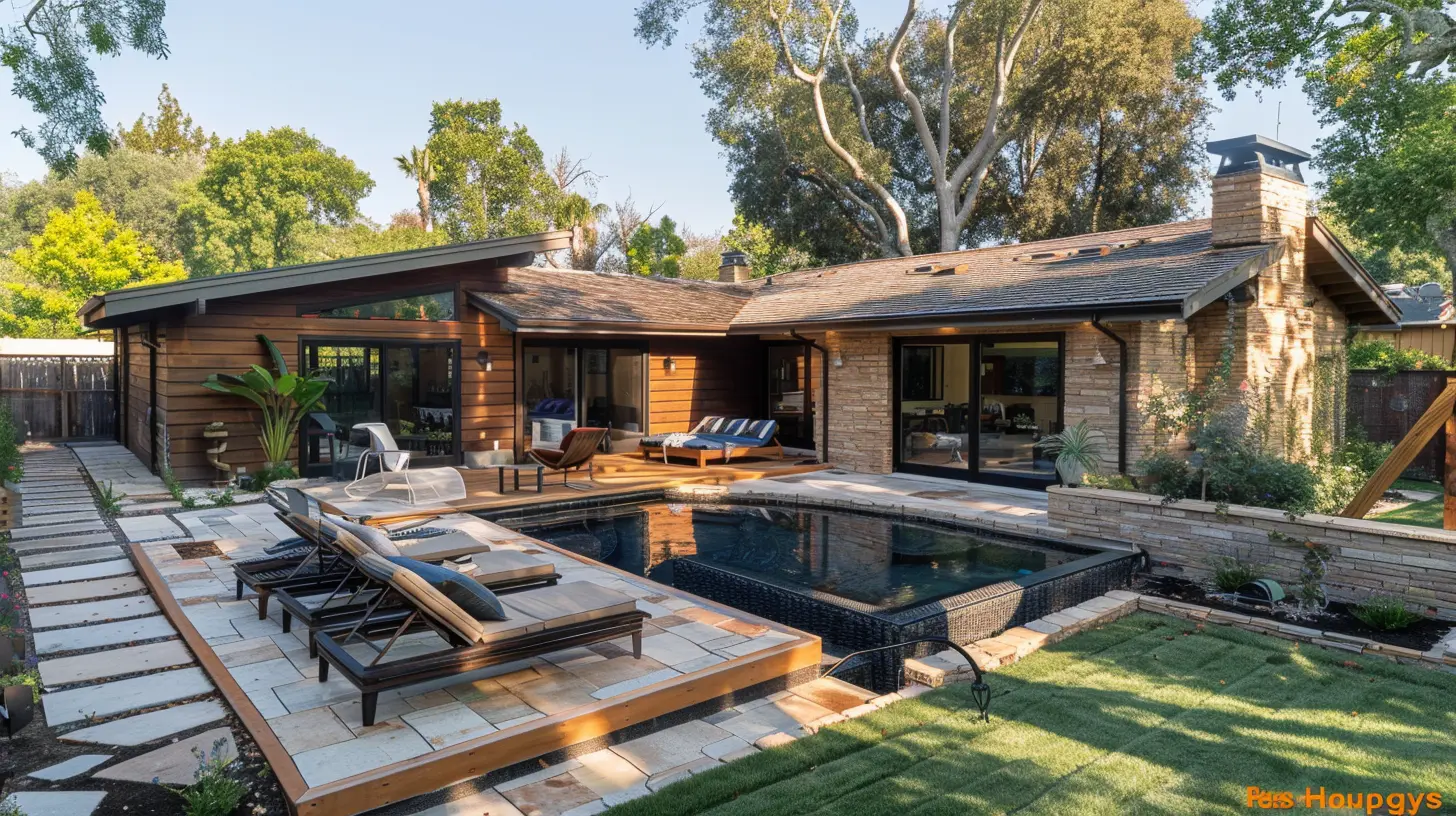
3. Structural Upgrades for Solar Integration
If your home isn't currently optimized for solar, your remodel is the perfect time to make necessary structural improvements.Strengthen Your Roof
Solar panels add weight to your roof, so it needs to be strong enough to handle the load. A structural engineer can assess whether reinforcements are needed.Design for Maximum Sunlight
If possible, modify your roofline to create a flat or south-facing surface with minimal obstructions like chimneys or vents. The more sunlight exposure, the better your system will perform.Install Conduit Pathways
Running electrical conduits inside walls and ceilings during a remodel is much easier (and cheaper) than doing it later. Pre-planning electrical pathways makes the solar panel installation process smoother.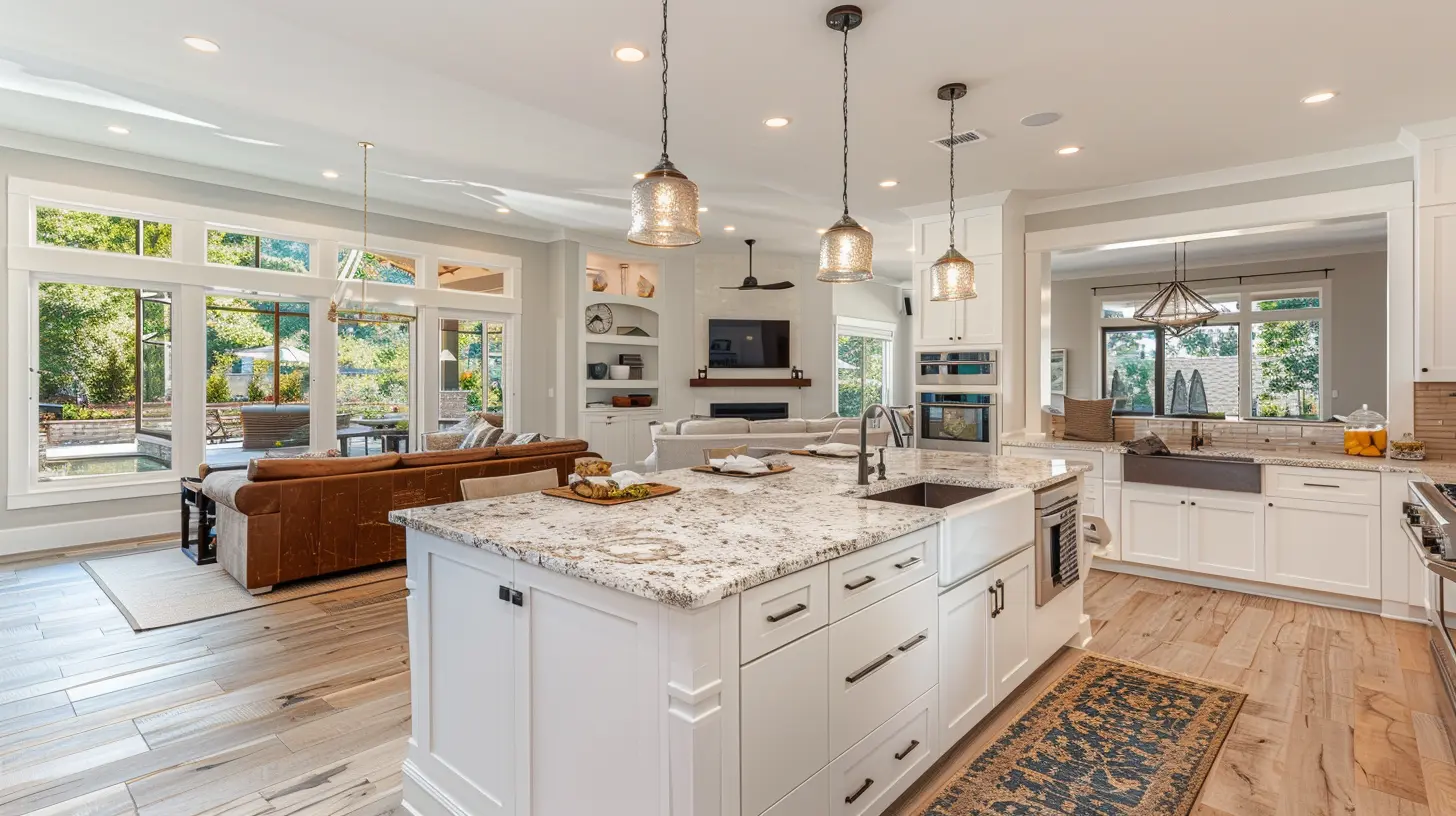
4. Electrical Upgrades for Solar Readiness
Your home’s electrical system needs to be able to handle solar energy. Here’s what to consider:Upgrade Your Electrical Panel
Older homes often have outdated electrical panels that lack the capacity for solar. During your remodel, consider upgrading to a 200-amp panel to ensure your home is solar-ready.Pre-Wire for Future Battery Storage
While not everyone installs solar batteries right away, it’s wise to run wiring for future battery storage. Batteries allow you to store excess energy for nighttime use or power outages.Install a Smart Energy Meter
Upgrading to a smart energy meter helps monitor energy usage and optimize solar panel efficiency. Many utility companies provide these for free or at a low cost.5. Selecting the Right Solar Components
Planning ahead means you can choose the best solar components tailored to your remodel. Here’s what to keep in mind:Solar Panels
Not all solar panels are created equal. Look for high-efficiency monocrystalline panels if you have limited roof space. If aesthetics matter, consider all-black panels that blend seamlessly with your roof.Inverters
Inverters convert solar energy into usable electricity. The two main types are:- String Inverters – More affordable but less efficient in partial shade.
- Microinverters – More expensive but allow independent panel performance.
Solar Battery Storage (Optional)
If you want backup power when the grid goes down, consider adding solar batteries like Tesla Powerwall or LG Chem. Pre-wiring during your remodel makes adding a battery later much easier.6. Planning for Solar Water Heating
Solar power isn’t just for electricity. You can also heat your water using solar thermal panels. If you’re already remodeling bathrooms or kitchens, consider upgrading to a solar water heating system to further reduce energy costs.7. Partnering with the Right Solar Contractor
Choosing the right solar installer is just as important as prepping your home for solar. Here’s what you should look for:- Experience with Solar + Remodeling Projects – Not all contractors understand the intricacies of merging solar with renovation plans.
- Certified Installers – Look for certification from organizations like NABCEP (North American Board of Certified Energy Practitioners).
- Warranties & Maintenance Plans – A good contractor will provide warranties on workmanship and equipment.
8. Maximizing Home Energy Efficiency for Solar
The less energy your home uses, the more effective your solar system will be. As part of your remodel, upgrade to:- Energy-Efficient Windows – Prevent heat loss and reduce electricity use.
- LED Lighting – Uses up to 75% less energy than traditional bulbs.
- Smart Thermostats – Optimize heating and cooling to reduce energy waste.
- High-Efficiency Appliances – Lower energy consumption means fewer solar panels needed!
9. Understanding the Cost & ROI
Installing solar panels isn’t just an expense—it’s an investment. Here’s why:Upfront Costs
A full solar system (including installation) typically costs between $15,000 - $30,000 before incentives.Savings Over Time
Solar panels can cut utility bills by 50-90%, depending on your electricity usage and sunlight exposure. Most homeowners recoup their investment within 6-10 years.Increased Home Value
Studies show homes with solar panels sell for 4-5% more than those without. Buyers love energy-efficient homes!Final Thoughts
Remodeling your home is the perfect opportunity to incorporate solar energy seamlessly. By planning ahead, making key structural and electrical upgrades, and choosing the right components, you can future-proof your home for sustainable energy savings.Solar isn’t just about reducing your carbon footprint—it’s about taking control of your energy future. So, as you tear down walls and rebuild, why not create a home that works for you, not against you?
all images in this post were generated using AI tools
Category:
Home RenovationAuthor:

Mateo Hines
Discussion
rate this article
2 comments
Angela Kirkpatrick
Great tips! Preparing for solar during a remodel can really boost energy savings and home value.
March 5, 2026 at 3:42 AM
Mateo Hines
Thank you! I'm glad you found the tips helpful. Preparing your home for solar can indeed make a significant difference!
Vanta Long
Remodeling? Don’t forget to make your roof a solar superhero—cape not included, but energy savings are!
February 18, 2026 at 1:29 PM
Mateo Hines
Great point! Incorporating solar roofing during a remodel is a smart way to boost energy efficiency and save on costs. Thanks for the reminder!