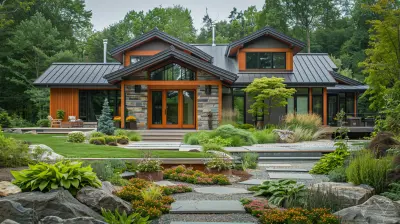
How to Secure the Best Mortgage for Your New Construction Home
14 June 2026
Buying a new construction home is an exciting adventure. Picture it—you get to make design choices, enjoy modern amenities, and move into a place where everything is fresh and untouched. But before you can pop the champagne, there's one major hurdle: securing the best mortgage.
Getting a mortgage for a new construction home isn't always the same as financing a resale property. It can be a bit more complex, but with the right strategy, you can lock in a great deal. So, if you're ready to turn that blueprint into reality, let's dive into how you can secure the best mortgage for your new home.
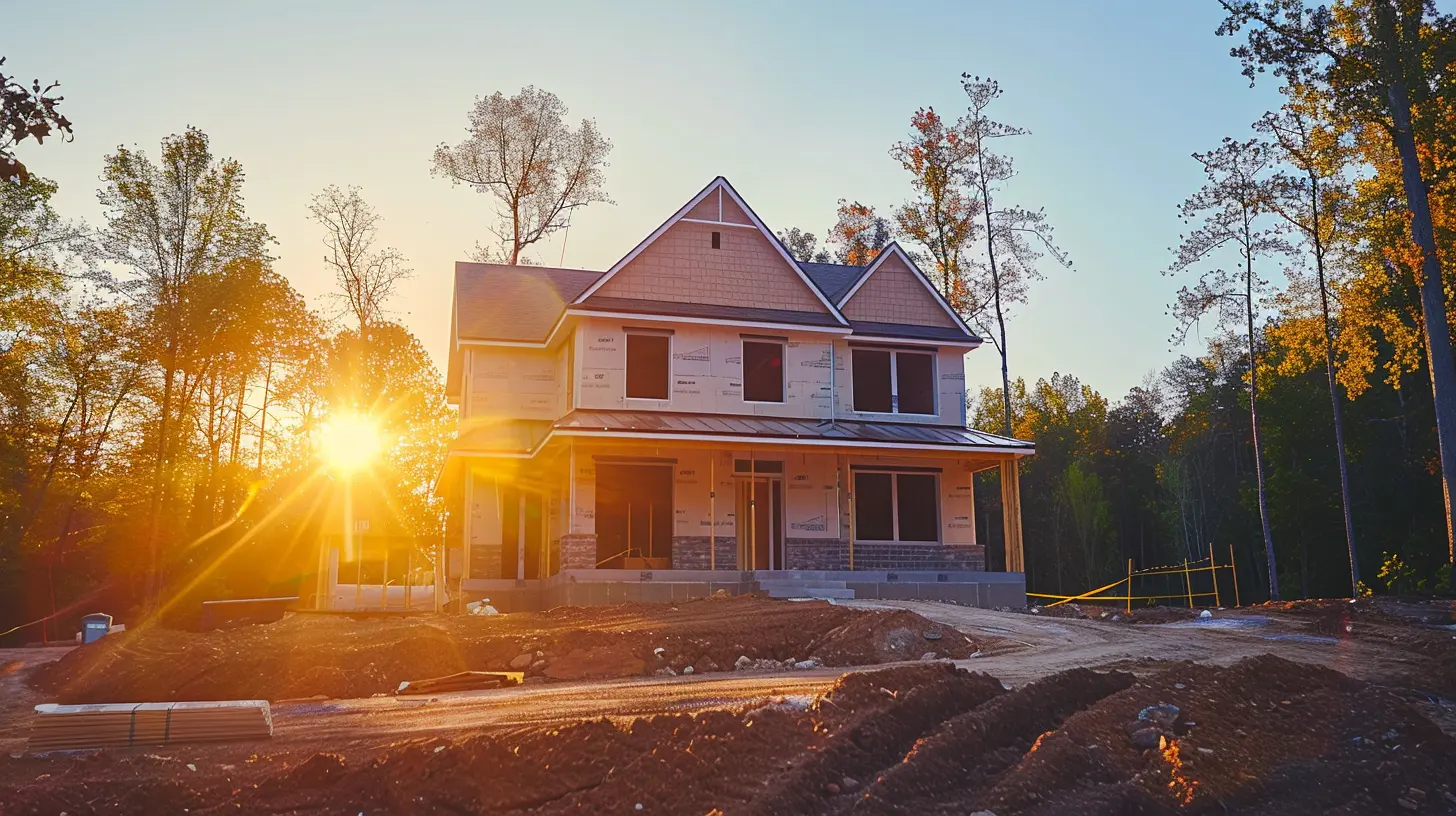
1. Understand the Types of New Construction Home Mortgages
Not all mortgages are created equal, and when it comes to new construction, you have specific options. The right one for you depends on whether you're buying from a builder or constructing the home yourself.Construction-to-Permanent Loans
If you're building a custom home, a construction-to-permanent loan (also called a C2P loan) might be your best bet. It covers the construction costs and then converts into a standard mortgage once the home is completed. The best part? You only go through one closing process, saving you time and money.Construction-Only Loans
These loans cover only the cost of building your home. Once the construction is finished, you'll need to secure a separate mortgage to pay off the loan. While this can be a great option, it means you’ll go through two closings—and that can mean extra fees and paperwork.End Loans
If you're buying a home in a new development, the builder usually finances the construction. You’ll then take out a traditional mortgage (an end loan) once the home is move-in ready. This option is similar to financing a resale home.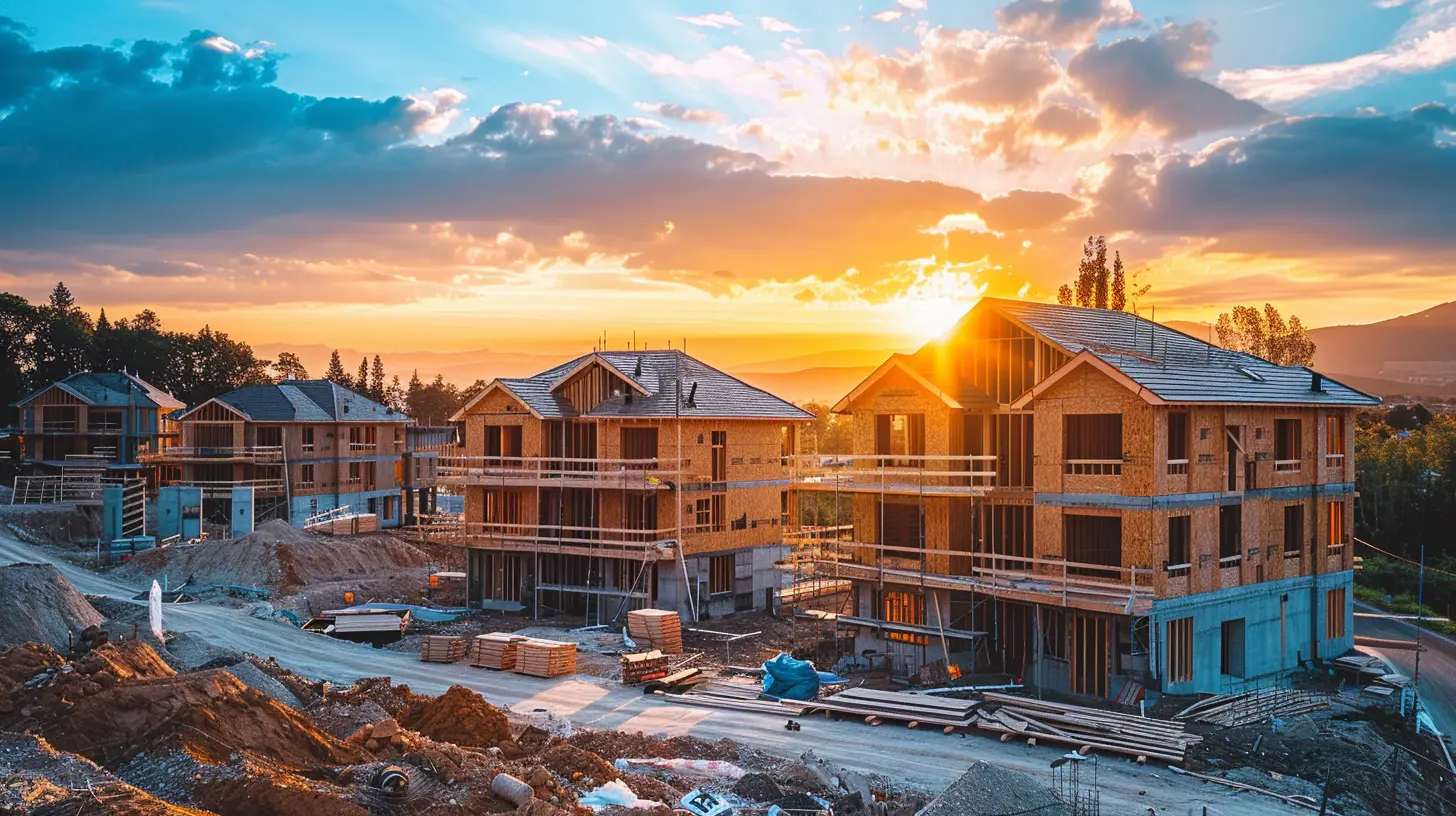
2. Get Pre-Approved Early
Before you even step into a model home or pick out cabinets, get pre-approved. A mortgage pre-approval gives you a clear idea of your budget and shows builders that you’re a serious buyer.Lenders will check your credit score, income, and debt-to-income ratio to determine what you can afford. The higher your credit score, the better your loan terms will be—so if your score needs a boost, work on improving it before applying.
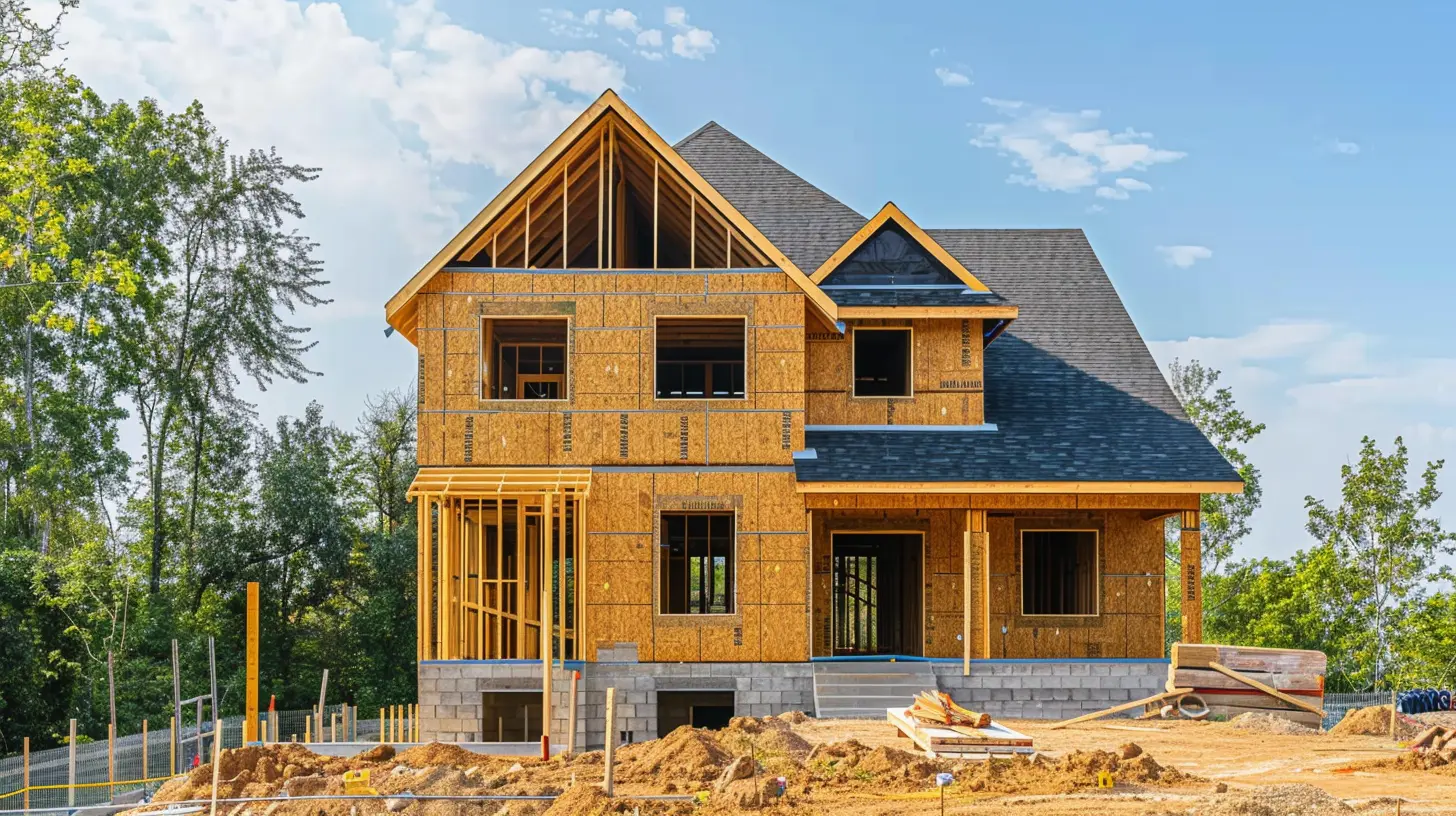
3. Shop Around for the Best Lender
Not all lenders are experienced with new construction financing. Some specialize in these types of loans, offering better rates and terms. Don’t just go with the first option—compare multiple lenders, including banks, credit unions, and even builder-recommended lenders.Pro Tip:
Builder-affiliated lenders often offer incentives like lower closing costs or upgrades. But don’t assume they have the best deal—compare their offer to other lenders to ensure you’re actually getting a competitive rate.
4. Lock in Your Interest Rate at the Right Time
Mortgage rates fluctuate, and if you're building a home, you might face delays that could impact your final rate. Some lenders offer extended rate locks for new construction. This means you can secure a rate early in the process, protecting yourself from potential increases.Look for a lender that provides flexible rate lock options, and if rates drop, ask about a float-down option, which allows you to take advantage of lower rates before closing.
5. Save for a Larger Down Payment
The more you can put down, the better. While traditional mortgages might allow as little as 3-5% down, new construction loans often require a larger down payment—sometimes 20% or more.Why? Because lenders see construction loans as riskier. A higher down payment reduces their risk and improves your loan terms. Plus, with a 20% down payment, you avoid private mortgage insurance (PMI), which saves you money in the long run.
6. Budget for Additional Costs
Buying a new construction home isn’t just about the base price. There are additional expenses you need to plan for, including:- Upgrades & Customizations – Those fancy countertops and hardwood floors aren’t always included in the base price.
- Closing Costs – Expect to pay 2-5% of the loan amount in closing costs.
- Landscaping & Exterior Features – Some builders don’t include these, so you might need extra cash for a driveway, fence, or landscaping.
- Home Inspections – Even though it’s a brand-new home, getting an independent inspection is a smart move.
Factor these costs into your budget to avoid last-minute surprises.
7. Keep Your Finances Steady Until Closing
Once you've been pre-approved, resist the temptation to make major financial changes. Buying furniture on credit? Opening a new credit card? Even a slight increase in debt could impact your loan approval.Lenders will re-evaluate your financial situation before closing, so keep your spending in check and avoid new debt until you officially have the keys in your hand.
8. Close on Your Mortgage with Confidence
As your home nears completion, your lender will finalize the mortgage details. Work closely with them to ensure everything is in place for a smooth closing.- Review your loan estimate and closing disclosure carefully.
- Double-check your interest rate, loan terms, and monthly payment.
- Be prepared to bring the required funds for closing costs and your down payment.
By staying organized, you’ll avoid last-minute roadblocks and ensure a seamless transition from construction to homeownership.
Final Thoughts
Securing the best mortgage for your new construction home doesn’t have to be overwhelming. By understanding your loan options, getting pre-approved early, comparing lenders, and keeping your finances in check, you can set yourself up for success.Your dream home is just around the corner—take the right steps now, and you'll soon be unlocking the door to a brand-new chapter in your life.
all images in this post were generated using AI tools
Category:
New ConstructionAuthor:

Mateo Hines
Discussion
rate this article
1 comments
Nicole Oliver
Finding the right mortgage for new construction can save you money and stress long-term. Choose wisely!
June 15, 2026 at 4:41 AM
Mateo Hines
Absolutely! Making an informed choice on your mortgage can really make a difference in your new home journey. Thanks for sharing!