How Virtual Staging Appeals to Modern Buyers in 2027
9 September 2026
The real estate industry has a complicated relationship with illusion. For decades, agents relied on physical staging: renting sofas, hiring movers, and hoping the taupe throw pillows didn't look ridiculous in the photos. Then came digital staging, which started as a cheap alternative and slowly evolved into something far more sophisticated. By 2027, virtual staging is no longer a workaround. It is a strategic tool that shapes how buyers perceive space, time, and value before they ever step through a door.
But here is the nuance that most articles miss: virtual staging in 2027 is not about tricking anyone. It is about helping buyers see a property's potential without forcing them to imagine it from scratch. The modern buyer, shaped by years of online shopping, augmented reality filters, and remote work, processes visual information differently than buyers did in 2015. They do not want to be fooled. They want to be guided. Understanding that distinction is the key to using virtual staging effectively.
The Shift from "What You See" to "What You Could See"
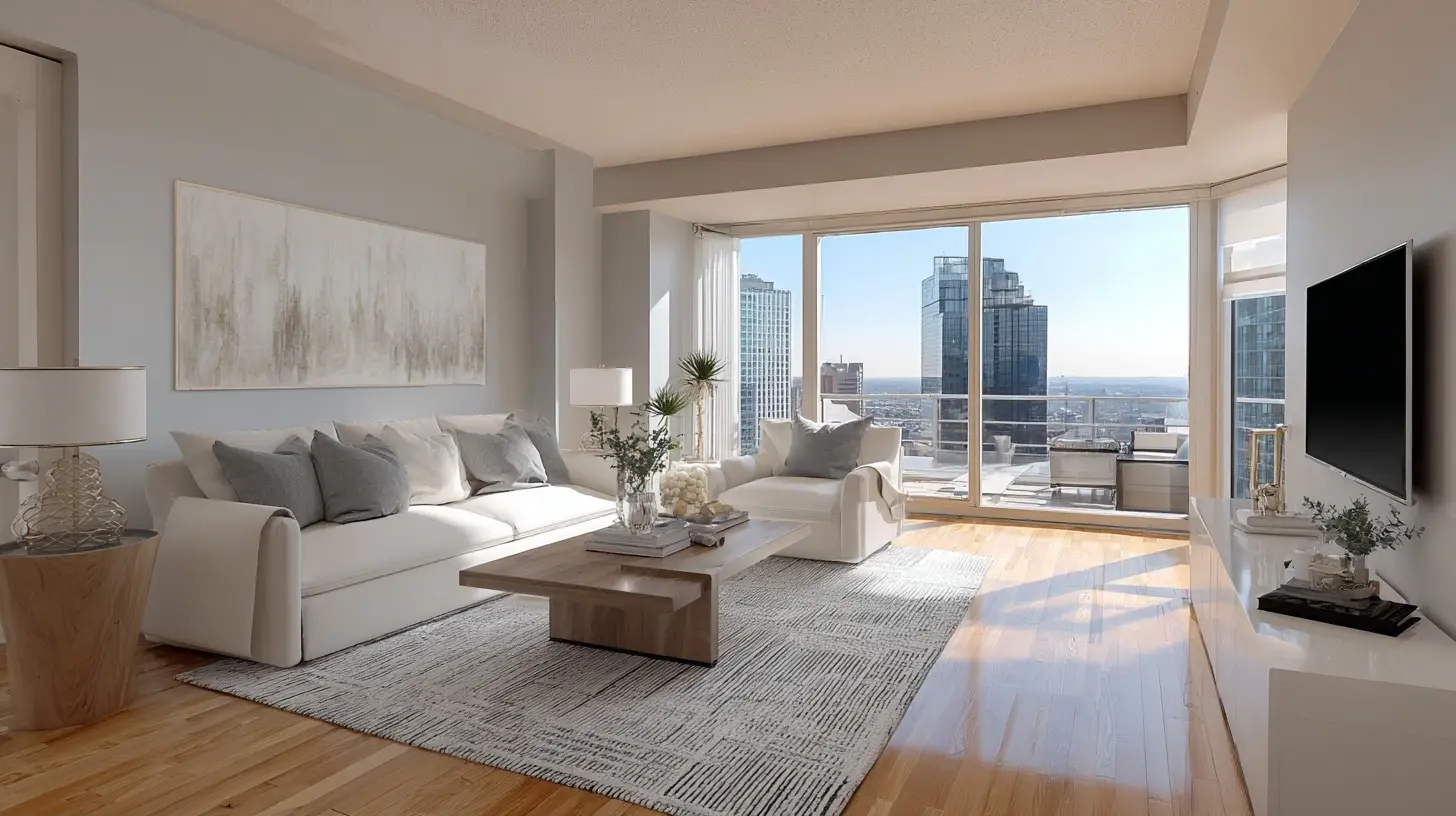
Ten years ago, the rule in listing photos was simple: show the truth. Empty rooms, dated kitchens, and worn carpets were photographed exactly as they existed. The logic was that buyers would feel betrayed if the home did not match the images. That logic was never entirely wrong, but it ignored a fundamental aspect of human psychology: most people are terrible at spatial imagination.Give a buyer a blank room with good bones and they will often see nothing. Give them the same room with a well-placed armchair, a rug, and a floor lamp, and suddenly they understand the scale, the flow, and the potential. Virtual staging does not fabricate a home. It translates architectural reality into a lived-in vision. In 2027, this translation has become so refined that the best virtual staging does not look like a render. It looks like a photograph of a home that simply happens to be furnished.
The modern buyer has grown up with digital manipulation everywhere. They know that social media photos are filtered, that product images on e-commerce sites are stylized, and that video calls have virtual backgrounds. This familiarity has created a paradox: buyers are more skeptical than ever, yet they are also more willing to accept digital representations as useful tools rather than as lies. The key is transparency. When a listing clearly labels a photo as virtually staged, buyers in 2027 do not feel deceived. They feel assisted.

Why Empty Rooms Now Feel Like a Liability
There was a time when an empty home was considered a blank canvas. Sellers and agents believed that emptiness made rooms look larger and allowed buyers to project their own furniture onto the space. That belief has eroded for several reasons.First, the rise of remote work has changed what buyers need from a home. A spare room is no longer just a spare room. It needs to be an office, a gym, a classroom, or a studio. An empty room offers no clues about whether it can serve those functions. A virtually staged room that shows a proper home office setup with a desk, bookshelves, and acoustic panels answers a question the buyer did not even know they had.
Second, the average buyer in 2027 is time-poor. They scroll through listings on their phone during a lunch break or between meetings. They do not have the mental energy to imagine where a couch might go. If a listing forces them to do that work, they simply swipe to the next property. Virtual staging removes that cognitive friction. It presents a complete story in every image, which keeps the buyer engaged for a few more precious seconds.
Third, empty rooms photograph poorly in most lighting conditions. Wide-angle lenses exaggerate emptiness, making spaces feel cavernous and cold. Virtual staging adds visual weight to the edges of the frame, which actually helps the room look more proportionate. This is not about deception. It is about correcting the distortion that the camera introduces.

The Psychology of "Move-In Ready" Without the Cost
Physical staging has a major problem: it is expensive and logistically painful. Renting furniture for a 2,000-square-foot home can cost thousands of dollars per month. Then there is the coordination: scheduling the delivery, ensuring the furniture fits, dealing with damage, and repeating the process when the home does not sell. For vacant homes, physical staging also carries a security risk. A staged home is a target for theft.Virtual staging eliminates all of that. The cost is a fraction of physical staging, often a few hundred dollars per room. The turnaround time is measured in days, not weeks. And there is no risk of furniture being stolen or damaged. But the real appeal in 2027 is not just financial. It is psychological.
Modern buyers have been conditioned by the hospitality industry. When they walk into a hotel lobby or a boutique Airbnb, they expect a certain level of aesthetic polish. A staged home, whether physical or virtual, signals that the property has been cared for. It suggests that the seller is serious and that the home is ready for occupancy. Virtual staging achieves this signal without the overhead. A buyer scrolling through a listing sees a warm, furnished living room and subconsciously checks the "move-in ready" box, even if they know the furniture is not real.
This is where many agents make a mistake. They assume that virtual staging is only for vacant homes. In reality, virtual staging can also enhance occupied homes that have poor furniture arrangements, cluttered spaces, or outdated decor. In 2027, the best practice is to use virtual staging to show the potential of a room, not to hide its flaws. If a room has a cracked ceiling, no amount of digital furniture will fix that. But if a room has ugly furniture, virtual staging can show what the space looks like without it.

The Fine Line Between Enhancement and Misrepresentation
The biggest ethical question in virtual staging is simple: where do you draw the line? The answer in 2027 is more established than it was a decade ago, but there are still gray areas.It is acceptable to add furniture, rugs, lamps, and decor to an empty room. It is acceptable to change wall colors, as long as the listing notes that the color is virtual. It is not acceptable to remove structural elements, enlarge windows, or change the layout of the room. It is also not acceptable to stage a room in a way that disguises a serious flaw, such as placing a large rug over a stained floor and not mentioning the stain.
The real estate industry has largely adopted a standard: virtual staging must be clearly labeled. Most multiple listing services now require a disclosure on any photo that has been digitally altered. This is not just a legal safeguard. It is a trust-building measure. In 2027, buyers have access to reverse image search and AI detection tools. If they suspect a photo is misleading, they will find out. And when they find out, they will not blame the virtual stager. They will blame the agent and the seller.
The most successful agents treat virtual staging as a collaboration with the buyer's imagination, not a substitution for reality. They use it to show the best possible version of the home, but they also ensure that the in-person showing delivers on the promise. If a buyer walks into a virtually staged living room and finds that the actual room is smaller than it appeared, the deal is dead. The staging must be proportional to the actual dimensions. This is a technical skill that professional virtual stagers take seriously, but it is also a discipline that agents must enforce.
How 2027 Buyers Interact with Staged Images
Understanding the modern buyer requires understanding their viewing habits. In 2027, the typical buyer does not start their search on a laptop. They start on a phone, often within a social media app or a real estate portal that aggregates listings. The first image is the hook. If that image does not stop the scroll, the listing is dead.Virtually staged images perform better in this environment because they are visually rich. They have color, texture, and human scale. A photo of an empty room, no matter how well lit, looks like a warehouse photo. A staged photo looks like a lifestyle magazine spread. This is why listings with virtual staging consistently receive more clicks and more saves. The data from multiple real estate platforms over the past few years supports this, though the exact numbers vary by market.
But there is a second layer to this behavior. In 2027, buyers do not just look at photos. They zoom in. They compare the staged photo to the floor plan. They look for inconsistencies. They check the windows to see if the exterior view matches. They examine the shadows to see if the lighting is plausible. The modern buyer is visually literate in a way that previous generations were not. This means that sloppy virtual staging, with unrealistic shadows or furniture that does not match the perspective, is immediately spotted and dismissed.
High-quality virtual staging in 2027 uses advanced rendering techniques that mimic real camera behavior. Shadows fall correctly. Reflections in mirrors are accurate. The furniture has realistic proportions relative to the room. This level of detail is what separates professional staging from amateur cut-and-paste work. Buyers may not be able to articulate why one image looks real and another looks fake, but they feel it. And that feeling translates into trust or distrust.
The Role of Virtual Staging in Different Property Types
Virtual staging is not a one-size-fits-all solution. Its effectiveness varies dramatically by property type and target buyer.For luxury homes, virtual staging can be a double-edged sword. High-end buyers are often looking for a specific aesthetic, and they may have strong opinions about furniture. A virtually staged living room with a modern Italian sofa might appeal to one buyer and repel another who prefers traditional English furniture. In this segment, less is often more. Some luxury agents choose to virtually stage only a few key rooms, leaving others empty to suggest a blank canvas for the buyer's own designer.
For starter homes and condos, virtual staging is almost always beneficial. First-time buyers are the most likely to lack spatial imagination. They are also the most price-sensitive, which means they are comparing many listings quickly. A well-staged one-bedroom condo that shows a proper home office setup will beat an identical unit that is empty, even if the price is slightly higher.
For rental properties, virtual staging is becoming standard practice. Renters in 2027 expect to see furnished interiors in listings, even though they will provide their own furniture. This is a subtle but important shift. Virtual staging for rentals is not about selling a home. It is about selling a lifestyle. A rental listing that shows a cozy living room with a reading nook appeals to a different emotional register than a listing that shows four white walls.
For vacant lots and new construction, virtual staging has expanded beyond interiors. In 2027, it is common to see virtually staged exterior shots that include landscaping, outdoor furniture, and even pool options. This is particularly useful for off-plan sales, where the buyer is purchasing something that does not exist yet. Virtual staging here acts as a visualization tool, helping the buyer understand the finished product.
Common Mistakes That Undermine the Strategy
Despite the maturity of the technology, agents still make predictable errors. The most common is over-staging. This happens when every single room is filled with furniture, decor, and accessories until the home looks like a showroom. Buyers see this and immediately suspect that the home is small, because over-staging is often used to disguise a lack of square footage. The better approach is to stage the primary living areas and the main bedroom, and leave secondary bedrooms either empty or lightly staged.Another mistake is using furniture that is too large or too small for the room. This is a technical error that stems from poor measurement. A virtual king-sized bed in a room that can only fit a queen will look wrong to the buyer, even if they cannot pinpoint why. The buyer will feel that the room is cramped, which defeats the purpose of staging.
A third mistake is ignoring the season and the location. A beachfront property in Florida should not be staged with heavy wool rugs and dark leather sofas. A mountain cabin should not be staged with minimalist Scandinavian furniture that looks out of place. Virtual staging should reflect the regional aesthetic and the climate. This is a detail that many automated staging services get wrong, because they use generic furniture libraries. The best virtual stagers customize their selections to the property and the market.
A fourth mistake is failing to update the staging when the home has been on the market for a while. In 2027, listings that sit for more than 30 days often get refreshed with new virtual staging. This is a low-cost way to make the listing look new again. Changing the furniture style, the wall color, or the decor can attract a second look from buyers who previously scrolled past. This is a tactic that is underused but highly effective.
The Technology Behind the Scenes
The virtual staging industry in 2027 relies on a combination of AI and human artistry. Fully automated tools exist that can take a photo of an empty room and insert furniture with a single click. These tools are fast and cheap, but they often produce generic results. The furniture placement does not always respect the architecture, and the lighting can look artificial.Professional virtual staging services use a hybrid approach. AI handles the initial object detection and perspective mapping, but a human designer reviews the output, adjusts the furniture placement, and ensures that the shadows and reflections are correct. This human-in-the-loop approach is more expensive, but it produces images that pass the scrutiny of a modern buyer.
There is also a growing trend toward interactive virtual staging. Instead of a static photo, some listings now include a 360-degree virtual tour where the buyer can toggle between furnished and unfurnished views. This is particularly effective for high-value properties. It gives the buyer a sense of control and exploration, which increases their emotional investment in the home.
Another emerging technology is virtual staging for video walkthroughs. Instead of just photos, the video tour shows a furnished home that moves naturally with the camera. This is technically difficult because the furniture must stay anchored to the room as the perspective shifts. But when done well, it is incredibly persuasive. It feels like watching a real walkthrough of a furnished home, which is the closest thing to an in-person visit without actually being there.
The Cost-Benefit Analysis for Sellers
Sellers often ask whether virtual staging is worth the money. The answer depends on the situation, but there are general guidelines.For a vacant home, virtual staging is almost always worth it. The cost is low, and the alternative is listing photos of empty rooms that will likely result in fewer showings. The return on investment is measured not just in the final sale price, but in the time on market. A home that sells in two weeks instead of eight weeks saves the seller thousands of dollars in carrying costs, mortgage payments, and utilities.
For an occupied home, the decision is more nuanced. If the current furniture is attractive and well-arranged, physical photos may be sufficient. But if the furniture is dated, oversized, or poorly placed, virtual staging can show the home's potential. This is especially true for the living room and the primary bedroom, which are the two rooms that buyers weigh most heavily.
There is also a psychological benefit for the seller. Seeing their home virtually staged can help sellers detach emotionally from the property. It shows them what the next owner might see, which makes the selling process feel less personal and more transactional. This detachment often leads to better pricing decisions and smoother negotiations.
Misconceptions That Persist in 2027
One misconception is that virtual staging is a form of deception that will be discovered and punished. This belief is outdated. As long as the staging is labeled and accurate, it is accepted practice. The Federal Trade Commission and various state real estate boards have issued guidelines, but they focus on fraud and misrepresentation, not on digital furniture. A virtually staged photo that is clearly labeled is not fraud.Another misconception is that virtual staging only works for high-end properties. In reality, it is most effective for mid-range and entry-level homes, where the buyer pool is larger and more price-sensitive. A modest three-bedroom suburban home benefits more from virtual staging than a penthouse in Manhattan, because the suburban buyer is more likely to be overwhelmed by the search process.
A third misconception is that virtual staging can replace professional photography. It cannot. Virtual staging is applied to photographs, so the quality of the base image matters enormously. A poorly lit, crooked photo will not be saved by adding furniture. The best results come from professional real estate photography combined with professional virtual staging. The two services are complementary, not interchangeable.
Practical Advice for Agents and Sellers
If you are considering virtual staging in 2027, start with the primary living area and the main bedroom. These two rooms have the highest impact on a buyer's decision. Stage them well, with furniture that matches the style of the home and the expectations of the local market. Then add a third room, such as a home office or a dining room, if the home has one.Do not stage bathrooms or kitchens with virtual furniture. These rooms are evaluated on their fixtures, countertops, and cabinetry. Adding a virtual vase of flowers or a bowl of fruit is acceptable, but adding a virtual bathtub or kitchen island is risky because it changes the perception of the actual layout.
Always disclose the virtual staging. Place a small note in the listing description and consider adding a watermark or a label on the photo itself. This transparency builds trust and protects you legally.
When choosing a virtual staging service, ask for samples that show rooms similar to yours. Look at the shadows, the reflections, and the proportion of the furniture. If the samples look fake, move on. The cheapest service is rarely the best value.
Finally, remember that virtual staging is a marketing tool, not a magic wand. It will not sell a home with serious structural problems, a bad location, or an unreasonable price. It will, however, give a well-priced home in a decent location the best possible chance of attracting the right buyer quickly.
The Future Beyond 2027
Looking ahead, virtual staging will likely merge with augmented reality in more meaningful ways. Buyers may soon be able to point their phone at an empty room and see it furnished in real time. This technology exists in early forms, but it will become more reliable and more integrated into real estate platforms. When that happens, the static staged photo will become less important, and the interactive experience will take over.There is also the possibility of personalized virtual staging, where the buyer selects their preferred furniture style and the listing updates to show that style. This would be a powerful tool for new construction and pre-sale developments. It would allow each buyer to see the home as their own, which is the ultimate goal of any staging.
For now, the fundamentals remain the same. Virtual staging works because it helps buyers see a home as a place where they can live. It reduces the mental effort required to imagine a future, and it does so in a way that is honest, affordable, and effective. In 2027, that is not just an appeal. It is an expectation.
all images in this post were generated using AI tools
Category:
Virtual StagingAuthor:

Mateo Hines
Discussion
rate this article
2 comments
Flint Reed
Virtual staging is a game changer for homebuyers! It lets them visualize the potential of a space without the clutter. As technology evolves, this trend will only grow in popularity... exciting times ahead!
September 29, 2026 at 3:13 AM
Maura Butler
Future homes, endless possibilities.
September 13, 2026 at 3:09 AM
Mateo Hines
Absolutely! Virtual staging is transforming how we envision our future spaces.