Insider Look: What Could Trigger the Next Housing Bubble in 2026
20 April 2026
The housing market has always been a rollercoaster ride. One moment you’re on top of the world, the next, you’re holding onto your seat for dear life. As we look ahead to 2026, it’s only natural to wonder what could trigger the next housing bubble. So, grab your favorite drink, get comfy, and let’s dive into the nitty-gritty of this pressing issue.

The Anatomy of a Housing Bubble
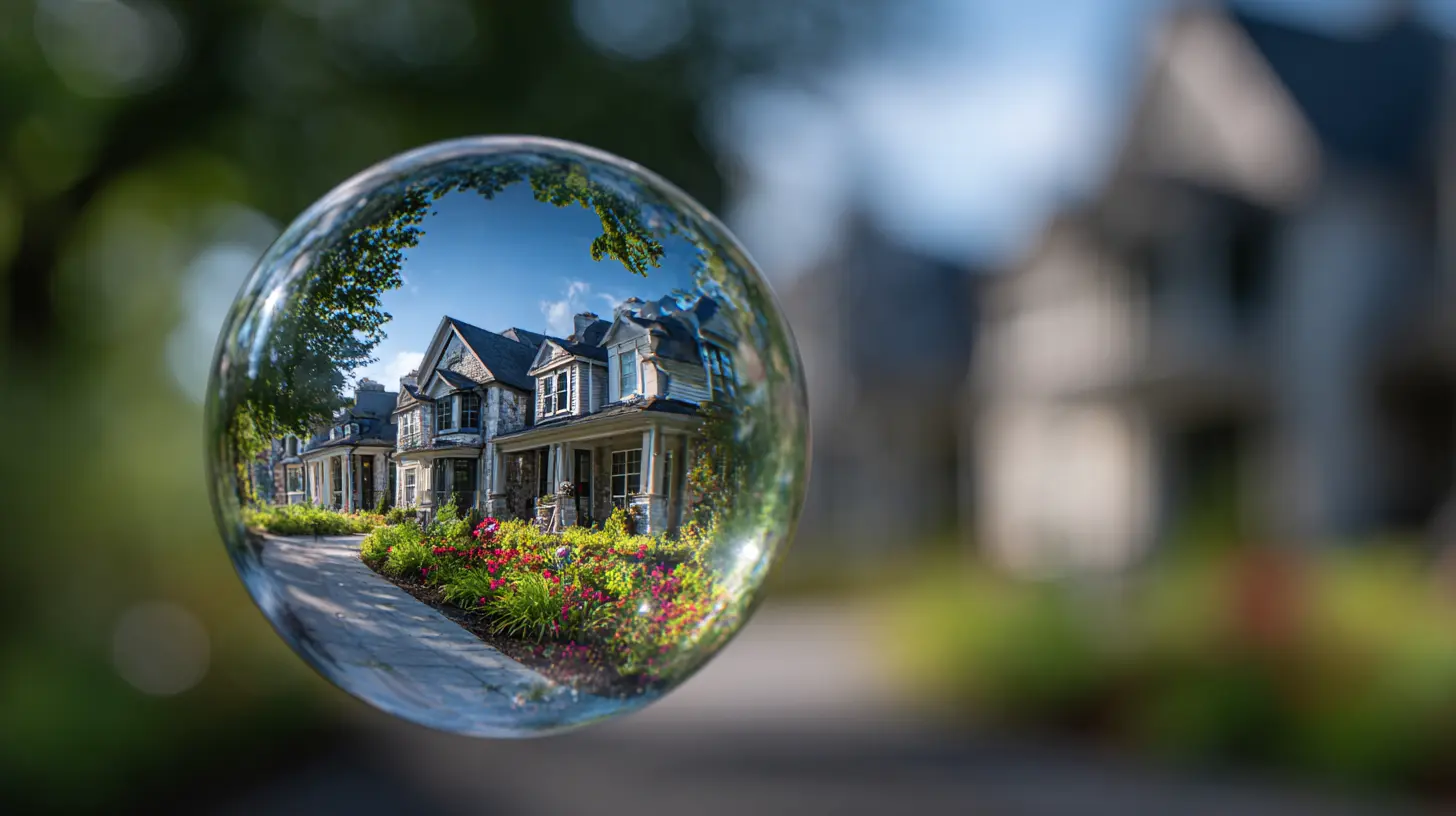
Before we can delve into what might trigger the next bubble, let’s break down what a housing bubble actually is. Imagine a balloon being inflated. As more air is pumped in, the balloon expands. Eventually, it reaches a point where it can’t hold any more air, and—pop!—it bursts.In real estate, a housing bubble forms when property prices rise rapidly, fueled by factors like speculative investment and easy access to credit. But just like that balloon, when prices become unsustainable, a correction happens. This correction can lead to a steep decline in property values, leaving homeowners and investors alike in a tough spot.

Current State of the Housing Market: A Quick Overview
As of 2023, the housing market is experiencing a mix of recovery and uncertainty. After the pandemic-induced lull, we saw a surge in demand. Low-interest rates drove buyers into the market, leading to skyrocketing prices. But as the Federal Reserve begins tightening its monetary policy, mortgage rates are creeping up, leading to fewer home sales.These shifts are leaving many wondering: Are we on the brink of another bubble? Let’s pull back the curtain and look at some potential triggers for 2026.
Trigger #1: Rising Interest Rates
Let’s face it: rising interest rates can be a double-edged sword. They can help curb inflation, but they also have a significant impact on the housing market. When mortgage rates rise, the cost of borrowing increases, making homes less affordable for buyers.Think about it this way: if you’re eyeing a beautiful home that costs $300,000, a rise in interest rates could mean your monthly payments go up by hundreds of dollars. This can push many buyers out of the market, leading to a slowdown in demand. And when demand drops, prices often follow suit. If this trend continues unchecked, we could be looking at a bubble about to burst.

Trigger #2: Speculative Investment
Another critical factor that could trigger a housing bubble is speculative investment. Picture this: investors flocking to buy properties, not because they want to live in them, but because they see potential for quick profits. It’s a bit like buying stock in a hot tech company, hoping to cash out before the bubble bursts.When a large number of investors jump into the housing market, prices can inflate rapidly. This speculative nature can create an unsustainable environment where prices are based more on hype than on actual value. If this speculative trend continues, it could easily set the stage for the next housing bubble.
Trigger #3: Overzealous Lending Practices
Remember the 2008 financial crisis? A major player in that drama was the subprime mortgage crisis fueled by reckless lending practices. Fast forward to 2026, and we could see history repeating itself if lenders loosen their standards again.Imagine banks handing out loans like candy. People who can barely afford a mortgage suddenly find themselves homeowners. Initially, it seems like a win-win situation—until many of these homeowners start defaulting on their loans. The last thing we want is to see a return to those risky lending practices. If lenders start offering loans to anyone with a pulse, it could trigger the next bubble, leaving countless families in financial turmoil.
Trigger #4: Economic Instability
Let’s talk about the economy for a moment. If the economy experiences turbulence, it often leads to uncertainty in the housing market. High inflation, job losses, or a recession can all impact consumer confidence. When people feel insecure about their jobs or the economy, they’re less likely to invest in a home.Imagine the ripple effect: if fewer people are buying homes, prices begin to stagnate or decline. This might lead to panic selling, where homeowners rush to sell their properties before prices drop further. The result? A housing market in chaos, potentially signaling the onset of a bubble burst.
Trigger #5: Changes in Government Policy
Government policies can create significant shifts in the housing market. For example, changes in tax incentives, zoning laws, or even interest rate policies can alter the landscape. If, in 2026, we see policies that favor high-density housing or incentivize developers to build in certain areas, we could witness a surge in supply.While more supply might sound like a good thing, if it outpaces demand, we could be left with too many homes on the market. A surplus of housing can lead to price drops, creating an environment ripe for a bubble burst.
Trigger #6: Demographic Shifts
Demographics play a vital role in the housing market. As millennials and Gen Z become the primary home-buying demographic, their preferences and financial situations will shape the market. If these younger generations continue to face financial hurdles—like student debt or stagnant wages—their ability to buy homes will be limited.Imagine a scenario where these generations are forced to delay homeownership or opt for renting instead. If a significant portion of the population can’t afford to buy homes, demand will drop. This drop can lead to a housing market where prices plummet, setting the stage for a bubble to burst.
Trigger #7: Technological Disruption
Let’s not forget the role technology plays in real estate. The rise of remote work has changed the way people view homeownership. If trends continue to shift, with more people moving to suburban or rural areas, we could see price spikes in those regions while urban areas may see declines.If tech companies continue to innovate in the real estate sector—think virtual home tours or blockchain for transactions—this could alter buying patterns. If supply and demand dynamics change drastically, it might lead to instability in the housing market, making it susceptible to a bubble.
Preparing for the Potential Bubble
So, what can you do to prepare for the potential housing bubble in 2026? Here are a few key strategies:1. Stay Informed
The more you know, the better equipped you'll be to navigate the housing market. Follow industry news, keep an eye on economic trends, and be aware of changes in government policy. Knowledge is power, after all!2. Assess Your Finances
Before you jump into the housing market, take a good look at your finances. Are you financially stable enough to buy a home? Ensure you have a solid budget and a contingency plan in case of market fluctuations.3. Think Long-Term
Real estate is typically a long-term investment. If you’re thinking about buying, focus on properties that will hold their value over time, regardless of short-term market shifts. Consider factors like location, school districts, and potential for growth.4. Don’t Rush Decisions
In the heat of a hot market, it's easy to get swept away by the excitement. However, don’t let FOMO (fear of missing out) drive your decisions. Take your time, do your research, and make informed choices.5. Consult Professionals
Whether you’re a first-time buyer or a seasoned investor, it’s always wise to consult with real estate professionals. They can provide valuable insights and help you navigate the complexities of the market.Conclusion: Keeping Your Eye on the Ball
As we look ahead to 2026, it’s essential to remain vigilant about the potential triggers of a housing bubble. Rising interest rates, speculative investment, overzealous lending practices, economic instability, changes in government policy, demographic shifts, and technological disruption all play significant roles in shaping the market.By staying informed and prepared, you can navigate the twists and turns of the housing market, making smart decisions that will protect you and your investment. Remember, the real estate world is ever-changing, and being proactive is the best way to secure your future.
all images in this post were generated using AI tools
Category:
Housing BubbleAuthor:

Mateo Hines
Discussion
rate this article
2 comments
Foster Lamb
Is it just me, or does ‘2026 housing bubble’ sound like the sequel to a bad movie?
April 22, 2026 at 10:27 AM
Mateo Hines
Haha, it does have that movie sequel vibe! But the economic factors are worth considering seriously.
Colton McHugh
As we peer into the crystal ball, it’s clear: wage stagnation, rising interest rates, and speculative buying could create the perfect storm. Let's hope lessons from the past guide us, or we might find ourselves in a déjà vu housing nightmare.
April 21, 2026 at 4:40 AM
Mateo Hines
You're spot on. The past has much to teach us, and we can't ignore the signs. It's a tricky landscape ahead.