Integrating Dark Walls into Your Interior Without Overwhelming the Space
5 April 2026
When it comes to interior design, dark walls often evoke a mix of admiration and hesitation. They're bold, dramatic, and undeniably sophisticated. But let's be honest—many of us shy away from even considering them because we're worried they'll make our homes feel like a gloomy dungeon. Sound familiar? Here's the thing: dark walls can actually amplify the charm of a space when used thoughtfully. It’s all about balance, contrast, and knowing how to play with light. If you’re ready to embrace your inner bold designer, let’s dive into how you can integrate dark walls without overwhelming your space. Spoiler alert: it’s easier than you think!
Why Dark Walls Deserve a Spot in Your Home
First things first—why even go dark? Well, for starters, dark walls have an innate ability to bring warmth and coziness to a room. They create a sense of intimacy, making even a larger space feel snug and inviting. Think of a chic restaurant with dim lighting and rich wall colors—doesn’t it feel irresistibly stylish? Dark tones also act as an incredible backdrop to make other elements pop: vibrant art, metallic accents, or even your favorite greenery. In short, dark walls are like that favorite black outfit in your wardrobe—timeless, versatile, and effortlessly cool.But just like that outfit, they require the right accessories (i.e., furniture, lighting, and decor) to really shine. Without balance, you might end up with a room that feels heavy rather than harmonious. Let’s break it down, shall we?
1. Start Small: Accent Walls Are Your Best Friend
If you’re nervous about committing to a fully dark room, why not test the waters with an accent wall? This could be the wall behind your bed, your TV, or even the fireplace. By limiting the dark color to one section, you’ll get all the drama without the fear of overdoing it. Plus, it instantly adds visual intrigue to the space.Here’s a cheat code: pair that dark accent wall with lighter, neutral tones in the rest of the room—think whites, creams, or greys. This keeps the room feeling balanced and airy while still capturing the richness of the dark hue.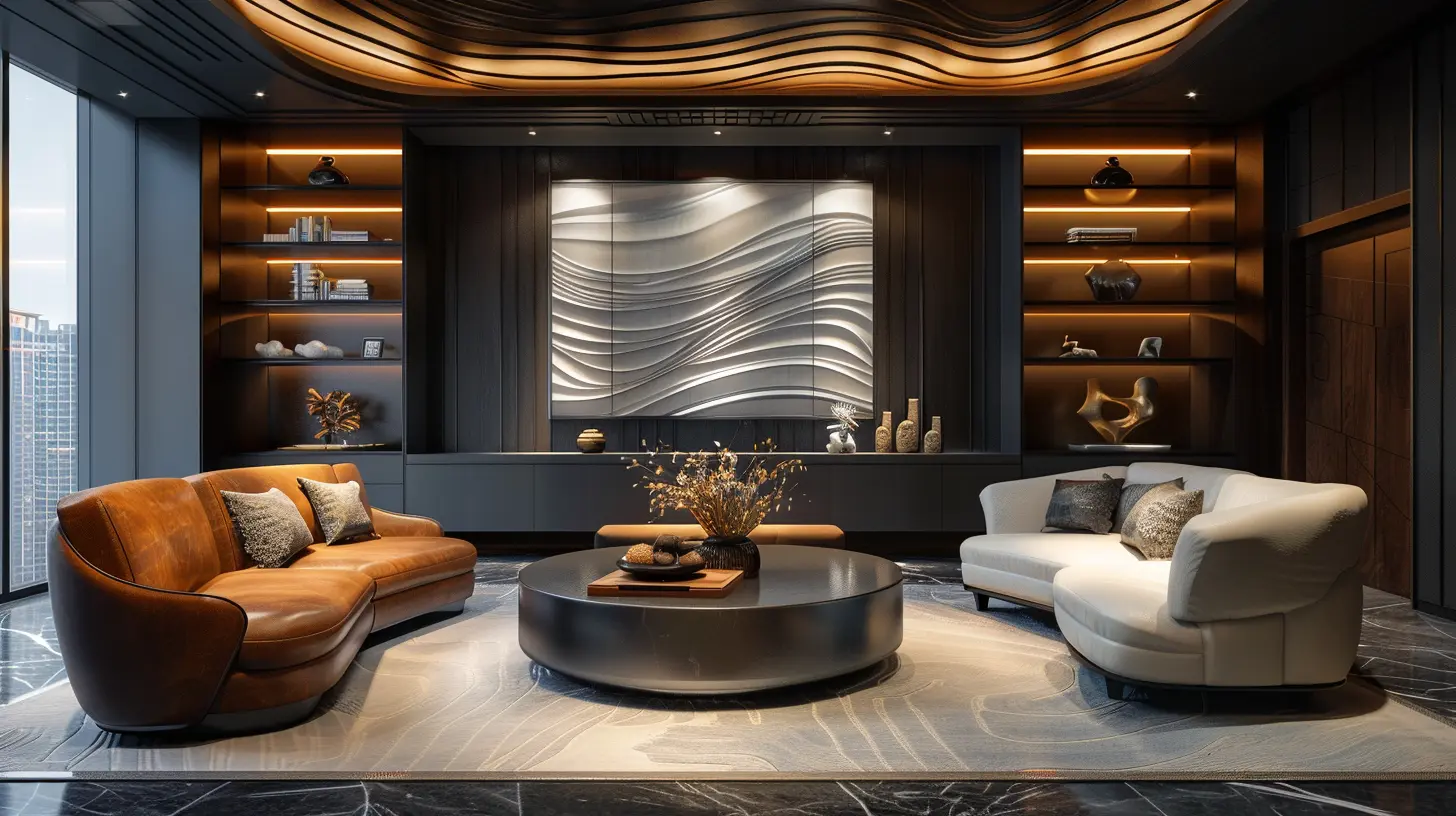
2. Master the Art of Contrast
Dark walls are at their best when there’s a stark contrast involved. Picture a deep navy wall paired with crisp white crown molding or black walls against natural oak floors. Contrasts like these create a dynamic visual effect, making the space feel sophisticated rather than suffocating.Contrast can also come in the form of furniture and decor. Use light-colored sofas, rugs, or curtains to break up the darkness. Throw in some metallic accents (gold, brass, or chrome) for a splash of glamour. The mix of light and dark brings harmony to the room and keeps it from feeling dreary.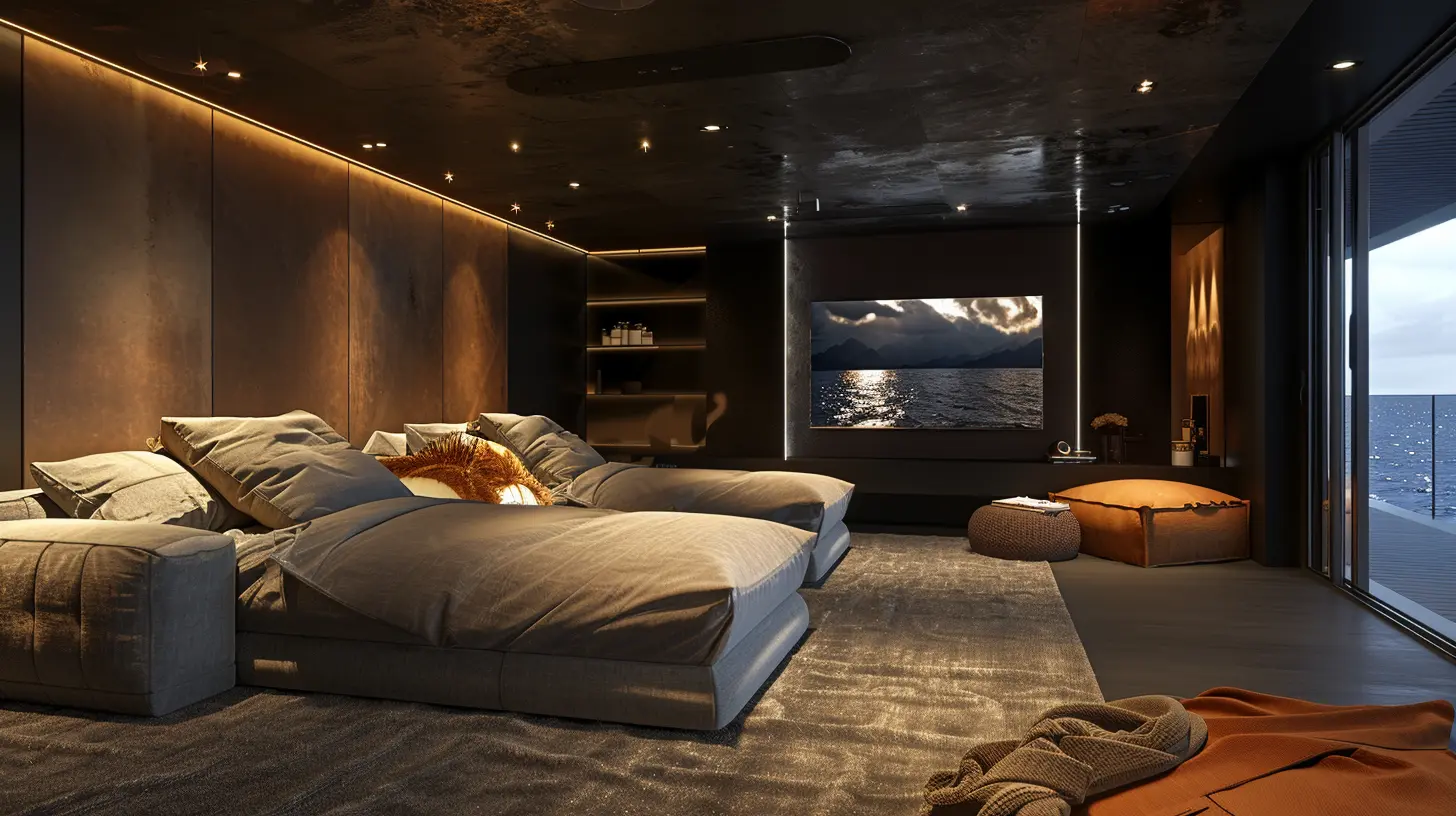
3. The Power of Lighting: Natural and Artificial
Let’s talk lighting. This is non-negotiable when dealing with dark walls. Without proper lighting, those stunning walls can easily veer toward feeling like a black hole. If your space gets a decent amount of natural light—fantastic! Dark walls can soak it up beautifully, giving off a rich, luxurious vibe.For spaces lacking in natural light, it’s all about layering. Install multiple light sources—overhead fixtures, floor lamps, table lamps, and even candles. Warm, soft lighting works best to counteract the heaviness of dark walls. Think of lighting as the spotlight that lets your dark walls take center stage without stealing the show.
4. Play with Textures and Patterns
One of the easiest ways to add dimension to a room with dark walls is through texture. Velvet cushions, chunky knit throws, woven rugs, or even textured wallpaper can break up the monotony and add visual depth.Patterns also work wonders. Imagine a room with a matte black wall and a patterned, geometric area rug—doesn’t that sound like an interior design magazine spread? Mixing textures and patterns keeps things interesting and prevents the room from feeling too one-dimensional.
5. Choose the Right Dark Shade for the Space
Not all dark hues are created equal. A jet-black wall might be show-stopping in one room but overpowering in another. So, how do you choose? The key is to consider both the size of the room and the amount of natural light it gets.- For smaller spaces: Go for softer dark tones like charcoal grey, deep navy, or forest green. These shades add depth without closing off the room.
- For larger spaces: You can lean into bolder options like true black or deep plum. Larger spaces can handle the drama better.
- And remember, paint finishes matter! Matte or eggshell finishes are more forgiving and softer on the eyes, while glossy finishes can feel too intense.
6. Incorporate Lighter Decor Elements
Here’s a pro tip: decorating with lighter elements can make your dark walls feel less…well, dark. Art prints with white borders, light wood furniture, pale-colored textiles, or even mirrors can create a balance. Mirrors, in particular, are a game-changer—they reflect light, making the space feel brighter and more open. Plus, they add a touch of elegance.Also, consider greenery. A pop of lush green against a dark wall is a match made in heaven. Plants bring life and color to a room, softening the boldness of dark walls. Bonus? They clean the air too—so it’s a double win.
7. Don’t Forget Ceiling and Floor Colors
Here’s a detail many people overlook: the ceiling and floor. If you’re going for dark walls, keep your ceiling and floor light to avoid that “boxed-in” feeling. A white or light-colored ceiling paired with a dark wall creates an illusion of height, making the room feel larger.As for floors, light wood or neutral-hued rugs can keep the space grounded (pun intended) and inviting. If you’ve got dark floors, add a lighter area rug to create a sense of balance and brightness.
8. Layer with Art and Decor
Dark walls absolutely love art. A gallery wall with prints or paintings featuring bold, vibrant colors can transform your walls into an actual masterpiece. For a sleeker look, go for monochromatic art pieces to blend seamlessly with the dark tones.Decorative pieces, like books, vases, or sculptural items, are another great way to layer in personality. Think of your dark walls as the stage, and these items as the actors performing a visually stunning show. Don’t be afraid to mix modern with vintage for that “collected over time” feel.
9. Keep the Space Open and Uncluttered
Minimalist lovers, this one’s for you. When working with dark walls, less is often more. Overloading the room with furniture or decor can make it feel cramped and heavy. Instead, opt for sleek, streamlined pieces that leave breathing room. This isn’t to say you can’t have personal touches, but aim for a curated look rather than a cluttered one. Trust me, your space will feel miles more sophisticated.A Final Word: Confidence is Key
If there’s one takeaway here, it’s this: don’t be afraid of going dark. It’s all about finding your balance. Whether it’s just one accent wall or an entire room, integrating dark walls into your interior can elevate your home from basic to breathtaking. And if you’re feeling nervous, start small. Experiment, have fun, and trust your instincts. After all, your home is a reflection of you—so why not make it as bold and beautiful as you are?all images in this post were generated using AI tools
Category:
Interior DesignAuthor:

Mateo Hines
Discussion
rate this article
2 comments
Tiffany McWhorter
Embracing dark walls can add depth and sophistication to your space. Balance is key—pair with lighter furnishings and ample natural light to create harmony. Thoughtful accents and textures will enhance the overall ambiance, making your interior both inviting and striking.
April 11, 2026 at 11:54 AM
Mateo Hines
Thank you for your insightful comment! Balancing dark walls with lighter elements truly enhances the overall ambiance. Your tips on using textures and natural light are spot on!
Kendall Luna
What a fantastic read! Integrating dark walls can truly transform a space when done thoughtfully. Your tips on balance and accentuating light are invaluable for creating a cozy yet sophisticated atmosphere. Thanks for sharing such practical insights—I'm excited to experiment with these ideas in my own home!
April 5, 2026 at 3:06 AM
Mateo Hines
Thank you so much for your kind words! I'm glad you found the tips helpful. Excited to hear how your experiments turn out!