Interior Design Ideas for Sustainable and Zero-Waste Living
6 June 2026
Imagine walking into a home that feels like a breath of fresh air—not just in style, but in intention. A space that makes you feel grounded, connected, and proud of the impact you're not making on the planet. That’s the magic of interior design blended with sustainable and zero-waste living.
This isn’t just a trendy movement or a Pinterest board come to life. It’s a lifestyle shift that’s not only cleaner and greener, but wildly creative too.
Whether you're a minimalist at heart or a maximalist with eco-conscience, there's room (pun intended) for you in the world of sustainable design. Let’s pull back the curtain and look at how you can master interior design while keeping Mother Earth in mind.
Why Sustainable and Zero-Waste Living is More Than a Buzzword
Okay, real talk. Sustainability isn’t just for van-lifers and off-grid dreamers anymore. With climate concerns growing and landfills overflowing, people are waking up to the idea that less waste = less damage. And your home? That's where the biggest changes can start.Traditional interior design often relies on fast furniture, synthetic materials, and a toss-it-when-you’re-done mindset. It looks pretty for a minute—until it breaks or goes out of style, and ends up in a dumpster.
Eco-friendly interior design flips that script. It's about longevity, responsibility, and beauty that doesn’t cost the earth... literally.
So, how do you get started?
1. Choose Materials That Tell a Sustainable Story
Think of your home like a book, and every material is a character. You want the good guys—materials that are natural, recycled, upcycled, or sustainably sourced.✳️ Sustainable Materials to Consider:
- Bamboo: Super durable, grows like crazy, and looks sleek.- Reclaimed wood: Brings charm, history, and no trees were harmed.
- Cork: Soft, sound-absorbing, renewable. Yes, cork’s not just for wine bottles.
- Recycled metal/glass: Bold, modern, and completely reusable.
- Organic textiles: Cotton, hemp, wool, and linen that are ethical and non-toxic.
Each of these materials gives your home authenticity—and a story worth telling.
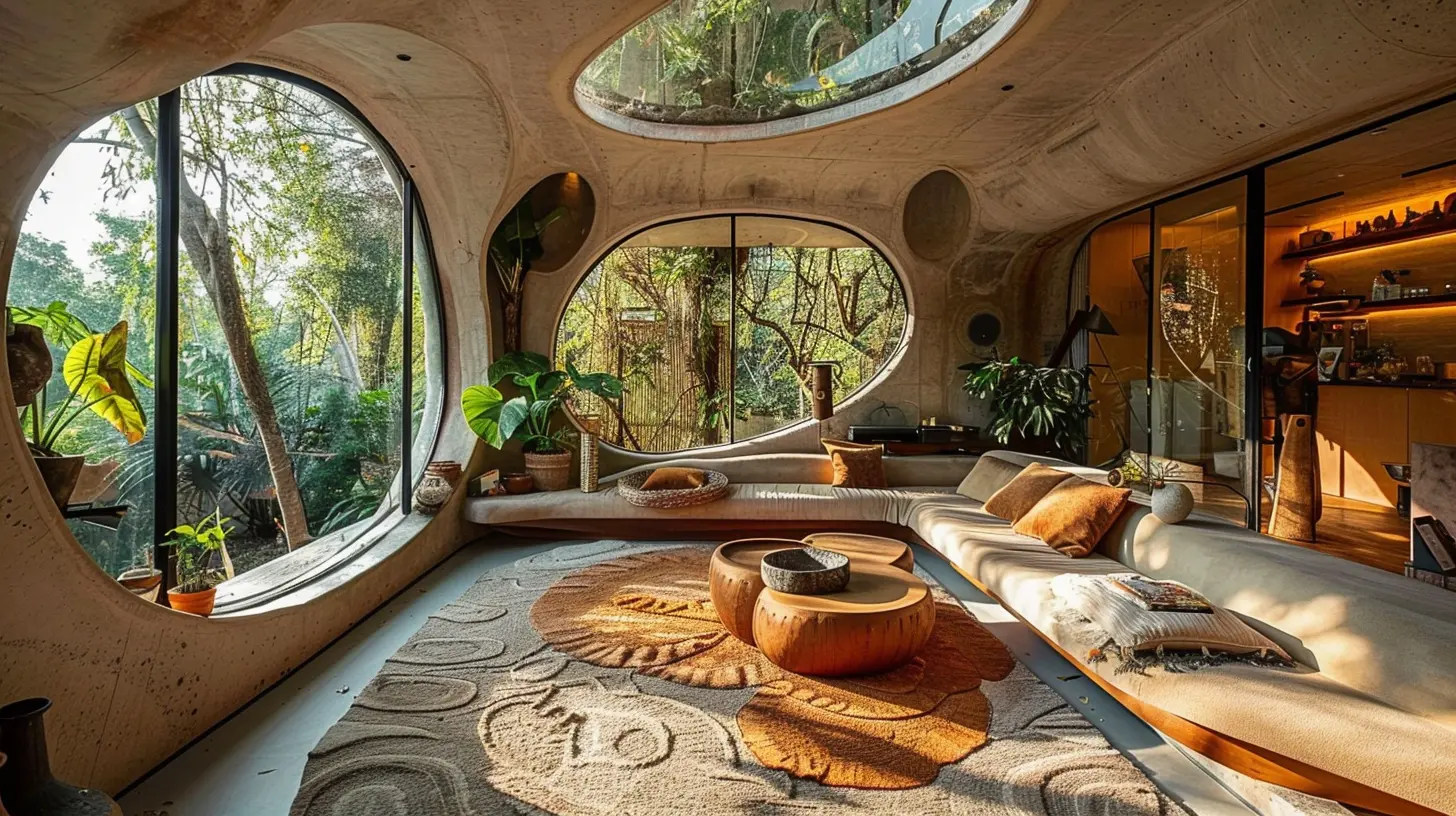
2. Furniture: The Zero-Waste Throne of Your Castle
Let’s face it—fast furniture is the fast fashion of home design. Looks great, breaks quickly, and ends up in a landfill. Instead, let's talk lasting beauty.?️ How to Furnish Sustainably:
- Buy vintage or antique: These pieces already exist, and they often have incredible craftsmanship. Plus, they’re full of character.- Choose modular designs: Furniture that adapts to your space over time ensures it stays useful for decades.
- DIY or upcycle: Got a creative streak? Turn an old ladder into a bookshelf. Give an old table a vibrant new life with eco-friendly paint.
- Support ethical brands: Look for companies transparent about their sourcing, labor practices, and carbon footprint.
Your couch doesn’t have to come with guilt.
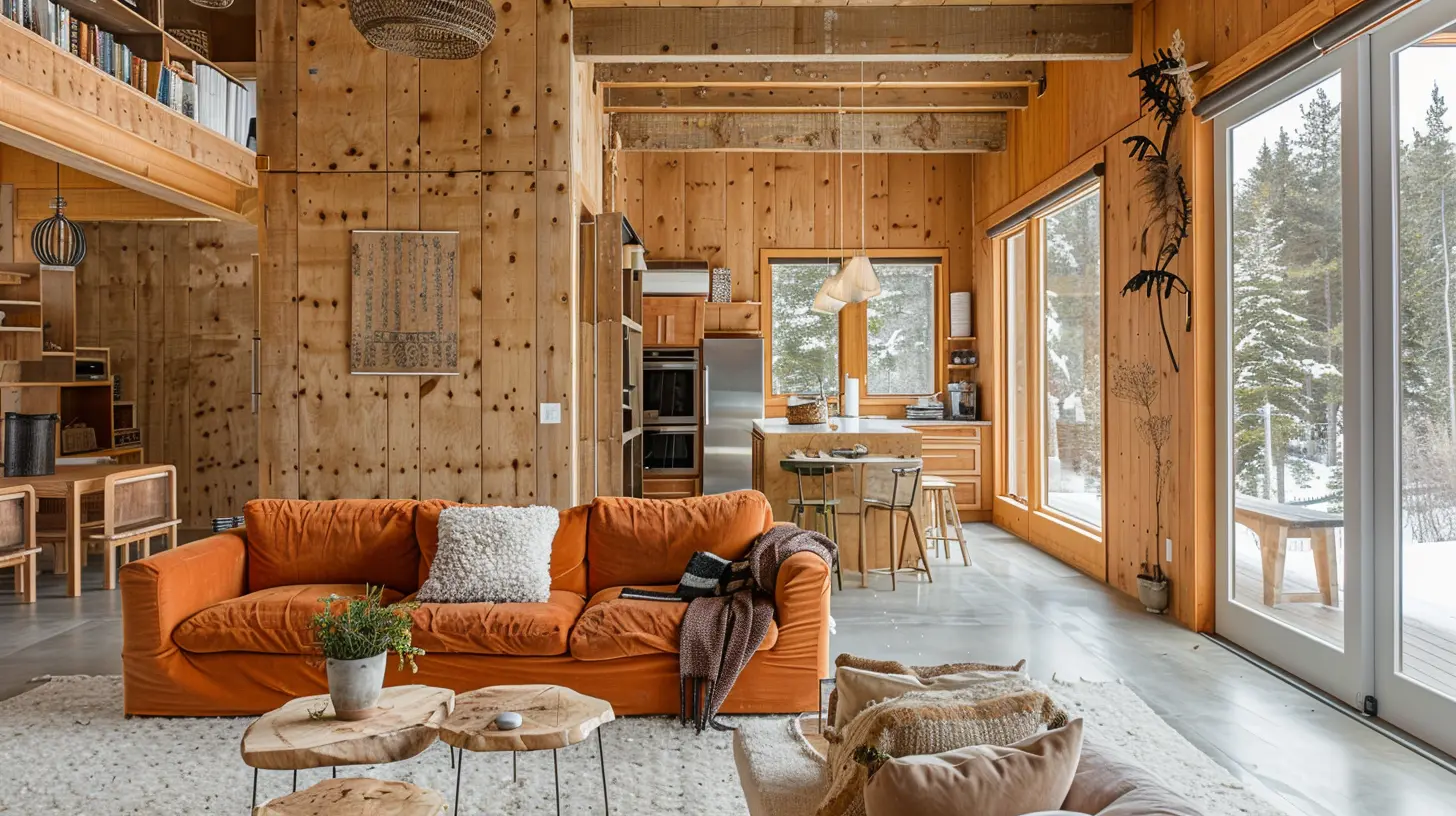
3. Waste Not: Decor That Doesn’t Hurt the Planet
Décor is where personality meets possibility. It’s so easy to go overboard buying ornaments, candles, frames, and... junk. But decorating sustainably doesn’t mean empty walls. It means intentional beauty.? Tips for Zero-Waste Décor:
- Use what you already have: That mason jar? It’s a vase. That scarf? It’s a table runner.- Nature-inspired accents: Stones, branches, flowers—yes, your backyard is a goldmine.
- Second-hand shopping: Thrift stores are treasure chests for unique décor.
- Digital art frames: Why commit to one print when you can rotate hundreds?
Decor should tell your story, not the planet’s demise.
4. Energy Efficiency is the Unsung Hero of Interior Design
Design isn’t just about what you see—it’s also about how your space works. Want your home to ooze sustainability? Make it energy smart.? Quick Wins for Energy Efficiency:
- LED bulbs: Use less power, last way longer, and they’re easy to switch.- Smart thermostats: Automate your heating/cooling and reduce waste.
- Insulation choices: Natural wool and cellulose insulation can keep your home cozy without the chemicals.
- Reflective colors: Light-colored walls reflect more sunlight, reducing the need for artificial lights during the day.
Design with intention, and your utility bills will thank you too.
5. Plants: Green Design in Every Sense
When in doubt, add a plant. Seriously.Plants aren’t just pretty props—they clean your air, boost your mood, and introduce natural texture into your design. No plastic monstrosities needed.
? Indoor Plants That Do It All:
- Snake Plant: Low maintenance and a pro at filtering toxins.- Spider Plant: Loves to purify and reproduce—hello, free new plants!
- Pothos: Elegant and nearly impossible to kill.
- Fiddle Leaf Fig: Insta-famous and dramatic, but worth the effort.
But don’t stop at plants. You can also grow herbs on your windowsill, create a wall garden, or compost your plant trimmings for full-circle sustainability.
6. Less Is More: Embracing Minimalist Sustainability
You don’t need more stuff to feel fulfilled. You need stuff that actually serves a purpose—and sparks joy (thanks, Marie Kondo).Sustainable interior design often overlaps with minimalist design because both value quality, not quantity.
? Minimalism Game Plan:
- Declutter first: What you don’t own, you don’t waste.- Invest in quality: One beautiful, durable couch beats five cheap ones over time.
- Mindful consumption: Ask yourself before every purchase—Will this add value? Will it last?
Sometimes, the most powerful design choice is restraint.
7. Zero-Waste Habits That Start at Home
Designing sustainably doesn’t stop once the furniture is placed. It’s a mindset you live out daily.Think beyond the "look" of your home: how does it function? Is it helping you live a lower-waste lifestyle? Here are some home habits that match your eco-friendly interior vibe:
? Ongoing Zero-Waste Tips:
- Compost station in the kitchen: Easy access means more likely to use.- Bulk container storage: Glass jars for everything = bye-bye plastic bags.
- Low-flow faucets & showers: Lower water waste without losing performance.
- Cloth over paper: Rags and napkins over disposables, always classy.
- Repair before replacing: How about fixing that chair instead of dumping it?
A beautiful home and a responsible life—you really can have both.
8. Color Palettes That Feel as Good as They Look
Colors matter. They influence our emotions and can even reflect your commitment to sustainability.? Eco-Friendly Color Inspo:
- Earth tones: Think terracotta, sage green, sand, and charcoal. These hues ground your space and bring you closer to nature.- Natural finishes: Let the materials speak—wood, metal, stone. No need to cover them up.
- Low-VOC paints: Standard paints can release harmful fumes. Look for eco-friendly, non-toxic options that are better for indoor air and your lungs.
Paint with purpose, and let your walls breathe easy.
9. Lighting: Set the Mood, Save the Planet
Good lighting can make or break a design. But beyond ambiance, lighting holds the power to drastically reduce your energy use.? Lighting for a Greener Tomorrow:
- Maximize natural light: Large windows, mirrors, skylights. Make sunlight your best friend.- Dimmer switches: Use only what you need, when you need it.
- Energy-efficient fixtures: Swap out old, power-hungry light fixtures for eco-friendly alternatives.
- Motion sensors: Particularly helpful for outdoor lighting or rarely used indoor spaces.
Let there be (responsible) light!
10. Mindful Room Design: Intentional Living by Space
Let’s put it all together. Each room in your house can be its own little eco-haven with a specific role in your sustainable lifestyle.? Room-by-Room Sustainability Ideas:
- Kitchen: Compost, reusable containers, energy-efficient appliances.- Bathroom: Refillable soaps, bamboo toothbrushes, water-saving fixtures.
- Bedroom: Organic sheets, recycled furniture, mindful lighting.
- Living room: Plants, vintage finds, books over knick-knacks.
- Home Office: Digital notepads, second-hand desks, natural light.
Every space can reflect your values without shouting them. Keep it subtle yet intentional.
Final Thoughts: Your Home Can Be a Manifesto
Interior design for sustainable and zero-waste living isn’t about perfection. It’s about progress, intention, and loving your space enough to let it love the planet too.It's about storytelling—each material, object, and room whispering, "I was made with care."
So, whether you’re gut-renovating or just rearranging your living room, remember: this isn’t just about style, it’s about soul.
Your home can be more than a shelter—it can be a statement. Ready to make a bold, beautiful, and sustainable one?
all images in this post were generated using AI tools
Category:
Interior DesignAuthor:

Mateo Hines
Discussion
rate this article
1 comments
Indigo McLain
Great insights on creating sustainable spaces! I love the emphasis on zero-waste living and how thoughtful design can reduce our environmental impact. These ideas inspire a more mindful approach to home decor while caring for our planet. Thank you for sharing!
June 12, 2026 at 11:07 AM
Mateo Hines
Thank you for your kind words! I'm glad you found the ideas inspiring. Sustainable living is all about making thoughtful choices that benefit both our homes and the planet.