Is It Cheaper to Build or Buy a Home in 2027?
6 November 2026
Ah, the age-old question for prospective homeowners: should you build your dream castle from scratch or snag an existing one with all its charming quirks? In 2027, the answer is as complicated as deciding whether pineapple belongs on pizza. So, let's dive into the nitty-gritty of home building versus buying, armed with some humor and insights that'll help you make an informed decision.
The Current Housing Market Landscape
In 2027, the housing market is a peculiar beast. After years of fluctuating prices and interest rates, it has finally settled into some semblance of normalcy. However, "normal" is relative. Depending on where you are, buying a home could still feel like trying to find a parking spot at a concert-everyone's vying for the same limited space.Buying a Home: Pros and Cons
Let's start with the buying route. It's like walking into a bakery where the pastries are already made. You can see what you're getting, and if you're lucky, it might even come with a little frosting.Pros of Buying a Home
1. Immediate Availability: You can move in right away, or at least as soon as the current owners find a new place (and hope they don't change their minds).2. Established Neighborhood: Existing homes often come with established communities, schools, and a local bar where everyone knows your name.
3. Renovation History: Many homes come with a rich history of renovations, giving you insights into what works and what does not.
4. Potentially Lower Costs: In some regions, buying an existing home could be cheaper than building new, especially when you factor in land costs and construction delays.
Cons of Buying a Home
1. Hidden Problems: Every charming old home has its quirks. You might find out the plumbing is older than your grandparents.2. Less Control: You're stuck with the layout, decor, and potentially the neighbor's loud dog.
3. Maintenance Costs: Older homes often require more upkeep. Think of it as an ongoing subscription service to your handyman.
Building a Home: Pros and Cons
Now let's put on our hard hats and consider building a new home. It's like being the chef in the bakery-you get to decide every ingredient.Pros of Building a Home
1. Customization: You can design your home exactly how you want it. Want a secret passage? Go for it!2. Modern Standards: New homes often meet the latest energy efficiency standards, potentially saving you money on utilities.
3. Fewer Repairs: Since everything is brand new, you might enjoy a few years of peace before leaky roofs and creaky floors become a problem.
4. Community Planning: New developments often include parks and amenities that are designed to foster community bonding-hello new friends!
Cons of Building a Home
1. Time-Consuming: Building a home can take months or even years. You might find yourself camping in your in-laws' living room for an extended period.2. Costs Can Spiral: While you might start with a budget, unforeseen expenses can pop up like weeds in a garden, especially if you change your mind during construction.
3. Land Acquisition: Finding the right piece of land can be a challenge and can add significant costs to your project.
4. Regulatory Hurdles: Building codes and zoning laws can feel like navigating a bureaucratic maze. Good luck with that.
Cost Analysis: Building vs Buying
Now that we've laid the groundwork, let's talk numbers. The cost of building a home versus buying one can vary significantly depending on location, materials, labor costs, and more.Buying Costs
When you buy a home, consider:- Purchase Price: What the seller is asking for the property.
- Closing Costs: These can add up quickly, typically ranging from 2 to 5 percent of the purchase price.
- Home Inspection Fees: A crucial step to uncover hidden issues. Think of it as a pre-purchase health check for the home.
Building Costs
For building a home, keep in mind:- Land Costs: The price of the lot can range dramatically based on location.
- Construction Costs: This includes materials, labor, and any permits you need. Keep in mind that prices for lumber or drywall can fluctuate based on market demand.
- Design Fees: Hiring an architect or a designer can be an added expense, but it's often worth it for a well-thought-out plan.
Real-World Example
Let's say you're considering a home in a suburban area.- Buying an Existing Home: You find a lovely three-bedroom house for $400,000. After closing costs and inspections, you're looking at around $420,000 total.
- Building a New Home: You find a lot for $100,000. Building costs (labor, materials, permits) might total around $300,000, bringing you to $400,000 before any unexpected expenses pop up.
At first glance, it might seem cheaper to build, but add in those pesky hidden costs, and suddenly you could find yourself at the same price point or even over budget.
Common Misconceptions
"Building is Always Cheaper"
This is a common myth. While building can sometimes be less expensive, it depends on various factors, including land costs and market conditions. Buyers can often find great deals on existing homes that don't require extensive renovations."New Homes Are Trouble-Free"
While a new home has fewer immediate issues, it's not immune to problems. Poor workmanship, unforeseen costs, and the stress of coordinating everything can lead to headaches."Renovations Are Always a Money Pit"
Renovating an existing home can be daunting, but not all projects are created equal. Some renovations add significant value. A kitchen remodel, for instance, can yield a good return on investment.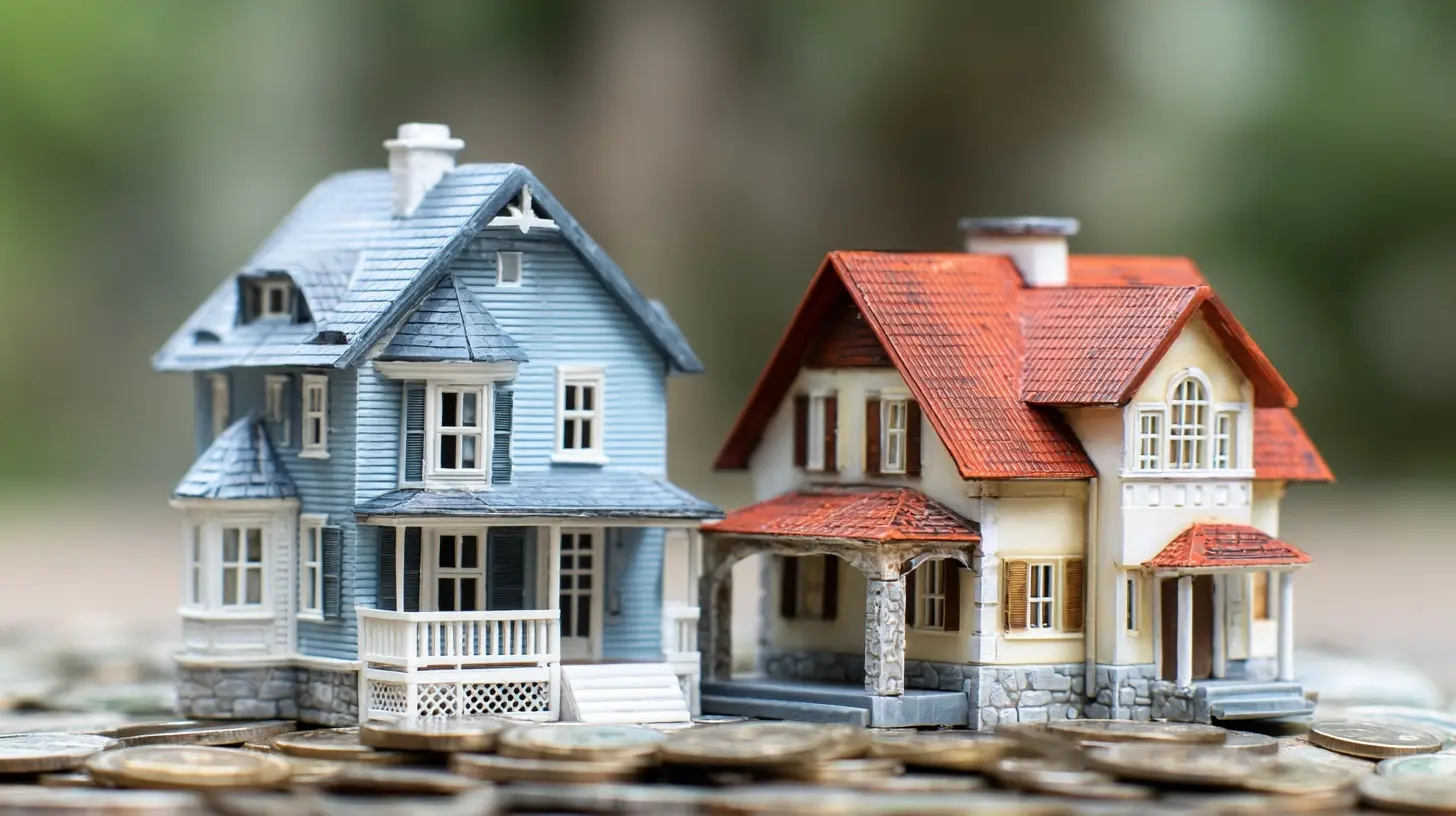
Best Practices for Making Your Decision
1. Do Your Research: Analyze the local market. Look at home prices and land availability in your desired area.2. Calculate the True Costs: Factor in everything from property taxes to maintenance costs for both buying and building scenarios.
3. Consider Your Timeline: If you need to move quickly, buying might be a more practical option.
4. Think About Your Needs: Will your family grow? Do you have specific needs that only a new build can meet?
5. Consult Professionals: Speak to real estate agents, builders, and financial advisors. They can provide insights specific to your situation.
The Verdict: Build or Buy?
whether it is cheaper to build or buy a home in 2027 depends on your unique circumstances. If you crave customization and can handle the time and potential costs, building might be your answer. On the other hand, if you prefer the charm of an established neighborhood and want to avoid the headache of construction, buying an existing home could be the way to go.Regardless of your choice, do your homework, consider your long-term goals, and keep a sense of humor about the journey. After all, whether you're buying or building, the result should be a place you love to call home.
all images in this post were generated using AI tools
Category:
Real Estate FaqAuthor:

Mateo Hines