Is the Housing Market Being Propped Up by Speculation in 2026?
3 November 2026
Every few years, a question starts circulating in kitchens, at open houses, and on the comment sections of financial news sites: is this market real, or is it being held up by people betting on it rather than living in it? In 2026, that question has more weight than usual. Prices in many metros have stayed stubbornly high despite borrowing costs that would have chilled previous cycles. Inventory is uneven. Some neighborhoods see bidding wars while others sit quiet for months. And a growing share of buyers seem to be purchasing with an eye on resale value rather than a plan to settle in.
That is the shape of a speculation question. But the honest answer is more textured than a yes or no. Speculation exists in the 2026 housing market, but it is not the single pillar holding everything up. Understanding where speculative behavior actually lives, how it differs from ordinary investment, and what it means for your own decisions is the real work. This article breaks that down with the nuance the topic deserves.

What Speculation Actually Means in Housing
Speculation gets used loosely, so let's be precise. In housing, speculation means buying with the primary intent of profiting from price movement rather than from the use or income the property provides. An investor who buys a duplex, rents it out, and holds it for a decade is investing. A buyer who puts down a deposit on a pre-construction unit hoping to flip the assignment before closing is speculating. The line is intent, and intent is hard to see from the outside, which is why so much market commentary gets it wrong.There are a few recognizable forms:
- Short-term flipping. Buying, lightly renovating, and reselling within months.
- Assignment and pre-construction contracts. Locking in a price on a unit that does not exist yet, then selling the contract before completion.
- Vacant second-home buying. Purchasing in anticipation of appreciation, with little or no rental use.
- Leveraged small-investor buying. Ordinary households buying additional properties with high loan-to-value ratios, betting that appreciation outpaces carrying costs.
Each of these behaves differently in a downturn. A flipper with a single property and a bridge loan is fragile. A long-term landlord with fixed-rate financing is not. Treating all of them as "speculators" flattens the analysis and leads to bad conclusions.

The Case That Speculation Is Propping Up Prices
There is a real case to be made, and it rests on a few observable patterns.Price-to-income gaps that fundamentals struggle to explain
In many markets, the ratio of median home price to median household income sits well above its long-run average. Some of that gap is explained by genuine supply shortages, demographic demand, and the simple fact that existing homeowners locked in low rates and are not selling. But when prices stay elevated even as transaction volume falls, it suggests a portion of demand is not driven by people who need a place to live. They are driven by people who expect to make money.Investor share of purchases
Institutional and small-investor purchases have become a visible slice of many markets. When investor activity is concentrated in entry-level homes, it competes directly with first-time buyers and can push prices above what local incomes would support. That is a legitimate concern, and it is one reason some jurisdictions have tightened rules around short-term rentals and repeated flipping.FOMO-driven buying at the margins
Speculation does not require professional investors. When ordinary buyers stretch their budgets because they believe prices only go up, they are participating in speculative behavior whether they call it that or not. That psychology can sustain prices for a while. It can also reverse quickly when the narrative changes.
Why the "Propped Up" Story Is Incomplete
Here is where the headline version of the argument breaks down. A market propped up by speculation looks a particular way: rapid price growth, heavy leverage, lots of new supply chasing buyers, and thin rental yields. In 2026, many markets show the opposite in key respects.Supply is still constrained in many places
Speculative bubbles need excess supply to collapse. In large parts of the country, the problem is too little housing, not too much. Restrictive zoning, slow permitting, and construction costs have kept new supply below household formation for years. That is a structural support for prices that has nothing to do with speculation.Most owners are not leveraged speculators
The typical homeowner in 2026 holds a fixed-rate mortgage originated when rates were lower, has substantial equity, and has no intention of selling. That profile is the opposite of a speculative position. It is a locked-in, low-risk holding. When most of the market is held by people who can afford to wait, prices are sticky downward for reasons unrelated to betting.Rental demand is real
Investors who buy and rent are supplying housing to people who need it. Calling all investor activity speculation ignores the fact that rental housing serves a genuine need, especially where ownership is out of reach. The question is not whether investors exist but whether their activity is crowding out owner-occupants in specific segments.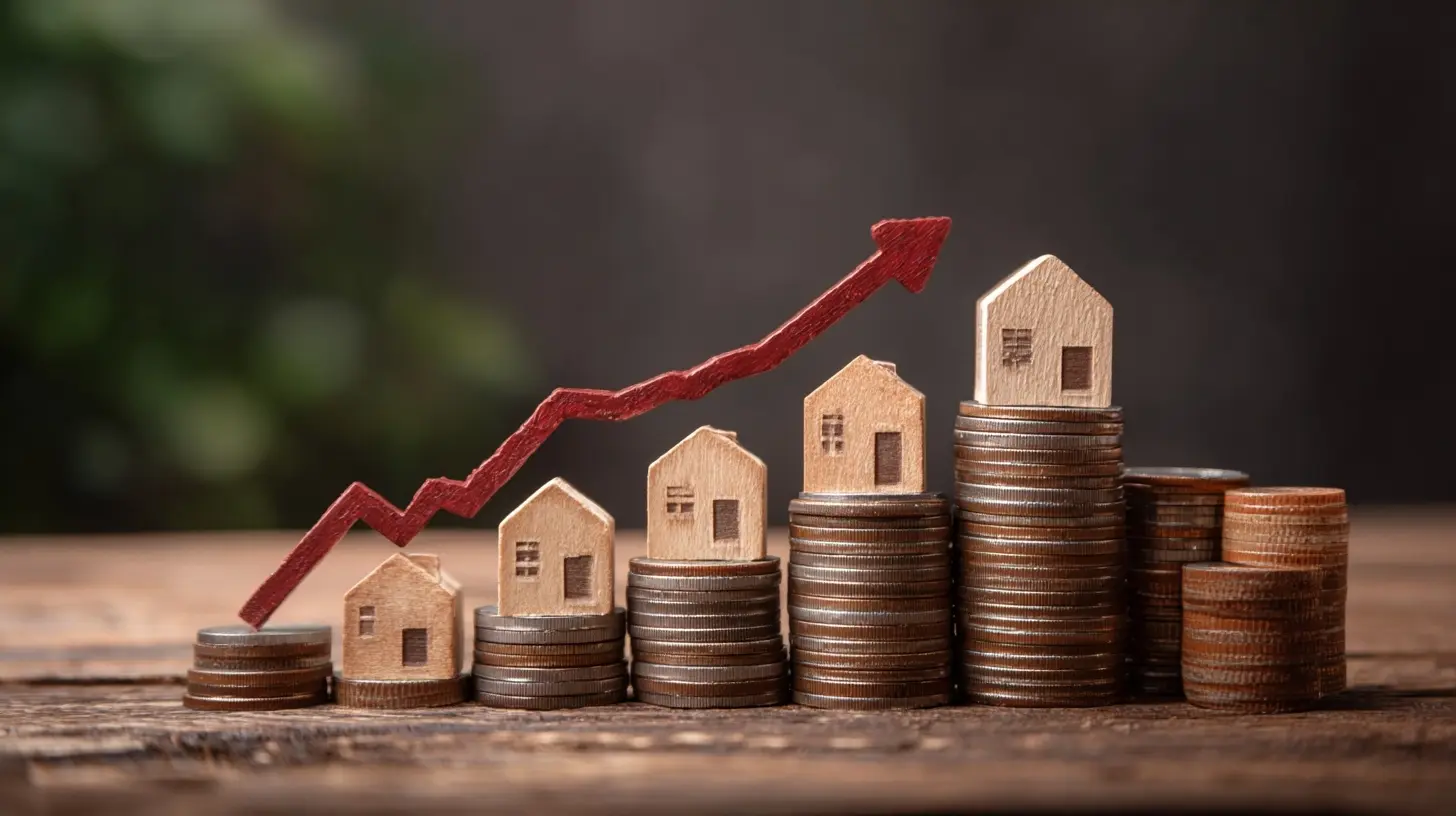
The 2026 Twist: Rate Expectations and Buyer Psychology
What makes 2026 distinctive is the role of interest rate expectations. When buyers believe rates will fall, some delay purchases. When they believe rates will rise, some rush in. That timing behavior is speculative in nature even when the buyer intends to live in the home. It creates swings in demand that have little to do with underlying housing need.You can see this in how quickly sentiment shifts. A single central bank signal can move showing activity within weeks. That is not a sign of a market propped up by professional speculators. It is a sign of a market where ordinary households are making leveraged, emotionally charged decisions with incomplete information. Which, frankly, describes most housing markets in most eras.
How to Tell Speculation From Healthy Demand in Your Market
If you are trying to read your own local market, generic national headlines will mislead you. Use these signals instead.Look at days on market by price band
Speculative activity tends to concentrate in entry-level and mid-tier homes where leverage is easiest. If the bottom third of your market is moving fast while the top third stalls, that is a signal worth investigating. It could be investor competition, or it could simply be first-time buyer demand outpacing supply. Check who is actually buying.Check rental yields
When purchase prices rise much faster than rents, buyers are paying for appreciation rather than income. That is a speculative signal. In healthy markets, yields compress slowly. In speculative ones, they compress fast and then snap back.Watch flip activity and holding periods
Public records often show how quickly properties resell. A rising share of homes sold within twelve months of purchase suggests short-term speculation. A stable share suggests normal turnover.Follow new construction absorption
If new units are selling out before completion to buyers who never intend to occupy them, that is assignment-style speculation. If new units are absorbed by end users, the market is healthier.
Practical Advice for Buyers in a Speculation-Tinged Market
Whether speculation is propping up your local market or not, you have to make a decision. Here is how to protect yourself.Buy for use, not for the forecast
The single best defense against being caught in a speculative cycle is to buy a home you can afford to hold through a flat or declining market. If your plan only works if prices rise, it is not a plan. It is a bet. Ask yourself: could I stay here for seven years if I had to? If the answer is no, reconsider.Stress-test your payment
Run your numbers at a rate two percentage points higher than your current quote. If the payment becomes unaffordable, you are overextended. This matters more in a market where rate expectations are driving behavior, because those expectations can flip.Be skeptical of "guaranteed" appreciation
No one can guarantee appreciation. Any agent, lender, or friend who does is either misinformed or selling something. Treat projections as scenarios, not promises.Understand the segment you are buying in
Entry-level homes in investor-heavy markets behave differently from move-up homes in owner-occupant neighborhoods. Know which one you are in. A good buyer's agent will tell you who has been winning recent bids in the area, and that information is more useful than any national statistic.Advice for Sellers
If you are selling into a market with speculative froth, timing matters, but so does pricing discipline.- Price to the comps, not to the hope. Overpricing in a sentiment-driven market is dangerous because buyer attention is fickle. The first two weeks matter most.
- Know your buyer pool. If investors have been active in your segment, understand what they need: clean condition, quick close, flexible terms. If owner-occupants are your buyers, presentation and staging matter more.
- Do not assume the peak. If you are selling because you need to, sell. If you are selling because you think you can time the top, recognize that you are speculating too.
Common Mistakes and Misconceptions
A few myths deserve direct correction.Myth: Investors are the main reason prices are high. Investors matter at the margin, especially in entry-level segments. But the dominant forces in most markets are supply constraints, demographic demand, and the lock-in effect of low-rate mortgages. Blaming investors alone leads to policy and personal decisions that miss the real drivers.
Mistake: Treating national data as local truth. Housing is intensely local. A national headline about speculation says almost nothing about a specific neighborhood. Always zoom in.
Mistake: Confusing a hot market with a speculative one. Hot markets can be driven by genuine demand. Speculative markets are driven by expected price movement. They look similar for a while and diverge sharply when sentiment changes.
Misconception: Speculation is always bad. Speculative capital can fund new construction and increase supply, which helps in shortage markets. The problem is when speculation outruns fundamentals and concentrates risk in leveraged hands.
What Would Actually Signal Trouble
If you want a watchlist, here is what to monitor. None of these alone proves a speculative bubble, but together they raise the odds.1. Rapid growth in short-term flip activity alongside falling transaction volume.
2. Rental yields compressing sharply while vacancy rises.
3. A growing share of purchases by highly leveraged small investors.
4. New construction selling out to non-occupant buyers at scale.
5. Price growth decoupling from income growth for several consecutive years.
If you see most of these in your market, be more conservative in your own decisions. If you see few of them, the "propped up by speculation" story is probably overstated where you live.
The Balanced Conclusion
So, is the housing market being propped up by speculation in 2026? In some segments and some metros, speculative behavior is a real and growing influence, particularly at the entry level and in markets with heavy investor participation. But calling the whole market a speculation-driven bubble ignores the structural forces, supply shortages, locked-in homeowners, and genuine rental demand, that are doing most of the heavy lifting.The practical takeaway is this. Do not buy based on a forecast. Buy based on what you can afford to hold. Do not sell based on a guess about the top. Sell based on your life and your numbers. And do not let national narratives substitute for local research. The people who get hurt in any market cycle are rarely the ones who understood the fundamentals. They are the ones who bought the story instead.
all images in this post were generated using AI tools
Category:
Housing BubbleAuthor:

Mateo Hines
Discussion
rate this article
1 comments
Kylie McQuade
Keep calm and house hunt!
November 3, 2026 at 4:15 AM