Is the Housing Market Heading for a Soft Landing in 2027?
5 October 2026
The question sounds simple. The answer is not. Anyone who tells you with certainty what housing will look like in 2027 is selling something, usually a newsletter subscription or a mortgage product. What we can do is something more useful: map the forces that will decide whether the market lands softly, stalls, or drops, and give you a framework for making decisions under uncertainty.
A soft landing, in plain terms, means home prices flatten or dip modestly in real terms, transaction volumes recover, and the market avoids a wave of forced selling. It does not mean prices stay flat everywhere. It means the system absorbs stress without breaking. Whether 2027 delivers that depends on a handful of variables that are already in motion.

What Actually Determines a Soft Landing
Most commentary treats the housing market as a single national number. That framing is almost useless. Housing is a collection of hundreds of local markets, each with its own supply, employment base, and buyer profile. A soft landing nationally can coexist with sharp declines in Austin and continued appreciation in Cincinnati.Still, three macro forces set the tone everywhere.
Mortgage rates relative to incomes. Affordability is the binding constraint. When the monthly payment on a median home eats 40 percent of a median income, buyers pull back regardless of how much they want to move. Rates do not need to return to 3 percent for the market to function. They need to fall enough that payments normalize relative to local wages.
Supply locked in place. Millions of homeowners hold mortgages well below current rates. Selling means trading a 3.5 percent loan for something near 6.5 percent, which can add hundreds of dollars to a monthly payment for the same or lesser house. That math keeps inventory artificially thin. Thin inventory supports prices even when demand weakens, which is precisely why this cycle has resisted the crash many predicted.
Employment and income growth. People buy homes when they feel secure in their jobs. A soft landing requires the labor market to cool without cracking. If unemployment rises sharply, forced sales follow, and the soft landing narrative collapses.
Notice what is absent from that list: investor sentiment, headlines, and seasonal noise. Those move prices at the margins. The three forces above move the market.

The Case for a Soft Landing by 2027
Several structural features of today's market genuinely support the soft-landing scenario.Underwriting standards since 2010 have been conservative. Most outstanding mortgages went through full documentation. Home equity levels are historically high, which means most owners have a cushion before they are underwater. A borrower with 40 percent equity and a stable job has no reason to sell into weakness.
The lock-in effect, while frustrating for buyers, is also a stabilizer. It restricts supply during downturns, which prevents the price spirals that characterized 2008. When supply cannot flood the market, prices fall more slowly or not at all.
Demographic demand remains real. The largest cohort of millennials is in its prime homebuying years. Household formation continues. Immigration adds to housing demand. These are not speculative forces. They are people needing places to live.
If rates drift down toward the low 6s or high 5s by 2026 and 2027, as many forecasts suggest, a release of pent-up demand could absorb new inventory without triggering a price collapse. Sellers who have been waiting for a better rate environment would list, buyers who have been sidelined would return, and the market would thaw gradually rather than violently.
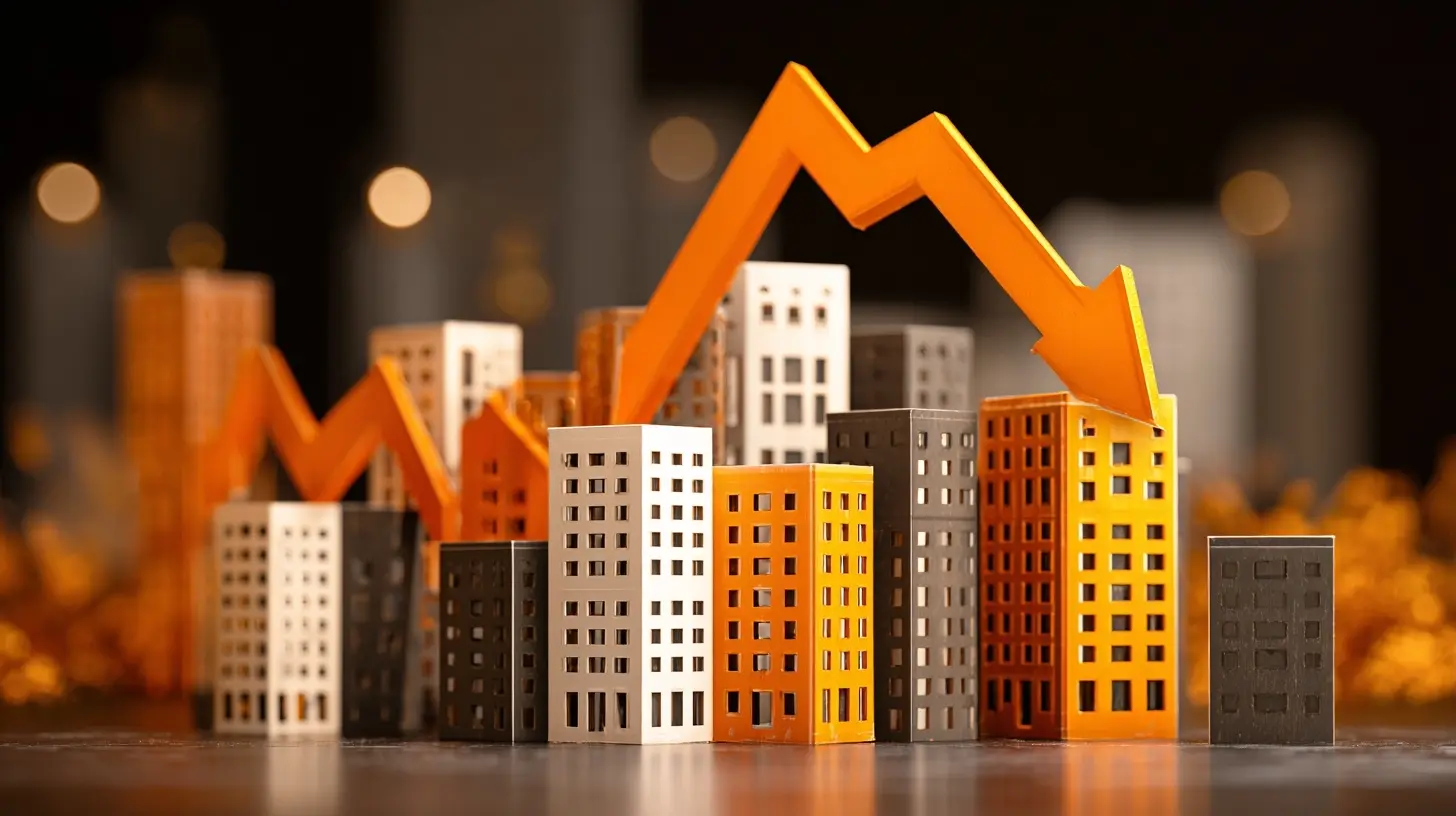
The Case Against: Where the Soft Landing Could Fail
The bear case does not require a catastrophe. It requires only that one or two supports give way.If mortgage rates stay above 7 percent through 2027, the affordability math never improves. Payments remain out of reach for first-time buyers, who drive the bottom of the market. Without first-time buyers, move-up buyers cannot sell, and the whole chain seizes. Prices might hold nominally while transactions collapse, which is a frozen market rather than a soft landing.
If unemployment rises meaningfully, the picture changes fast. High-equity homeowners can weather a price decline, but they cannot weather a job loss without selling or defaulting. A recession that pushes unemployment above 5.5 percent would likely force enough distressed supply onto the market to move prices down in real terms, and in some metros, nominally.
There is also the possibility that prices simply never correct enough to restore affordability. In that scenario, the market does not crash. It stagnates. Sales volumes stay depressed, inventory stays tight, and a generation of renters is permanently priced out. That is not a soft landing in any meaningful sense. It is a slow exclusion.
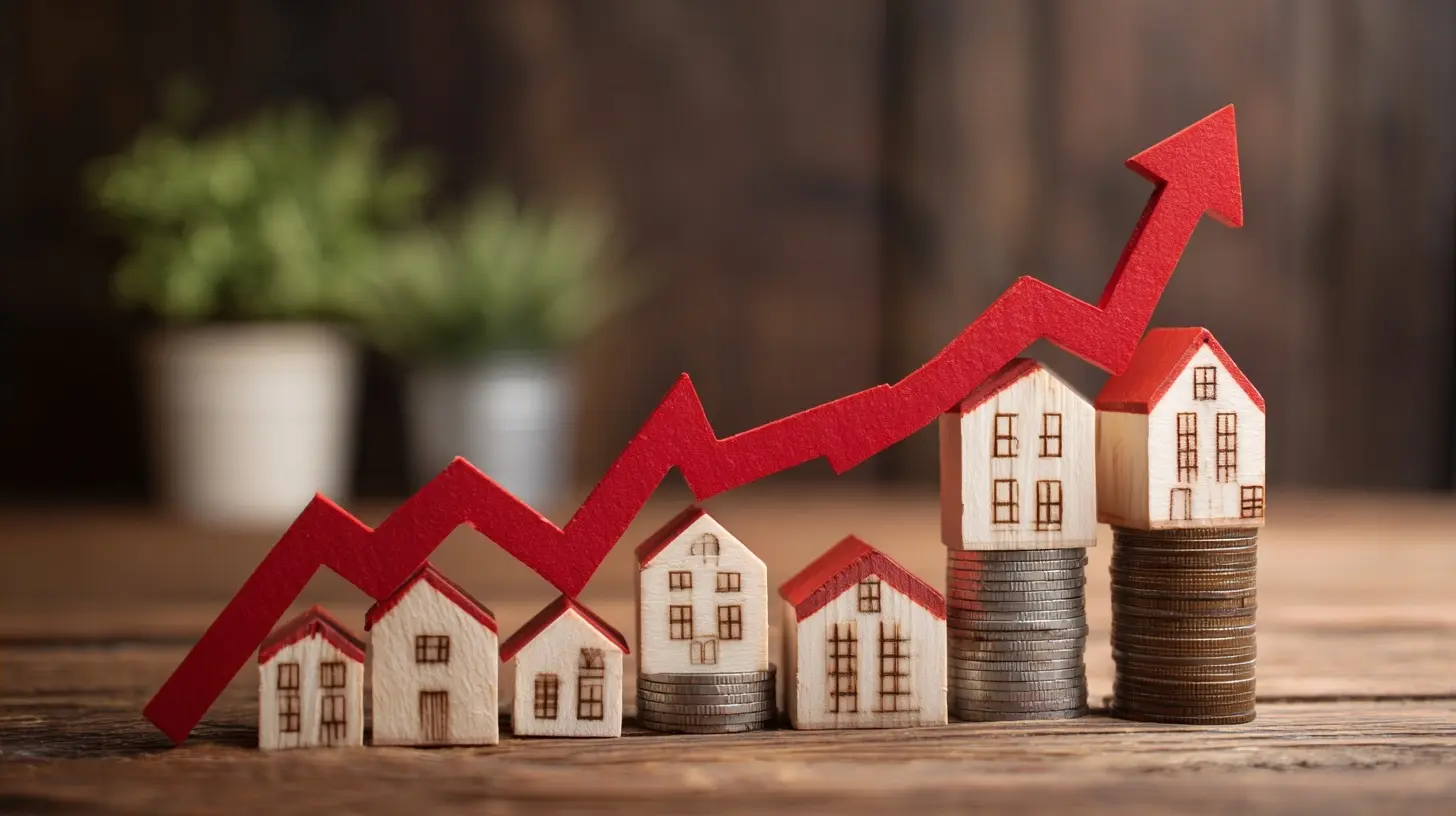
Why "Soft Landing" Is the Wrong Frame for Most Buyers
Here is where most articles stop short. The macro question matters far less to you than your local market and your personal timeline.A buyer in Boise faces a different market than a buyer in Boston. A seller who bought in 2019 has different options than one who bought in 2022. Someone planning to stay for 15 years should think differently than someone planning to move in three.
The soft landing question is really a question about risk. If you buy in 2026 and prices fall 8 percent by 2028, does that hurt you? Only if you need to sell. If you stay put, your payment is fixed, your equity recovers over time, and the paper loss is irrelevant.
This is why the most important variable is not the market. It is your holding period.
Local Markets Will Diverge Sharply
The national soft landing narrative hides enormous variation. Consider three categories of market.Supply-constrained coastal metros. Boston, Seattle, San Francisco, and similar markets have severe geographic and regulatory limits on new construction. Demand is anchored by high-wage employment. These markets rarely crash. They correct sideways, with prices flat in nominal terms while inflation quietly erodes real value.
Pandemic boomtowns. Phoenix, Boise, Austin, and parts of Florida saw prices surge 40 to 60 percent in two years. Many of those markets have already corrected. Further declines are plausible because prices ran far ahead of local incomes. A soft landing here might mean a 10 to 15 percent nominal decline spread over several years, which feels like a crash to recent buyers but is not a systemic event.
Affordable Midwest and Rust Belt metros. Columbus, Kansas City, Pittsburgh, and similar markets never had the boom, so they have less to give back. Prices are supported by genuine affordability relative to local wages. These markets may be the most likely to deliver an actual soft landing.
If you are trying to forecast your own market, start with the ratio of median home price to median income. When that ratio is far above its long-term average, expect correction. When it is near or below, expect stability.
What to Watch: Leading Indicators That Actually Matter
Forget the noise. Track these instead.Months of supply. This is the single best measure of market balance. Below four months favors sellers. Above six favors buyers. Watch the trend, not the level.
Days on market and price cuts. When the share of listings with price reductions rises above 30 percent, sellers are losing pricing power. When it falls below 15 percent, they are regaining it.
Mortgage purchase applications. These reflect real buyer demand, not refinancing noise. A sustained rise signals thawing.
New construction permits and completions. Builders respond to incentives, not sentiment. A surge in completions adds supply, which pressures prices. A collapse in permits signals future scarcity.
Delinquency rates. This is the canary. Rising delinquencies precede forced sales by six to twelve months. Stable delinquencies mean the soft-landing thesis holds.
Set calendar reminders to check these quarterly. You do not need daily updates.
The Rate Question Nobody Answers Well
Everyone wants to know where mortgage rates will be in 2027. Honest answer: nobody knows, and anyone who claims otherwise is guessing.What we can say is that mortgage rates track the 10-year Treasury yield plus a spread. The spread has been unusually wide since 2022, partly due to bank balance sheet constraints and mortgage-backed securities supply. If that spread normalizes, mortgage rates could fall even if Treasury yields hold steady.
The practical implication is that waiting for a specific rate is a losing strategy. Rates could fall to 5.5 percent and prices could rise 10 percent in response, leaving you worse off than buying today at 6.5 percent. Rates and prices move together. You cannot optimize for both.
Common Mistakes Buyers and Sellers Make
Buyers waiting for the bottom. The bottom is only visible in hindsight. If you find a home you can afford, in a location you want, with a payment you can sustain, the market's next 12 months matter far less than your next 10 years.Sellers pricing to yesterday's peak. If your neighbor sold for 20 percent more in 2022, that is not your comparable. It is a different market. Overpricing in a softening market leads to stale listings, price cuts, and eventually a worse outcome than pricing correctly from day one.
Treating your home as an investment. A primary residence is a place to live with a forced savings component. It is not a stock. Judging it by annual returns leads to bad decisions.
Ignoring carrying costs. Property taxes, insurance, maintenance, and HOA fees have risen sharply in many markets. A payment that felt comfortable at 5 percent rates may not feel comfortable when insurance doubles.
Assuming you can refinance later. You can only refinance if you have equity and income. If prices fall and you lose your job, refinancing is off the table. Do not buy a home you can only afford if rates drop.
Practical Strategy for the Next 24 Months
If you are buying, get pre-approved and understand your true budget including taxes and insurance. Focus on markets where price-to-income ratios are reasonable. Negotiate. In a balanced market, sellers concede on inspection items, closing costs, and rate buydowns. Ask.If you are selling, price realistically from day one. Invest in presentation. The gap between a well-prepared home and a tired one is wider in soft markets than hot ones. Consider whether selling is even necessary. If your rate is low and your space works, staying put may be the highest-return move available.
If you are investing, be selective. Cash flow matters more than appreciation in a flat market. Markets with strong rent-to-price ratios and population growth offer better risk-adjusted returns than markets that already ran up.
If you are renting and waiting, set a decision rule. For example: "I will buy when I find a home that meets my needs and the payment is below 32 percent of my gross income." Rules prevent you from chasing a market you cannot predict.
A Balanced Verdict
The most likely outcome for 2027 is neither a boom nor a bust. It is a slow, uneven normalization. Some markets will land softly. Some will correct. A few will stagnate. Nationally, prices may be flat to modestly lower in real terms, with nominal declines concentrated in the markets that ran hottest.The soft landing is not guaranteed. It depends on rates, jobs, and supply responding in ways that are plausible but not certain. What is certain is that the market will not return to 2021 conditions. Those were an anomaly created by emergency policy, not a baseline.
The better question is not whether the market soft-lands. It is whether your personal finances can absorb the range of outcomes. If you can buy and hold for at least seven years, with a payment you can sustain through a job change, you are positioned well regardless of what 2027 brings. If you cannot, waiting is not cowardice. It is prudence.
Housing is a long game. Play it like one.
all images in this post were generated using AI tools
Category:
Market CyclesAuthor:

Mateo Hines