Is the U.S. Housing Market Too Hot to Handle by 2026?
21 October 2026
Let's cut the suspense: the U.S. housing market is not going to politely cool down just because we want it to. By 2026, the question is not whether the market will be hot. The question is whether it will be hot in a way that builds wealth or hot in a way that burns buyers, renters, and overleveraged investors who mistook a low-rate hangover for a permanent condition.
I have watched this cycle from the inside, through bidding wars that made no mathematical sense, through rate shocks that froze entire markets, and through the slow, stubborn standoff we are living in now. Here is what most coverage gets wrong: it treats "hot" as a single temperature. It is not. The 2026 market will be hot in some zip codes and ice cold in others, sometimes on the same highway. Understanding that split is the difference between a smart move and an expensive lesson.

What "Too Hot" Actually Means in 2026
A hot market is not simply one where prices rise. A hot market is one where demand outruns supply fast enough that normal decision-making breaks down. Buyers waive inspections. Appraisals get gap-covered with cash. Renters sign leases sight unseen. That is heat. And heat, in any market, eventually finds the weakest link.By 2026, the ingredients for that kind of heat are already in the pantry:
- A structural shortage of homes that took more than a decade to create and will take more than a year to fix.
- Millions of homeowners sitting on mortgage rates far below what new loans cost, which keeps them from selling.
- Wage growth that, while uneven, has given a slice of buyers real purchasing power.
- Institutional and small-investor capital that treats housing as a yield product, not a place to live.
None of that disappears by 2026. What changes is the cost of money, the pace of new construction, and the mood of the buyer. Those three variables decide whether the market is "hot but navigable" or "hot and hostile."
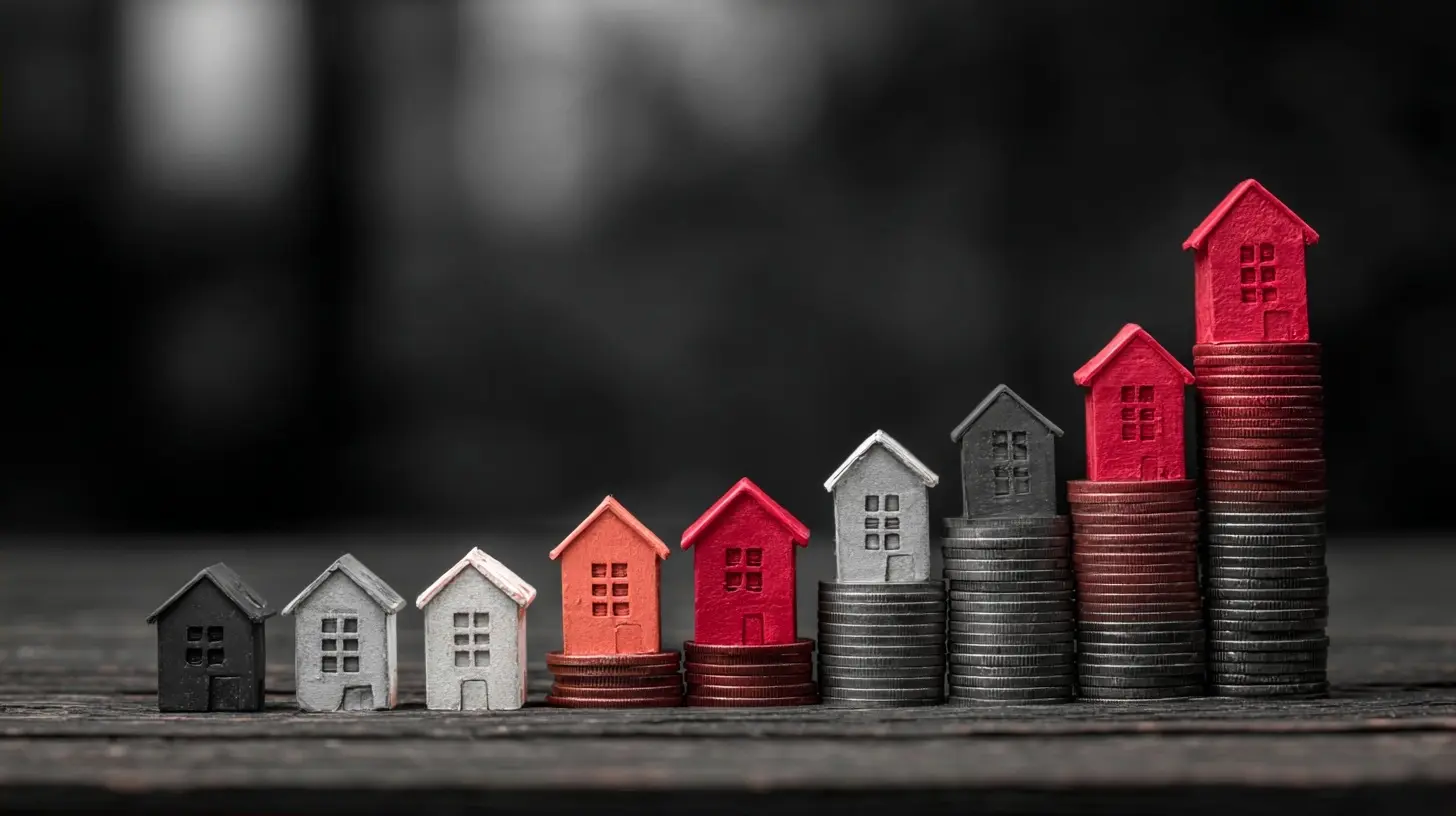
The Supply Trap Nobody Can Escape Quickly
Here is the number that matters more than any forecast: we have underbuilt for years. You cannot fix a decade-long construction deficit with a two-year burst of permits. Builders face land costs, labor shortages in the trades, material volatility, and local zoning that treats new density like a personal insult.This is why the "just build more homes" chorus, while correct in the long run, is useless advice for anyone buying in 2026. The pipeline is slow. A project permitted in 2025 might deliver in 2027. Meanwhile, every household formed in between adds to the queue.
The Lock-In Effect and Why It Lingers
The lock-in effect is simple. If you hold a mortgage at 3 percent and moving means taking on a loan at 6 or 7 percent, your monthly payment can jump by hundreds or thousands of dollars even if you downsize. So you stay put. Multiply that decision across millions of households and you get a market where inventory stays thin not because nobody wants to move, but because moving is financially irrational.By 2026, this effect weakens but does not vanish. Life events force sales: divorces, deaths, job relocations, growing families. Those sellers will list. But the discretionary seller, the one who would happily trade up in a normal market, stays frozen. That keeps supply tight in exactly the segments where demand is strongest: starter homes and mid-tier family homes.
What this means for you: Do not assume inventory will magically normalize by 2026. Plan for a market where good homes still draw multiple offers. If you are selling, you hold leverage. If you are buying, you need a strategy, not hope.

Rates, Payments, and the Affordability Wall
Here is the uncomfortable truth: home prices are only half the affordability story. The other half is the monthly payment. A 6 percent rate on a $400,000 loan costs roughly $2,400 a month before taxes and insurance. At 4 percent, the same loan runs about $1,900. That $500 gap is the difference between qualifying and getting priced out for a lot of families.By 2026, rates will likely settle somewhere in a range rather than snap back to the pandemic-era floor. Anyone waiting for 3 percent mortgages is waiting for a train that already left. The smarter framing: affordability improves through three levers, and you should know which ones you control.
1. The rate. You do not control it, but you can buy it down temporarily or permanently. A permanent buydown lowers your rate for the life of the loan and can be negotiated as a seller concession. A temporary buydown lowers it for a few years. Know the difference before you sign.
2. The price. You control what you offer. In a hot market, that means discipline. The winning bid is not always the highest one; it is the one that closes cleanly.
3. The term and structure. Adjustable-rate mortgages get a bad reputation, and some of it is deserved. But a well-structured ARM with a long fixed period can make sense if you plan to move or refinance within that window. It is a tool, not a trap, when used with eyes open.
Common mistake: Buyers stretch to the maximum preapproval and then have zero cushion for repairs, taxes, or a rate reset. Lenders qualify you on gross income and a formula. They do not qualify you on your life. Leave room.

The Investor Question: Fuel or Fire?
Investors get blamed for everything from high rents to low inventory, and the blame is partly fair and partly lazy. The honest version: investor activity adds heat in markets where owner-occupants cannot compete on speed and cash. It also adds rental supply in markets where ownership is out of reach. Both things are true at once.By 2026, watch two things. First, the cost of capital for investors. When borrowing is expensive, leveraged buyers retreat and owner-occupants gain breathing room. Second, local rules. Some cities and states have tightened restrictions on large-scale purchases of single-family homes. Others have not. The result is a patchwork where the same investor strategy works in one metro and fails in the next.
Practical advice for owner-occupants: In a competitive segment, your advantage is not cash. It is certainty. A clean offer with a reasonable deposit, a flexible closing date, and a pre-underwritten loan beats a slightly higher offer with shaky financing. Sellers learn this the hard way when deals fall apart. Use it.
Regional Heat Maps: Where 2026 Will Burn and Where It Will Cool
The national headline number is a lie of averages. The 2026 market will be a collection of local markets with wildly different temperatures. Here is the framework I use to read them.Markets likely to stay hot
- Job magnets with constrained supply. metros with strong tech, healthcare, and manufacturing employment where zoning limits new housing. Demand keeps arriving; supply cannot respond.- Sun Belt growth corridors that still offer relative affordability compared to coastal hubs, even after years of price gains.
- Secondary cities absorbing spillover from expensive metros, especially where remote and hybrid work remains common.
Markets likely to cool or stall
- Pandemic boomtowns where prices ran far ahead of local incomes and where speculative buying was heaviest.- Markets with heavy new construction pipelines where supply is finally catching up, especially in the rental segment.
- Areas with shrinking employment bases where population growth has stalled.
Why this matters: A "hot market" headline can scare you out of a market that is actually balanced, or lure you into one that is overheated. Read local data: months of supply, days on market, sale-to-list ratios, and permit activity. Those four numbers tell you more than any national forecast.
Renting Versus Buying in a Hot 2026
The rent-versus-buy debate is usually framed as a math problem, but it is really a time-horizon problem. Buying wins over long horizons because you lock in housing costs and build equity. Renting wins over short horizons because transaction costs eat you alive if you move in two years.In a hot market, the break-even horizon stretches. Closing costs, moving costs, and the risk of buying at a local peak all push the number out. Run the actual math for your situation: purchase price, down payment, rate, taxes, insurance, maintenance at roughly 1 percent of value per year, and expected appreciation that is realistic, not aspirational. Compare that to rent plus the investment return on the money you did not put into the house.
Misconception to kill: "Renting is throwing money away." No. Renting buys flexibility and transfers risk to a landlord. Buying builds equity and transfers risk to you. Both are valid. The mistake is choosing one on vibes instead of on your actual timeline and balance sheet.
Mistakes That Get Buyers Burned in Hot Markets
I have seen the same errors repeat in every hot cycle. Learn them now and save yourself the tuition.1. Waiving inspection without a plan. In a competitive market, waiving the inspection contingency is sometimes necessary. Waiving the inspection itself is not. Bring an inspector to the showing or pay for a pre-offer inspection. You can waive the contingency and still know what you are buying.
2. Draining reserves for the down payment. A house with no emergency fund is a foreclosure waiting for a bad month. Keep at least three to six months of expenses liquid after closing.
3. Falling in love with the listing photos. Photos are marketing. The roof, the foundation, the drainage, and the neighbors are reality. Fall in love with the inspection report or walk away.
4. Ignoring the tax reassessment. In many markets, your property taxes reset to the purchase price. That payment shock arrives a year later. Budget for it.
5. Bidding on emotion. Set your maximum before you tour. Write it down. The moment you exceed it in the heat of a bidding war, you have stopped making a financial decision.
What Sellers and Investors Should Do Differently
Sellers in a hot 2026 market have leverage, but leverage is easy to waste. Overpricing in a strong market is the classic own goal: your listing sits, buyers assume something is wrong, and you chase the market down. Price to the data, invest in presentation, and negotiate on terms, not just price. A slightly lower price with a clean, fast close often nets more than a stubborn number with months of carrying costs.Investors need to be honest about the math. In a hot market, cap rates compress and cash flow disappears. The returns shift to appreciation, which is a bet, not a paycheck. If your strategy depends on prices rising forever, it is not a strategy. Stress test every deal at higher rates and lower rents. If it still works, proceed. If it only works in the best case, walk.
The Verdict: Hot, But Handleable With Discipline
So is the U.S. housing market too hot to handle by 2026? For the unprepared, yes. For the disciplined, no. The market will reward people who understand supply constraints, respect the cost of money, and refuse to let competition override their numbers. It will punish people who confuse urgency with opportunity.The heat is real. The shortage is real. The affordability squeeze is real. But heat is not the same as chaos. A hot market is a market with clear rules: supply is scarce, certainty is currency, and patience is a competitive advantage. Learn the rules, run your own math, and you can handle whatever temperature 2026 brings.
all images in this post were generated using AI tools
Category:
Housing BubbleAuthor:

Mateo Hines