Key Factors Shaping the Future of Real Estate Development
5 August 2026
Ah, real estate—the never-ending rollercoaster of buying, selling, and wondering why a tiny apartment costs more than a small island. As we hurtle toward the future, real estate development isn't just about bricks and mortar anymore. It’s about innovation, sustainability, and figuring out whether people really want to live in a house that can communicate with their fridge.
So, what’s shaping the future of real estate development? Let’s dive into the key factors that will determine whether you’ll be living in a smart, eco-friendly utopia or just paying more rent for fewer square feet.
1. Technology: The Game Changer
If you thought real estate was all about square footage and location, think again. Technology is shaking things up faster than a real estate agent sensing a potential buyer.Smart Homes
Gone are the days when a "smart home" meant remembering to switch off the lights before leaving. Now, homes can manage themselves like an overachieving personal assistant.From voice-activated lights to fridges that yell at you for eating too much cake (thanks, AI), smart homes are the future. Buyers now expect automation, security systems, and energy-efficient appliances that practically do their taxes for them.
Virtual Reality House Hunting
House hunting used to involve driving around for hours, but now, with virtual reality (VR), you can tour a property in your pajamas while eating cereal. Real estate agencies are using 3D tours, augmented reality, and AI-powered platforms to sell homes without forcing buyers to leave their couch.Big Data and AI in Real Estate
Ever feel like Zillow knows more about your dream home than you do? That’s because real estate is now driven by big data. AI algorithms predict real estate trends, help buyers find the perfect location, and even ensure that developers don’t build luxury condos in the middle of nowhere.
2. Sustainability: Because Planet Earth Matters
The future of real estate isn't just about making money; it’s about saving the planet—because, let’s face it, no one wants to live in a post-apocalyptic wasteland (unless you're into that kind of thing).Green Buildings and Eco-Friendly Materials
Developers are trading in concrete jungles for eco-friendly havens. Green-certified buildings with solar panels, energy-efficient designs, and rainwater harvesting systems are becoming the norm. It’s like Mother Nature finally got a seat at the real estate board meeting.Net-Zero Housing
Net-zero homes produce as much energy as they consume. Imagine a house that works like a battery, storing and generating energy so efficiently that your electricity bill cries itself to sleep. These homes aren’t just a trend—they’re the future of sustainable living.Urban Farming and Green Spaces
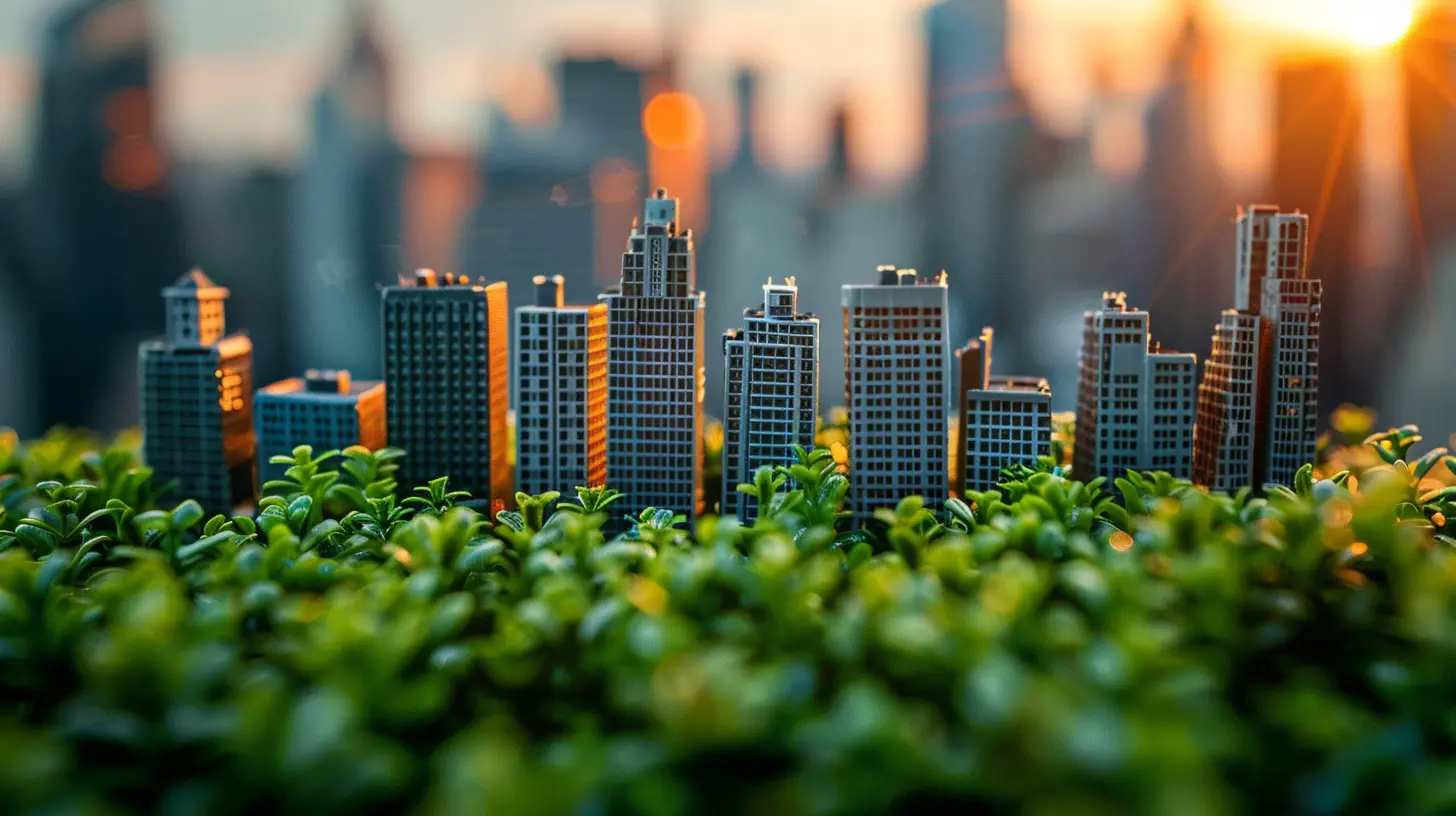
The days of soulless concrete jungles are fading. Real estate developments are now incorporating urban farms, rooftop gardens, and vertical forests. Who needs a backyard when your apartment building grows its own tomatoes?
3. Changing Workspaces: The Rise of Remote Work
Remember when working from home was a rare privilege? Now, it’s a way of life. And that’s seriously shaking up real estate.Home Offices Are a Must-Have
Forget the guest room—people now want dedicated home offices. A tiny desk in the corner of the kitchen won’t cut it anymore. Future homes must include soundproof workspaces, high-speed internet, and a background that screams "professional" during Zoom calls.Co-Working Spaces in Residential Developments
Developers are catching on, creating residential buildings with shared office spaces, conference rooms, and high-tech amenities. It’s like having a WeWork in your lobby—minus the overpriced coffee.Corporate Real Estate: The Shift to Flexible Workspaces
With remote work booming, companies are slashing office space. Instead of giant corporate HQs, businesses are opting for flexible leasing options, co-working hubs, and hybrid work models. This means commercial real estate is evolving into a dynamic and adaptive sector.
4. Demographic Shifts: Who’s Buying What and Where?
Real estate trends are all about who’s buying and where they want to live. Spoiler: It’s not always where you’d expect.Millennials and Gen Z: The New Home Buyers
Millennials spent years renting, eating avocado toast, and blaming the housing crisis on boomers. But now, they’re finally buying homes—though they’re prioritizing affordability, sustainability, and tech features over McMansions.Meanwhile, Gen Z is skipping the whole “rent forever” thing and diving straight into homeownership. They’re looking for smart investments, walkable neighborhoods, and places with solid WiFi (a non-negotiable).
The Rise of Suburban and Secondary Markets
Big cities used to be the dream, but thanks to remote work and skyrocketing prices, more people are moving to secondary markets—smaller cities with lower costs and better quality of life. Think less NYC, more Austin or Nashville.5. Government Policies and Regulations
Government policies can make or break real estate development. From zoning laws to tax incentives, these regulations shape the market.Affordable Housing Initiatives
Housing affordability is a hot topic, and governments are stepping in with programs to build more affordable housing. Expect more mixed-income developments, rent control policies, and incentives for developers who prioritize affordability.Smart City Initiatives
Cities are becoming smarter—literally. Governments are investing in smart city technologies, integrating data-driven infrastructure, and pushing for sustainable urban planning. The future looks like a mix of high-speed internet, smart traffic systems, and city-wide sustainability efforts.Stricter Building Codes
With climate concerns growing, governments are tightening building codes. Developers must meet energy efficiency standards, earthquake-resistant designs, and hurricane-proof structures. Basically, modern buildings are turning into fortresses.
6. Inflation and Economic Trends
The real estate market doesn’t exist in a vacuum—it’s influenced by economic trends, interest rates, and whatever chaos the global economy decides to throw our way.Interest Rates and Mortgage Trends
When interest rates go up, mortgages get pricier, making homebuying less affordable. When they go down, it’s a house-hunting frenzy. The future of real estate depends largely on how central banks handle interest rates.Cost of Construction Materials
Supply chain disruptions, inflation, and material shortages are making construction more expensive. Steel, lumber, and labor costs are through the roof—literally. This means developers must get creative with materials and methods to keep prices in check.Final Thoughts
Real estate development isn't just about buying land and throwing up a few buildings anymore. It’s about adapting to technology, sustainability, economic shifts, and changing consumer demands.Whether it's smart homes, AI-driven real estate trends, or suburban migration—one thing’s for sure: the future of real estate is as unpredictable as a bidding war on a house with a decent backyard. If you're in the industry, buckle up. If you're buying a home, keep an eye on these trends (and maybe start saving for that smart refrigerator).
all images in this post were generated using AI tools
Category:
Real Estate DevelopmentAuthor:

Mateo Hines
Discussion
rate this article
1 comments
Judith McKibben
Exciting insights! Looking forward to seeing how these factors reshape our communities.
August 8, 2026 at 3:40 AM