Mixed-Use Developments: The Future of Urban Living?
3 December 2025
Urban living is changing—and fast. Gone are the days when a city was simply a patchwork of residential, commercial, and industrial zones. Instead, we are stepping into the era of mixed-use developments, where everything you need is just a short walk or elevator ride away.
But what exactly are mixed-use developments, and why are they making waves in modern city planning? More importantly, are they the future of urban living? Let’s dive in.
What Are Mixed-Use Developments?
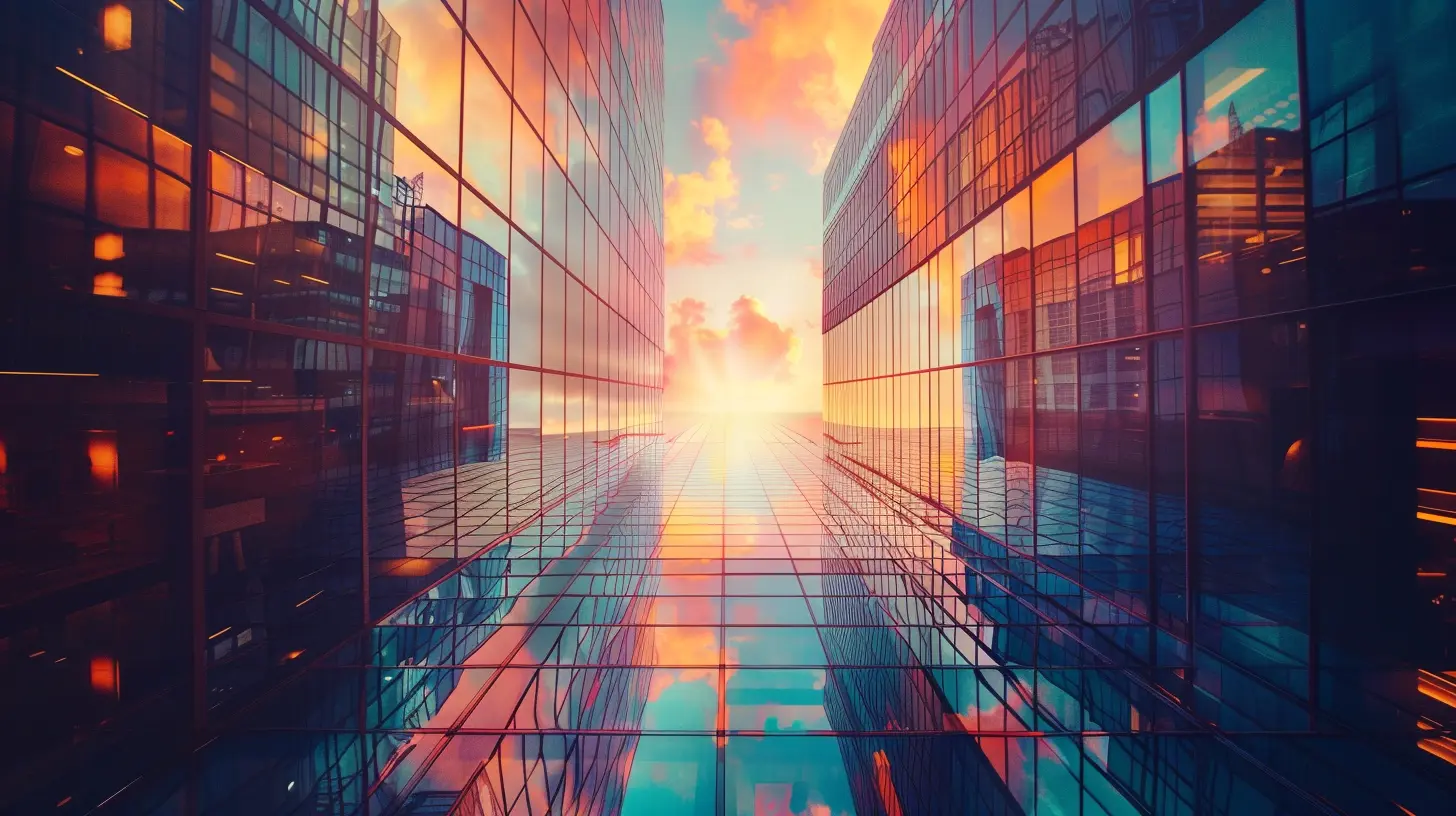
Mixed-use developments (MUDs) are exactly what they sound like—spaces that combine different types of land uses within a single area. Think residential apartments stacked above a coffee shop, a gym next to an office space, or a shopping center integrated with green parks and community hubs.These developments blur the traditional boundaries between work, play, and home, creating more convenient, connected, and vibrant neighborhoods.
Types of Mixed-Use Developments
Not all mixed-use projects look the same. They vary in scale, design, and functionality. Here are a few types you might come across:1. Horizontal Mixed-Use Developments – These span multiple buildings, such as an open-air shopping district with housing units nearby.
2. Vertical Mixed-Use Developments – These structures stack different uses in a single building, like condominiums above retail shops.
3. Live-Work-Play Communities – These developments integrate residential, commercial, and recreational spaces, making it possible to live, work, and unwind in one location.
Why Are They Gaining Popularity?
The rise of mixed-use developments isn't just a real estate trend—it's a response to modern lifestyle changes. People are seeking convenience, sustainability, and better community integration. Here’s why these developments are making a significant impact:1. Convenience at Its Best
Ever imagined grabbing your morning coffee, hitting the gym, and commuting to work—all without ever getting in your car? Mixed-use developments make that a reality. With everything in close proximity, the daily grind becomes smoother, saving time, energy, and unnecessary travel.2. Walkability and Reduced Traffic
Let’s be honest—sitting in traffic is no one’s idea of fun. With mixed-use communities, people can walk or bike to work, restaurants, and stores, reducing the need for cars. This helps cut down on congestion and lowers pollution levels. A win-win, right?3. Stronger Sense of Community
Traditional city layouts often separate residential and commercial areas, making neighborhoods feel isolated. But mixed-use developments foster social interaction. Whether it's bumping into a neighbor at the grocery store or attending a rooftop workout session, these spaces naturally bring people together.4. Sustainability Factor
With urbanization increasing, cities are under pressure to use land more efficiently. Mixed-use developments promote a compact design, reducing urban sprawl and the environmental impact associated with it. They also encourage green spaces and energy-efficient building designs, making them a sustainable choice for the future.5. Economic Benefits
These developments boost local economies. Small businesses thrive when they’re surrounded by residents and office workers who provide a steady stream of customers. Additionally, property values in well-planned mixed-use areas tend to increase, making them great investments.
Challenges of Mixed-Use Developments
Of course, no concept is without its challenges. While mixed-use developments offer numerous benefits, they also come with some hurdles:1. Zoning and Regulatory Issues
Many cities have outdated zoning laws that separate residential and commercial areas. Developers need special permissions to create mixed-use spaces, which can slow down projects.2. Noise and Privacy Concerns
Living over a bustling restaurant or busy office space isn't for everyone. Mixed-use buildings need thoughtful design to ensure noise control and privacy for residents.3. Higher Development Costs
Because mixed-use projects require diverse infrastructure and amenities, they often cost more to develop. Developers must also balance the mix of residential, retail, and office spaces to ensure profitability.4. Parking and Traffic Management
While mixed-use communities promote walkability, cars haven't disappeared just yet. Ensuring enough parking and managing vehicle access can be tricky, especially in high-density areas.
Are They Truly the Future of Urban Living?
While mixed-use developments aren't a one-size-fits-all solution, they certainly align with modern urban trends. As cities grow, the demand for housing, workspaces, and amenities in close proximity will only increase.The appeal of a "15-minute city" (where everything you need is within a 15-minute walk or bike ride) is a testament to this growing preference for convenience, sustainability, and community-focused design.
That said, proper planning and execution are key. Not every neighborhood can or should be turned into a mixed-use space. Factors like infrastructure, demand, and cultural dynamics must be considered to ensure long-term success.
Conclusion
Mixed-use developments are reshaping the way we think about city living. They prioritize walkability, convenience, sustainability, and social interaction, making them an attractive option for modern urban dwellers. While there are a few challenges along the way, the overall trend suggests that these multi-functional spaces are not just a passing fad—they’re a glimpse into the future of urban life.Would you consider living in a mixed-use community? With the rapid pace of urban evolution, chances are you might already be!
all images in this post were generated using AI tools
Category:
Real Estate DevelopmentAuthor:

Mateo Hines
Discussion
rate this article
2 comments
Clementine Johnson
Mixed-use developments enhance urban living by combining convenience, community, and sustainability in vibrant environments.
December 6, 2025 at 5:38 AM
Mateo Hines
Thank you! I completely agree—mixed-use developments truly transform urban spaces by fostering community connections and promoting sustainable living.
Rhett McLain
Mixed-use developments are undoubtedly shaping the future of urban living. They enhance community engagement, reduce travel time, and foster sustainability. Embracing this trend is essential for vibrant, livable cities. The future is here.
December 4, 2025 at 7:18 PM
Mateo Hines
Thank you for your insightful comment! I completely agree that mixed-use developments are key to creating vibrant, sustainable urban environments. Embracing this trend will indeed shape our cities for the better.