Navigating the Financing Process for a New Construction Home
26 June 2026
Buying a home is a massive financial decision, but things get a little more complicated when you decide to build a brand-new one from scratch. Unlike purchasing a pre-existing home, where traditional mortgages typically suffice, new construction financing comes with its own set of rules, challenges, and opportunities.
If you're thinking about building your dream home, understanding the financing process is key to avoiding stress and financial pitfalls. Let’s break it down into simple steps so you know exactly what to expect.

Understanding How New Construction Financing Works
Unlike a typical home purchase where you secure a standard mortgage, financing a new construction home involves multiple stages. Since the home hasn’t been built yet, lenders take on more risk, which means stricter requirements and different loan structures.There are two main options when it comes to financing a new build:
1. Construction Loans – Short-term loans that cover the cost of building the home.
2. Construction-to-Permanent Loans – A single loan that converts into a traditional mortgage after construction.
Each loan type comes with its own benefits and considerations, so let’s take a closer look.
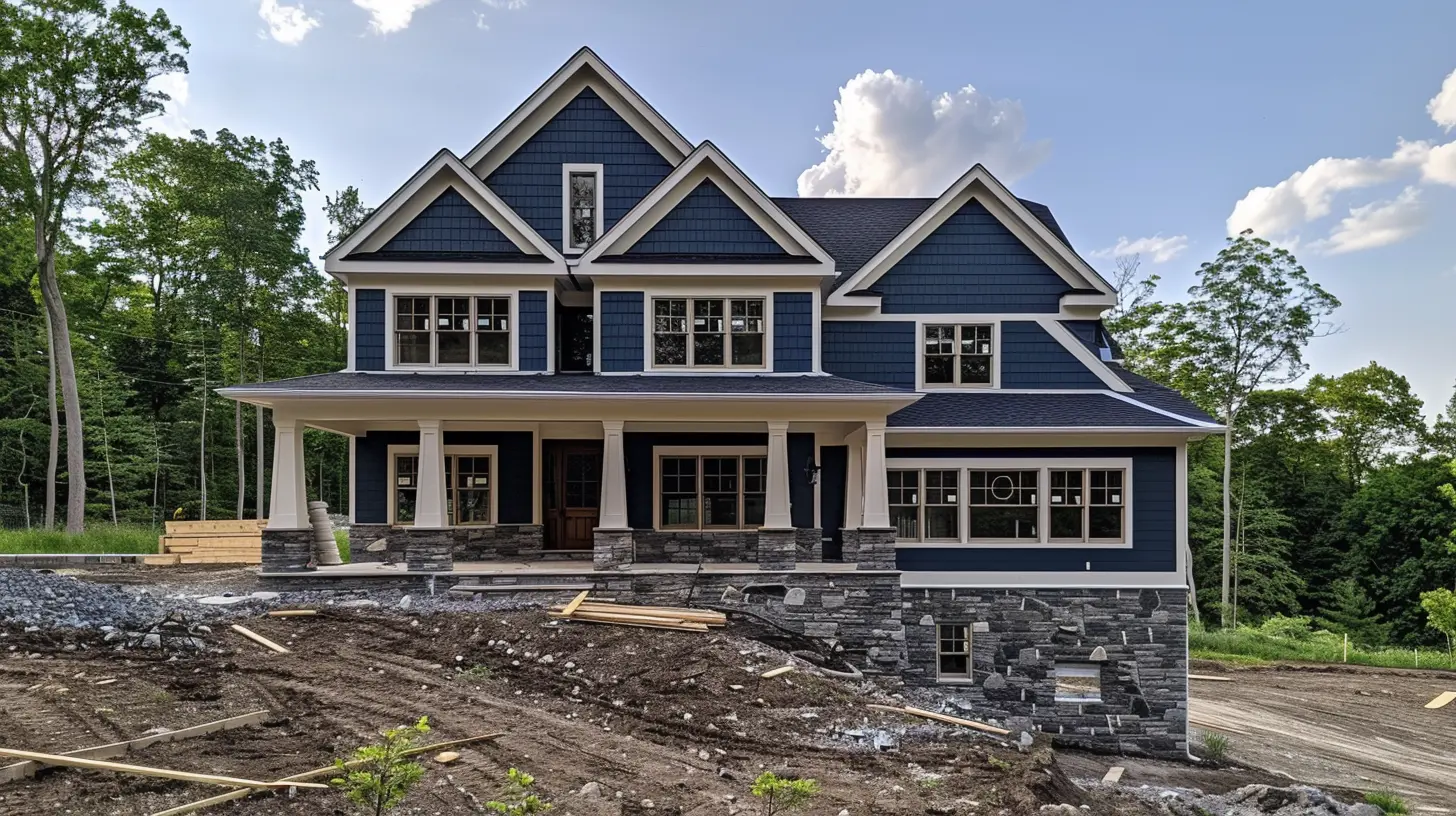
Option 1: Construction Loans (Short-Term Financing)
A construction loan is a short-term loan (usually 12–18 months) that provides the necessary funds to build a home. It typically has higher interest rates than a traditional mortgage because the risk for lenders is greater.Key Features of a Construction Loan
- Funds Are Disbursed in Stages – Instead of receiving a lump sum, the lender releases funds in stages, also known as “draws,” based on the progress of construction.- Interest-Only Payments – During the construction phase, you usually make interest-only payments on the amount you’ve borrowed so far.
- Final Conversion or Refinancing – Once construction is complete, you must either convert the loan into a standard mortgage or refinance into a conventional home loan.
✅ Best for: Buyers who don’t mind applying for a separate mortgage after construction is finished.

Option 2: Construction-to-Permanent Loans
A construction-to-permanent loan starts as a construction loan and then automatically converts into a traditional mortgage once the home is completed. This option eliminates the need for multiple loan applications and closing costs.How It Works
1. During Construction: The lender disburses funds in stages, similar to a traditional construction loan.2. Interest-Only Payments: You pay interest only on the amount that has been used during the build.
3. Post-Construction Transition: Once the home is complete, the loan automatically transitions into a long-term mortgage with fixed monthly payments.
✅ Best for: Buyers who want a streamlined process with the security of a long-term mortgage in place from the start.

Steps to Secure Financing for a New Construction Home
Now that you understand your loan options, let’s go over the steps to secure financing for your new construction home.1. Check Your Credit Score & Financial Health
Your credit score plays a big role in whether you qualify for a construction loan. Since lenders view construction loans as riskier, they often require a higher credit score (typically 680 or higher).? Pro Tip: Before applying for a loan, pay off outstanding debts, avoid taking on new credit, and check your credit report for any inaccuracies.
2. Determine Your Budget
Before seeking financing, you need a clear understanding of your total budget. This includes:- Land purchase cost (if applicable)
- Construction costs
- Permit fees
- Additional expenses like landscaping or interior finishes
Having a solid budget helps prevent unexpected financial surprises along the way.
3. Find a Reputable Lender
Not all lenders offer construction loans, so you’ll need to find one that specializes in new home builds. Consider researching banks, credit unions, and mortgage brokers to compare loan terms, interest rates, and down payment requirements.? Key Tip: Work with a lender experienced in construction financing—they’ll help you navigate the complex process more smoothly.
4. Get Pre-Approved
A pre-approval helps you understand how much you’re eligible to borrow, making it easier to plan your dream home accordingly. Lenders will assess:- Your income, debt, and credit history
- Down payment amount (often 20-25%)
- Your financial stability
Having a pre-approval also makes builders more confident in working with you since they know financing won’t fall through.
5. Choose Your Builder & Finalize Plans
Once pre-approved, it's time to find a licensed builder and finalize your home’s floor plan, design, and materials. Most lenders will require you to work with a certified contractor rather than attempting a DIY build.? Important: Your lender will likely want to review your builder’s credentials, contract, construction timeline, and estimated costs before approving the loan.
6. Loan Approval & Closing
After choosing your builder and submitting all necessary documents, your lender will finalize the loan approval. This includes an appraisal to estimate the future value of the completed home.Once approved, closing takes place, and funds are disbursed in stages as construction progresses.
7. Construction Begins – Understanding Loan Draws
When construction kicks off, funds are released in draws as different stages of the home are completed. The lender may send an inspector to verify that work is progressing as planned before each draw is approved.Typically, loan draws occur at these major milestones:
- Land preparation and foundation
- Framing and structural elements
- Roofing, plumbing, and electrical work
- Interior finishing and final touches
Throughout this process, you’ll continue making interest-only payments on the funds that have been drawn.
8. Transition into a Mortgage
If you opted for a construction-to-permanent loan, your loan will automatically convert into a standard mortgage once the home is completed. If you took a standalone construction loan, now is the time to secure long-term financing.At this stage, you’ll begin making regular monthly mortgage payments, just like any other homeowner.
Tips for a Smooth Financing Process
- Save for a Larger Down Payment – A bigger down payment can increase your chances of loan approval and help you secure better interest rates.- Work with Experienced Professionals – A knowledgeable lender and reputable builder can make or break your experience.
- Prepare for Unexpected Costs – Construction projects often go over budget, so having a financial cushion is essential.
- Stay Involved in the Process – Regularly check in with your builder to ensure everything is on track and within budget.
Final Thoughts
Financing a new construction home may feel overwhelming at first, but with the right knowledge and preparation, you can navigate the process with confidence. By understanding your loan options, securing pre-approval, and working with experienced professionals, you'll be well on your way to building the home of your dreams.Ready to take the next step? Start by assessing your finances, researching lenders, and choosing a builder that aligns with your vision. With the right approach, your dream home is closer than you think!
all images in this post were generated using AI tools
Category:
New ConstructionAuthor:

Mateo Hines
Discussion
rate this article
1 comments
Henry McPhail
Understanding financing transforms dreams into reality.
July 12, 2026 at 2:20 AM
Mateo Hines
Absolutely! When you grasp financing, you can turn your vision of a new home into something tangible.