Preparing Your Home for the Energy Efficiency Standards of 2027
2 September 2026
The residential energy landscape is shifting beneath our feet, and the target date of 2027 is closer than it appears. For most homeowners, the conversation about energy efficiency has historically been optional, a matter of reducing utility bills or chasing rebates. That is changing. The standards arriving in 2027 are not merely incremental adjustments to appliance ratings or insulation guidelines. They represent a fundamental rethinking of how a home consumes, stores, and generates energy. If you own a home built before 2010, or even one built in the last five years, the decisions you make now will determine whether your property appreciates in value or becomes a financial liability.
This is not a column about doom. It is a practical guide for navigating a transition that is already underway. The homes that will fare best in 2027 are not necessarily the most expensive ones. They are the ones where owners made deliberate, informed choices about building science, mechanical systems, and energy sourcing. Let us walk through what is actually coming, what it means for your specific situation, and how to prepare without falling for the expensive myths that plague this industry.

What the 2027 Standards Actually Change
The first thing to understand is that the 2027 standards are not a single regulation. They are a convergence of several forces: updated building codes from the International Energy Conservation Code (IECC), stricter appliance efficiency mandates from the Department of Energy, and a growing number of state-level carbon reduction targets that are being written into law. The result is that a home in 2027 will be judged not just on how much energy it uses, but on how well it manages that energy across a full day, including peak demand periods.The most significant shift involves the concept of the "load flexibility" of a home. In the past, an efficient home was one that used less energy. In 2027, an efficient home will be one that uses less energy and can shift its energy consumption to times when electricity is cheaper and cleaner. This means your water heater, your electric vehicle charger, your heat pump, and even your smart thermostat will need to communicate with each other and, potentially, with your utility. Homes that cannot do this will face higher rates under time-of-use pricing structures, which are becoming standard in many regions.
Another critical change is the near-total elimination of natural gas in new construction in several states, and a strong push toward retrofitting existing homes to be "electric-ready." This does not mean you will be forced to rip out your gas furnace tomorrow. But it does mean that when that furnace fails in 2028, the replacement options that meet code will be electric heat pumps, and the electrical panel in your home will need to handle the load. Many homeowners are discovering too late that their 100-amp service is insufficient for a heat pump, an induction range, and a dryer running simultaneously.
The Electrical Panel: The Unseen Bottleneck
If there is one component that will define the success or failure of your 2027 preparation, it is the electrical panel. Most homes built before 2000 have a 100-amp or even 60-amp service. A modern all-electric home with a heat pump, heat pump water heater, electric vehicle charger, and induction cooktop can easily require 200 amps, and sometimes more if you add solar and battery storage.The mistake many homeowners make is waiting until they are ready to install a new appliance before upgrading the panel. This creates a cascade of costs and delays. A panel upgrade is not glamorous, but it is the foundation upon which everything else is built. If you are planning any major renovation in the next three years, do the panel first. The cost, typically between two and five thousand dollars depending on your region and the condition of your service entrance, will be far higher if you are forced into an emergency replacement during a heat wave when every electrician in town is booked.
There is also a newer option called a "load management" system, sometimes marketed as a smart panel. These devices, like the SPAN panel or the Lumin system, allow you to keep your existing 100-amp service by intelligently shedding loads. For example, if you are charging your car and running the dryer, the system will briefly pause the car charger for a few minutes. This is a legitimate solution for homes where a full panel upgrade is physically difficult or prohibitively expensive. However, it is not a magic bullet. These systems add complexity, and if you plan to add solar and a large battery later, a 200-amp panel is still the more straightforward and robust choice.

Insulation and Air Sealing: The Uncomfortable Truth
You cannot manage energy efficiently if the building envelope is leaking. This is the least glamorous, least interesting part of home preparation, and it is the one that delivers the highest return on investment. The 2027 standards will effectively eliminate the practice of "venting" attics in cold climates, pushing builders and renovators toward sealed or conditioned attics where the insulation is applied to the roofline rather than the attic floor.For existing homes, the priority is not adding more insulation blindly. It is air sealing first. A home with R-60 insulation in the attic but significant air leaks around plumbing penetrations, recessed lighting, and the top plate of the walls will perform worse than a home with R-30 insulation that is perfectly sealed. The reason is simple: air moves heat, and it carries moisture. Insulation slows conductive heat transfer, but it does nothing to stop convection. If you have a leaky home, you are literally heating and cooling the outdoors.
The practical advice here is to commission a blower door test before you spend a single dollar on new windows or a new furnace. A blower door test, which depressurizes your home and measures air changes per hour, will tell you exactly where the leaks are. In older homes, the typical culprit is the rim joist in the basement, where the floor framing meets the foundation wall. Sealing that area with expanding foam and rigid insulation is a weekend project that can reduce your heating load by ten to fifteen percent.
Do not make the common mistake of assuming that replacing windows is the best investment. Windows are expensive, and the energy savings are often modest compared to air sealing and insulation. If your windows are single-pane and drafty, yes, replace them. But if they are double-pane and in decent condition, the payback period for new triple-pane windows will likely be longer than the life of the mortgage. Focus on the attic, the basement, and the penetration points first.

Heat Pumps: The New Baseline
By 2027, the heat pump is not a niche product for the eco-conscious. It is the default heating and cooling system for residential buildings. The technology has matured significantly in the last decade. Modern cold-climate heat pumps, particularly those using variable-speed compressors and inverter-driven fans, can maintain full heating capacity down to five degrees Fahrenheit or lower. They are no longer the "heat pumps that blow cold air" of the 1990s.The key decision you face is whether to do a full replacement of your fossil fuel system now, or to wait. If your current gas furnace is less than five years old, the most sensible approach is to keep it as a backup and install a heat pump as the primary system. This is called a "hybrid" or "dual-fuel" configuration. The heat pump handles the mild and moderate weather, and the gas furnace kicks in only during the coldest weeks. This is often the most cost-effective approach because it avoids the high cost of electricity during peak winter demand while still reducing your overall carbon footprint.
If your furnace is old and nearing the end of its life, do not replace it with another gas furnace. The economics of gas are worsening. The federal government has proposed efficiency standards that would effectively ban the sale of non-condensing gas furnaces, and several states are moving toward carbon fees that will make gas significantly more expensive. A heat pump, paired with a properly sized backup resistance heater for extreme cold, is the safer bet.
One critical nuance: sizing. Most contractors use "rule of thumb" sizing, which leads to oversized equipment. An oversized heat pump short-cycles, meaning it turns on and off frequently, which wastes energy and reduces comfort because it cannot dehumidify properly. Insist on a Manual J load calculation, which is a detailed assessment of your home's heat loss and gain based on its construction, orientation, and local climate. A good contractor will take several hours to do this. If a contractor gives you a quote in twenty minutes without measuring your windows or inspecting your insulation, find another contractor.
Water Heating: The Second Largest Energy User
After space heating and cooling, water heating is the biggest energy consumer in most homes. The 2027 standards will effectively require heat pump water heaters for all new residential construction, and the retrofits will follow. A heat pump water heater does not generate heat with electric resistance coils. Instead, it moves heat from the surrounding air into the water. It is essentially an air conditioner running in reverse, and it is two to three times more efficient than a conventional electric water heater.The challenge is where to put it. Heat pump water heaters draw heat from the ambient air, so they need to be installed in a space that has enough volume and airflow. A small, closet-like utility room will not work unless you add a louvered door or a ventilation duct. They also produce a small amount of noise, similar to a refrigerator, and they cool the air in the room where they are located. In a warm climate, that is a benefit. In a cold basement in Minnesota, it means the unit will work harder in the winter.
There is also the question of recovery time. Heat pump water heaters are slower to heat a full tank than resistance heaters. If you have a family of five and you all shower in the morning, you will need a larger tank, typically 80 gallons, or a hybrid model that has a resistance element as a boost. The trade-off is worth it: the energy savings are substantial, and many utilities offer rebates that bring the installed cost close to that of a conventional unit.
Solar and Storage: A Strategic, Not Emotional, Decision
The push toward electrification creates a logical partner in rooftop solar. If you are going to run your car, heat your home, and heat your water with electricity, you want to control the price of that electricity. Solar panels have dropped in price dramatically, but the economics are highly location-dependent.The mistake many homeowners make is installing solar without first reducing their overall energy load. If you have a leaky house and an old electric resistance water heater, you will need a massive solar array to cover your usage, which is wasteful. The correct sequence is: seal and insulate, upgrade to heat pumps, then size your solar array based on your new, lower consumption. This approach allows you to buy a smaller, cheaper array, and it ensures that your solar production covers a higher percentage of your total usage.
Battery storage is a more nuanced decision. In 2023 and 2024, batteries were often a poor financial investment unless you had frequent power outages or lived in a state with favorable net metering policies that were about to change. By 2027, that calculus will shift. As utilities move to time-of-use rates, a battery allows you to charge at night when electricity is cheap and discharge during the evening peak when it is expensive. This is called "arbitrage," and it is becoming more valuable every year.
If you are considering a battery, look for one that is AC-coupled, meaning it can be added to an existing solar system without replacing the inverter. Also, consider the round-trip efficiency, which is the percentage of energy you get back from the battery compared to what you put in. Good lithium-ion batteries have a round-trip efficiency of around ninety percent. Anything below eighty-five percent is not worth the investment.
Smart Home Integration: Practicality Over Novelty
The 2027 standards will not require you to have a smart home, but they will reward you for it. The ability to automate your energy consumption is becoming a key factor in utility rate structures. For example, some utilities are piloting "demand response" programs where they pay you to let them remotely adjust your thermostat or pre-cool your home during a heat wave. These programs are voluntary, but they offer significant bill credits.The practical approach is to start with a smart thermostat, which is now cheap and easy to install. The next step is a smart water heater controller, which can shift your water heating to off-peak hours. Finally, consider a smart electrical panel if you are doing a major renovation. The key is to avoid buying a dozen different apps and devices that do not talk to each other. Look for products that support the Matter standard or are compatible with a major platform like HomeKit or Google Home. The goal is simplicity. A system that requires you to fiddle with it daily will be abandoned within a month.
Common Mistakes and Misconceptions
One of the most persistent misconceptions is that energy efficiency is only for the wealthy. This is false. The most effective measures, such as air sealing, attic insulation, and a heat pump water heater, are often the least expensive and have the shortest payback periods. The expensive items, like solar panels and batteries, should be considered later, after the "load reduction" work is done.Another mistake is chasing rebates without understanding the total cost. A rebate is only useful if the underlying product is appropriate for your home. I have seen homeowners install a heat pump water heater in a tiny, unventilated closet because the rebate was generous, only to find that the unit runs constantly and the room becomes freezing. The rebate does not fix the comfort problem.
A third mistake is ignoring the maintenance aspect of new systems. Heat pumps are not "set and forget" appliances. They have filters that need to be cleaned, coils that need to be inspected, and refrigerant levels that need to be checked. A poorly maintained heat pump will lose efficiency quickly. Budget for an annual tune-up, just as you would for a furnace.
The Financial and Market Implications
The value of an energy-efficient home is not just in lower bills. It is in marketability. Appraisers are beginning to use tools that incorporate energy performance into home valuations. A home with a high HERS index, which is a measure of energy efficiency, will appraise for more than an identical home with poor performance. This is not speculative; it is already happening in states with strong energy codes.There is also the matter of insurance. Some insurers are starting to offer discounts for homes with certain resilience features, such as solar plus storage, because those homes can maintain power during grid outages. Conversely, homes that are all-electric but poorly insulated may face higher premiums because the risk of frozen pipes and system failures increases.
If you are planning to sell your home before 2030, the energy upgrades you make now are not just improvements. They are competitive advantages. A buyer in 2027 will look at a home with a gas furnace and a 100-amp panel as a liability, a future expense of tens of thousands of dollars. A home with a heat pump, a 200-amp panel, and a sealed attic will be seen as move-in ready.
A Practical Timeline
If you want to prepare systematically, here is a realistic timeline. In the next six months, schedule a home energy audit. This should include a blower door test, a thermal imaging scan, and an inspection of your insulation and ventilation. Use this audit to create a prioritized list of improvements.In the first year, complete the air sealing and insulation work. Upgrade your electrical panel if you know you will need it. Replace your water heater with a heat pump model if your current unit is approaching the end of its life.
In the second year, replace your heating and cooling system with a heat pump. This is the most expensive item, and it makes sense to do it after the envelope is tightened, so you can purchase a smaller, cheaper unit. Add a smart thermostat and a water heater controller.
In the third year, evaluate solar and storage. By this point, your baseline consumption will be lower, and you will have a clear picture of your daily and seasonal usage patterns. Size the array to cover eighty to one hundred percent of your annual usage, and add a battery only if the payback period in your area is under ten years.
Final Thoughts
The 2027 standards are not a distant threat. They are a deadline for a transition that many of us have been postponing. The good news is that the path forward is well understood. It does not require experimental technology or heroic sacrifices. It requires discipline, a willingness to invest in unglamorous improvements first, and a clear-eyed view of the long-term economics.The home you prepare today will not just be more efficient. It will be more comfortable, more resilient, and more valuable. The effort you put in now is a form of protection against a future of volatile energy prices and changing regulations. That is not a bad trade.
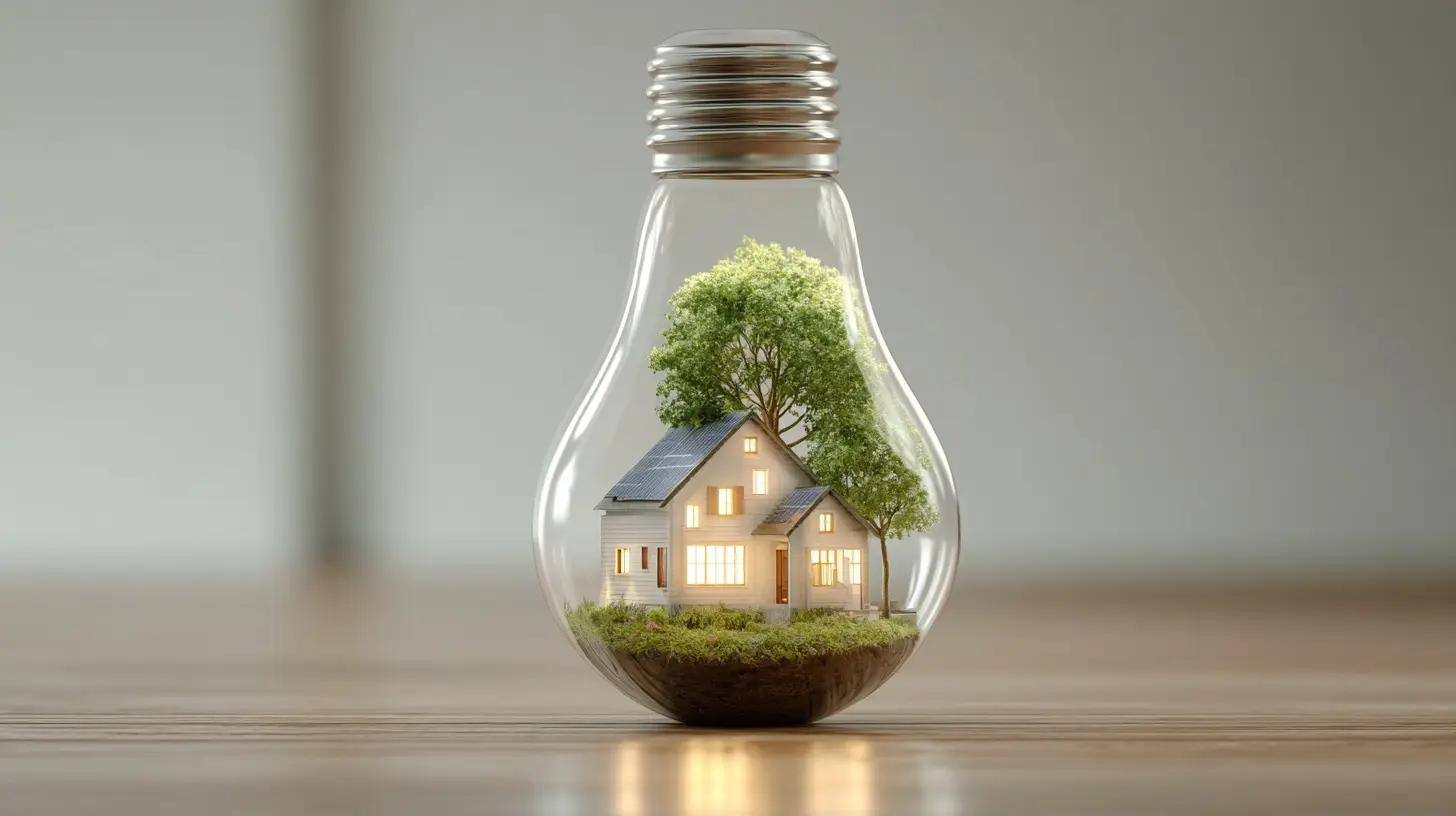
all images in this post were generated using AI tools
Category:
Home Energy EfficiencyAuthor:

Mateo Hines
Discussion
rate this article
1 comments
Winter Marks
Great insights in this article! Preparing for the 2027 energy efficiency standards can feel overwhelming, but it's a smart move for our homes and the planet. Small changes now can make a big difference later. Let's embrace these upgrades together!
September 16, 2026 at 3:12 AM
Mateo Hines
Thanks for your thoughts! You're right-small steps today can lead to big benefits for our homes and the environment in the future. Let's get started!