Reshaping Suburbs: How Developers Are Addressing the Housing Shortage
18 June 2026
Housing is one of the biggest challenges facing modern society. With home prices skyrocketing and urban areas bursting at the seams, the suburbs are stepping up as the next battleground for affordable, sustainable housing.
But how are developers tackling this crisis? Are they creating sprawling cookie-cutter neighborhoods, or is there a smarter way to reshape the suburbs? Buckle up because we're about to dive deep into the strategies shaping the future of suburban living. 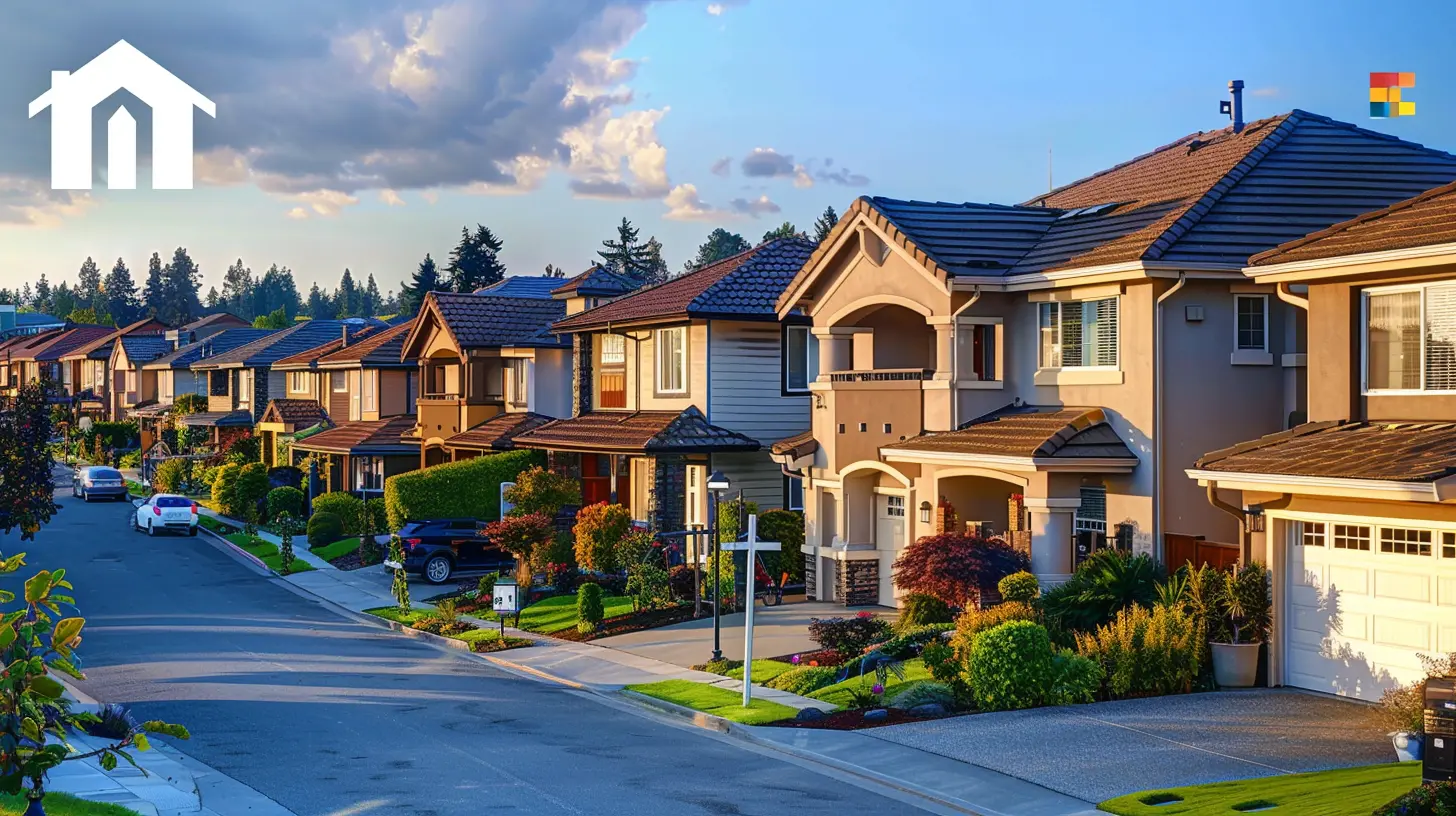
The Housing Shortage: A Crisis Decades in the Making
Let’s get real—housing shortages didn’t just appear overnight. For years, demand has outpaced supply, and zoning laws, economic downturns, and a skyrocketing population have only made things worse.Why Are We Out of Homes?
1. Population Growth – More people need homes, but cities are running out of space.2. Zoning Laws – Many suburbs still operate on outdated regulations that prevent higher-density developments.
3. Labor & Material Costs – The price of building homes has shot through the roof, making it harder for developers to meet demand.
4. Investors & Short-Term Rentals – Cash-loaded investors are snapping up properties, making it even tougher for first-time buyers.
Sound like a mess? It is. But there’s hope. 
The Suburbs: The New Frontier for Housing Solutions
Cities have become unaffordable war zones for homebuyers. That’s why developers are shifting their focus to the suburbs. But they’re not just slapping up more single-family homes—they’re rethinking everything about suburban living.1. The Rise of Mixed-Use Developments
Gone are the days when suburbs were just endless rows of houses with nothing but a gas station and a strip mall in sight. Now, developers are blending residential, commercial, and recreational spaces to create self-sufficient communities.Think about it—you step outside your apartment and grab a coffee downstairs, walk to your co-working space, then hit the gym, all without needing a car. This is the "15-minute city" concept in action.
Why It Works
✔ Uses space efficiently✔ Reduces traffic congestion
✔ Encourages community interaction
✔ Makes life more convenient
Cities like Austin, Charlotte, and Denver are jumping on this trend, and it’s changing the game!
2. High-Density Living Without the Urban Chaos
For decades, suburban neighborhoods frowned on anything taller than two stories. But guess what? We’re seeing a rise in townhomes, duplexes, and mid-rise apartments that offer affordability while keeping that suburban feel.The Benefits of Higher Density
✔ More housing options = lower prices✔ Reduces urban sprawl
✔ Maximizes infrastructure efficiency
Developers are getting creative, fitting more homes into less space while still maintaining aesthetics, green spaces, and privacy.
3. Adaptive Reuse & Repurposing Dead Retail Spaces
You’ve seen them—those abandoned malls, empty office buildings, and ghost-town shopping centers. Instead of letting those spaces rot, developers are transforming them into vibrant residential hubs.Think about this: That old strip mall could become a stylish, affordable apartment complex with built-in amenities. It’s about rethinking what already exists instead of wasting more land on new developments.
Examples of Adaptive Reuse Projects
✔ Converting defunct malls into mixed-use developments✔ Transforming outdated office buildings into loft apartments
✔ Repurposing abandoned big-box stores into co-living spaces
This trend is not only solving housing issues but also revitalizing communities that have been stuck in decline for years.
4. Sustainable & Affordable Housing Solutions
Sustainability isn’t just a buzzword anymore—it’s a necessity. Developers are embracing eco-friendly housing that lowers costs while shrinking the carbon footprint.Game-Changing Strategies
✔ Prefabricated Homes – Faster, cheaper, and more energy-efficient.✔ Tiny Homes & ADUs (Accessory Dwelling Units) – Smaller, smarter living spaces.
✔ Green Building Materials – Solar panels, smart insulation, and recycled materials.
✔ Car-Free Communities – More walkability, bike lanes, and public transport access.
Sustainability isn’t just good for the planet—it’s good for your wallet too. Lower energy costs? Yes, please!
5. Public-Private Partnerships to Expedite Development
Let’s be honest—red tape kills good ideas. Bureaucratic delays often stall housing projects for years. But now, developers and local governments are teaming up to fast-track solutions.How Public-Private Partnerships Help
✔ Loosening zoning restrictions to allow higher density✔ Offering tax incentives for affordable housing projects
✔ Investing in infrastructure to support new communities
By working together, they’re cutting through the nonsense and getting houses built faster. 
What’s Next? The Future of Suburban Living
The suburbs are no longer just sleepy bedroom communities. They’re evolving into dynamic, thriving, affordable alternatives to overpriced urban centers.Key Predictions for the Future of Suburbs
? More Smart Cities – Tech-driven communities with high-speed internet, smart grids, and AI-driven services.? Greater Diversification – No more “one-size-fits-all” housing. Expect diverse options for every income level.
? More Walkability & Public Transport – Say goodbye to car dependency. Suburbs are becoming more pedestrian-friendly.
? Enhanced Community-First Planning – Social spaces, parks, and shared amenities will be the new standard.
The housing crisis isn’t unsolvable—it just needs bold new ideas and willingness to adapt. And guess what? That’s exactly what’s happening. 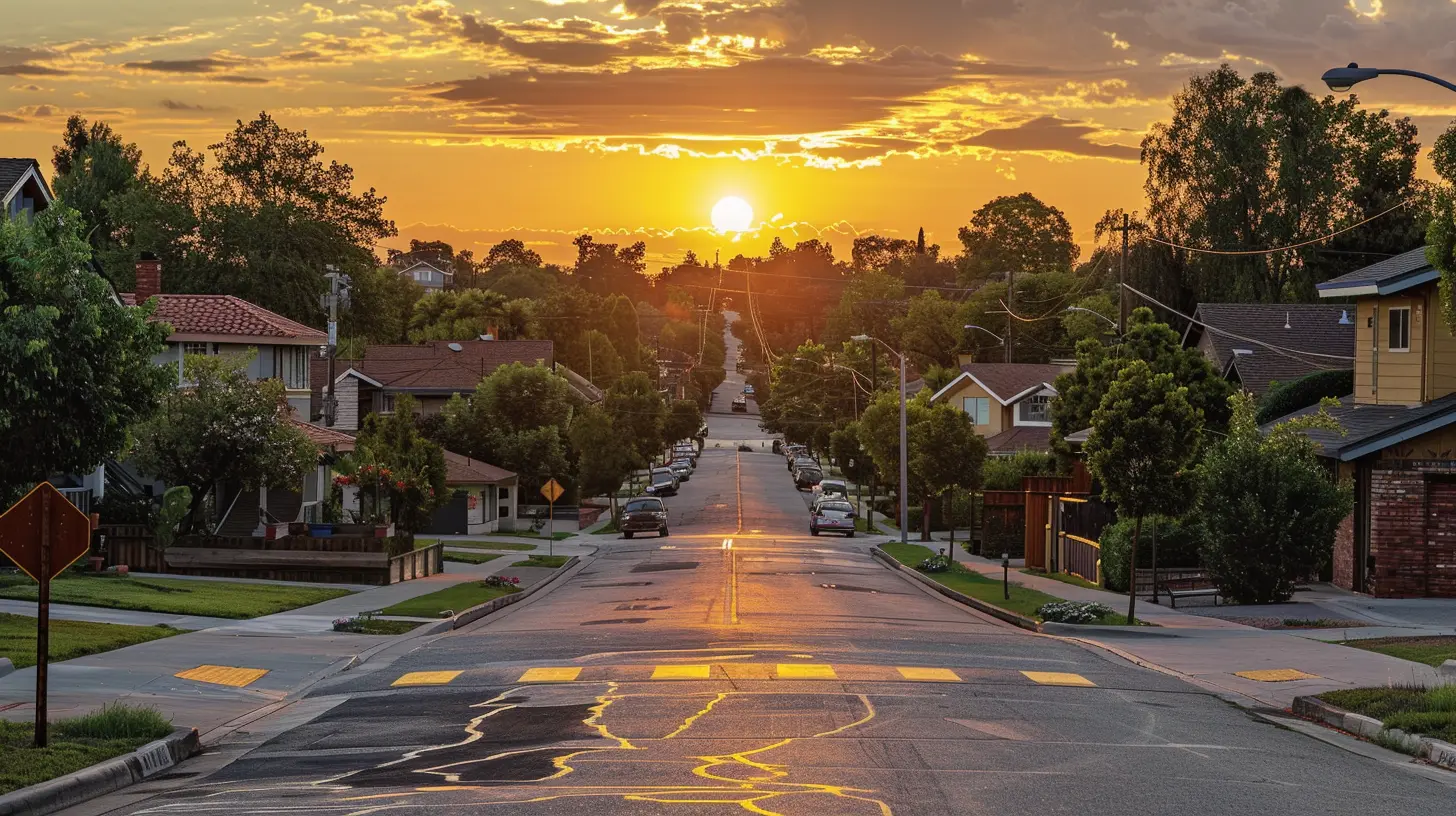
Final Thoughts: A New Era of Housing
Developers are turning the tide on the housing crisis by reshaping the suburbs into smarter, more efficient spaces. The days of cookie-cutter neighborhoods and endless urban sprawl are fading. In their place? Vibrant, affordable, and connected communities.So whether you’re a first-time homebuyer, a city dweller looking for more space, or just someone wondering where the future of housing is headed—keep your eyes on the suburbs. They’re not just growing; they’re evolving.
all images in this post were generated using AI tools
Category:
Real Estate DevelopmentAuthor:

Mateo Hines
Discussion
rate this article
1 comments
Kathleen McLaurin
It's crucial that developers innovate while respecting community needs. Sustainable designs and affordable options will define the future of suburban living. Let's embrace these changes.
June 19, 2026 at 2:23 AM