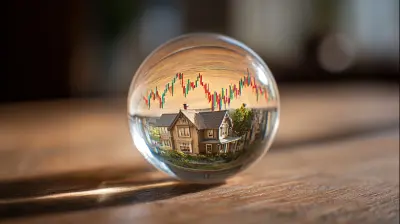
Signs the Real Estate Boom May End by 2026
8 September 2026
The residential real estate market has been on a remarkable run. Home prices in many regions have climbed to levels that would have seemed absurd a decade ago. Low interest rates, demographic tailwinds, and a persistent shortage of inventory have all fueled this expansion. But every cycle has a turning point, and a growing body of evidence suggests that the current boom may be losing its footing. By 2026, the conditions that have propped up prices could shift decisively, leaving buyers, sellers, and investors facing a very different landscape.
This is not a prediction of a crash on the scale of 2008. The dynamics today are different in important ways. However, the signs of a slowdown, or at least a significant price correction, are becoming harder to ignore. Understanding these signals now is not about timing the market perfectly. It is about preparing for a range of outcomes so that you are not caught off guard when the music stops.

The Affordability Ceiling Has Been Reached
The most fundamental pressure point is simple math. Home prices have risen far faster than household incomes for years. In the past, this gap was temporarily bridged by falling mortgage rates. When rates dropped from 6 percent to 3 percent, a buyer could afford a much more expensive home with the same monthly payment. That trick has been exhausted.Mortgage rates have climbed back to levels not seen in two decades. At the same time, prices did not fall to compensate. The result is that the monthly payment on a median-priced home now consumes a record share of median household income. This is not sustainable. When the cost of owning a home becomes prohibitive for the average family, demand naturally dries up. You can see this in the data on pending home sales, which have weakened considerably in many markets even when list prices remain stubbornly high.
The affordability ceiling does not just affect first-time buyers. It creates a chain reaction. Move-up buyers cannot sell their current home because the next home is too expensive. Empty nesters who want to downsize face the same issue. The entire transactional ecosystem slows down, and when transactions slow, price growth follows.

The Rental Market Is Sending Warning Signals
For years, the argument for buying a home was that renting was "throwing money away." That logic held when rents were rising steadily and mortgage payments were fixed. But the rental market is now showing cracks. In many metropolitan areas, asking rents have plateaued or even declined in real terms. New multifamily supply has come online in large quantities, especially in the Sun Belt, and landlords are offering concessions to fill units.When rents stagnate, the financial case for buying weakens. Investors who purchased single-family rentals or small multifamily properties during the boom are now facing cap rate compression. Their expenses for insurance, property taxes, and maintenance have risen, but their rental income has not kept pace. This forces them to either sell or raise rents, both of which put downward pressure on home values.
If you are a prospective buyer, watching rents flatten should make you reconsider the urgency of your purchase. The "buy now or be priced out forever" narrative loses its power when the alternative of renting becomes more attractive on a purely financial basis. The psychological shift that follows this realization is often the first domino to fall in a housing downturn.
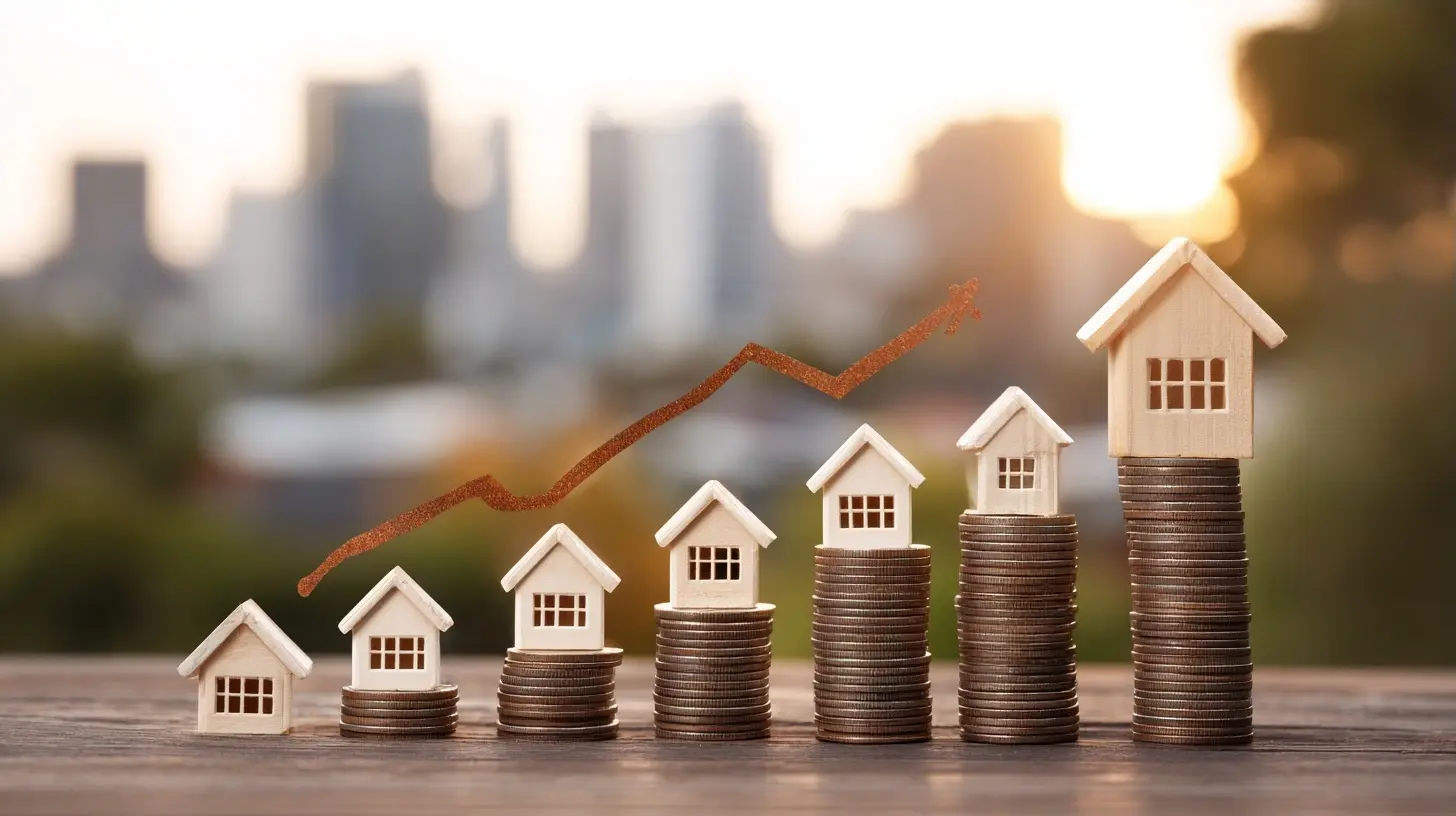
Institutional Buyers Are Pulling Back
During the boom, large institutional investors were a major source of demand. They bought thousands of single-family homes, often with cash, converting them into rentals. This activity removed inventory from the for-sale market and supported prices at the lower and middle ends.That dynamic is reversing. Institutional capital is becoming more cautious. The cost of debt has risen, making leveraged purchases less profitable. Regulatory scrutiny is increasing in some areas, with proposals to restrict large-scale corporate ownership of single-family homes. And the operational headaches of managing scattered-site rentals at scale have proven more difficult than many investors anticipated.
When institutions stop buying, the marginal buyer disappears. These investors were not sensitive to mortgage rates because they paid cash or used commercial financing. Their exit removes a significant source of demand that helped bid up prices in markets from Phoenix to Tampa. Individual buyers cannot absorb that slack, especially when they are already stretched thin by high rates and elevated prices.
The lesson here is that the composition of demand matters as much as the total volume. A market supported by owner-occupants with 20 percent down payments is much more stable than one supported by leveraged investors chasing yield. The current market has too much of the latter, and that is a vulnerability.
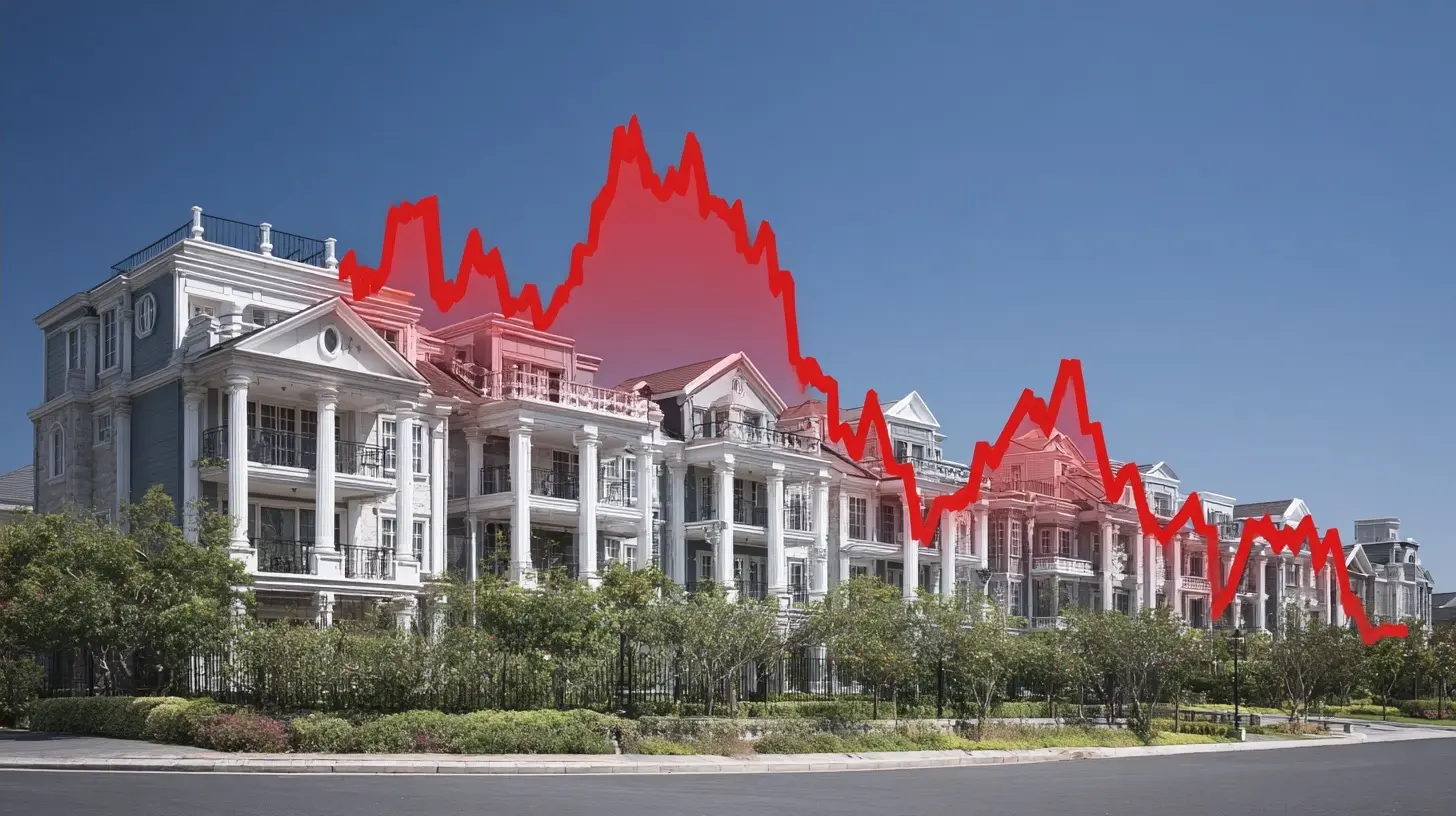
The Insurance Crisis Is a Structural Threat
One of the most underappreciated risks to the real estate boom is the rising cost and decreasing availability of homeowners insurance. This is not a temporary blip. Climate change has made extreme weather events more frequent and severe. Insurers have responded by raising premiums, restricting coverage, and in some cases pulling out of high-risk states entirely.In coastal Florida, Louisiana, and parts of California, homeowners are facing insurance costs that add hundreds of dollars to their monthly housing payment. This effectively functions like a second mortgage rate hike. Even if your mortgage payment stays the same, your total cost of ownership can rise to a point where you can no longer afford your home.
This issue is not confined to the coasts. Wildfire risk in the West, hail damage in the Plains, and flooding in the Midwest are all pushing insurers to reassess their exposure. As premiums rise, the perceived value of homes in these areas declines. Buyers will start to discount properties with high insurance costs, just as they discount homes with high property taxes.
The implications for the broader market are serious. If insurance costs continue to rise faster than incomes, homeownership becomes a liability rather than an asset in certain regions. This could trigger localized price declines that spread to nearby areas as buyers become more cautious about purchasing in any location with elevated risk.
Demographic Tailwinds Are Fading
The housing boom has been supported by the millennial generation entering their prime home-buying years. This is a real demographic wave, but it is cresting. The oldest millennials are now in their early forties, and most who are going to buy a home have already done so. The youngest millennials are in their late twenties and early thirties, but they are entering a much more difficult market than their older peers did.The generations behind them are smaller. Generation Z is numerically less significant, and they have shown different preferences regarding homeownership. They are more mobile, more urban, and more willing to rent for longer periods. Some of this is a response to economic conditions, but some of it reflects a genuine cultural shift away from the idea that owning a home is the ultimate marker of success.
Immigration has been a countervailing force, as newcomers often have higher rates of household formation and eventual homeownership. But immigration policy is uncertain, and the pace of new arrivals can change quickly with the political winds. If immigration slows, the demand for housing will weaken further.
When demographics turn against the market, the effects are slow but powerful. You do not see a sudden crash. Instead, you see a persistent softening of demand that makes it harder for prices to appreciate. Over time, that softening translates into flat or declining prices in real terms.
The Employment Picture Is More Fragile Than It Appears
Real estate is ultimately tied to jobs. People need stable income to buy homes and pay rent. The labor market has been remarkably resilient, but there are signs of strain. Unemployment remains low, but wage growth has slowed. Many sectors, particularly white-collar industries like technology and finance, have announced layoffs or hiring freezes.The type of jobs being created matters as much as the total number. Many new positions are in lower-paying service sectors that do not support homeownership. High-paying remote jobs, which allowed people to move to cheaper areas and buy homes, are becoming rarer as companies push for a return to the office.
If employment weakens in the high-income sectors that drive real estate demand, the impact will be felt first in expensive coastal markets and then spread inward. Job losses do not just reduce the number of potential buyers. They also increase the number of distressed sellers, which can put simultaneous downward pressure on prices.
The connection between employment and housing is not linear. It takes time for job losses to translate into home sales. But when it happens, it can be sudden. A wave of layoffs in a single industry can flood the market with inventory in a matter of months.
The Inventory Paradox Is Unsustainable
One of the main arguments for continued price growth has been the severe shortage of homes for sale. Inventory levels are historically low, and this scarcity has kept prices elevated even as demand has weakened. But this paradox contains the seeds of its own reversal.Low inventory exists partly because sellers are locked into low mortgage rates and do not want to give them up by selling. This is called the "rate lock effect." It has kept many homes off the market. But this effect will weaken over time. As life events force sales, such as divorce, death, job relocation, or simply the need for more space, the pent-up supply will eventually be released.
When inventory does rise, even modestly, it can have an outsized effect on prices. A market that has been starved of supply reacts strongly to any increase. Buyers suddenly have more choices, which gives them negotiating power. Sellers who have been waiting for the perfect moment to list may find themselves competing with each other.
The release of inventory is not a question of if, but when. The only real question is whether it comes gradually through natural turnover or suddenly through a wave of distressed sales. The former leads to a soft landing. The latter leads to a hard one.
Government Policy Could Accelerate the Downturn
Policy decisions at the federal, state, and local levels have the power to either cushion or exacerbate a housing downturn. The most obvious lever is monetary policy. If inflation remains sticky, the Federal Reserve may be forced to keep rates higher for longer than the market expects. This would keep mortgage rates elevated and continue to suppress affordability.Fiscal policy also matters. Programs designed to support first-time buyers, such as down payment assistance or tax credits, can artificially prop up demand. But these programs are expensive and politically fragile. If they are allowed to expire or are scaled back, the demand they created will disappear.
On the regulatory side, new rules around landlord-tenant relationships, rent control, or zoning reform could have unpredictable effects. Rent control, for example, might seem helpful to tenants, but it can reduce the supply of rental housing over time and discourage investment. Zoning reform that allows more density could increase supply and put downward pressure on prices, which is good for affordability but bad for existing homeowners' equity.
The most dangerous policy scenario is one where the government responds to a housing slowdown with measures that delay the necessary correction. This can create a longer, more painful adjustment period rather than a quick reset.
What This Means for Different Types of Buyers and Sellers
If you are a first-time buyer, the prospect of a slowdown might seem like good news. Lower prices would make homeownership more accessible. But you should be careful about what you wish for. A declining market does not just mean lower prices. It can also mean tighter credit standards, fewer homes to choose from, and a more competitive environment for the homes that are available.The best strategy for a first-time buyer is not to try to time the bottom. Instead, focus on your own financial readiness. Buy a home that you can afford with a conventional fixed-rate mortgage, and plan to stay in it for at least seven years. This approach insulates you from short-term price fluctuations and allows you to build equity over time.
If you are a seller, the current environment is still relatively favorable, but that window is closing. If you have been considering selling, you should seriously evaluate whether doing so in the next 12 to 18 months makes sense. Waiting too long could mean selling into a weaker market with more competition.
For investors, the calculus has changed. The days of easy appreciation are likely over for the foreseeable future. If you are investing for cash flow, you need to be much more conservative in your underwriting. Do not assume that rents will grow at historical rates or that vacancies will remain low. Stress-test your numbers against a scenario where prices decline by 10 percent and rents stay flat for three years.
Common Mistakes to Avoid in a Cooling Market
One of the biggest mistakes people make is anchoring to the price they could have gotten at the peak. If the market is declining, you cannot sell your home for what it was worth six months ago. Holding out for that price will only extend your time on the market and force you to make even deeper cuts later.Another mistake is over-leveraging. In a rising market, leverage magnifies your gains. In a falling market, it magnifies your losses. If you are buying with a small down payment, you are taking on significant risk. A 5 percent decline in prices can wipe out all of your equity if you only put 5 percent down.
A third mistake is assuming that the past is a reliable guide to the future. Many people look at the 2008 crash and think that the market will recover within five years, as it did in many areas. But the recovery after 2008 was driven by a massive drop in interest rates and a decade of economic expansion. Those conditions are not present today.
Best Practices for Navigating Uncertainty
The best practice in any uncertain market is to maintain flexibility. Do not make a purchase that requires you to sell another property within a short time frame. Do not take on a mortgage that leaves no room for unexpected expenses like insurance increases or property tax reassessments.Maintain a healthy cash reserve. This is important for both homeowners and investors. If you own rental property, you should have a reserve that covers at least six months of vacancy and maintenance costs. If you are a homeowner, you should have enough savings to cover your mortgage payments for at least three months if you lose your job.
Stay informed about your local market. National trends are useful, but real estate is intensely local. A market like Austin, Texas, which boomed during the pandemic, is very different from a market like Cleveland, Ohio, which has been stable for decades. Understand the specific drivers of supply and demand in your area.
A Balanced View: The Case for Optimism
It is important to acknowledge that there are also arguments for why the boom might continue or at least avoid a sharp downturn. The supply of housing is genuinely constrained in many desirable areas. Construction costs have risen, making new development less profitable and limiting new supply. The existing housing stock is aging, and much of it is in need of significant repairs.The financial health of current homeowners is much better than it was before the 2008 crash. Most borrowers have fixed-rate mortgages with rates below 4 percent. They have substantial equity in their homes. This means they are unlikely to default in large numbers, even if prices decline. A wave of foreclosures, which was the trigger for the last crash, is not on the horizon.
The economy, while showing signs of slowing, is not in a recession. Unemployment is low, and consumer spending remains resilient. A strong economy can support housing prices even when affordability is stretched.
The most likely scenario is not a crash but a prolonged period of stagnation. Prices may flatten or decline modestly in real terms, which means they fall when adjusted for inflation but not necessarily in nominal dollars. This is actually the healthiest outcome, as it allows incomes to catch up with prices over time.
Preparing for 2026 and Beyond
Regardless of which scenario plays out, the key is to prepare now. If you are planning to buy, focus on your credit score, your down payment, and your debt-to-income ratio. The tighter the market becomes, the more important these factors are.If you are planning to sell, invest in the repairs and improvements that will make your home stand out. In a buyer's market, condition matters more than location. A well-maintained home will sell faster and for a better price than a fixer-upper in the same neighborhood.
If you are an investor, diversify your portfolio. Do not put all your money into a single market or asset class. Consider other types of real estate, such as commercial properties or industrial spaces, which may be less sensitive to the residential cycle.
The real estate boom has been good to many people. It has created wealth, built communities, and provided financial security for millions of homeowners. But booms do not last forever. By 2026, the market will likely look very different from today. The signs are there for those who are willing to see them. The question is not whether the boom will end, but how you will position yourself when it does.
all images in this post were generated using AI tools
Category:
Housing BubbleAuthor:

Mateo Hines
Discussion
rate this article
2 comments
Jessica Hurst
The real estate market is always changing! Whether it's a boom or a dip, stay positive and adaptable. Opportunities can pop up in the most unexpected places... Happy house hunting!
September 25, 2026 at 12:56 PM
Mateo Hines
Thanks for the encouraging words! Staying adaptable is key in this evolving market. Happy hunting to you too!
Christina McMahon
While change can feel daunting, every market shift brings new opportunities. Keep your eyes peeled for hidden gems, and remember that with each ending comes a fresh beginning. The future is bright for savvy buyers and sellers!
September 8, 2026 at 10:39 AM
Mateo Hines
Absolutely! Change opens doors. It's all about staying alert and adapting to the new landscape. Exciting times ahead!