Simple Upgrades That Drastically Improve Home Energy Performance
20 November 2026
When it comes to home energy performance, small changes can lead to substantial savings and comfort. In a world where energy prices are unpredictable and environmental concerns are paramount, making smart upgrades to your home can be a game changer. Let's break down some of the most effective upgrades that can drastically improve your home's energy efficiency, helping you save money while also contributing positively to the planet.
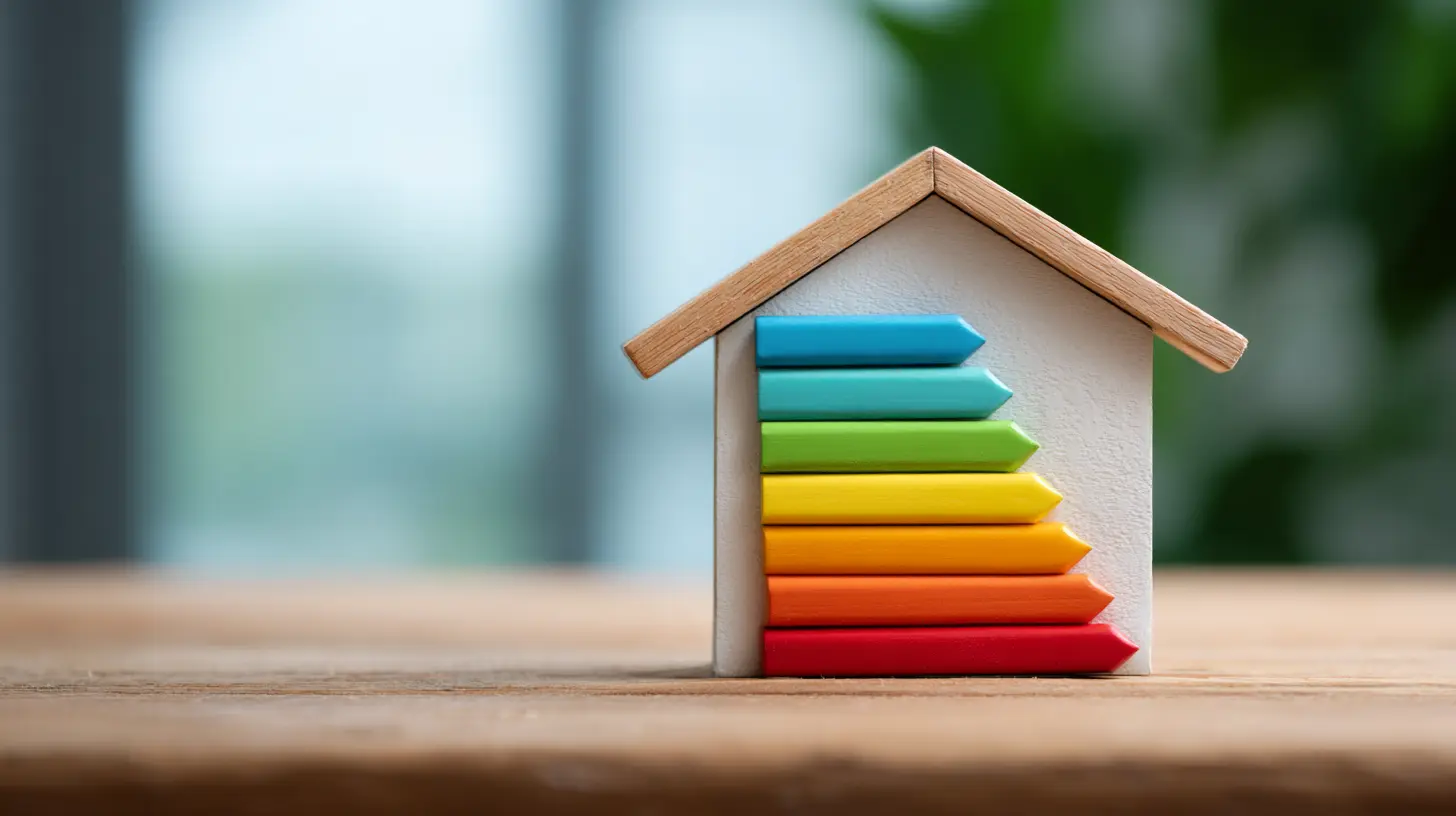
Understanding Energy Performance
Before diving into the upgrades, it's essential to understand what home energy performance means. It refers to how effectively a home uses energy for heating, cooling, lighting, and running appliances. Poor energy performance can lead to inflated utility bills, uncomfortable living conditions, and a larger carbon footprint.Key Metrics of Energy Performance
1. Energy Consumption: Measured in kilowatt-hours (kWh) or therms, this tells you how much energy your home uses in a given period.2. Energy Efficiency Ratio (EER): This ratio indicates the cooling output of an air conditioning unit divided by its energy input. A higher EER means better efficiency.
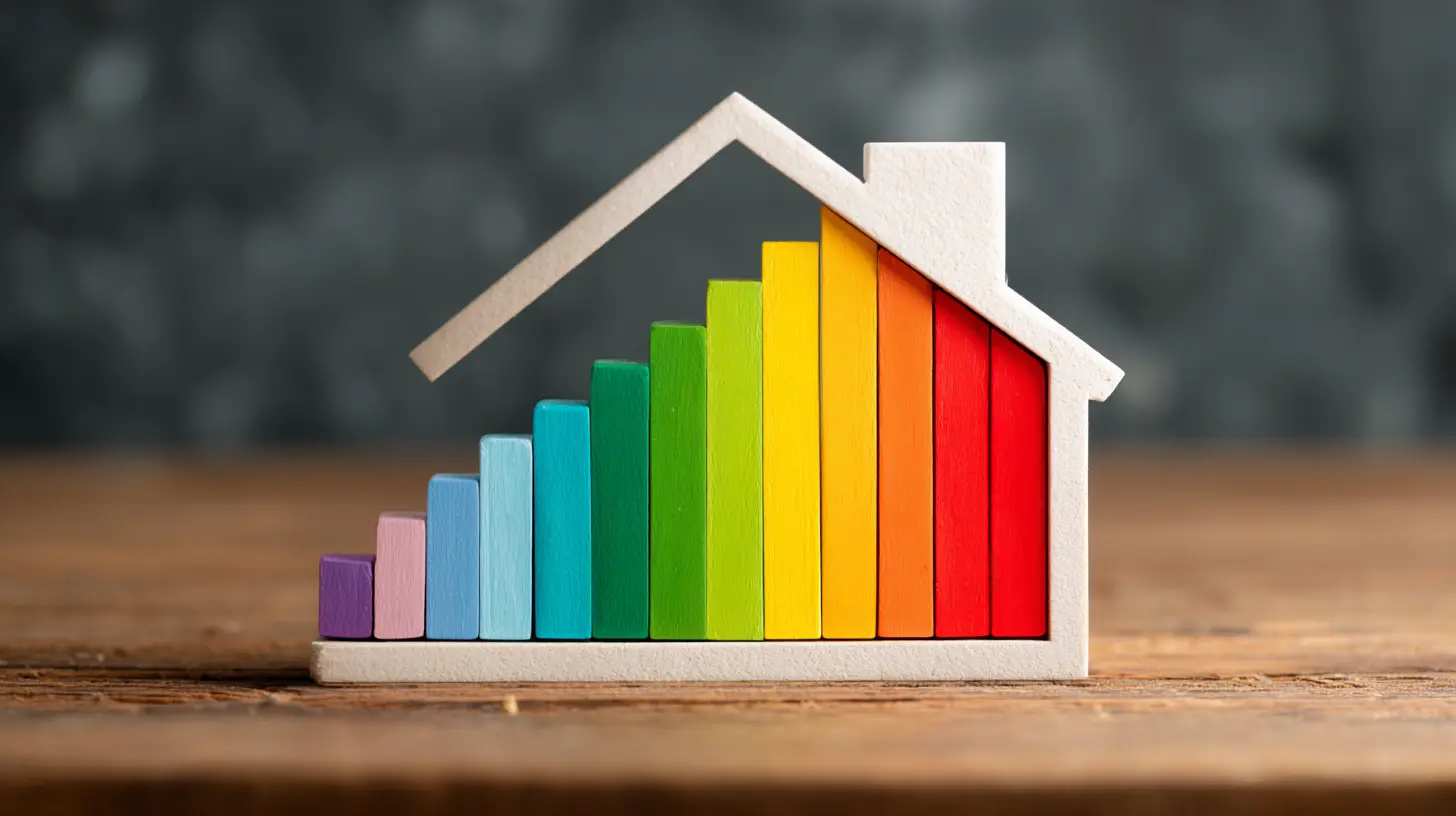
3. Home Energy Rating System (HERS) Index: The HERS index measures a home's energy efficiency on a scale, with lower scores indicating more efficient homes.
Insulation: The Unsung Hero
Why Insulation Matters
Insulation acts as a barrier against heat transfer. In winter, it keeps the warmth inside, and in summer, it keeps the heat out. Without adequate insulation, your heating and cooling systems must work overtime, leading to higher energy bills and increased wear and tear.Types of Insulation
1. Fiberglass Batts: Affordable and widely used, but can lose effectiveness if not installed correctly.2. Spray Foam: Provides an excellent air seal and has a higher R-value per inch but comes with a heftier price tag.
3. Cellulose: Made from recycled paper, it's eco-friendly and a good option for retrofitting, though it can settle over time.
Common Mistakes
Don't assume that a single type of insulation is enough. Layering different types can provide better coverage. Also, neglecting areas like attics, basements, and crawl spaces can leave significant gaps in your home's energy performance.Best Practices
- Seal any air leaks before adding insulation.- Consider hiring a professional for spray foam installation to ensure a proper seal.
- Check local building codes to ensure compliance, especially if you are making significant upgrades.
Windows and Doors: Seal the Deal
The Importance of Quality Windows
Windows are often the weakest link in a home's energy performance. Upgrading to energy-efficient windows can dramatically reduce heat loss and gain.Options for Upgrading
1. Double or Triple Glazing: More panes mean better insulation.2. Low-E Coatings: These coatings reflect heat back into your home in winter and keep it outside in summer.
3. Energy Star Rated Windows: Look for windows that meet or exceed Energy Star standards.
Common Misconceptions
Not all windows need to be replaced. Sometimes, simply upgrading the seals or applying window film can yield significant benefits without the costs associated with full replacements.Trade-offs
While energy-efficient windows save money in the long run, they can be expensive upfront. Weigh the costs against potential savings on energy bills over time.
Smart Thermostats: Control and Convenience
Why Go Smart?
Smart thermostats adjust the temperature based on your habits, allowing for more efficient energy use. They learn your schedule and can be controlled remotely, making it easier to optimize energy performance.Benefits
- Energy Savings: Many homeowners report saving 10-15 percent on heating and cooling costs.- Convenience: Adjust your home's temperature from anywhere using your smartphone.
- Integration: Many smart thermostats work with other smart home devices, enhancing overall efficiency.
Things to Consider
Before installing a smart thermostat, ensure your heating and cooling systems are compatible. Not all systems respond well to the technology, and you might need a professional for installation.LED Lighting: Bright Idea for Savings
The Shift from Incandescent to LED
LED bulbs use up to 80 percent less energy than traditional incandescent bulbs and last significantly longer. This makes them a smart choice for any homeowner looking to enhance energy performance.Real-World Examples
Replacing just five of your most frequently used bulbs with LEDs can save over $100 per year, depending on your energy rates. This is a small investment that pays off quickly.Common Pitfalls
Some homeowners hesitate to make the switch due to the higher upfront cost of LEDs. However, considering their lifespan and energy savings, the long-term benefits far outweigh the initial expense.
Appliances: Efficiency at the Core
Choosing Energy-Efficient Appliances
When it comes time to replace appliances, look for the Energy Star label. These appliances are designed to use less energy without sacrificing performance.Trade-offs in Upgrading
While energy-efficient appliances can be more expensive upfront, consider the total cost of ownership. Lower energy bills can quickly offset the initial investment, and many energy-efficient models come with rebates or tax incentives.Common Mistakes
Don't forget to consider the size and capacity of the appliance. An oversized unit can waste energy and lead to inefficient performance. Measure your space and choose appliances accordingly.Solar Panels: Harnessing the Sun
Why Solar?
Installing solar panels can drastically reduce your reliance on grid electricity, leading to significant savings. many states offer incentives that can make this upgrade more affordable.Key Considerations
- Orientation and Roof Condition: Your roof should face south or west for optimal energy production. Ensure it is in good condition to support solar panels.- Upfront Costs vs. Long-Term Savings: While the initial investment is high, tax credits and net metering can make solar a financially viable option in the long run.
Common Misconceptions
Many believe solar panels are only for sunny states. In fact, they can still generate power in cloudy or rainy conditions. It's all about the right system and setup.
Air Sealing: The Invisible Upgrade
Why Air Sealing is Key
Air leaks can account for a significant portion of your home's energy loss. Sealing these gaps is a budget-friendly upgrade that can lead to immediate results.Areas to Focus On
- Baseboards- Windows and doors
- Attic hatches
Best Practices
Use caulk or weatherstripping to seal leaks. A simple test with a candle can help identify drafts. Walk around your home with a lit candle on a windy day and look for flickering flames.Conclusion
Upgrading your home for better energy performance doesn't have to be overwhelming. From insulation to smart tech, each upgrade offers unique benefits that contribute to energy efficiency and cost savings. The key is to assess your home's current performance, prioritize upgrades based on your budget and needs, and take action.Small changes can lead to significant results. Whether you choose to start with smart thermostats or dive into solar panel installation, every step counts toward a more energy-efficient home.
all images in this post were generated using AI tools
Category:
Home Energy EfficiencyAuthor:

Mateo Hines