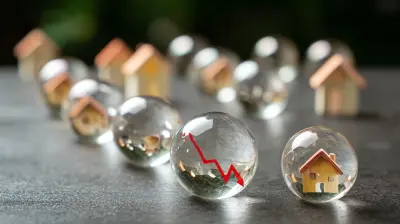
Spotting Early Signs of a Slowdown in Hot Property Markets
14 January 2026
Real estate markets are like roller coasters—thrilling, full of ups and downs, and sometimes downright unpredictable. When a market is on fire, it's easy to get caught up in the hype. But what happens when that hot streak starts cooling off?
Spotting the early signs of a slowdown in a once-booming property market can save you from costly mistakes, whether you're an investor, a homebuyer, or a seller. So, how do you know when the market is shifting before it’s too obvious? Let’s dive in.

1. Declining Sales Volume
One of the first warning signs of a cooling market is a dip in the number of property sales. When homes that were once flying off the shelves start lingering on the market longer, it’s a red flag.A slowdown in sales means buyers are hesitating. Maybe they’re priced out, worried about economic conditions, or simply waiting for better deals. Whatever the reason, a drop in demand can mean trouble for sellers and opportunities for savvy buyers.

2. Increased Days on Market (DOM)
In a hot real estate market, properties often sell within days—or even hours—of being listed. When homes start sitting longer without offers, that’s another key indicator of a slowdown.If a property that would have been snatched up in a week is now taking a month (or more) to sell, it signals a shift in buyer sentiment. Sellers may have to lower their expectations or offer price cuts to attract interest.

3. Rising Inventory Levels
More homes available for sale could mean that demand isn’t keeping up. A rising inventory usually suggests that either more people are listing their properties to cash in before a dip or that fewer buyers are making moves.A balanced market typically has a 5-6 months’ supply of housing. When inventory climbs above that, it indicates that sellers have more competition, and price growth may slow down—or even reverse.

4. Price Reductions Becoming More Common
Have you noticed more "Price Reduced" signs popping up? That’s never a good sign for sellers. In a hot market, sellers can set almost any price and still get offers. But when homes start needing price cuts to attract buyers, it suggests demand is softening.Price reductions often signal that sellers overestimated market trends or that buyers are no longer willing to pay peak prices. If more and more listings see price adjustments, the market could be shifting.
5. Fewer Bidding Wars
Remember when bidding wars were the norm, and people were offering way over asking just to get a home? If those frenzied battles are dying down, it’s a clear signal the market is cooling.In a slowing market, buyers regain their power. They’re no longer willing to waive inspections, appraisal contingencies, or offer thousands above the asking price. And that means home values may start to stabilize or decline.
6. Rising Mortgage Rates Affecting Affordability
Interest rates have a massive impact on real estate markets. When mortgage rates rise, borrowing becomes more expensive, which shrinks the pool of qualified buyers.A spike in interest rates often slows buyer demand because people can’t afford as much house as they could at lower rates. If rates are climbing and sales start dipping, the market could be headed toward a slowdown.
7. Investors Pulling Back
Investors play a major role in hot property markets, snapping up homes for rental income or quick flips. But when they start selling instead of buying, that’s a major red flag.Why? Because investors typically act before everyday buyers. If they sense a downturn, they’ll cash out before prices drop. Watching investor activity can give you early hints about where the market is headed.
8. Declining Rental Demand
If you're in a market where investors have been buying properties to rent out, keep an eye on rental demand. A slowdown in rental inquiries, increasing vacancies, or landlords offering incentives to fill properties are all signs of trouble.Why does this matter? When rental demand slows, yields drop, and investors may start selling off properties—adding more inventory to an already cooling market.
9. Economic Uncertainty and Job Market Shifts
Real estate isn’t just about houses—it’s about people’s ability to afford them. If major employers start laying off workers, businesses close, or the economy shows signs of weakness, buyer confidence will decline.People are less likely to make big financial commitments, like buying a house, when they’re worried about job security. A shaky economy can directly impact demand and lead to a slowdown in home sales.
10. Local Market Disruptions
Not all slowdowns happen because of national trends—local factors play a huge role too. Things like:- Overdevelopment – Too many new homes being built can flood the market.
- Shifts in desirability – Changes in school quality, crime rates, or amenities can move buyers elsewhere.
- Climate risks – Natural disasters, rising insurance costs, or environmental concerns can make an area less attractive.
Keeping tabs on local shifts can help you anticipate a slowdown before it’s reflected in broader market data.
11. Media Tone Shifting from Optimistic to Cautionary
Pay attention to how the media talks about real estate. When every news outlet is hyping up the "unstoppable housing market," it's easy to believe the good times will last forever. But when headlines start warning about potential risks, buyer fatigue, or housing bubbles, the tide may be turning.Journalists pick up on trends early, often before the general public recognizes them. A shift in media tone can hint that the real estate party is winding down.
12. Declining Homebuilder Confidence
Homebuilders have their finger on the pulse of housing demand. If they start slowing new construction, delaying projects, or offering buyer incentives, it’s because they see trouble ahead.Builder confidence indexes track how optimistic or pessimistic developers are about future sales. If confidence starts dropping, it may signal a slowdown before it hits the broader market.
What Does This Mean for Buyers and Sellers?
Understanding these indicators isn’t just an academic exercise—it helps you make smarter real estate decisions.- For buyers: If a slowdown is coming, you may have more negotiating power soon. Patience could save you thousands.
- For sellers: If you’re planning to sell, waiting too long could mean getting a lower price than you expect. Moving quickly before demand fades may be a wise choice.
- For investors: If rental demand is softening or price growth is stalling, it may be time to reconsider your strategy.
Final Thoughts
Real estate cycles are inevitable—no market stays hot forever. By spotting the early signs of a slowdown, you can make informed decisions rather than getting caught off guard.Whether you’re buying, selling, or investing, keeping a close eye on these market indicators can give you the upper hand in navigating shifting conditions. Stay sharp, stay informed, and stay ahead of the curve!
all images in this post were generated using AI tools
Category:
Market CyclesAuthor:

Mateo Hines
Discussion
rate this article
2 comments
Zephyrine McGee
This article astutely highlights key indicators of potential slowdowns in hot property markets. By analyzing rising inventory levels and shifting buyer sentiment, investors can better navigate risk and make informed decisions during uncertain times.
January 26, 2026 at 4:20 AM
Mateo Hines
Thank you for your insightful comment! I'm glad you found the analysis of key indicators useful for investors navigating potential market slowdowns.
Journey Powell
In the ebb of fervent sales, whispers of change arise; watch the market’s pulse, where opportunity quietly lies.
January 14, 2026 at 11:23 AM
Mateo Hines
Thank you for your insightful comment! Keeping a close eye on market trends is crucial for identifying potential opportunities amidst changing dynamics.