Sustainable Interior Design: Creating Eco-Friendly and Stylish Spaces
8 May 2026
When it comes to designing a home, style and functionality are often front and center. But what if you could have a beautifully designed space that’s also good for the planet? That’s where sustainable interior design comes into play.
Creating an eco-friendly home isn’t just about slapping on a coat of low-VOC paint or buying a houseplant (although those are great steps!). It’s about making thoughtful choices that reduce environmental impact while keeping things stylish and comfortable.
So, if you’ve been wondering how to make your home greener without sacrificing aesthetics, you’re in the right place. Let’s dive into how you can create a sustainable, stylish, and feel-good space you’ll never want to leave! 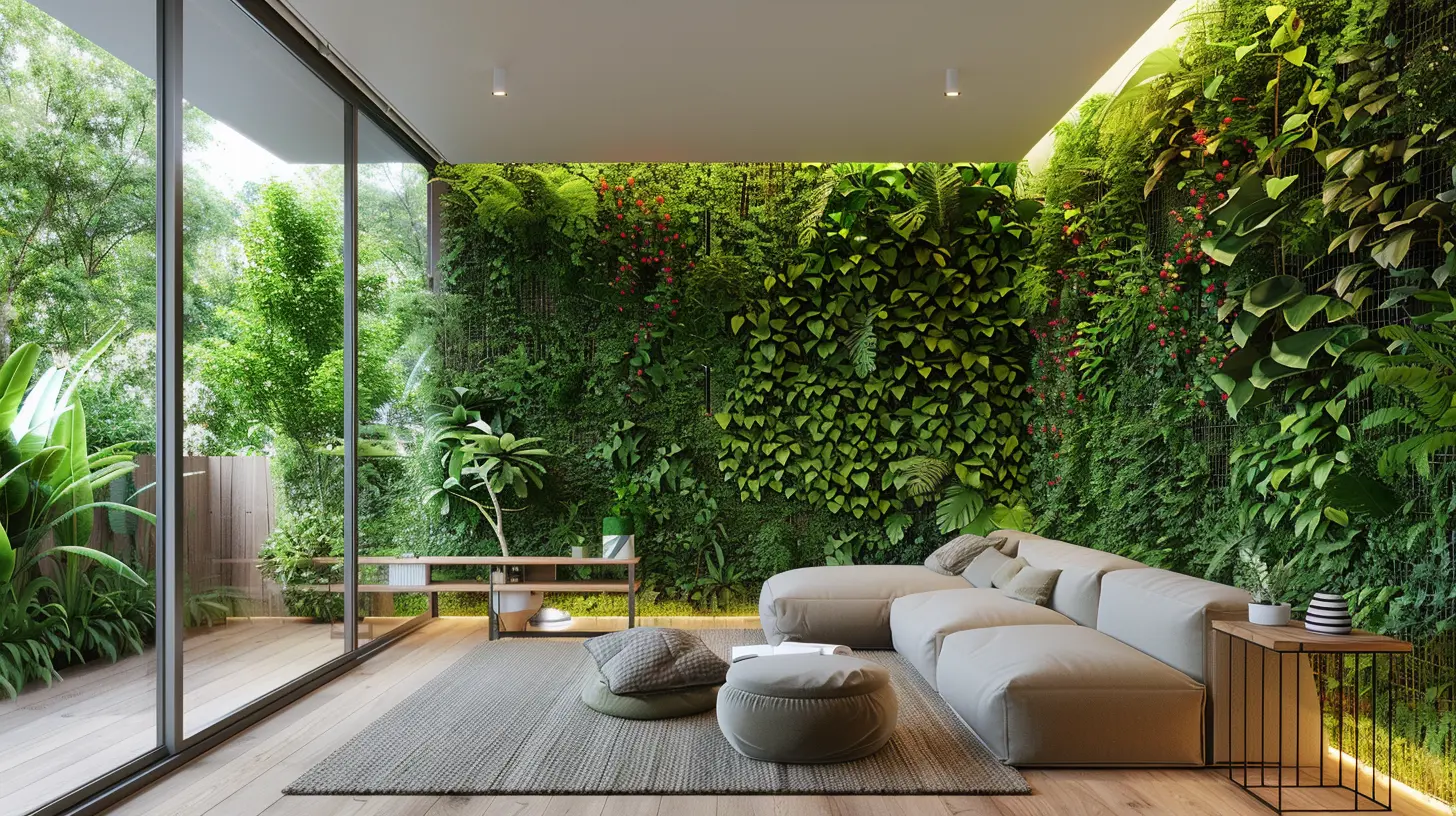
Why Does Sustainable Interior Design Matter?
Every choice we make in our homes—furniture, materials, finishes—plays a role in our environmental footprint. Traditional interior design often relies on resource-heavy materials and manufacturing processes that contribute to pollution, deforestation, and waste.But sustainable interior design flips the script. It focuses on:
✅ Reducing waste by using recycled and upcycled materials
✅ Choosing sustainable materials that are responsibly sourced
✅ Improving indoor air quality with natural elements
✅ Boosting energy efficiency to cut down on unnecessary energy use
The best part? Today, sustainable design doesn’t mean boring, bland, or overly simple. It can be just as luxurious, elegant, and cozy as traditional design—if not more! 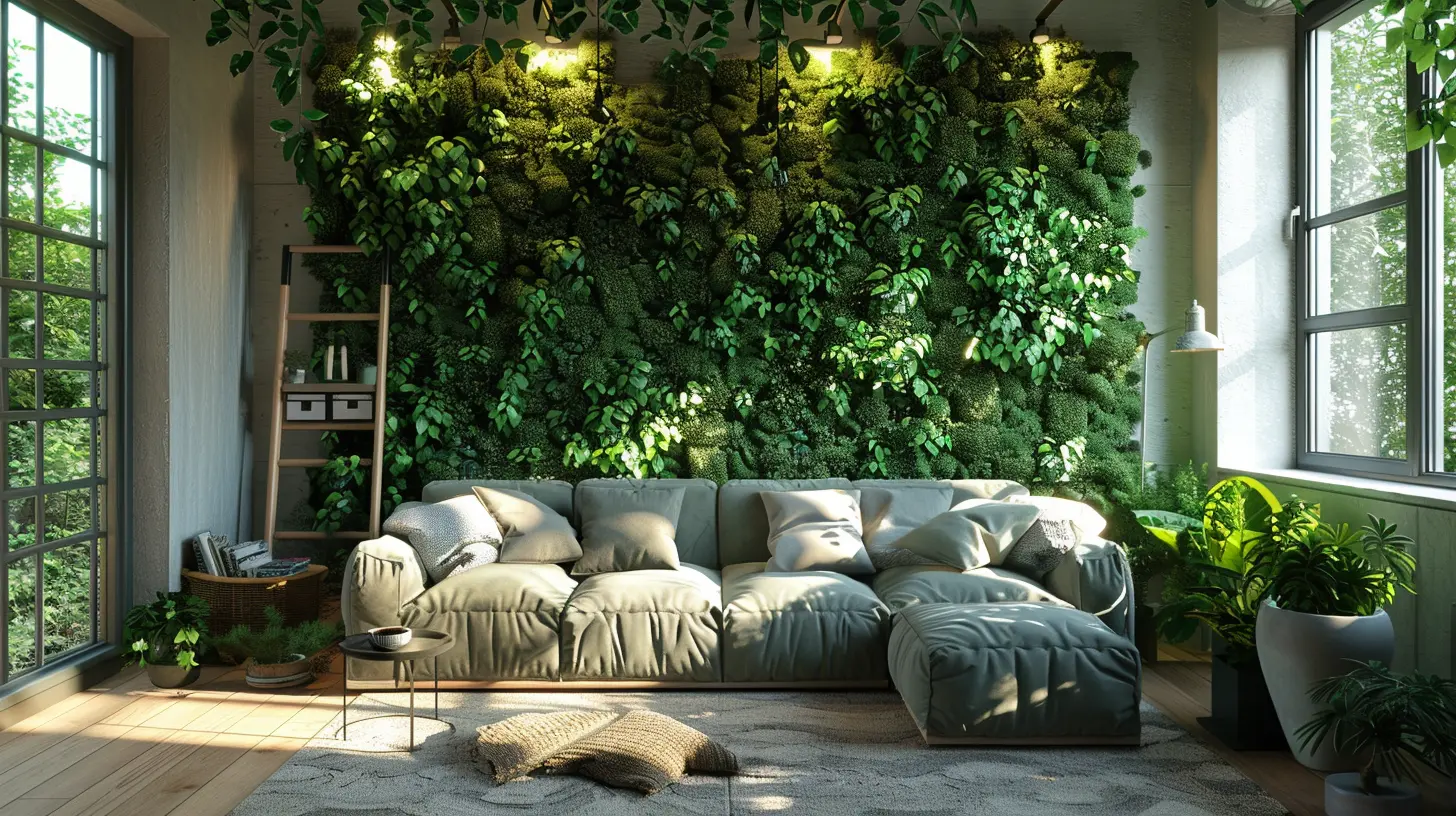
1. Choosing Sustainable Materials
Eco-Friendly Flooring
Flooring is one of the biggest surfaces in your home, so choosing the right material can make a massive impact. Instead of traditional hardwood flooring, which often leads to deforestation, consider these sustainable options:- Bamboo: Fast-growing and highly renewable
- Cork: Harvested from the bark of cork oak trees without harming them
- Reclaimed wood: Gives new life to old wood while reducing waste
- Recycled tiles: Made from post-consumer glass or ceramic
Each of these options adds character, warmth, and durability to your space while being kinder to the planet.
Sustainable Furniture
That gorgeous new couch might look amazing, but do you know where it came from? Instead of purchasing mass-produced furniture that contributes to deforestation and waste, consider:- Reclaimed or upcycled furniture – Vintage finds aren’t just trendy; they reduce landfill waste!
- Sustainably sourced wood – Look for FSC (Forest Stewardship Council)-certified pieces.
- Recycled metal or plastic furniture – Great for a modern, industrial feel.
- Handmade and locally crafted items – Supporting artisans means fewer emissions from long-distance shipping. 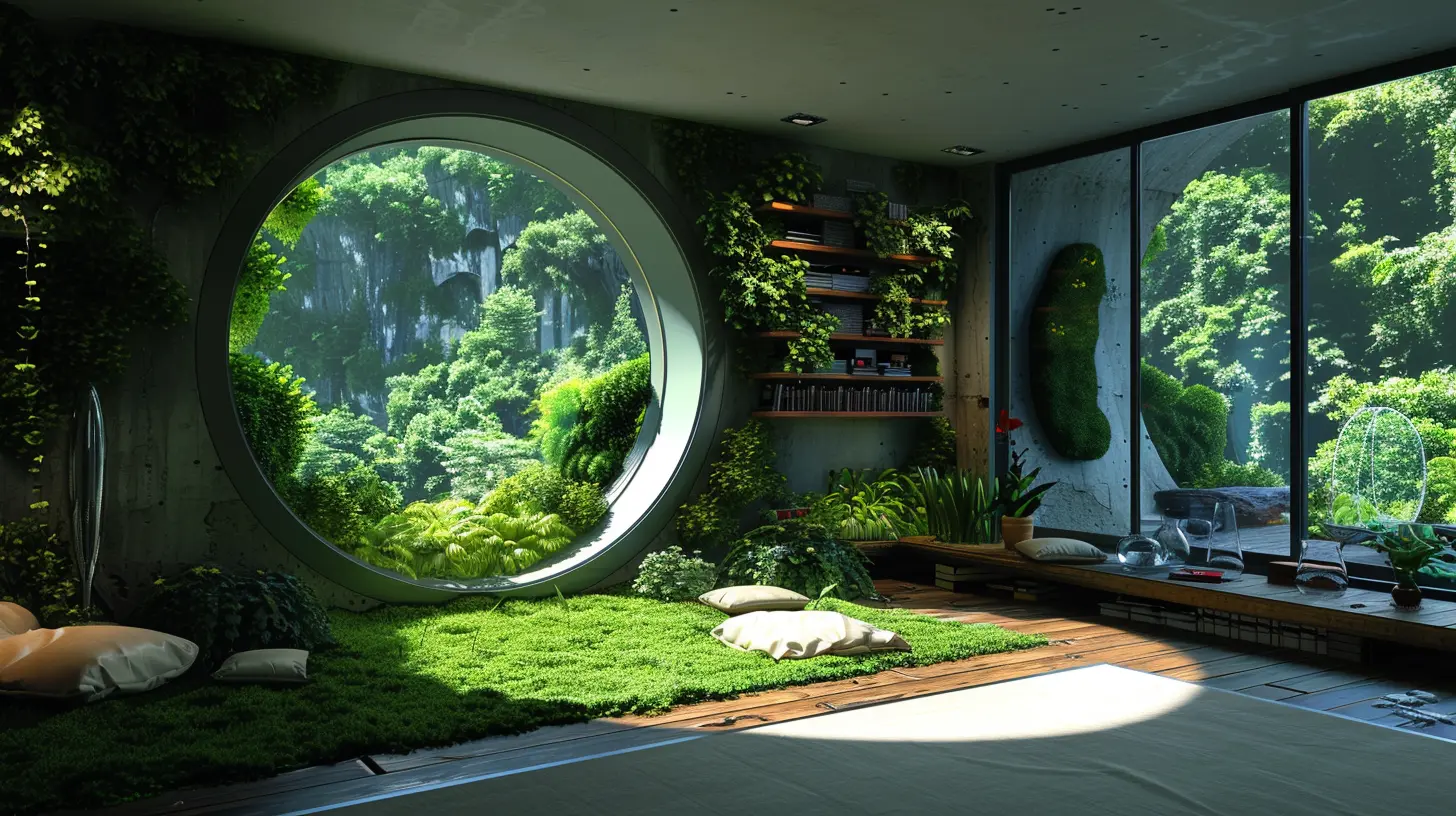
2. Low-Waste and Non-Toxic Décor
Eco-Friendly Paints and Finishes
Traditional paints can contain harmful chemicals called VOCs (volatile organic compounds), which are bad news for both the environment and your health. Instead, choose:- Low-VOC or zero-VOC paints – Reduce indoor air pollution and keep your home smelling fresh.
- Natural finishes like beeswax, linseed oil, or milk paint for furniture and wood surfaces.
Sustainable Fabrics and Textiles
From curtains to bedding, the fabrics in your home can either support sustainability—or contribute to environmental damage. Choose fabrics made from:✅ Organic cotton
✅ Hemp
✅ Linen
✅ Recycled polyester
These materials are better for the environment, last longer, and often feel more luxurious than their synthetic counterparts. 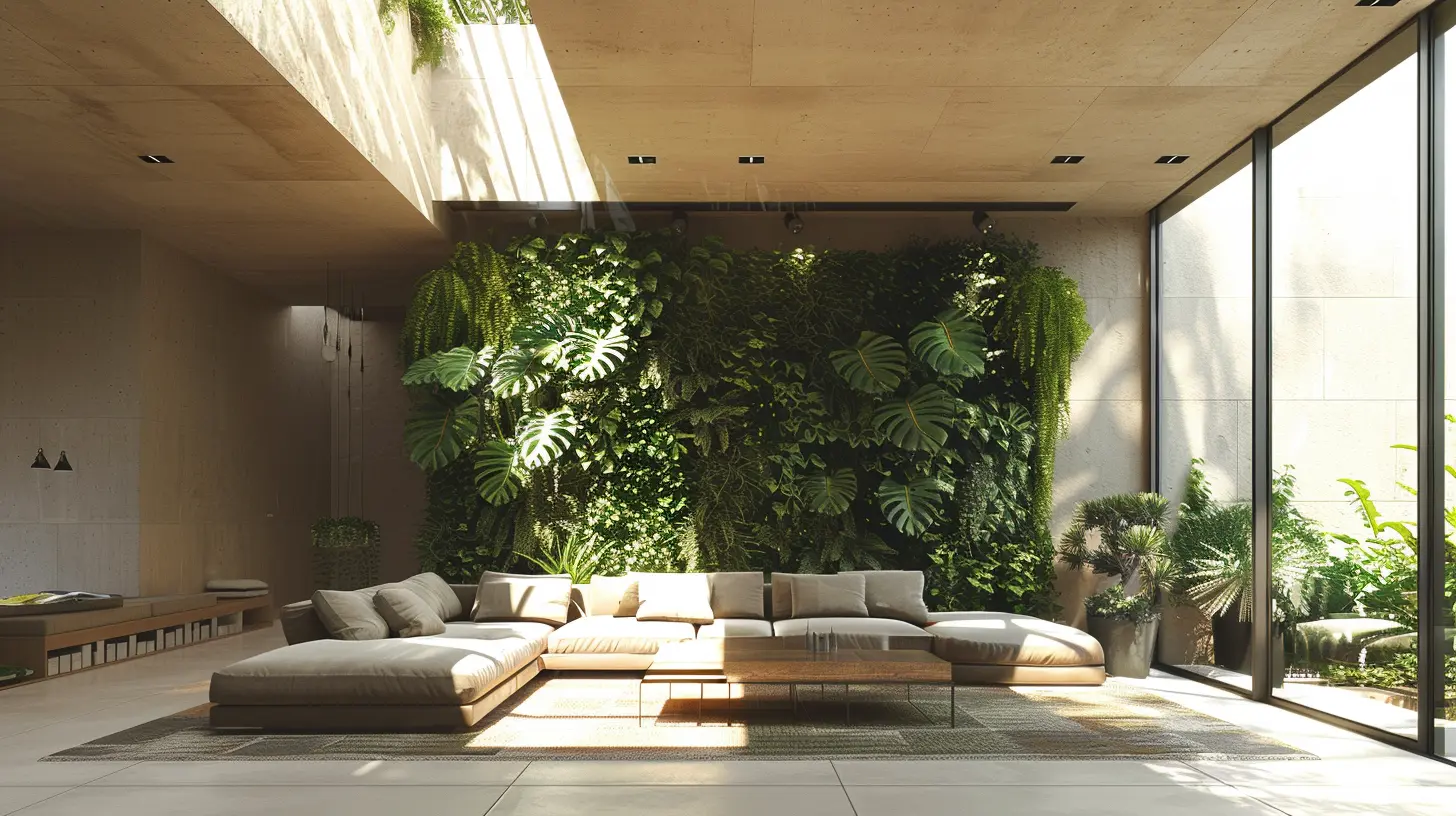
3. Energy-Efficient Lighting and Appliances
Maximizing Natural Light
One of the easiest ways to cut energy consumption? Let the sunlight do the work! Use:- Large windows and skylights to brighten up your space naturally.
- Mirrors to reflect light and make rooms feel larger.
- Light-colored walls and décor to enhance brightness without extra lighting.
LED Lighting
If natural light isn’t always an option, LED lights are the next best thing. Compared to traditional bulbs, LEDs:? Use up to 80% less energy
? Last 25 times longer
? Offer warmer, natural tones for cozy spaces
Upgrading your light fixtures to LED is an easy, affordable swap that makes a big difference.
Smart Home Tech
Why stop at lighting? Smart home appliances help cut down on energy use effortlessly. Consider:- Programmable thermostats to optimize heating and cooling.
- Energy-efficient refrigerators and dishwashers to save water and power.
- Smart power strips to prevent phantom energy drain from electronics.
4. Indoor Plants: Nature’s Best Air Purifier
Let’s talk plants! Not only do they bring life to a room, but they also:? Purify indoor air by absorbing harmful toxins
? Boost mood and productivity (seriously, science says so!)
? Regulate humidity levels naturally
Some of the best low-maintenance, air-purifying plants include:
- Snake plant – Thrives on neglect and removes toxins from the air.
- Peace lily – Gorgeous and great for filtering indoor pollutants.
- Spider plant – Resilient and ideal for beginners.
- Aloe vera – Decorative and useful for soothing burns or cuts.
Adding greenery is one of the easiest, most affordable ways to create a healthy and stylish home environment!
5. Upcycling and DIY Décor
Who doesn’t love a little DIY? Instead of buying new décor, embrace the art of upcycling—giving old items a fresh, stylish twist.Upcycling Ideas:
? Turn old wooden crates into rustic shelves? Repurpose mason jars as chic vases or storage
? Paint and reupholster an old chair for a brand-new look
? Use vintage suitcases as stylish storage solutions
Not only does this approach save you money, but it also adds personality to your space—each upcycled item tells a story!
6. Sustainable Kitchen and Bathroom Choices
Eco-Friendly Kitchen Choices
Your kitchen is a hotspot for waste, but with a few simple switches, you can make it more sustainable:- Opt for energy-efficient appliances – Look for the ENERGY STAR label.
- Use bamboo cutting boards and utensils – A great alternative to plastic.
- Minimize single-use plastics – Invest in glass or stainless-steel containers.
Sustainable Bathroom Swaps
Bathrooms also tend to be waste-heavy, but small changes add up:- Low-flow showerheads and faucets to conserve water.
- Recycled or bamboo toilet paper to reduce deforestation.
- Refillable soap dispensers instead of single-use plastic bottles.
Making these eco-conscious swaps not only benefits the environment—it enhances your home’s functionality and aesthetic too!
Final Thoughts
Sustainable interior design isn’t just a passing trend—it’s a lifestyle shift that benefits you, your home, and the planet. And the best part? It doesn’t mean compromising on style or comfort.Whether you’re revamping an entire home or making small eco-friendly upgrades, every step you take makes a difference. So why not start today? A greener, more stylish home is just a few mindful choices away!
all images in this post were generated using AI tools
Category:
Green HomesAuthor:

Mateo Hines
Discussion
rate this article
2 comments
Bridget Gutierrez
Sustainable design enhances beauty while protecting our planet.
July 15, 2026 at 11:56 AM
Mateo Hines
Absolutely! Sustainable design not only elevates aesthetics but also contributes significantly to environmental well-being. It's a win-win for both style and the planet.
Jillian McAllister
Your insights on sustainable interior design are inspiring. It's wonderful to see how style can blend with environmental care.
May 18, 2026 at 3:11 AM
Mateo Hines
Thank you! I'm glad you found the insights inspiring. It's exciting to see how we can make our spaces both beautiful and eco-friendly.