Sustainable Interior Design Ideas to Make Your Home Eco-Friendly
19 May 2026
We live in a time where being mindful of the environment isn’t just a trend—it’s a responsibility. And guess what? Your home décor can actually play a massive part in making our planet a little greener. Yep, we're talking about turning your space into something that looks like a page out of a design magazine while being kind to Mother Earth. Sounds like a dream combo, right?
Sustainable interior design is all about making choices that are good for you and the planet. Think: natural materials, reusing what you can, cutting down on waste, and creating a space that's both beautiful and meaningful.
In this article, we're diving into fresh, functional, and super stylish ways to give your home an eco-friendly makeover. Whether you're redecorating an entire house or just switching up a single room, there are tons of ways to make a sustainable impact—without sacrificing style or comfort.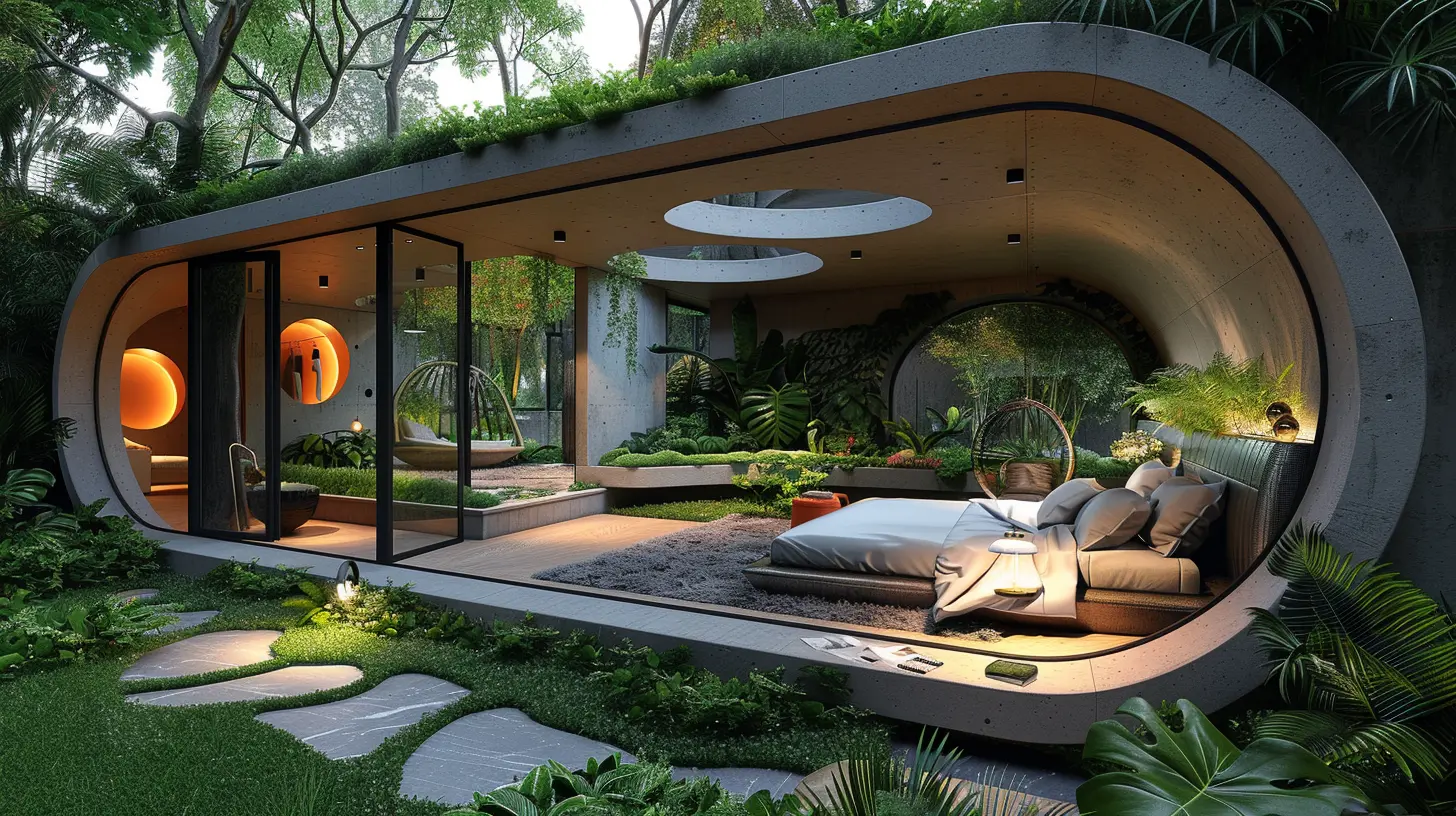
What Is Sustainable Interior Design, Anyway?
Let’s break it down real quick. Sustainable interior design is an approach to decorating and furnishing your space with materials, products, and designs that reduce environmental impact. This means using renewable resources, choosing non-toxic finishes, minimizing waste, and opting for energy-efficient solutions.You see, it's not just about bamboo flooring and hemp curtains (though those are great too!). It's about thoughtful choices that are better for both people and the planet.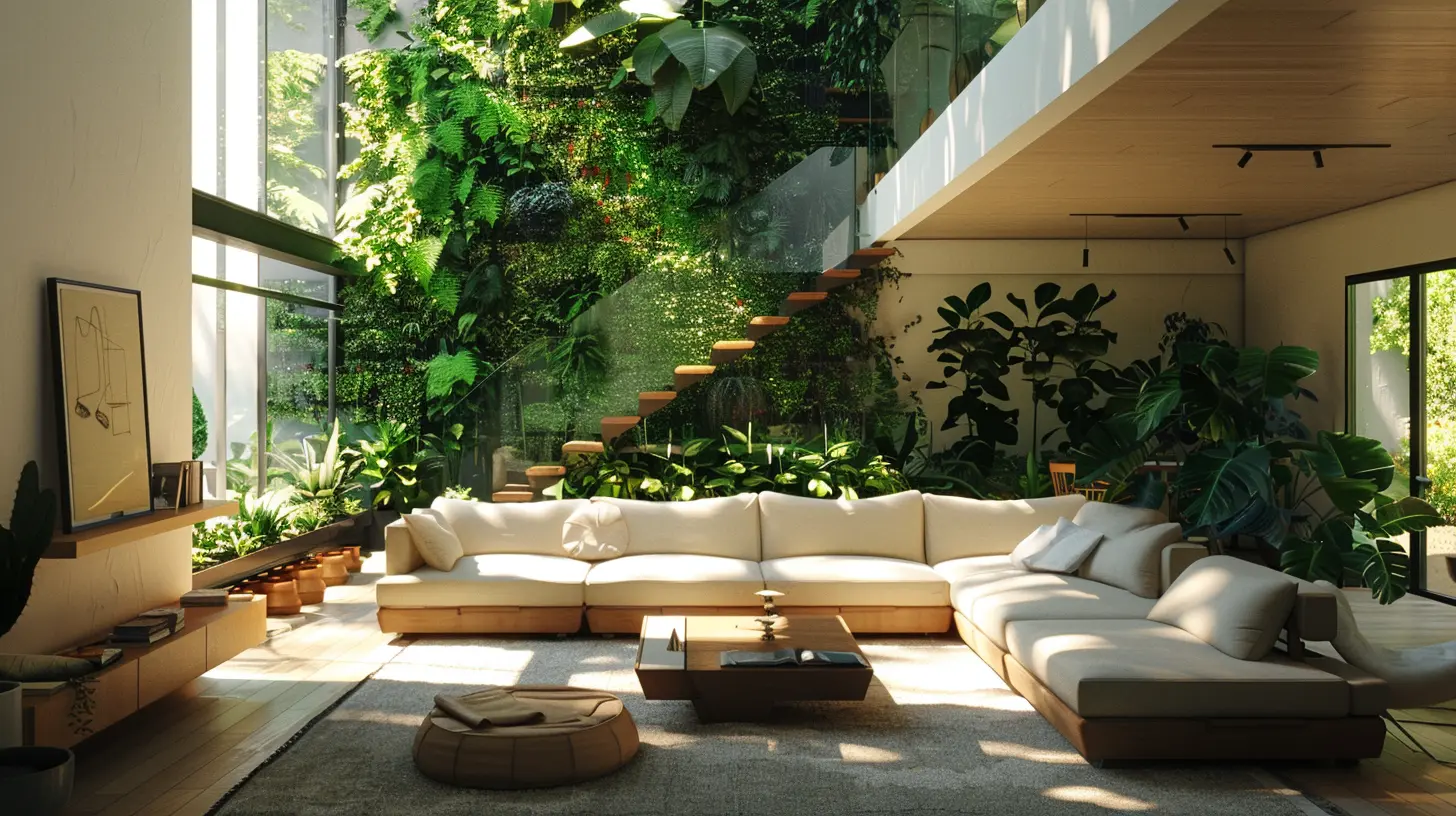
Start With Sustainable Materials
The foundation of eco-friendly design lies in the materials you choose. Not all building materials are created equal!1. Go Natural (But Not Just Any Natural)
Opt for raw, renewable, and biodegradable materials like:- Bamboo: Fast-growing, sturdy, and super stylish
- Cork: Harvested without killing trees, plus it’s naturally antimicrobial
- Reclaimed Wood: Adds character and reduces demand for new lumber
- Organic Cotton, Hemp, and Linen: Great for upholstery, curtains, and bedding
Just remember—not all “natural” materials are sustainably sourced, so look for certifications like FSC (Forest Stewardship Council) or GOTS (Global Organic Textile Standard) to make sure you're making the real deal eco-friendly choice.
Repurpose and Reuse—Make Old Stuff New Again
Let’s face it, buying new stuff is fun… but it doesn’t always love the Earth back. Reusing what you already have or scouring secondhand shops is one of the easiest and most impactful design choices you can make.2. Vintage Finds Are In
Antique and vintage furniture is not only full of charm and personality—it also saves resources. Think about it: no new energy, materials, or emissions were used in making something decades ago.Sprucing up a worn-out dresser with a fresh coat of low-VOC paint can breathe new life into it. And bonus—it’ll probably end up being the most interesting piece in the room!
3. DIY With a Purpose
Love a weekend project? Upcycle old furniture or repurpose unused items. Turn wooden crates into wall shelves. Use mason jars for storage. You’d be surprised how much flair a little creativity can add to your space.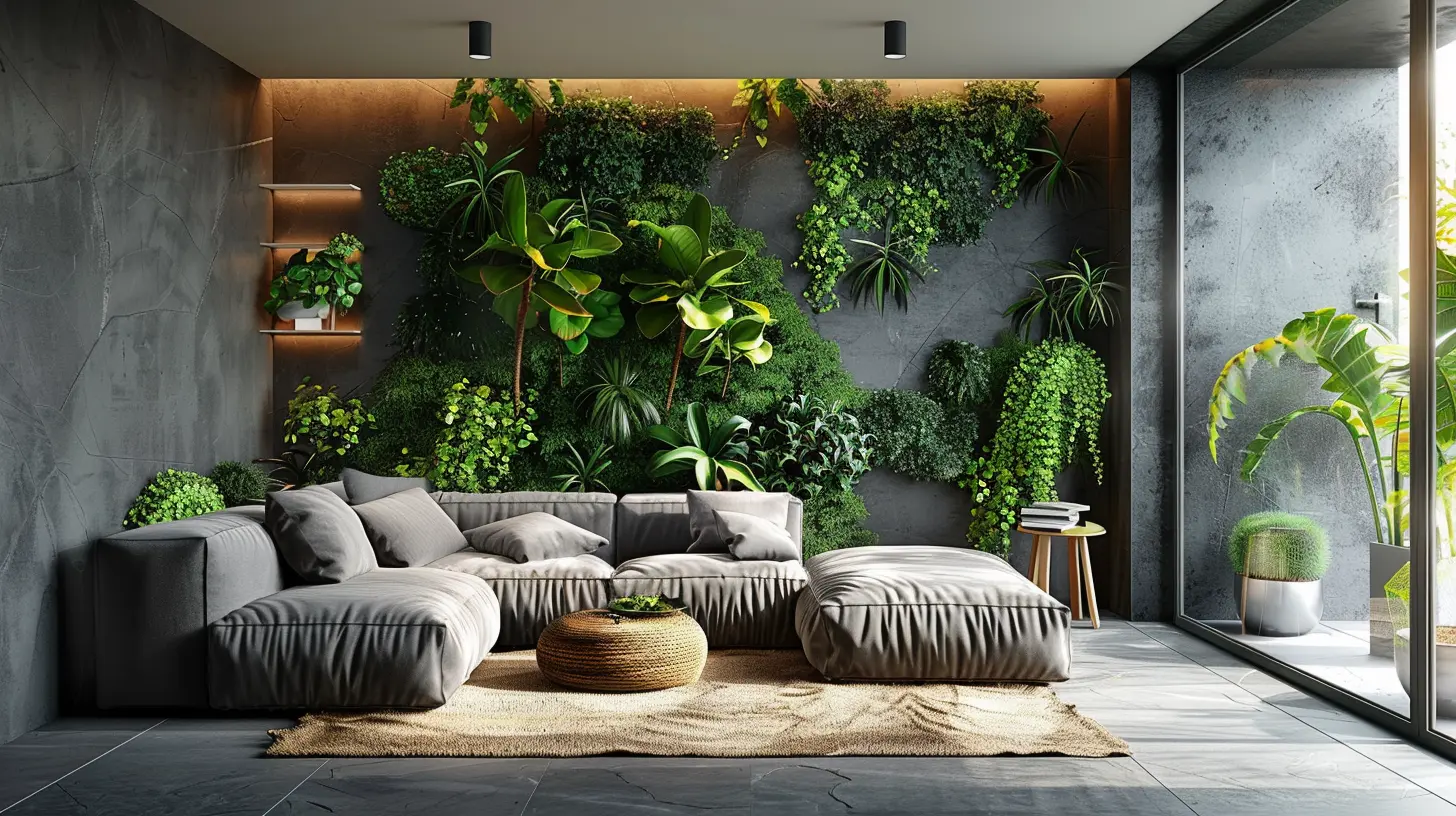
Choose Non-Toxic Finishes and Paints
Ever heard of VOCs? Those are “volatile organic compounds” found in many paints, finishes, and adhesives—and they’re not so great for your health OR the environment.4. Say No to VOCs
Look for low-VOC or zero-VOC paints and finishes. These options reduce indoor air pollution and are way better for your lungs—and Earth’s atmosphere.Your home should smell like fresh linens and lavender, not a chemical factory, right?
Embrace Energy-Efficient Lighting
Lighting is often the overlooked hero of interior design. But it’s much more than just ambiance—it plays a big role in your carbon footprint.5. Switch to LED Bulbs
LEDs use at least 75% less energy than incandescent bulbs. Plus, they last way longer. It's a small switch that makes a big difference.6. Maximize Natural Light
Let the sun do the work! Design your space to let in as much sunshine as possible. Use sheer curtains, install mirrors to reflect light, and keep windows unobstructed.Think of sunlight as a free, natural mood booster. Why not use it?
Pick Eco-Friendly Furniture
Furniture shopping is fun—until you realize how much waste and pollution comes from mass-produced pieces.7. Look for Sustainable Brands
More and more furniture companies are going green. Look for those that use responsibly sourced wood, recycled materials, and ethical manufacturing practices.Pro tip: some brands even offer take-back programs for their products. It’s like a circular economy—but in couch form.
Go Minimalist (But Not Boring)
Minimalism and sustainability go hand-in-hand, but that doesn’t mean your home has to look empty or cold.8. Buy Less, Choose Well
Instead of filling your space with impulse buys, focus on investing in high-quality pieces that you love and will use for years. Let things breathe. Use texture instead of clutter to create interest.If your home reflects your personality without being stuffed to the brim, you've nailed it.
Bring the Outdoors In
Plants are more than just pretty—they’re your natural air purifiers.9. Decorate With Indoor Plants
Not only do they clean the air, but they also add life and calm to any space. Snake plants, pothos, and peace lilies are low-maintenance favorites.And you don’t need a green thumb to keep them alive—promise!
Use Eco-Conscious Textiles and Rugs
Textiles can sneak in a lot of waste and chemicals, but again, you’ve got options.10. Choose Organic and Natural Fibers
When shopping for rugs, curtains, throws, or bed linens, look for organic and sustainably sourced materials like:- Wool
- Cotton (organic is best!)
- Jute
- Sisal
Avoid synthetic fabrics when you can—they’re often made from petroleum-based products and aren’t biodegradable.
Conserve Water With Smart Fixtures
We're used to thinking about saving electricity, but what about water?11. Install Low-Flow Fixtures
Low-flow faucets, showerheads, and dual-flush toilets can significantly cut down your water use without sacrificing comfort.It's a tiny switch you’ll barely notice—until your utility bill drops!
Be Smart About Appliances
You don’t have to replace everything at once, but when it’s time to upgrade, eco-friendliness should be a top priority.12. Choose Energy Star Appliances
These are designed to use less energy and water, and they come in just about every appliance imaginable—from fridges to dishwashers to air conditioners.Bonus? They often come with government rebates or incentives.
Opt for Local and Handmade Décor
Support small businesses and reduce your carbon footprint at the same time? That's a win-win.13. Shop Local
Locally crafted décor, furniture, and art not only carry more soul than mass-produced items—they also require less transport, which means fewer emissions.Plus, you're supporting your local economy. It doesn’t get more feel-good than that.
Insulate Like a Pro
Okay, this might not be the sexiest part of interior design, but it matters—A LOT.14. Insulation Saves Energy (And Cash)
Good insulation keeps your home comfy year-round, reduces energy consumption, and cuts down on heating and cooling costs. Think of it like a cozy sweater for your house.Create a Sustainable Workspace
Working from home? Why not make your office as green as the rest of the house?15. Eco-Friendly Desk Setups
Use recycled or upcycled furniture for your desk area, opt for non-toxic office supplies, and make sure your electronics are energy-efficient. Add a plant or two. Keep it simple and intentional.Trust me, a mindful workspace boosts productivity and mood.
Educate Yourself and Keep Learning
Sustainable design isn’t a one-and-done project—it’s a lifestyle and a mindset.16. Stay Curious
New eco-friendly innovations pop up all the time, so keep your ears open. Follow sustainable design blogs, join online forums, and ask questions when making big purchases.It’s all about doing better—not being perfect.
Final Thoughts
Making your home eco-friendly doesn’t mean living off-grid or sacrificing your personal style. Actually, it’s the opposite. It’s about curating a space that feels deeply aligned with your values—where every pillow, lightbulb, and flower pot has a purpose (and a backstory).By embracing sustainable interior design, you’re not just creating a space that looks amazing. You’re building a home that gives back, saves resources, and inspires others to do the same.
So next time you’re rethinking your living room or browsing for countertops, ask yourself: “Is this good for me AND the planet?”
That little question can lead to a lot of beautiful answers.
all images in this post were generated using AI tools
Category:
Interior DesignAuthor:

Mateo Hines
Discussion
rate this article
2 comments
Sybil Reese
Love these ideas! Sustainable design truly transforms spaces while caring for our planet. Great tips!
August 8, 2026 at 12:13 PM
Mateo Hines
Thanks for the kind words! I'm glad you found the tips helpful. Sustainable design really can make a big difference.
Shelby Graham
Sustainable interior design is a practical way to enhance your home while being environmentally conscious. These ideas can create a beautiful space that respects nature. Great insights!
May 23, 2026 at 3:58 AM
Mateo Hines
Thank you for your kind words! I'm glad you found the ideas helpful for creating an eco-friendly space.