The Best Ways to Renovate a Fixer-Upper into Your Dream Home
20 February 2026
So, you've found a fixer-upper—a diamond in the rough with endless potential. But now comes the hard part: transforming it into the dream home you’ve always wanted. Renovating a fixer-upper is no small feat, but with the right strategies, you can turn that outdated house into a masterpiece.
Let’s dive into the best ways to renovate a fixer-upper efficiently and cost-effectively, ensuring you get the most out of your investment while creating a space that truly feels like home.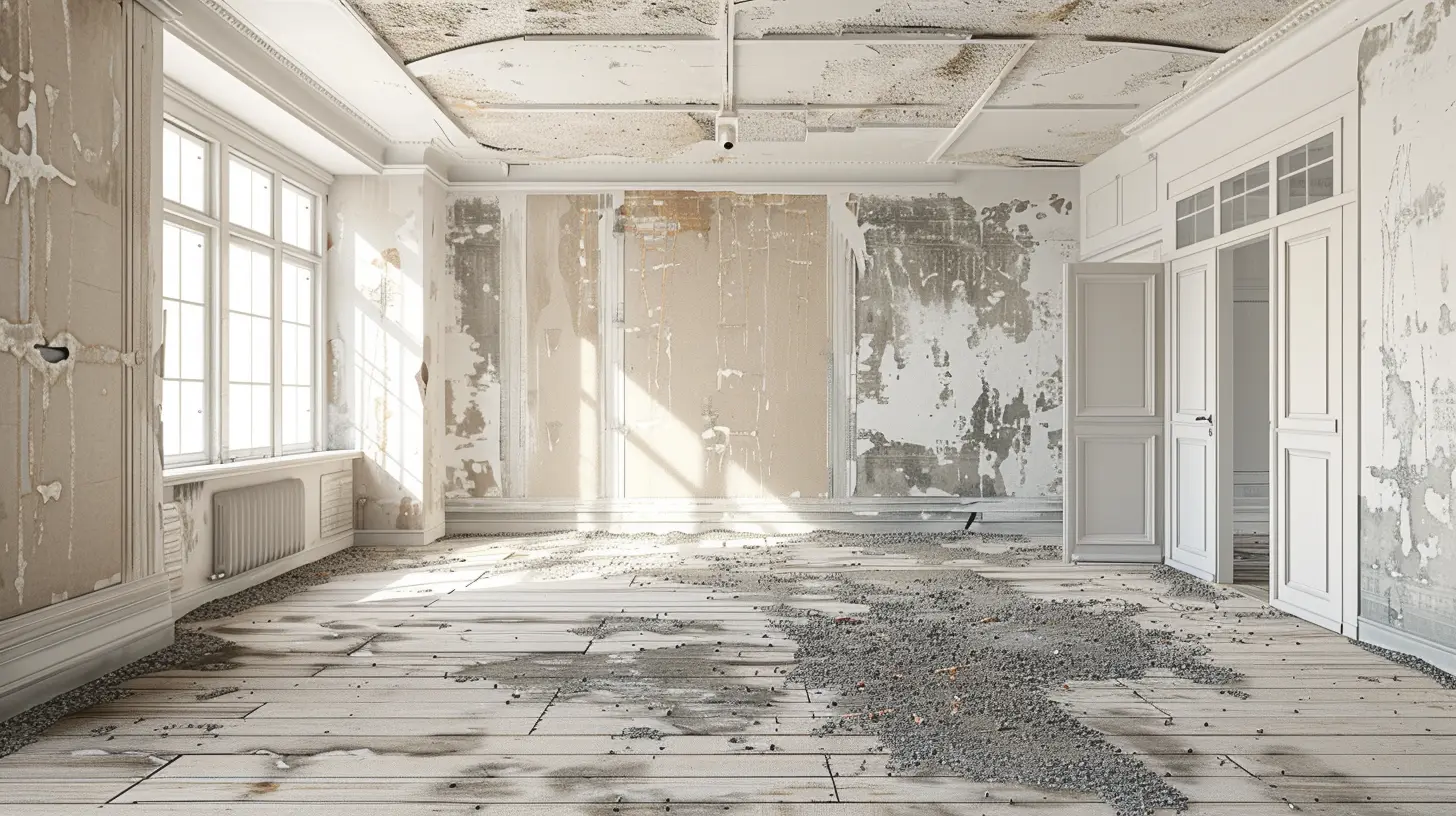
1. Start with a Solid Plan
Before grabbing a sledgehammer and knocking down walls, take a step back and create a detailed renovation plan. A well-thought-out plan can save you time, money, and frustration down the road.Set Priorities
Fixer-uppers often come with a laundry list of repairs. But tackling everything at once can be overwhelming. Instead, prioritize renovations based on:- Structural Issues (roof, foundation, plumbing, electrical)
- Essential Repairs (leaks, broken windows, outdated wiring)
- Cosmetic Enhancements (painting, flooring, kitchen upgrades)
Create a Budget
Be realistic about your renovation costs. Unexpected expenses will pop up—it’s inevitable. A good rule of thumb is to add at least 20% extra to your initial budget for contingencies.Hire Professionals vs. DIY
Some projects, like painting or installing new fixtures, are DIY-friendly. But tasks like electrical work, plumbing, and structural changes require a professional touch. Know when to get your hands dirty and when to call in the experts.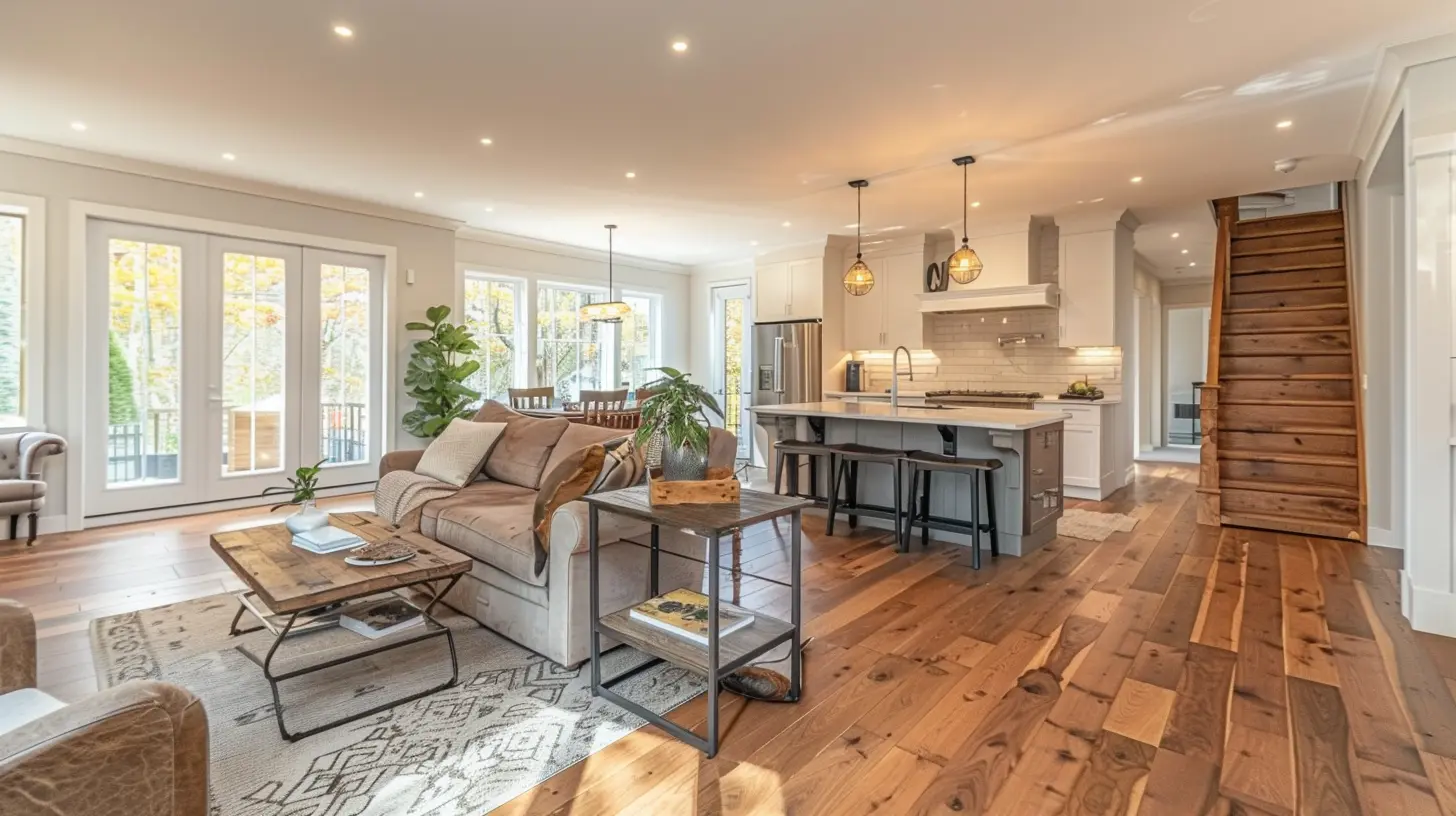
2. Address Structural and Safety Concerns First
A cosmetic makeover is great, but if the house isn't structurally sound, you'll be setting yourself up for disaster. Tackle these non-negotiable repairs first:Foundation and Roof
Cracks in the foundation? A sagging roof? These issues must be fixed before moving on to aesthetics. A compromised foundation can lead to major structural problems, while a faulty roof can lead to leaks and mold issues.Plumbing and Electrical Updates
Old plumbing can cause leaks and water damage, while outdated electrical systems can be a fire hazard. Updating these systems is often necessary in older homes and should be prioritized early in the renovation process.Windows and Insulation
New windows and proper insulation will enhance energy efficiency, saving you money on heating and cooling bills. If your fixer-upper has drafty windows, consider replacing them with energy-efficient options.
3. Focus on High-Impact Areas for Maximum Value
When transforming a fixer-upper, focus on renovations that deliver the biggest bang for your buck—especially if you plan to sell in the future.Kitchen Upgrades
A kitchen renovation can drastically improve the look and functionality of a home. Consider:- Refacing or Painting Cabinets instead of replacing them
- Upgrading Countertops (quartz or butcher block for a modern touch)
- Installing New Fixtures for an instant refresh
- Opting for Energy-Efficient Appliances to reduce utility costs
Bathroom Remodels
Bathrooms are another high-impact area. Small updates like new tiles, updated lighting, and modern vanities can go a long way in making a home feel luxurious.Flooring Matters
Worn-out carpets and outdated linoleum can make a house feel old and dingy. Consider replacing floors with hardwood, luxury vinyl plank, or tile for a fresh, modern look.
4. Enhance Curb Appeal
First impressions matter! A beautiful exterior sets the stage for what’s inside. Boost your curb appeal by:- Painting the Front Door in a bold, inviting color
- Updating Exterior Paint or Siding for a fresh look
- Adding Landscaping Elements like flowers, shrubs, and walkway lighting
- Installing a New Mailbox and House Numbers for small but impactful changes
A well-maintained exterior not only adds value but also makes your home feel welcoming.
5. Open Up the Space for a Modern Feel
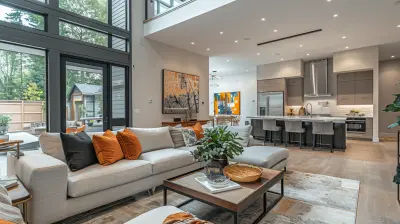
Older homes often have small, closed-off rooms, which can make the space feel cramped. Knocking down non-structural walls to create an open-concept layout can make a huge difference.- Remove Walls Between Kitchen and Living Areas for a seamless flow
- Add Larger Windows or Glass Doors to bring in more natural light
- Consider Vaulted or Exposed Ceilings to create height and openness
An open floor plan not only improves functionality but also makes your home feel larger and more inviting.
6. Update with Smart Home Features
Technology is changing the way we live, and incorporating smart home features can make your fixer-upper feel modern and convenient.- Smart Thermostats (like Nest or Ecobee) for energy efficiency
- Video Doorbells for added security
- Smart Locks for keyless entry
- Automated Lighting for convenience and energy savings
These small upgrades can make a huge difference in both comfort and resale value.
7. Incorporate Your Personal Style
Now for the fun part—adding personal touches to make your home uniquely yours. This is where your vision truly comes to life!- Choose a Cohesive Color Palette that reflects your personality
- Mix Modern with Vintage Elements for a timeless aesthetic
- Decorate with Statement Pieces like artistic lighting or bold furniture
- Showcase Personal Mementos like family photos and souvenirs
Your home should be a reflection of you, so don’t be afraid to get creative.
8. Be Patient—Great Homes Take Time
Renovating a fixer-upper is a marathon, not a sprint. Expect delays, unexpected costs, and occasional frustration. But every step brings you closer to the home of your dreams.Instead of rushing through projects, take the time to do things right. The result? A beautiful, functional space that you’ll love for years to come.
Final Thoughts
Turning a fixer-upper into your dream home requires vision, patience, and strategic planning. By focusing on structural integrity, prioritizing high-impact areas, modernizing the layout, and adding personal touches, you can transform any outdated house into a place you'll be proud to call home.So, roll up your sleeves and embrace the journey—because the reward of a beautifully renovated home is well worth the effort!
all images in this post were generated using AI tools
Category:
Home RenovationAuthor:

Mateo Hines
Discussion
rate this article
2 comments
Milena McElroy
This article offers practical insights on transforming a fixer-upper into a dream home. Renovation can be rewarding, but it’s essential to balance creativity with budget and timeline considerations for a successful project.
February 28, 2026 at 3:44 AM
Mateo Hines
Thank you for your thoughtful comment! Balancing creativity with budget and timeline is indeed crucial for a successful renovation. I'm glad you found the insights helpful!
Soryn Cooper
Great tips! Focusing on priorities and budgeting wisely can truly transform a fixer-upper into a stunning dream home. Thanks for sharing!
February 23, 2026 at 1:04 PM
Mateo Hines
Thanks for your thoughts! Glad you found the tips helpful. Happy renovating!