The Eco-Friendly Benefits of Living Walls in Sustainable Homes
30 March 2026
Let’s face it—when we think of going green at home, we usually jump to solar panels, energy-efficient appliances, or maybe even a compost bin in the backyard. But have you ever stopped to consider the wall space in your home? That’s where living walls come into the picture. Yep, we’re talking about vertical gardens—lush, leafy installations that bring nature right into your living space.
Living walls (also called green walls or vertical gardens) aren't just an Instagram-worthy home upgrade; they’re powerful allies in the quest for sustainability. In this deep dive, we’ll chat about how living walls can transform your home into an eco-paradise—while keeping your air cleaner, energy bills lower, and mood higher. Sound good? Let’s dig in.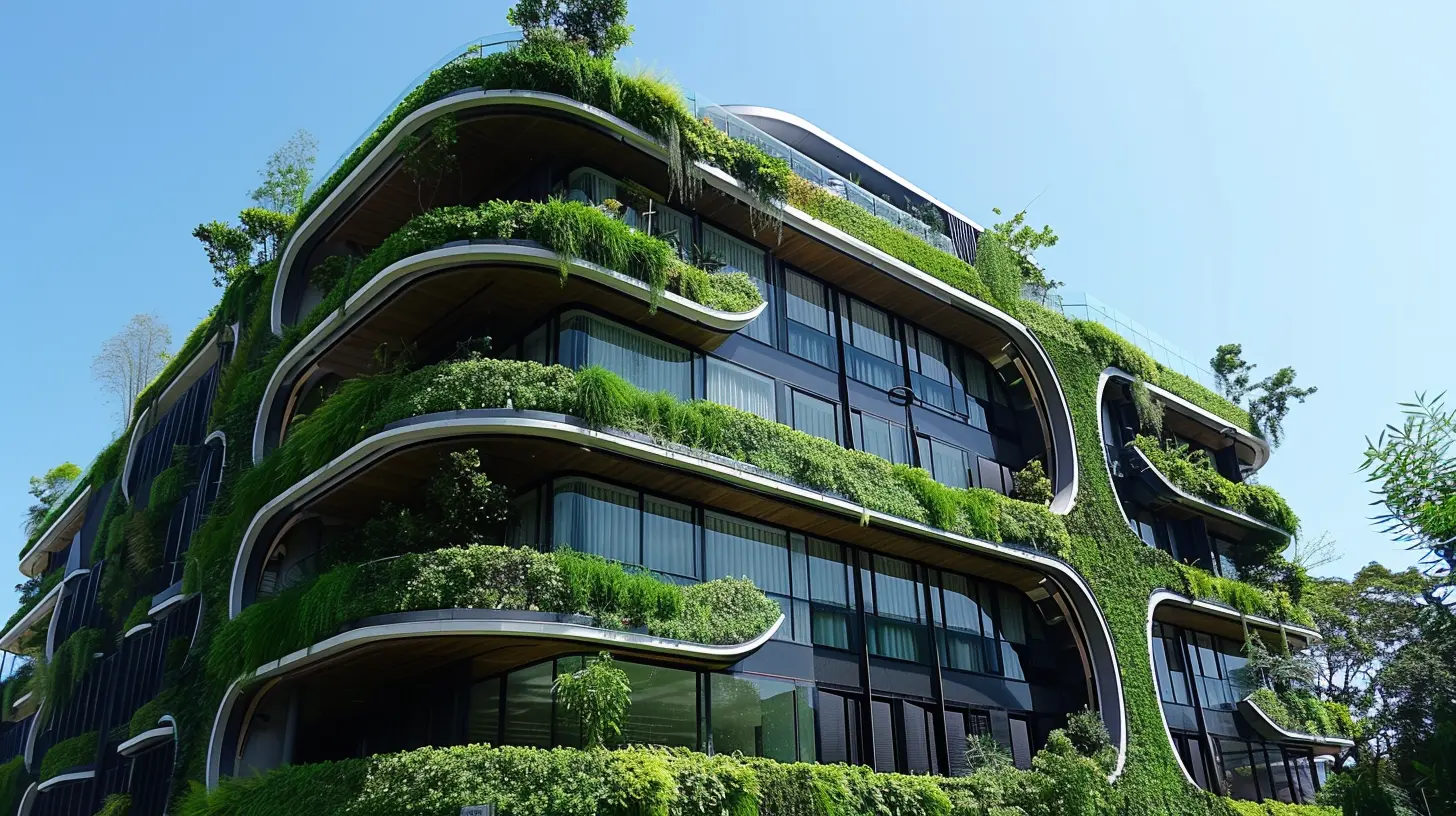
What Exactly Is a Living Wall?
Before we get into the nitty-gritty benefits, let's break it down. A living wall is pretty much what it sounds like—a wall that’s alive. It's a vertical structure covered in soil or a growth medium, where all sorts of plants are rooted and thriving. These beauties can be installed indoors or outdoors and range in size from small DIY frames to massive, building-sized installations.Some living walls are hydroponic (meaning the plants grow without soil), while others use traditional soil systems. Either way, they’re more than just eye candy—they’re eco-warriors with a mission.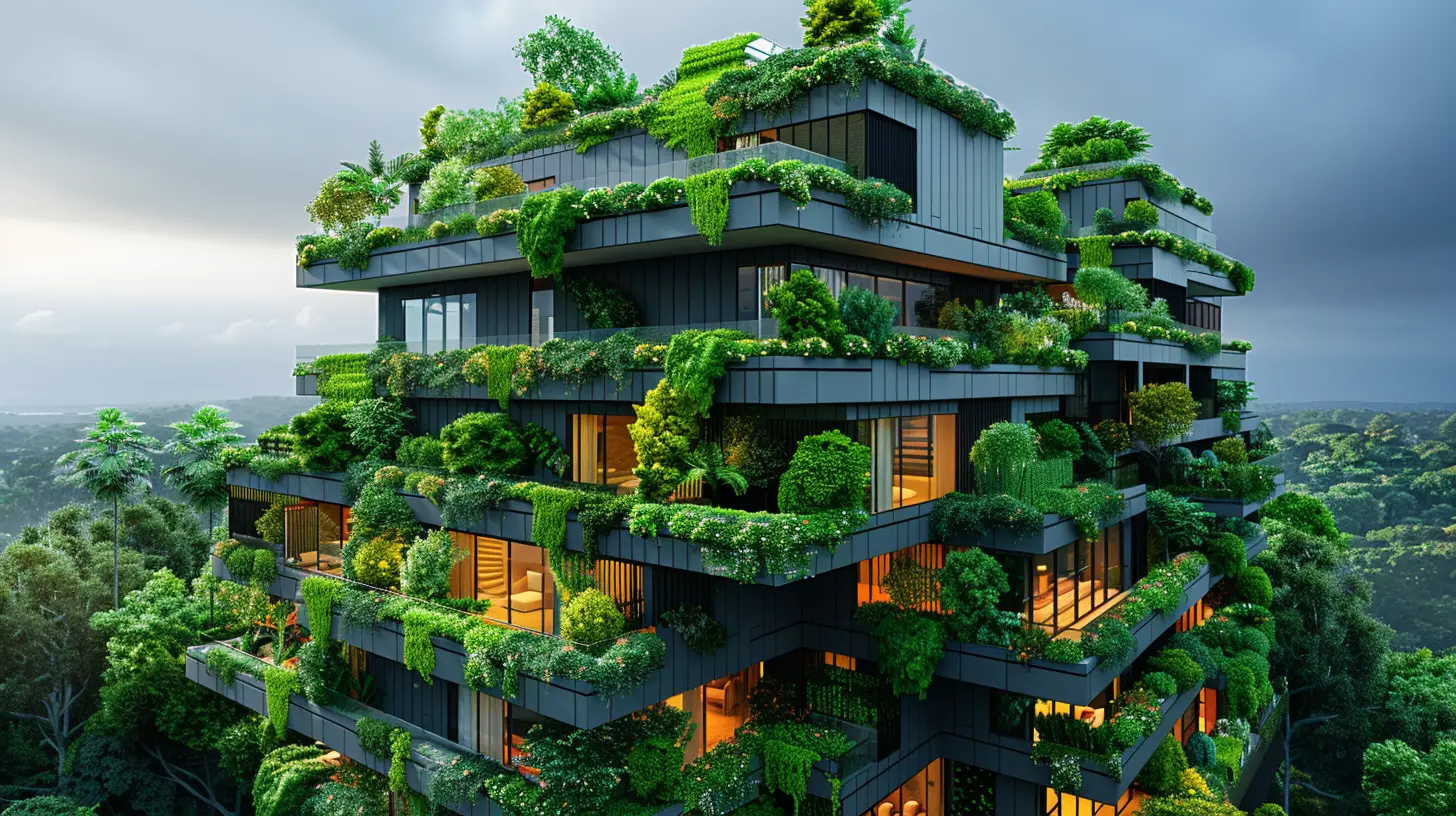
Why Living Walls and Sustainable Homes Are a Perfect Match
Sustainable homes aim to reduce negative environmental impact, use resources more efficiently, and offer a healthier space for homeowners. With that in mind, living walls complement sustainable homes like peanut butter goes with jelly.Here’s why:
1. Living Walls Improve Air Quality (and That’s a Big Deal)
Ever feel stuffy in your home, even with the windows open? Indoor air pollution is a real problem. From pet dander and mold spores to chemicals lurking in cleaning products and furniture, your indoor air can get pretty grimy.Living walls come to the rescue like little green vacuum cleaners. Plants naturally absorb carbon dioxide and release oxygen (yay photosynthesis!), but some can also filter out nasty toxins like formaldehyde, benzene, and ammonia.
Snake plants, pothos, and English ivy are just a few of the MVPs in the air-purifying game. In fact, NASA did a whole study on this!
So, the next time you breathe easier inside your home, you might have your living wall to thank.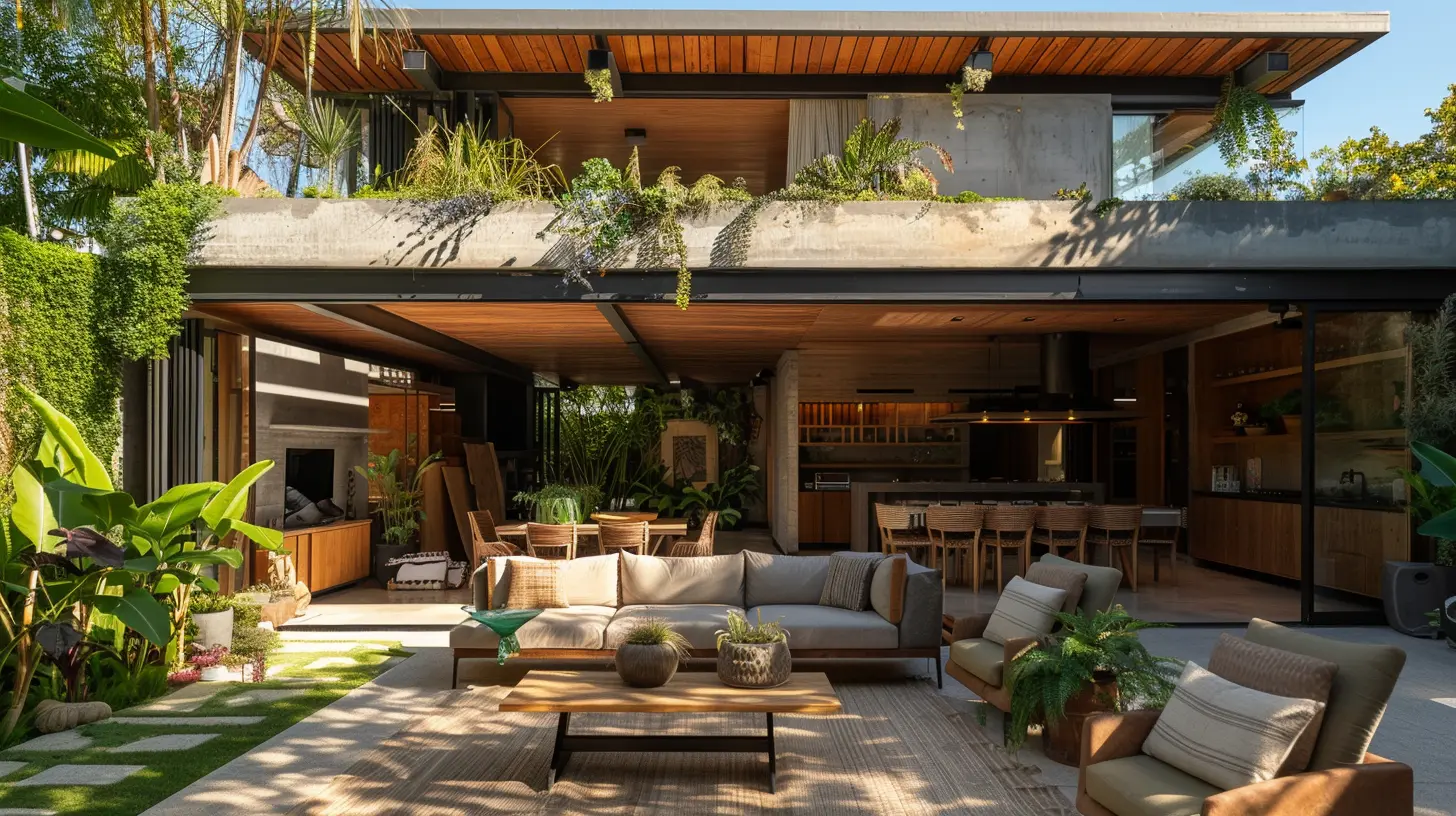
2. They Act as Natural Insulators
Let’s talk energy savings. Heating and cooling represent a big chunk of your home’s energy consumption. But did you know a living wall can help regulate indoor temperature?Here’s how:
- In Summer: The plants create shade and reduce heat absorption, keeping interiors cooler.
- In Winter: They add an extra layer of insulation, helping your home retain warm air.
How cool is that (pun intended)? By buffering temperature swings, living walls reduce your need for cranked-up HVAC systems—leading to lower electric bills and fewer carbon emissions. A win for your wallet and the planet.
3. Living Walls Reduce Noise Pollution
Ever notice how plants seem to make a space feel more serene? That’s not just psychological—it’s scientific.Living walls absorb, reflect, and deflect sound. Thanks to the combined properties of soil, plants, and the vertical structure itself, a living wall can actually act as a natural sound barrier. Whether you’re blocking out city traffic or your neighbor’s endless lawn-mowing, your green wall has your back.
So not only is your space greener, it’s quieter too. Hello, peace and quiet.
4. They Create a Natural Humidifier
This one’s for all you dry-skin-warriors and allergy sufferers. Plants naturally release water vapor during transpiration, adding moisture to the air. If your home has dry air (especially in winter), a living wall can help restore that much-needed balance.No more waking up with a dry throat or dealing with static hair. Just one more reason to love your leafy roommates.
5. Maximizing Space, Minimizing Footprint
Don’t have much space for a sprawling garden? No problem. Living walls grow up, not out—making them perfect for urban homes, apartments, and small yards.It’s like growing your own little forest on a wall. You get all the benefits of a lush garden, without giving up your square footage. And because you can grow herbs, veggies, and edible plants, it’s a practical addition too. Fresh basil for your pasta? Yes, please.
6. Boosting Biodiversity Around and Inside the Home
One of the lesser-known eco-perks of living walls? They’re biodiversity boosters.By creating a mini-ecosystem, green walls attract birds, bees, and beneficial insects—especially when installed outdoors. Indoors, they promote a healthier microbiome and support beneficial microorganisms that contribute to better overall health.
This ripple effect helps maintain ecological balance in urban environments, which are often stripped of natural habitats. You’ll be turning your home into a tiny conservation station without even trying.
7. Enhancing Mental Well-being and Reducing Stress
Alright, this one might seem more personal than environmental—but sustainability isn’t just about the Earth. It’s about us too.Research shows that being around greenery reduces stress, boosts mood, and even enhances productivity. That’s why offices, hospitals, and schools are incorporating more indoor plants. Why wouldn’t you bring that home?
A living wall is like a daily dose of forest therapy without leaving your couch. It reminds us to slow down, breathe, and appreciate the natural beauty around us.
8. Increasing Property Value with Eco-Curb Appeal
Let’s be real. A home that screams “sustainable and stylish” is a magnet in today’s real estate market. Eco-conscious buyers are actively seeking features that promote green living, and a well-maintained living wall checks the right boxes:- Aesthetic charm? ✅
- Low carbon footprint? ✅
- Lower utility bills? ✅
- Better air and comfort? ✅
Investing in a living wall can make your home more appealing and even boost resale value. And in a competitive housing market, every little green edge matters.
9. Reducing Carbon Footprint—One Leaf at a Time
Let’s zoom out and consider the bigger picture. Every square inch of plant coverage on your living wall helps capture CO₂ and release oxygen. Over time, this tiny ecosystem plays a role in combating climate change.Sure, one wall won’t stop rising global temps on its own. But imagine if more homes adopted this feature. It’s the “many drops make an ocean” idea, and it starts at home—with your wall.
10. They’re Just Plain Beautiful
OK, this isn’t an environmental benefit, but let’s not overlook it. Living walls are gorgeous. They’re living art—ever-changing, lush, and interactive.Whether you go with a vibrant mix of succulents, ferns, or herbs, your green wall becomes a focal point in your home. Plus, you’ll get major bragging rights when guests come over.
Getting Started with Your Own Living Wall
So you’re sold on the benefits—now what?Starting a living wall doesn’t have to be expensive or complicated. Here’s a quick guide:
- Choose your location: Indoors or outdoors? Make sure it gets enough light or invest in grow lights.
- Select the right system: There are modular panels, felt systems, and hydroponic setups to choose from.
- Pick your plants: Think about your climate, lighting, and goals (air purification, edibles, aesthetics).
- Set up irrigation: Many systems come with built-in irrigation. For smaller setups, manual watering works fine.
- Maintain regularly: Trim, water, and replace plants as needed. It’s like giving a haircut to your wall.
If you're not into DIY, there are plenty of local companies that specialize in installing and maintaining living walls. You’ll be enjoying your vertical garden in no time.
Final Thoughts
When it comes to sustainable home design, living walls are the unsung heroes. They’re not just a pretty face—they’re eco-efficient, space-saving, air-cleaning, mood-lifting powerhouses. Whether you’re a homeowner looking to upgrade sustainably or a renter with a green thumb, living walls offer a unique way to bring nature indoors (or out!) while doing your part for the planet.So maybe it’s time to stop “climbing the walls” and start growing them instead.
all images in this post were generated using AI tools
Category:
Green HomesAuthor:

Mateo Hines
Discussion
rate this article
2 comments
Delta Middleton
Living walls enhance air quality, biodiversity, and aesthetics, making sustainable homes truly vibrant ecosystems.
April 4, 2026 at 3:18 AM
Mateo Hines
Absolutely! Living walls are a fantastic way to enrich our living spaces, promoting both environmental health and visual appeal. Thank you for your insight!
Freya Wilkerson
Love the idea of living walls! They not only add a touch of nature to our homes but also improve air quality and create a calming atmosphere. Who wouldn’t want a mini rainforest in their living room? 🌿🏡
March 31, 2026 at 4:46 AM
Mateo Hines
Absolutely! Living walls enhance our spaces while promoting sustainability and well-being. They’re truly a breath of fresh air! 🌱