The Growing Demand for Sustainable Housing in 2026 and Beyond
10 October 2026
Something interesting is happening in real estate right now. Buyers who once shrugged at solar panels are now asking detailed questions about energy performance. Renters are comparing utility costs before signing leases. Municipalities are rewriting building codes at a pace we have not seen in decades. Sustainable housing has moved from a niche preference to a mainstream expectation, and the forces driving this shift are only getting stronger.
This article examines why demand for sustainable housing is climbing, what it actually means in practice, and how buyers, sellers, builders, and investors can navigate the changes intelligently. No hype, no greenwashing. Just a clear look at where the market is heading and how to make smart decisions.
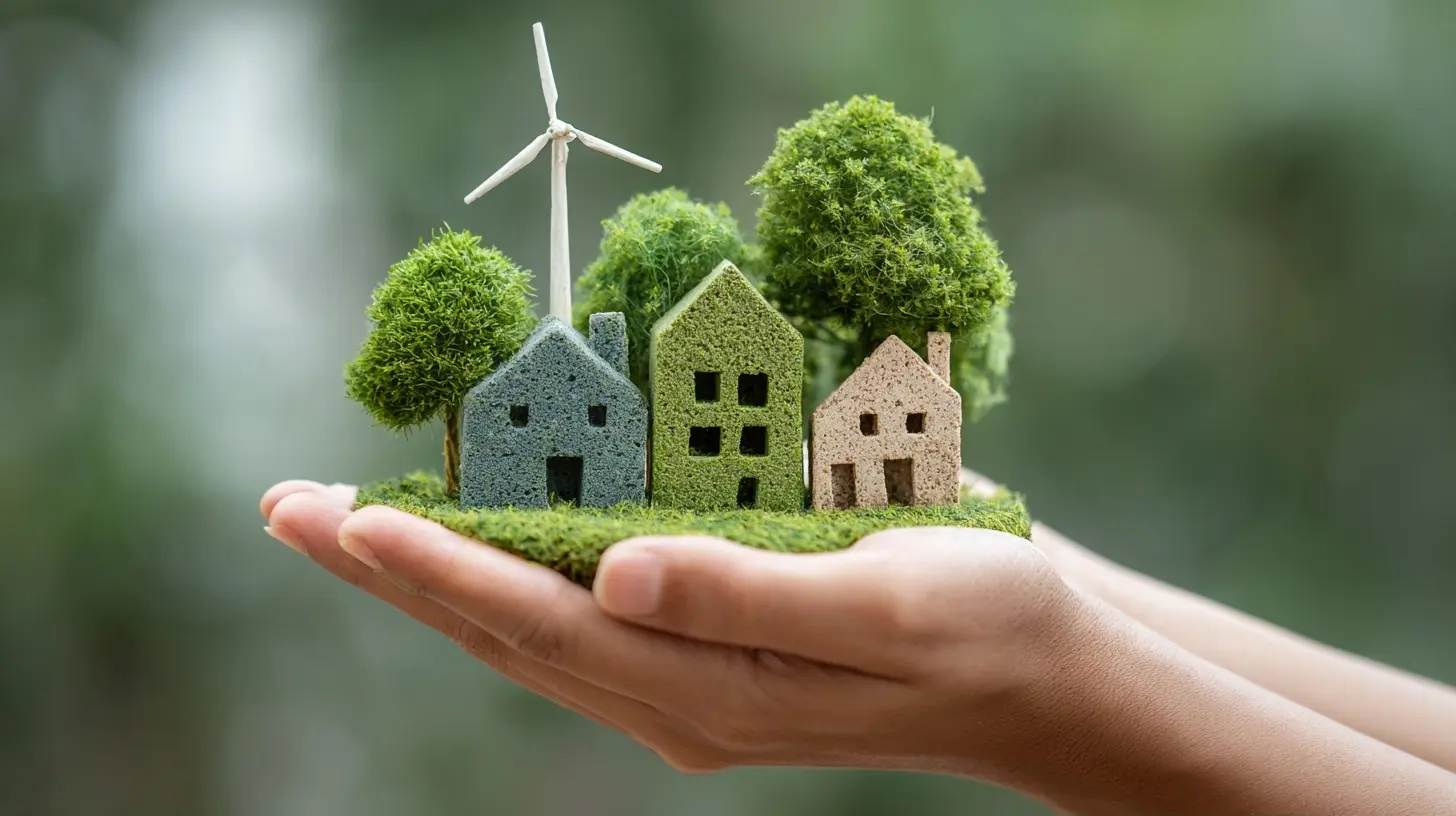
What Sustainable Housing Actually Means in 2026
The term "sustainable housing" gets thrown around loosely, so let us define it properly. A sustainable home is one designed, built, and operated to minimize environmental impact while maximizing long-term value and livability for its occupants. That definition has several dimensions:Energy efficiency. Better insulation, high-performance windows, efficient HVAC systems, and smart controls that reduce consumption without sacrificing comfort.
Material choices. Responsibly sourced lumber, recycled-content products, low-carbon concrete alternatives, and finishes with low volatile organic compound emissions.
Water management. Low-flow fixtures, greywater systems where legal, permeable surfaces, and landscaping that works with local rainfall patterns rather than against them.
Durability and resilience. Homes built to withstand local climate risks, whether that means wildfire-resistant siding in the West, flood-tolerant foundations along coastlines, or storm-rated roofing in hurricane zones.
Location and density. A home near transit, jobs, and services reduces transportation emissions. Sometimes the greenest decision is the neighborhood, not the building.
Health and indoor air quality. Proper ventilation, moisture control, and non-toxic materials create living spaces that support human health, which matters more than most people realize until they live in a poorly ventilated home.
A house does not need to check every box to qualify as sustainable. But the more dimensions it addresses, the more resilient its value becomes over time.
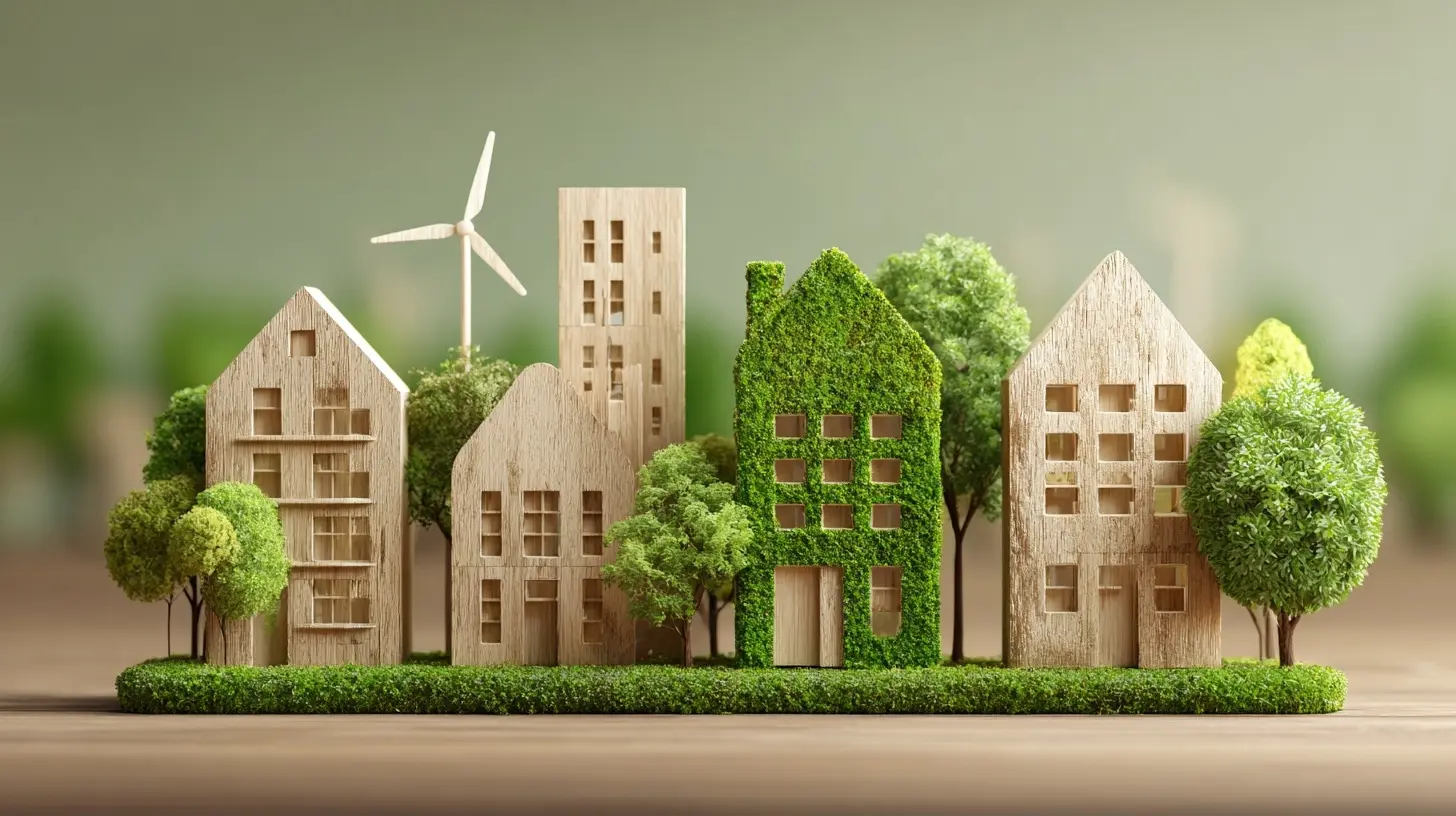
Why Demand Is Rising Now
Several converging forces explain why sustainable housing demand is accelerating. None of them is temporary.Energy Costs Have Become a Deciding Factor
For decades, energy was cheap enough that most buyers ignored operating costs. That era is over. Volatile utility prices in many regions have made monthly energy bills a serious line item, sometimes rivaling a car payment. A home that costs $200 less per month to operate is effectively worth tens of thousands of dollars more over a typical ownership period.This is not just about saving money. It is about predictability. Buyers increasingly want to know what a home will cost them every month, and efficient homes offer more stable, lower costs.
Climate Risk Is Now a Real Estate Risk
Insurance companies have changed the game. In several markets, premiums have risen sharply or coverage has become harder to obtain for properties in flood zones, wildfire corridors, and storm-prone areas. Buyers and lenders are paying attention. A home built with resilience features may qualify for better insurance terms, which directly affects affordability.This is one of the most underappreciated drivers of sustainable housing demand. It is not ideology. It is risk management.
Regulation Is Catching Up
Building codes are tightening. Many jurisdictions now require higher insulation standards, better window performance, and in some cases, electric-ready infrastructure or solar readiness. Disclosure requirements around energy performance are spreading, similar to how fuel economy labels changed car buying.For builders, this means sustainable features are becoming the baseline rather than an upgrade. For buyers, it means the gap between efficient and inefficient homes will widen, because older homes will need costly retrofits to compete.
Generational Preferences Are Shifting
Millennials and Gen Z now make up the largest share of first-time buyers. Surveys consistently show these groups prioritize energy efficiency, health, and environmental responsibility more than previous generations did. But here is the nuance: they are not willing to pay a premium for features that do not deliver tangible benefits. They want sustainability that works, not sustainability as decoration.That pragmatism is healthy for the market. It pushes builders to focus on performance rather than marketing claims.
Technology Has Made Sustainability Affordable
Ten years ago, a high-performance home often meant a custom build with a daunting price tag. Today, heat pumps, induction ranges, smart thermostats, and efficient building envelopes are available at mainstream price points. Solar plus battery systems have dropped in cost dramatically, and financing options have expanded.When sustainable features become cost-competitive with conventional alternatives, adoption accelerates. That is exactly what is happening.
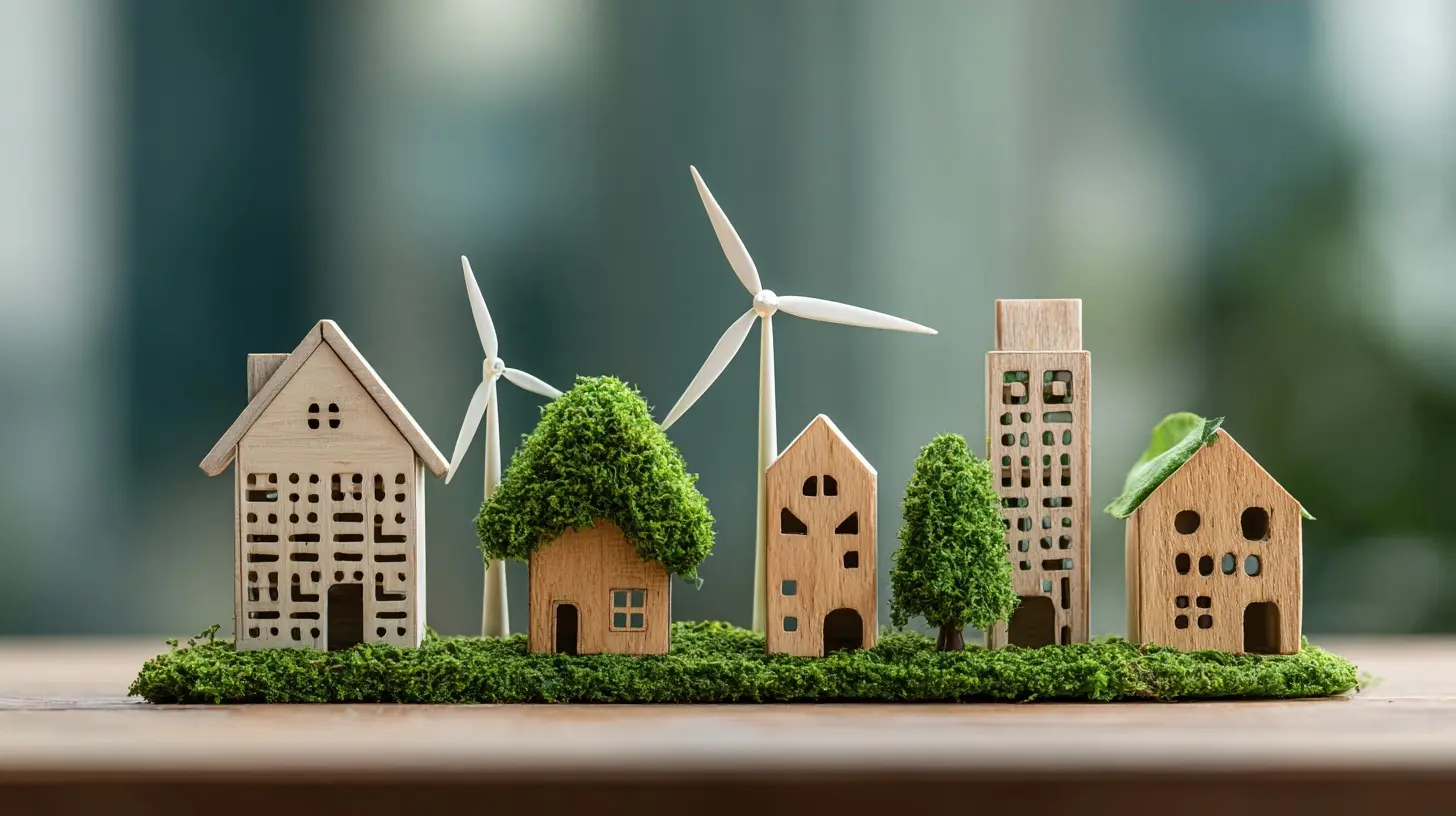
The Economics: What Buyers and Sellers Need to Know
Sustainability sounds good in theory. Does it pay? The answer is more nuanced than most sales pitches suggest.Where the Value Shows Up
Lower operating costs. This is the most reliable benefit. A well-insulated home with an efficient heat pump can cut heating and cooling costs significantly compared to a poorly sealed home with older equipment. The savings vary by climate, but they are real and measurable.Resilience and insurance advantages. Homes built to withstand local hazards may see fewer claims and, in some markets, better insurance pricing. This is not universal, but it is a growing factor.
Resale appeal. As more buyers prioritize efficiency, homes with strong energy performance tend to attract more interest. Appraisers are also getting better at valuing green features, though this remains inconsistent.
Comfort and health. Quiet, draft-free, well-ventilated homes are simply nicer to live in. That has value even if it does not show up on a spreadsheet.
Where the Math Gets Tricky
Upfront costs can be substantial. A deep energy retrofit, including insulation, windows, HVAC, and electrical upgrades, can run into tens of thousands of dollars. The payback period may stretch beyond the average ownership tenure.Premiums are not guaranteed. In some markets, buyers still will not pay extra for green features. The value depends heavily on local demand, energy prices, and how well the features are documented.
Not all features are equal. A tankless water heater and a full solar array are not the same investment. Some upgrades deliver strong returns, others are more about lifestyle or values.
Incentives change. Tax credits, rebates, and favorable financing programs come and go. Buying a home primarily to capture an incentive is risky.
A Practical Framework
Before investing in sustainable upgrades, ask three questions:1. What is the measurable benefit? (Energy savings, insurance reduction, comfort improvement)
2. What is the total cost, including installation, maintenance, and any financing?
3. How long do I plan to own this property?
If the benefit is clear, the cost is reasonable, and your timeline matches the payback period, the investment usually makes sense. If any of those three is uncertain, proceed carefully.
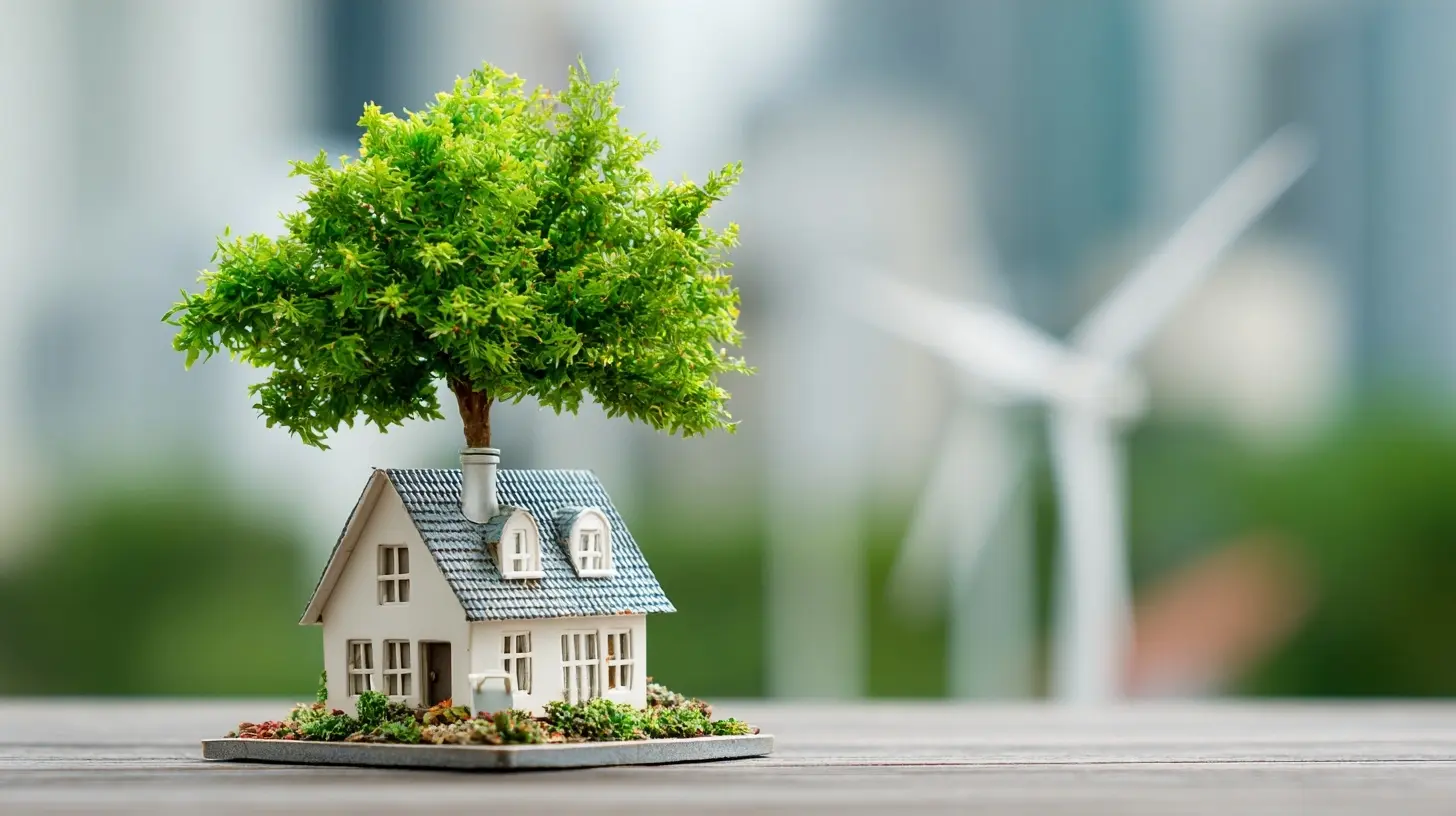
Sustainable Housing Across Different Market Segments
Demand does not look the same everywhere. Here is how sustainability plays out in different parts of the market.Entry-Level and Affordable Housing
This is where sustainability has the biggest impact and faces the biggest challenges. Lower-income households spend a larger share of their income on energy, so efficiency improvements deliver outsized benefits. But upfront costs are hardest to absorb.Solutions that work here include:
- Passive design strategies (orientation, shading, natural ventilation) that cost little or nothing
- Basic air sealing and insulation improvements
- Efficient appliances and lighting
- Partnerships with utilities and nonprofits that subsidize upgrades
The mistake to avoid is treating sustainability as a luxury feature. In affordable housing, it is a tool for reducing cost burdens and improving health outcomes.
Mid-Market Homes
This segment is where demand is growing fastest. Buyers here often want a mix of efficiency, comfort, and values alignment without a custom-build budget. Builders are responding with standard packages that include:- High-performance envelopes
- Heat pump HVAC systems
- Solar-ready wiring
- Efficient windows and insulation
- Water-saving fixtures
These features are increasingly included as standard rather than options, which simplifies decision-making for buyers.
Luxury and Custom Homes
At the high end, sustainability often overlaps with resilience, wellness, and self-sufficiency. Buyers may invest in:- Full solar plus battery storage
- Greywater and rainwater systems
- Advanced air filtration and ventilation
- Locally sourced and low-carbon materials
- Net-zero or net-positive energy performance
The challenge here is avoiding complexity for its own sake. More systems mean more maintenance and more potential failure points. The best luxury sustainable homes are designed for simplicity and long-term performance, not just impressive specifications.
Rental Housing
Renters are increasingly factoring utility costs into their decisions. In markets with high energy prices, an efficient rental can command higher rent or attract better tenants. Landlords who invest in efficiency often see lower vacancy and turnover, which offsets upgrade costs.However, split incentives remain a barrier. If the landlord pays for upgrades but the tenant pays the utility bills, the landlord has less incentive to invest. Solutions include on-bill financing, utility-sponsored programs, and regulatory requirements that align interests.
Common Mistakes and Misconceptions
Let us clear up some persistent misunderstandings."Sustainable Means Expensive"
Not necessarily. Passive design, air sealing, and right-sizing equipment often cost little or nothing extra. The expensive part is usually retrofitting existing homes or adding complex systems. New construction can be highly efficient at minimal additional cost if sustainability is designed in from the start."Green Features Automatically Increase Value"
Only if buyers value them and can verify them. Undocumented or poorly installed features may not appraise. Certification programs like ENERGY STAR, LEED, or Passive House provide third-party verification that helps buyers and appraisers trust the claims."Solar Panels Are Always Worth It"
Solar makes sense in sunny regions with high electricity prices and favorable net metering policies. In other markets, the payback may be longer or the benefits smaller. Always run the numbers for your specific location and utility rate structure."Older Homes Cannot Be Sustainable"
Older homes can be retrofitted effectively. In fact, many older homes have good bones and can outperform new construction after targeted improvements. The key is prioritizing the biggest impact items: insulation, air sealing, and HVAC."Sustainability Is Just About the Environment"
Health, comfort, resilience, and cost savings are equally important. Framing sustainability only in environmental terms can alienate buyers who care more about their monthly bills or their family's health. The most effective messaging connects sustainability to everyday benefits.
Best Practices for Buyers
If you are shopping for a home and want sustainability to work for you, here is how to approach it.Ask for energy data. Request utility bills for the past 12 months. Ask if the home has an energy audit or rating. In markets with energy disclosure requirements, this information should be available.
Prioritize the envelope. Insulation, air sealing, and windows matter more than flashy features. A home with a great envelope and average appliances will outperform a home with great appliances and a leaky envelope.
Verify certifications. Third-party certifications like ENERGY STAR, LEED, or Passive House provide confidence that performance claims are real. If a seller claims green features without documentation, treat it as marketing rather than fact.
Think about your climate. A heat pump that works beautifully in a mild climate may struggle in extreme cold without proper sizing and backup. Sustainable solutions are local, not universal.
Consider future retrofit costs. If a home lacks efficiency features, factor in the cost of adding them later. Sometimes a slightly higher purchase price for a better-performing home is cheaper than retrofitting.
Check insurance and financing options. Some lenders offer better terms for efficient homes. Some insurers offer discounts for resilience features. Ask before you buy.
Best Practices for Sellers
If you are selling a home with sustainable features, do not assume buyers will notice. You need to document and communicate.Gather documentation. Collect utility bills, energy ratings, certification documents, and receipts for upgrades. This evidence supports your asking price and helps buyers trust your claims.
Quantify the benefits. Instead of saying "energy efficient," say "average monthly utility costs are $120, compared to $280 for similar homes in the area." Specific numbers are more persuasive than vague claims.
Highlight resilience. If your home has features that reduce risk, such as fire-resistant siding or flood-tolerant landscaping, mention them. Buyers in hazard-prone areas care deeply about this.
Train your agent. Make sure your listing agent understands the features and can explain them accurately. Misunderstandings can cost you at the negotiating table.
Avoid overpromising. If a feature has not been verified, do not present it as a guarantee. Overstating benefits can lead to disputes and damage trust.
Best Practices for Builders and Developers
The market is moving toward sustainability, but execution matters more than intentions.Design for performance, not checklists. Chasing certifications without focusing on actual performance leads to homes that look green but underperform. Start with passive design, then add systems.
Right-size equipment. Oversized HVAC systems cost more, run less efficiently, and create comfort problems. Proper load calculations are essential.
Commission and verify. After construction, test the home to confirm it performs as designed. Air sealing, duct leakage, and HVAC performance should all be verified.
Train your trades. Even the best design fails if it is installed poorly. Invest in training for insulation, air sealing, and HVAC contractors.
Communicate clearly. Buyers want to understand what they are getting and why it matters. Provide simple, honest explanations rather than technical jargon.
Plan for maintenance. Sustainable systems require upkeep. Provide homeowners with clear guidance on filter changes, system checks, and seasonal maintenance.
What to Expect in the Coming Years
The trajectory is clear, but the details will vary by market.Codes will tighten. Expect higher baseline requirements for insulation, windows, and HVAC efficiency. Some jurisdictions may move toward electrification requirements or solar readiness mandates.
Disclosure will expand. More markets will require energy performance disclosure at the point of sale, similar to how flood zones and lead paint are disclosed today.
Financing will improve. Green mortgages, property assessed clean energy programs, and utility-sponsored financing will make upgrades more accessible.
Insurance will play a bigger role. As climate risks grow, insurers will increasingly reward resilience and efficiency, or penalize their absence.
Technology will continue to improve. Heat pumps, batteries, and building materials will get better and cheaper. What is cutting-edge today will be standard tomorrow.
Demand will grow, but unevenly. Markets with high energy costs, climate risk, and progressive policies will lead. Others will follow as economics and regulation catch up.
Final Thoughts
Sustainable housing is not a passing trend. It is a structural shift driven by economics, risk, regulation, and changing preferences. The buyers, sellers, builders, and investors who understand this shift will make better decisions and capture more value.The good news is that sustainability does not have to be complicated or expensive. The most impactful improvements are often the simplest: a tighter envelope, a right-sized heat pump, a well-placed window. These are not sacrifices. They are upgrades that make homes more comfortable, more affordable, and more resilient.
Whether you are buying your first home, selling a property, or planning a development, the principles are the same. Focus on performance, verify your claims, and think long term. The market is rewarding that approach, and it will continue to do so for years to come.
all images in this post were generated using AI tools
Category:
Home Energy EfficiencyAuthor:

Mateo Hines