The Growth of Real Estate Developments in Secondary Cities
9 April 2026
Introduction
For decades, major cities have been the go-to destinations for real estate investments. Think of places like New York, London, or Los Angeles—these powerhouses have dominated the market. But times are changing, and attention is shifting toward secondary cities.
More businesses, families, and investors are recognizing the potential in these up-and-coming areas. Property prices are more reasonable, the cost of living is lower, and infrastructure is improving. So, what’s driving this trend, and what does it mean for the future of real estate? Let’s break it down.
Why Are Secondary Cities Gaining Popularity?
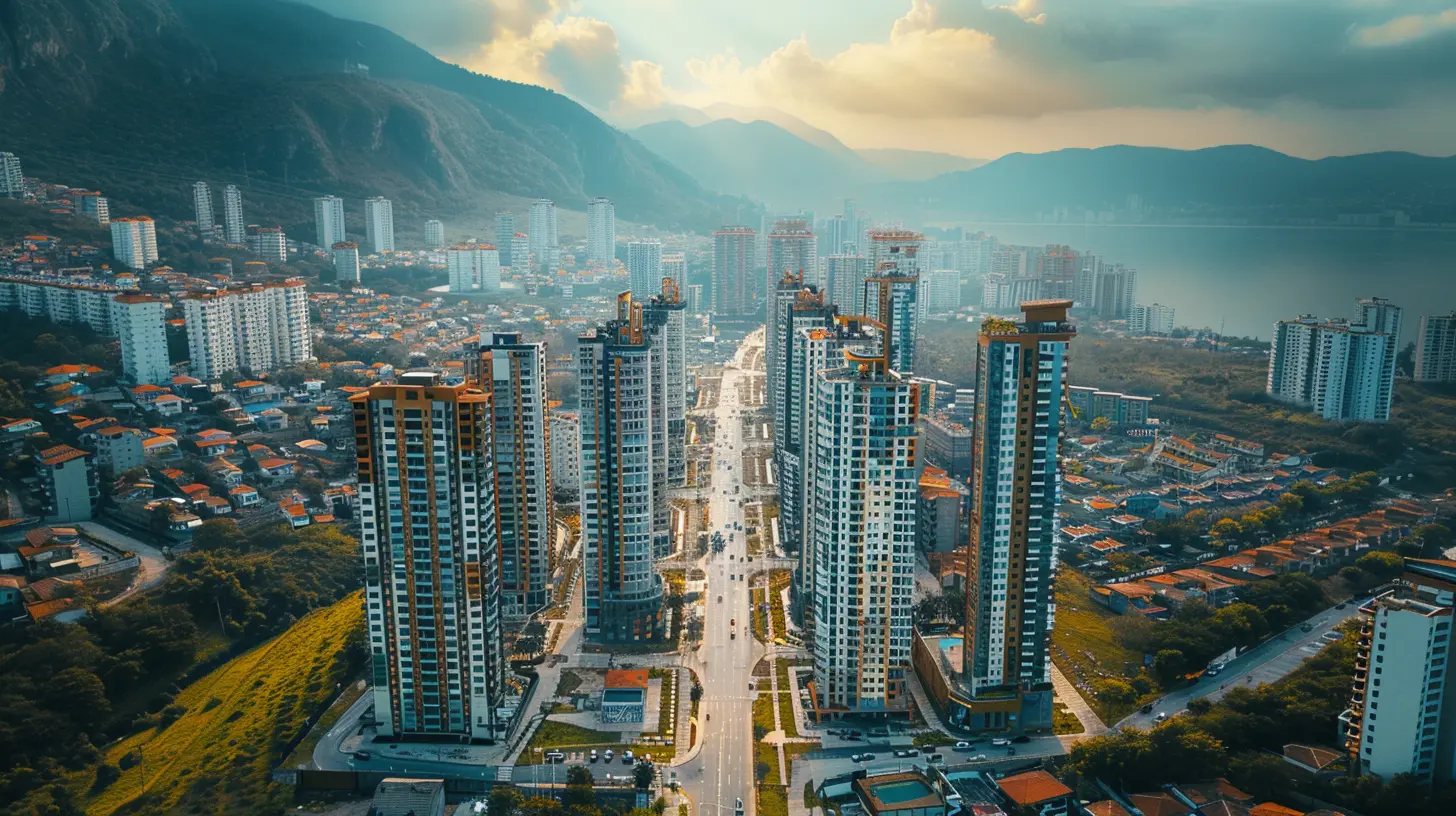
Several factors are fueling the growth of real estate developments in secondary cities. Here are some of the biggest reasons:1. High Costs in Primary Cities
Let’s face it—living in a major city can be ridiculously expensive. Housing prices have skyrocketed, making homeownership a distant dream for many. Even businesses struggle with high rents and operational expenses.Because of this, both individuals and companies are looking beyond major urban centers. Secondary cities offer more affordable real estate, allowing people to enjoy a higher quality of life without breaking the bank.
2. Work-from-Home Culture
The rise of remote work has changed everything. People no longer need to live in big cities just to be close to the office. Thanks to better internet connectivity and flexible work policies, many professionals are relocating to smaller cities where they can get more space for their money.Why pay sky-high rent for a tiny apartment in a crowded city when you can own a spacious home in a secondary city at a fraction of the price? This shift is a game-changer for real estate patterns.
3. Improved Infrastructure and Connectivity
Governments are investing heavily in infrastructure projects to decentralize economic activity. Highways, airports, and railway systems are expanding, making secondary cities more accessible than ever before.Better infrastructure means people can enjoy the perks of urban living without the congestion and chaos of major cities. This, in turn, boosts the real estate market in these emerging areas.
4. Business Expansion and Job Growth
It’s not just individuals making the move—companies are also setting up shop in secondary cities. Lower rent costs, tax incentives, and a growing talent pool are encouraging businesses to establish regional offices in these locations.As companies move in, job opportunities increase, attracting more residents. The demand for housing, office spaces, and commercial real estate naturally follows, fueling further development.
The Impact of Real Estate Growth in Secondary Cities
1. More Affordable Housing Options
One of the biggest advantages of this trend is affordability. Homebuyers and renters have access to spacious properties at competitive prices. Unlike the cramped apartments of big cities, secondary cities offer single-family homes, townhouses, and larger condominiums that provide more living space.For first-time homebuyers, this shift presents a golden opportunity to enter the real estate market without taking on massive debt.
2. Economic Revival
Real estate development brings jobs, businesses, and increased economic activity. As more people move to secondary cities, demand for local services—restaurants, schools, healthcare, and entertainment—also rises. This creates a ripple effect, boosting the local economy and improving the overall standard of living.3. Sustainable Development Trends
Since secondary cities are still growing, there’s an opportunity to implement smarter, sustainable urban planning. Developers are now integrating green spaces, energy-efficient buildings, and eco-friendly designs into their projects.Unlike crowded metropolises where space is limited, secondary cities have the advantage of better planning, ensuring a healthier and more comfortable living environment.
4. Higher ROI for Investors
Investors looking for promising markets are turning to secondary cities for higher returns on investment (ROI). Property prices are relatively low, but the demand is steadily increasing. This means investors can buy at lower costs and watch their property values appreciate over time.Rental yields are also attractive. With more people relocating, the demand for rental properties is skyrocketing, creating steady cash flow opportunities for real estate investors.
Challenges Facing Real Estate Developments in Secondary Cities
Of course, no opportunity comes without challenges. While secondary cities are experiencing growth, there are still some hurdles to overcome:1. Infrastructure Gaps
Although improvements are happening, some secondary cities still lack the advanced infrastructure found in major urban centers. Roads, public transport, and utility services need further upgrades to support rapid population growth.2. Job Market Stability
While many companies are expanding into secondary cities, job opportunities are still not as abundant as in primary cities. If employment growth doesn’t keep pace with population growth, it could create an imbalance in housing demand.3. Market Volatility
Because these markets are still developing, real estate values can be more volatile. Some investors may find it challenging to predict long-term appreciation trends. Conducting thorough market research before investing is crucial.
Future Outlook of Secondary City Real Estate
Despite the challenges, the future looks bright for real estate developments in secondary cities. As more people and companies embrace the shift, these cities will continue to thrive.Government policies aimed at decentralization, coupled with ongoing infrastructure improvements, will further accelerate growth. Additionally, with increasing interest from real estate investors and developers, these areas will become new hubs for economic expansion and urban innovation.
For homebuyers, renters, and property investors, secondary cities present an exciting opportunity. Those who get in early stand to benefit the most from rising property values and growing local economies.
Final Thoughts
The traditional belief that bigger cities offer the best opportunities is fading. Secondary cities are stepping into the spotlight, offering affordability, better living conditions, and promising investment potential.If you're considering real estate investment or relocating to a more affordable and comfortable location, keeping an eye on these emerging markets might be a smart move. The shift is already happening—will you be a part of it?
all images in this post were generated using AI tools
Category:
Real Estate DevelopmentAuthor:

Mateo Hines
Discussion
rate this article
2 comments
Solara Tucker
Exciting to see secondary cities thriving! This growth enhances opportunities and livability for residents.
April 16, 2026 at 12:48 PM
Mateo Hines
Thank you! It's encouraging to see how secondary cities are evolving and improving quality of life for their residents.
Mallory Martinez
The rise of secondary cities offers diverse investment opportunities, driven by affordable housing, infrastructure improvements, and shifting population trends.
April 12, 2026 at 4:47 AM
Mateo Hines
You're right. Secondary cities are becoming attractive options for investment, thanks to their affordability and improving infrastructure. It's an exciting trend.